
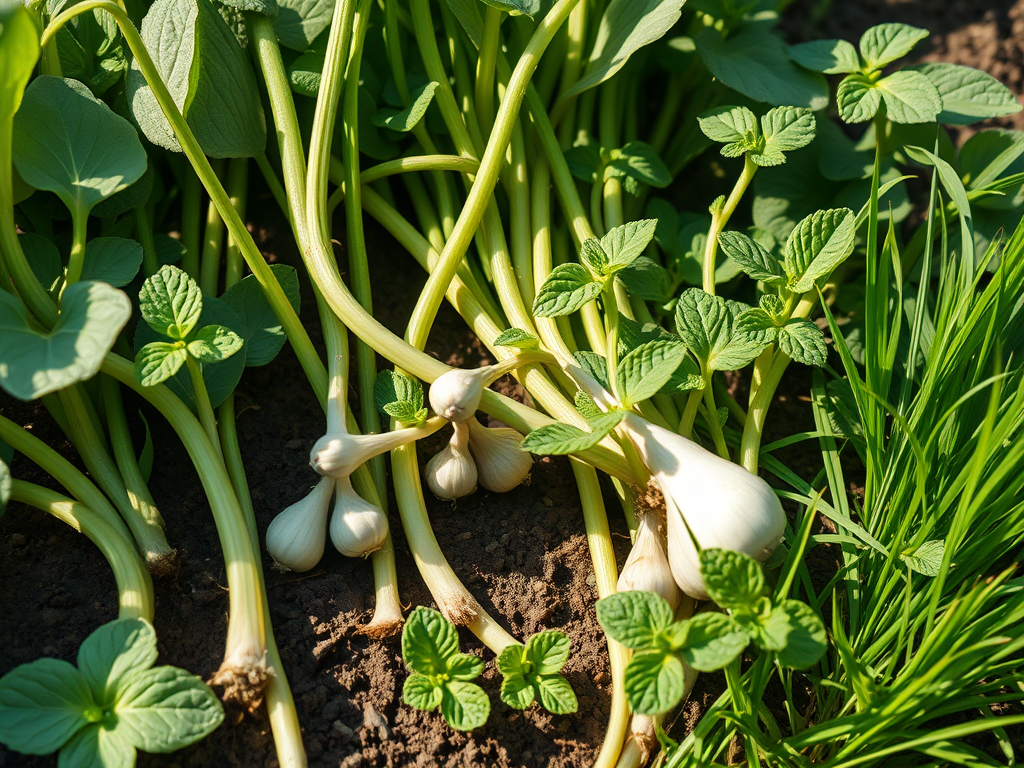
🌿 Stolon Crops: Nature’s Spreading Wonders
Introduction
In the plant world, reproduction doesn’t always depend on seeds. Some plants can grow and multiply through special structures known as stolons. Crops that reproduce or spread through stolons are called stolon crops. This form of growth allows plants to spread quickly over the soil surface, forming new plants from the parent plant.
Stolon crops are not only fascinating in terms of plant biology, but they also play an important role in agriculture, horticulture, and soil conservation.
What is a Stolon?
A stolon (also known as a runner) is a horizontal stem that grows along the surface of the soil. It is a type of vegetative propagation organ, meaning it helps plants reproduce asexually — without seeds.
At certain points along the stolon, called nodes, small buds develop into new plantlets. These plantlets form roots when they touch the soil, eventually becoming independent plants once separated from the parent.
Example:
In a strawberry plant, you can see thin, green stems spreading along the soil. These are stolons. Small baby plants form at the ends of these stems, which later develop into new strawberry plants.
Characteristics of Stolon Crops
- Vegetative Reproduction: They multiply without seeds, using stolons.
- Horizontal Growth: Stolons grow laterally above or just under the soil surface.
- Node Formation: At nodes, new shoots and roots develop, forming daughter plants.
- Rapid Spreading: These plants spread quickly, covering large ground areas.
- Soil Holding Capacity: Many stolon crops help prevent soil erosion due to their dense growth.
Examples of Stolon Crops
Here are some well-known stolon crops found in agriculture and nature:
| Crop Name | Scientific Name | Use / Importance |
|---|---|---|
| Strawberry | Fragaria × ananassa | Grown for sweet fruits; spreads through runners. |
| Grass (Bermuda Grass, Lawn Grass) | Cynodon dactylon, Agrostis stolonifera | Used in lawns, sports fields, and for soil binding. |
| Mint (Pudina) | Mentha spicata | Used for culinary and medicinal purposes. |
| Spider Plant | Chlorophytum comosum | Ornamental plant that produces small plantlets on stolons. |
| Potato (partly stoloniferous) | Solanum tuberosum | Produces underground stolons which bear tubers. |
| Dichondra | Dichondra repens | Common lawn and ground cover plant. |
Structure of a Stolon
A typical stolon has the following parts:
- Node: The point on the stolon where new roots and shoots can emerge.
- Internode: The distance between two nodes.
- Bud: A small structure on the node that can grow into a new plant.
- Adventitious Roots: Roots that form from the stolon’s node and help anchor the new plant.
When the new plant matures, the stolon connecting it to the parent may die off, leaving an independent plant.
Types of Stolons
There are two general types of stolons based on their position:
- Above-Ground Stolons (Runners): Found in plants like strawberries and spider plants.
- Below-Ground Stolons: Found in plants like potatoes, where stolons grow under the soil and form tubers.
Advantages of Stolon Growth
- Quick Propagation: Plants reproduce rapidly without seeds.
- Soil Erosion Control: Dense mats of stolon crops protect soil from erosion.
- Low Cost: Farmers can easily grow new plants by separating the daughter plants from parent ones.
- Resilience: If the parent plant dies, the connected daughter plants can survive.
- Uniform Quality: Since new plants are genetically identical to the parent, crop quality remains consistent.
Disadvantages of Stolon Growth
- Limited Genetic Variation: Asexual reproduction means plants are clones, making them vulnerable to diseases.
- Overcrowding: Rapid spreading can cause competition for nutrients and space.
- Maintenance Required: Some stolon crops, like grasses, require regular trimming or management to control their spread.
Agricultural Importance
Stolon crops are important in several agricultural and environmental practices:
- Horticulture: Strawberries and mint are major commercial crops grown using stolons.
- Soil Conservation: Stoloniferous grasses are used to stabilize soil in erosion-prone areas like slopes and riverbanks.
- Turf Management: Lawn and sports field grasses (e.g., Bermuda grass) use stolon growth for quick turf recovery.
- Vegetative Propagation: Gardeners use stolons for easy and reliable propagation of ornamental plants.
How Farmers and Gardeners Use Stolons
In agricultural or horticultural settings, farmers often use stolon cutting as a propagation technique. Here’s how:
- Identify a healthy parent plant.
- Select a mature stolon with a young plantlet attached.
- Separate the new plant from the stolon and replant it in moist soil.
- The new plant quickly establishes roots and grows independently.
This method ensures a genetically identical and fast-growing crop, saving time compared to seed germination.
Conclusion
Stolon crops are an excellent example of how plants have evolved to reproduce efficiently and adapt to their environment. By growing horizontally and forming new plants through stolons, these crops provide ecological benefits like soil protection and economic advantages in agriculture. From strawberries in your kitchen garden to grass on sports fields, stolon crops play a vital role in both nature and human life.
Quick Summary Table
| Aspect | Details |
|---|---|
| Definition | Crops that reproduce through stolons (horizontal stems). |
| Propagation Type | Vegetative (Asexual) |
| Examples | Strawberry, Mint, Bermuda Grass, Spider Plant |
| Advantages | Fast propagation, soil binding, easy cultivation |
| Disadvantages | Low genetic variation, overcrowding |
| Uses | Agriculture, horticulture, soil conservation |

 KrishiCenter
Leave a reply to Hydroponics 101: A Modern Farming Revolution – KrishiCenter Cancel reply