
Category: Crops
-
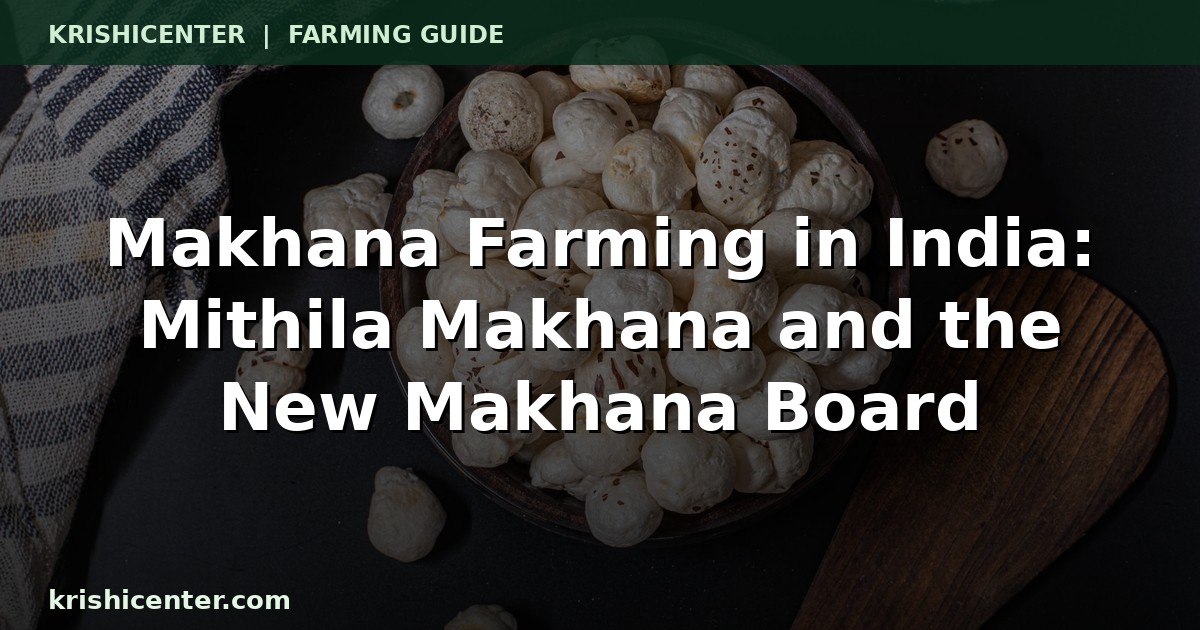
Makhana Farming in India: Mithila Makhana, the New Makhana Board and the Income Potential for Farmers / भारत में मखाना की खेती: मिथिला मखाना, नया मखाना बोर्ड और किसानों के लिए आय की संभावना
Makhana cultivation in Bihar is growing, supported by the National Makhana Board, fostering income and promoting valuable processing opportunities for farmers.
-

Bamboo Farming in India: The National Bamboo Mission and the Income Opportunity / भारत में बांस की खेती: राष्ट्रीय बांस मिशन और आय की संभावना
Bamboo, now a lucrative farm crop in India, has become essential due to reforms, offering sustainable returns and environmental benefits.
-
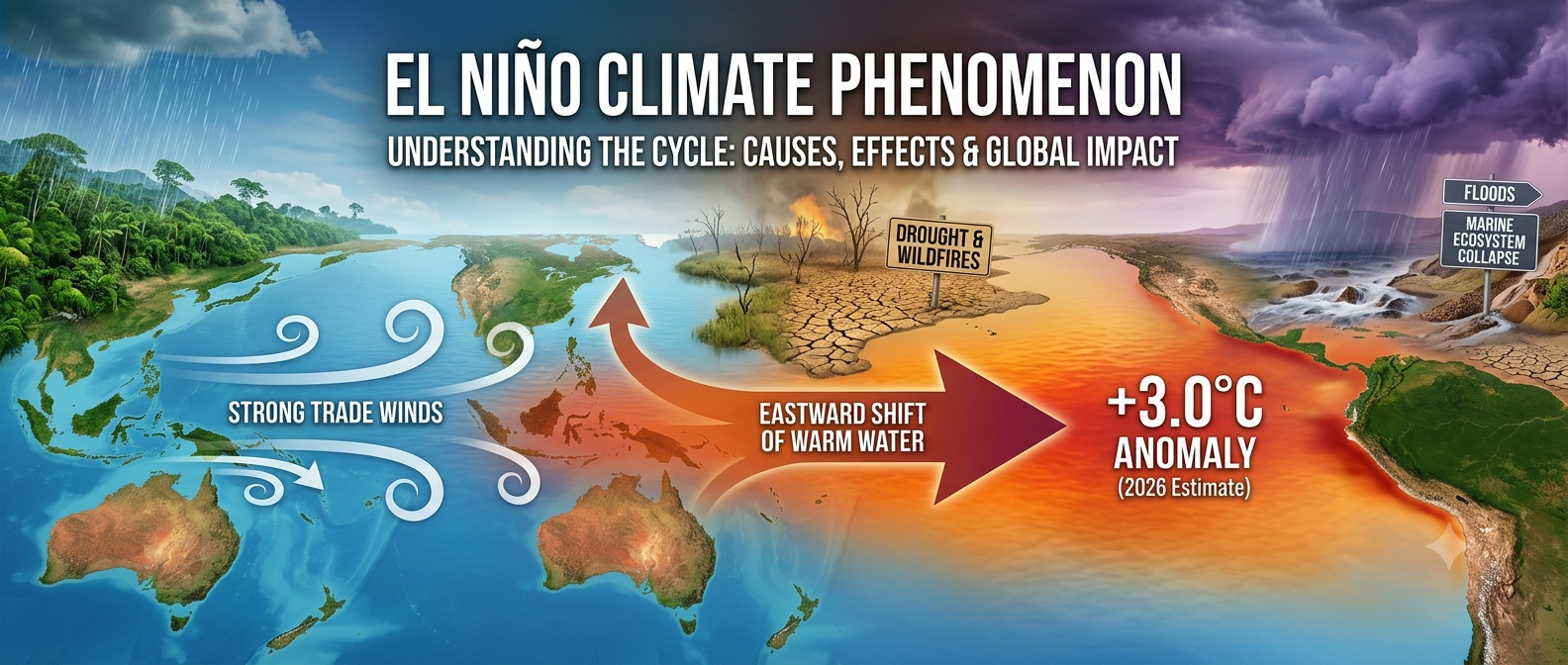
El Nino: Anatomy, Causes, Global Impact
El Niño is a significant climate driver that causes extreme weather globally, impacting agriculture, economies, and public health, particularly in India.
-
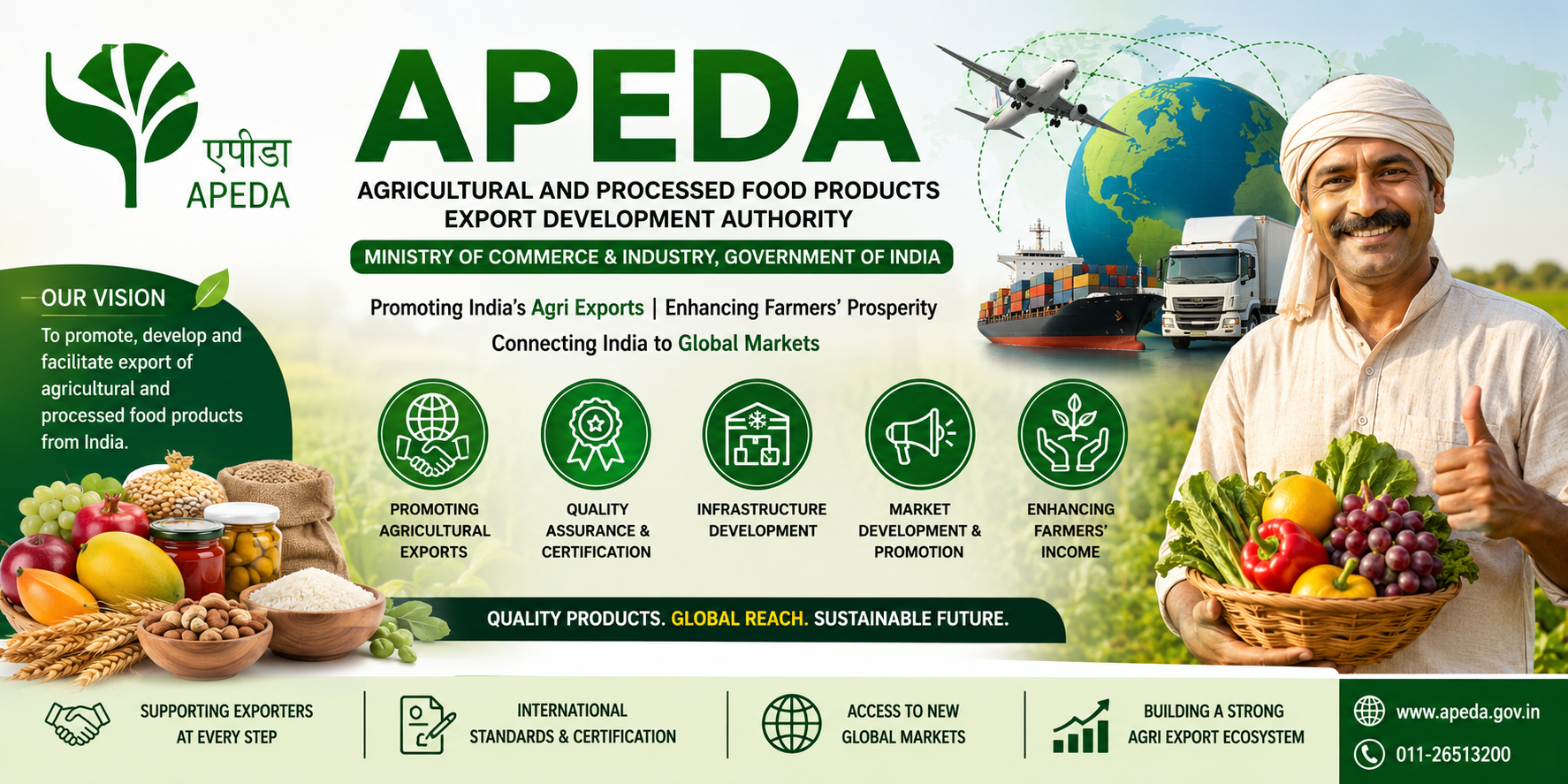
APEDA (Agricultural and Processed Food Products Export Development Authority)
APEDA promotes India’s agricultural and processed food exports, enhancing quality, market access, and farmer support since its establishment in 1986.
-
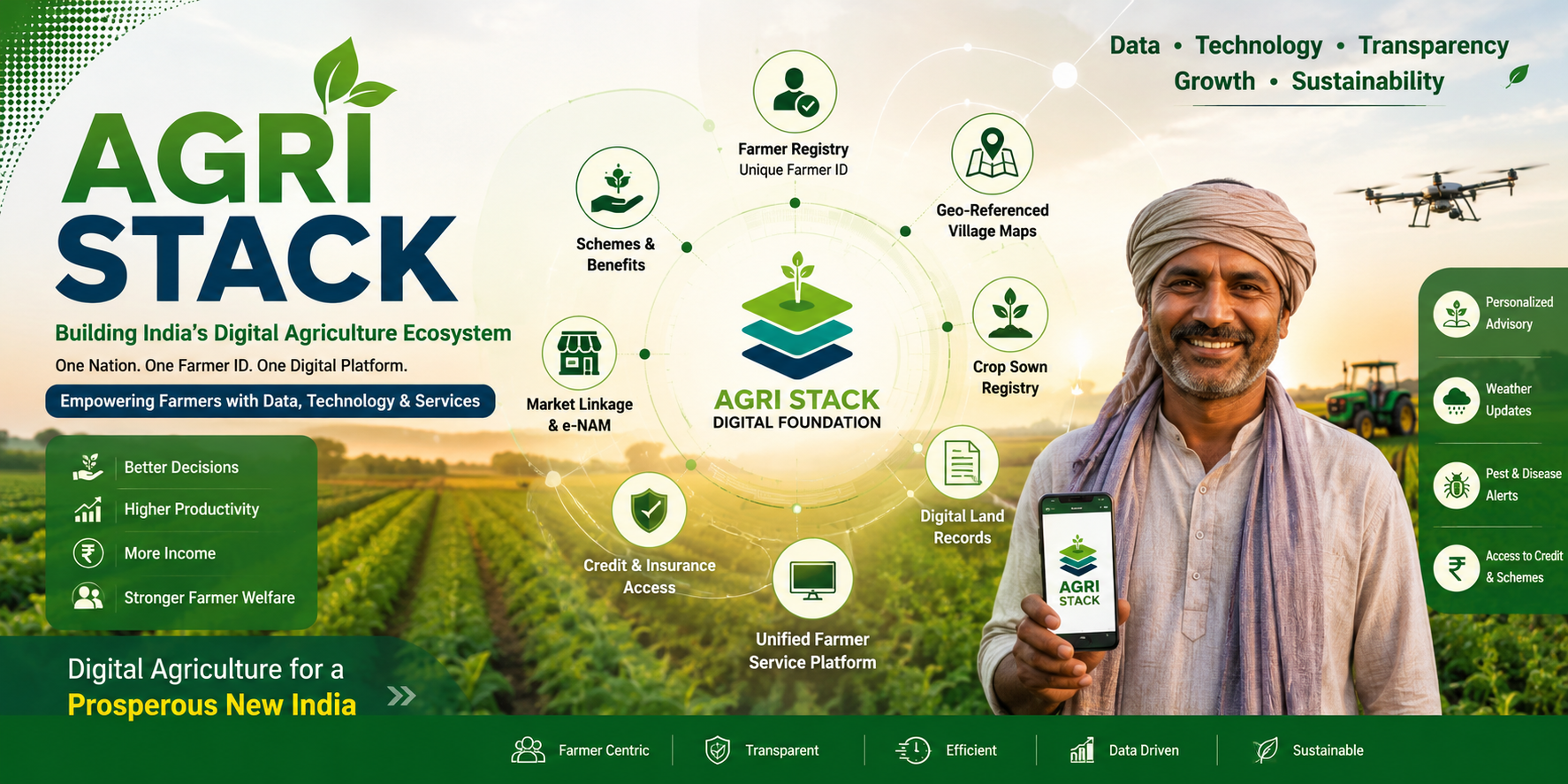
Agri Stack: India’s Digital Agriculture Ecosystem
Agri Stack is India’s digital agriculture framework aimed at improving farmer productivity, service delivery, and access to financial resources through technology integration.
-
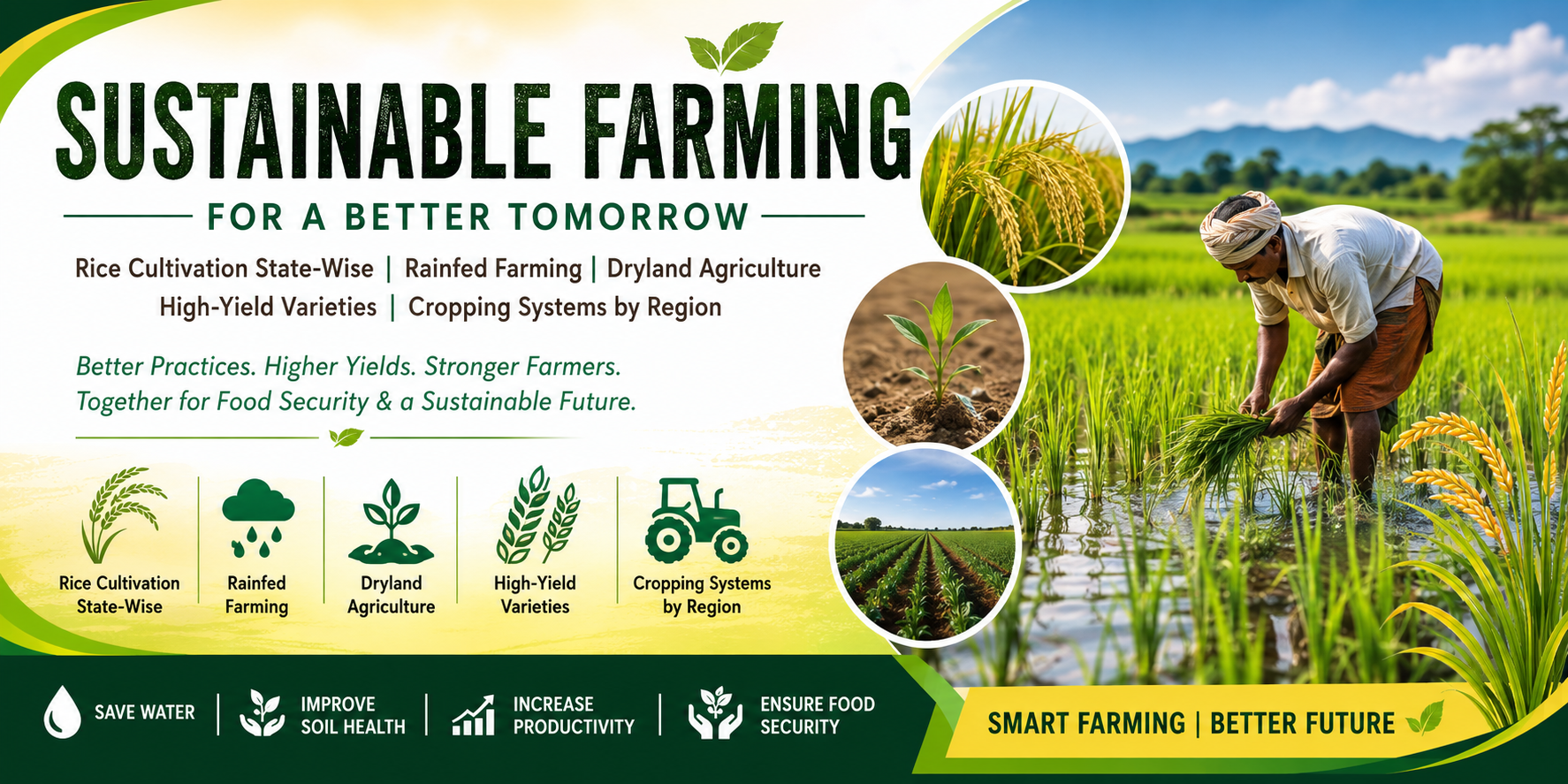
Rice Cultivation – Rainfed Farming, Dryland Agriculture & Cropping Systems
India’s rice cultivation varies by state, focusing on sustainable practices, high-yield varieties, and adapting to climate challenges for improved productivity.
-
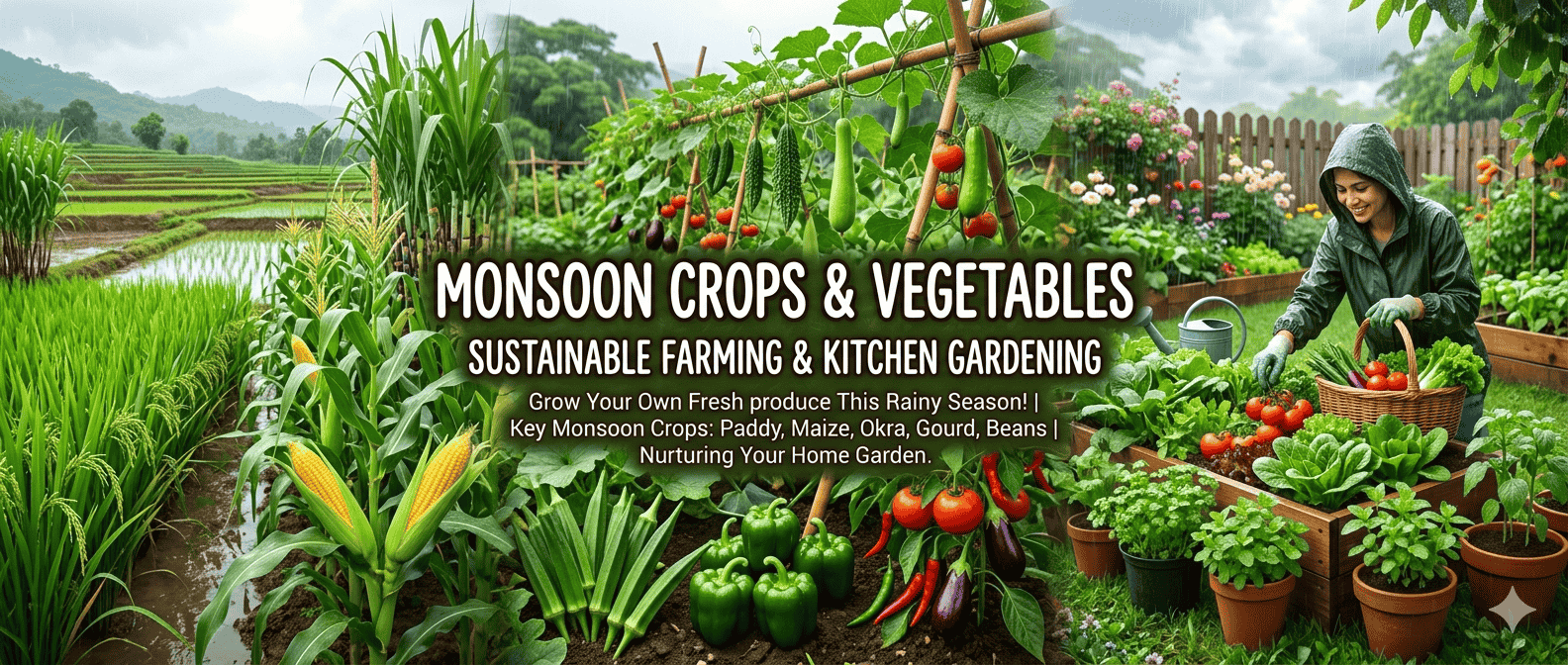
Monsoon Season Crops Farming Guide
Monsoon is crucial for Indian agriculture, benefiting crops through humidity and rain; proper management ensures optimal yields for various plants.
-
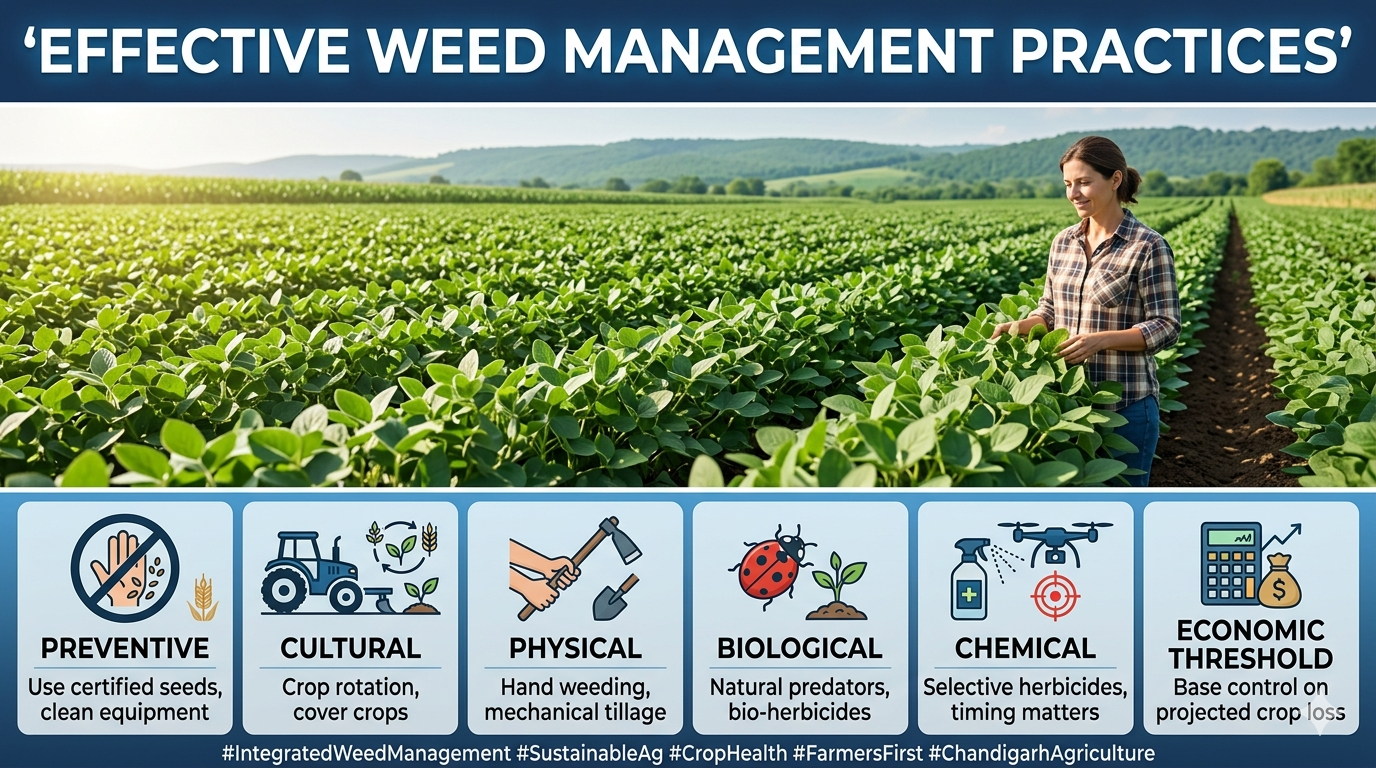
Weed Management Practices
Weed management combines preventive, cultural, physical, biological, and chemical strategies to enhance crop yields and resource efficiency.
-
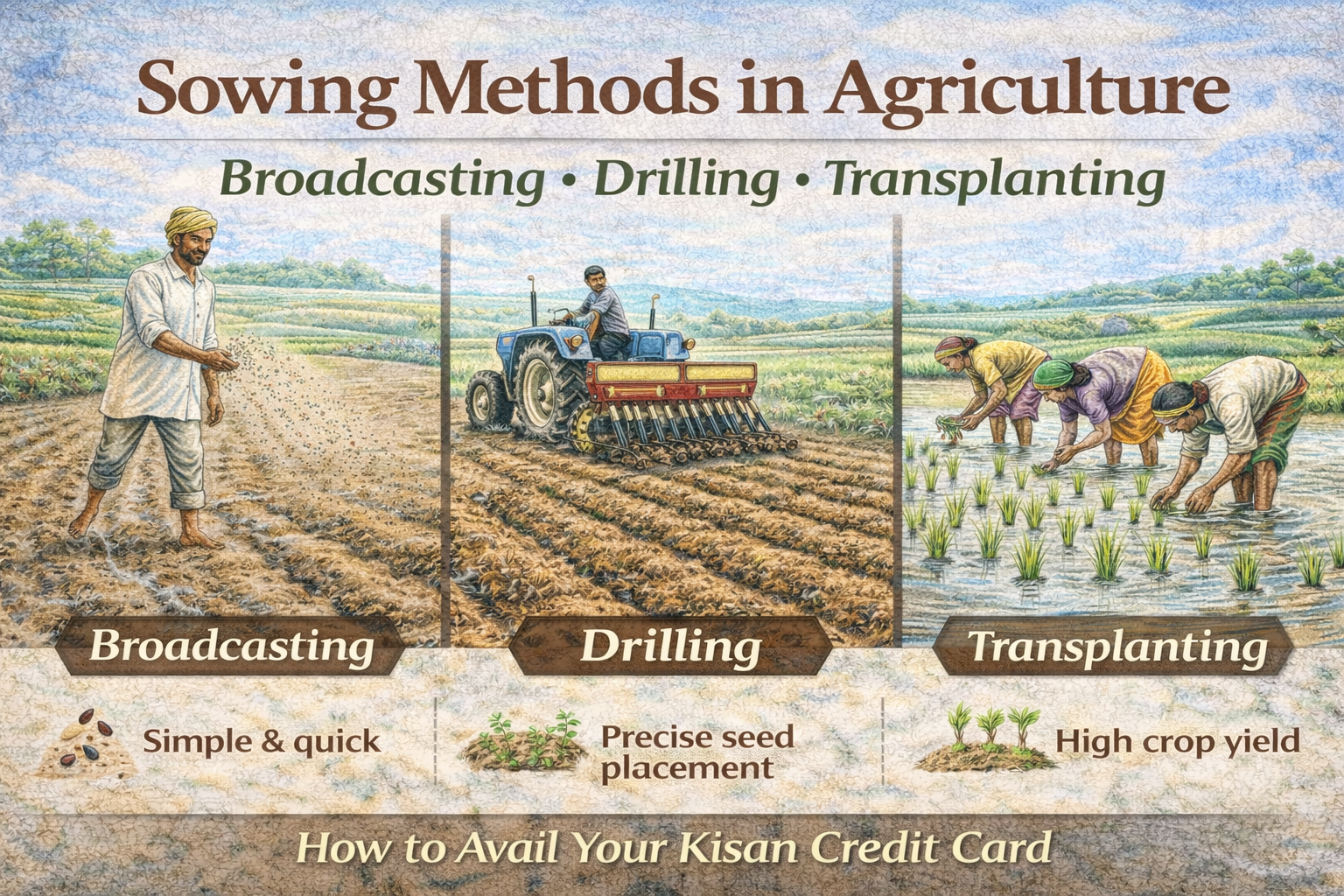
Sowing Methods in Agriculture: Broadcasting, Drilling, and Transplanting
Sowing is essential for crop growth, involving techniques like broadcasting, drilling, and transplanting, each with unique advantages, limitations, and suitable crops.
-
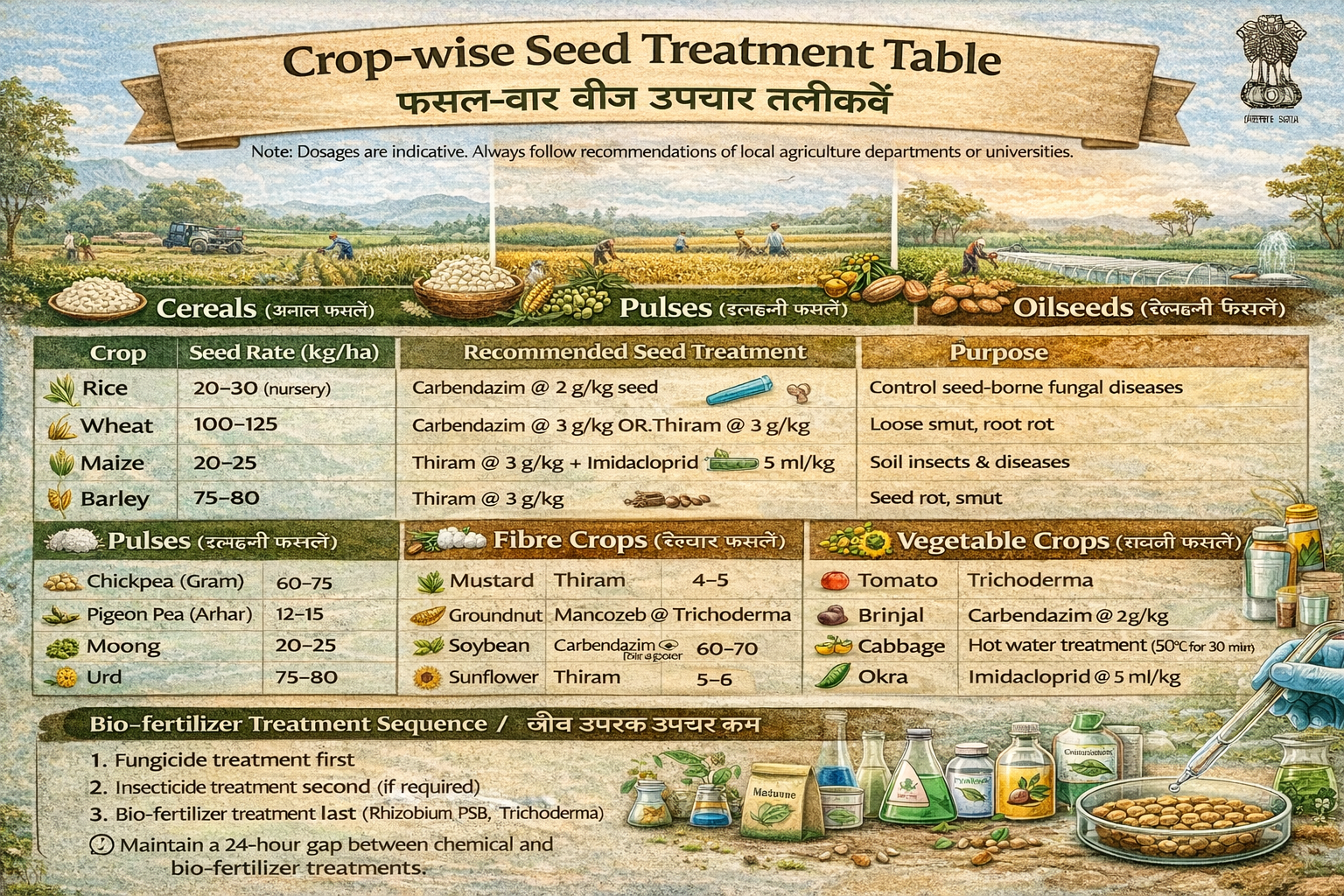
Seed Selection and Seed Treatment Techniques
Proper seed selection and treatment are vital for successful agriculture, ensuring high germination, pest resistance, and improved crop yields while supporting sustainable practices.
-
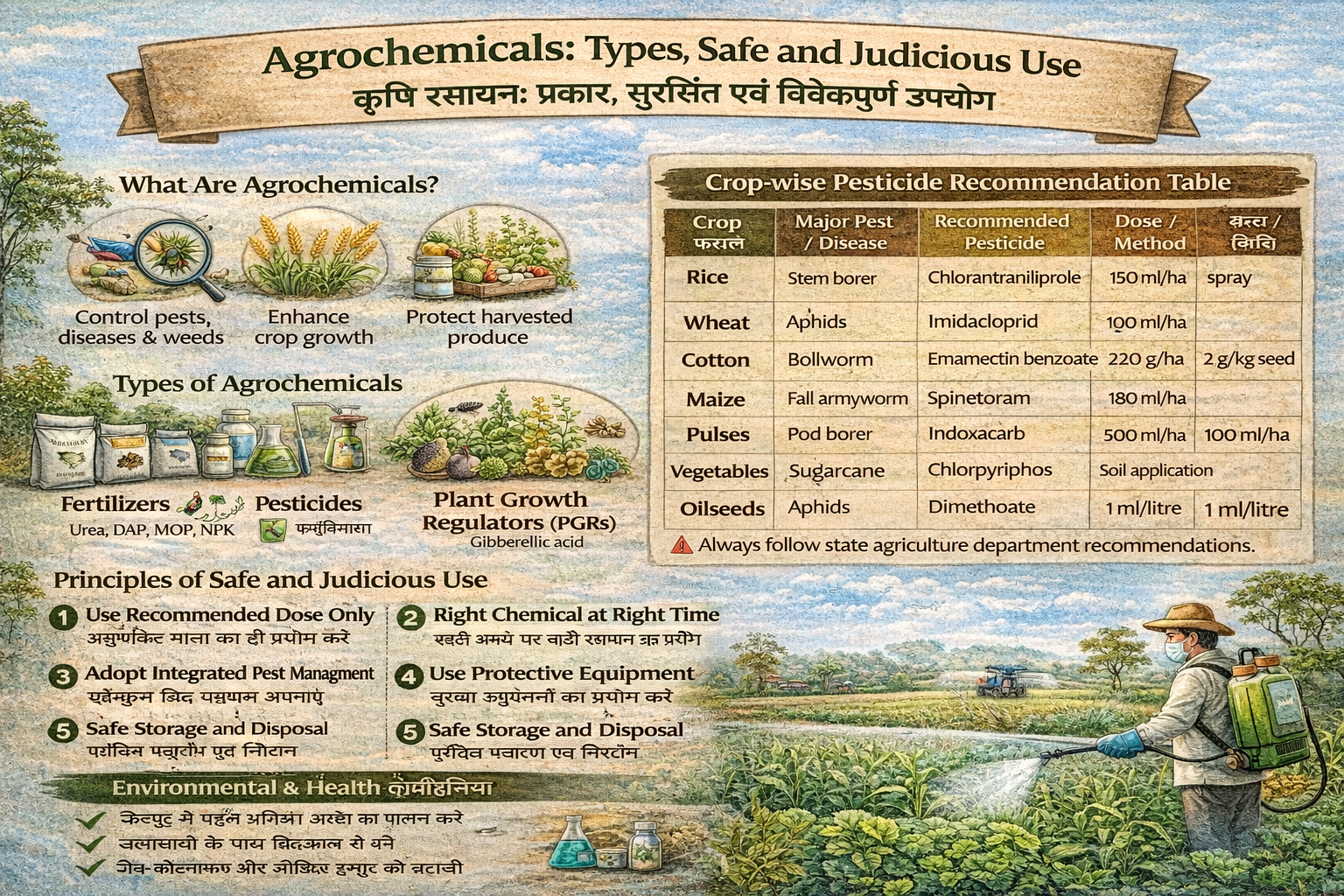
Agrochemicals – Types and Usage
Agrochemicals are vital for modern agriculture, enhancing crop growth and protecting against pests. Responsible usage is crucial to mitigate health and environmental risks.
-
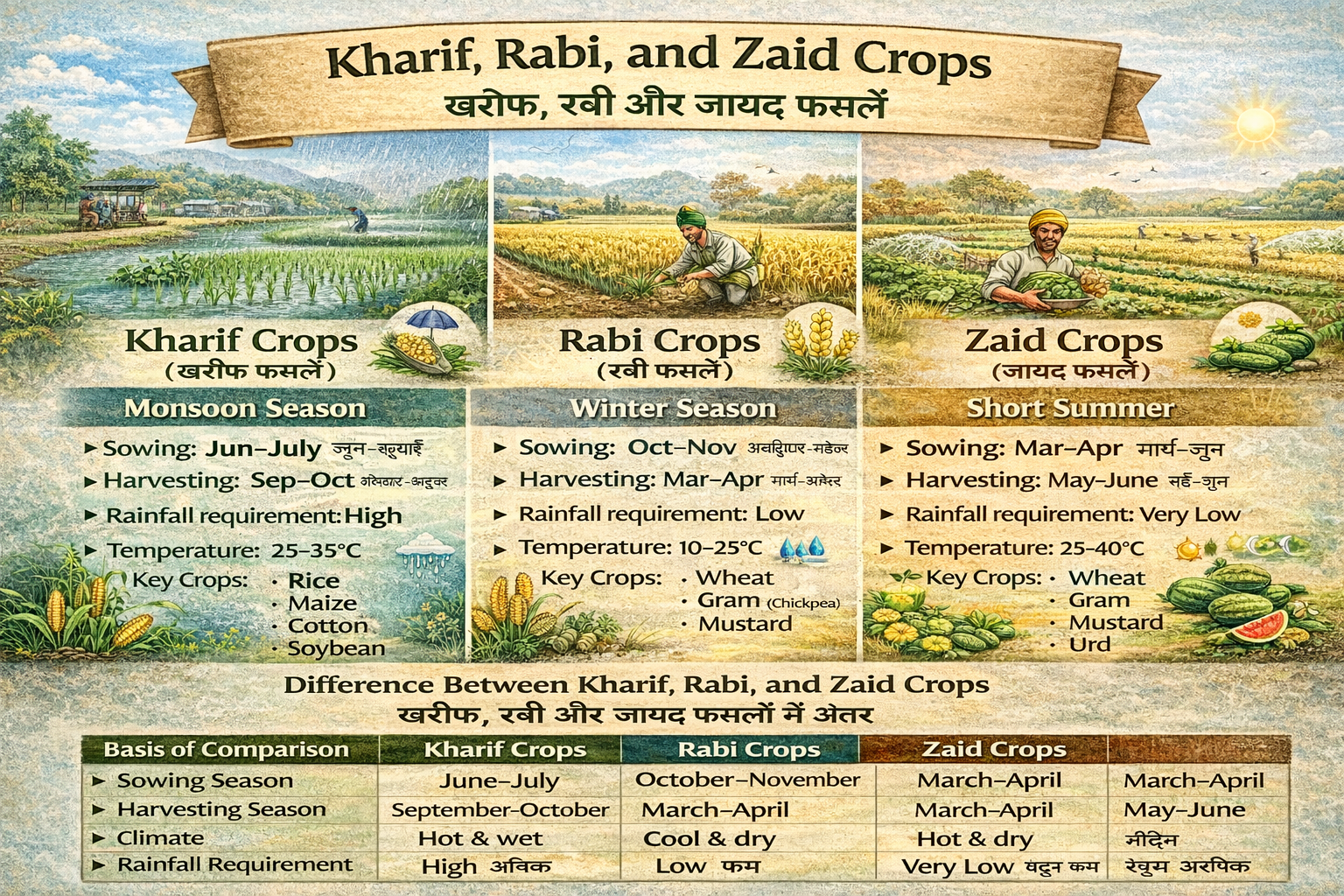
Kharif, Rabi, and Zaid Crops
Indian agriculture features three main crop seasons: Kharif, Rabi, and Zaid, each defined by distinct sowing times, climates, and irrigation needs for optimal productivity.
-
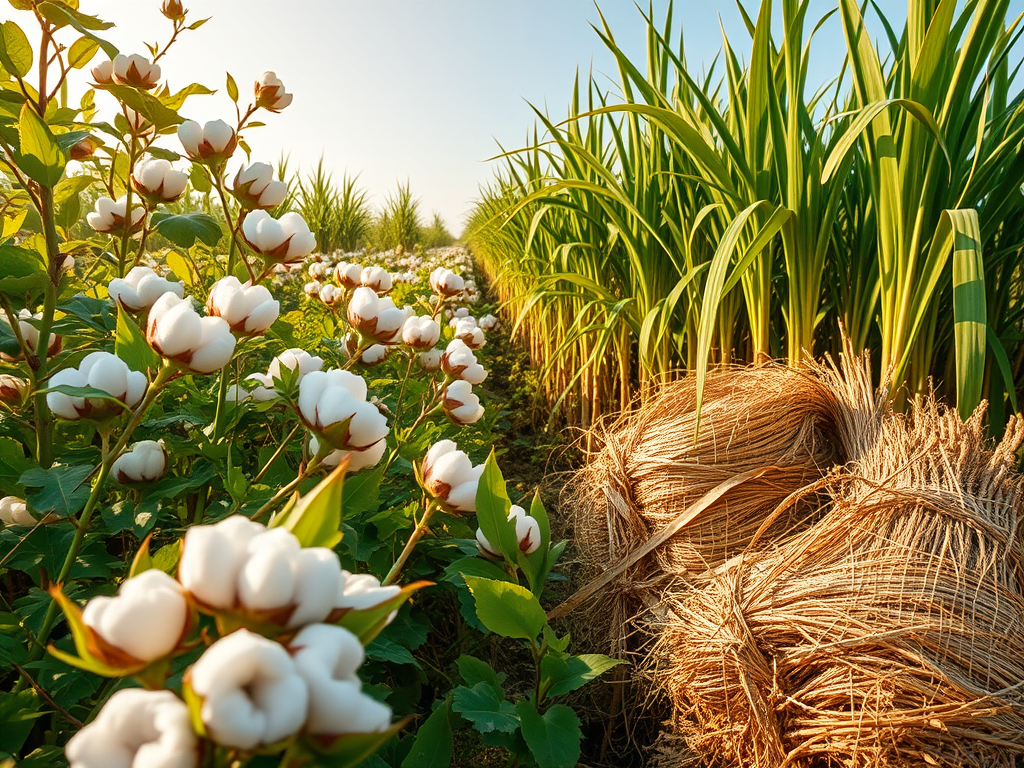
Cash Crops: Cotton, Sugarcane, and Jute
Cash crops like cotton, sugarcane, and jute drive India’s economy, providing income and employment while facing challenges like price volatility and climate risks.
-
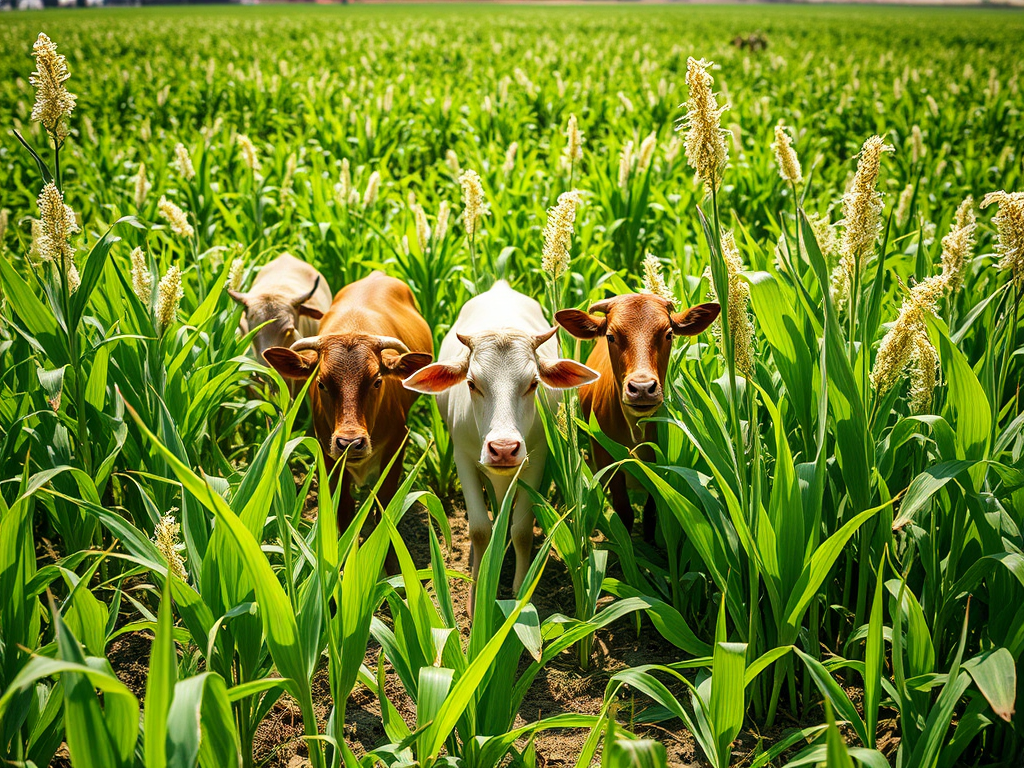
Fodder Crops for Livestock Farming
Fodder crops are essential for livestock health and productivity in India, significantly improving milk production and reducing feed costs through sustainable practices.
-
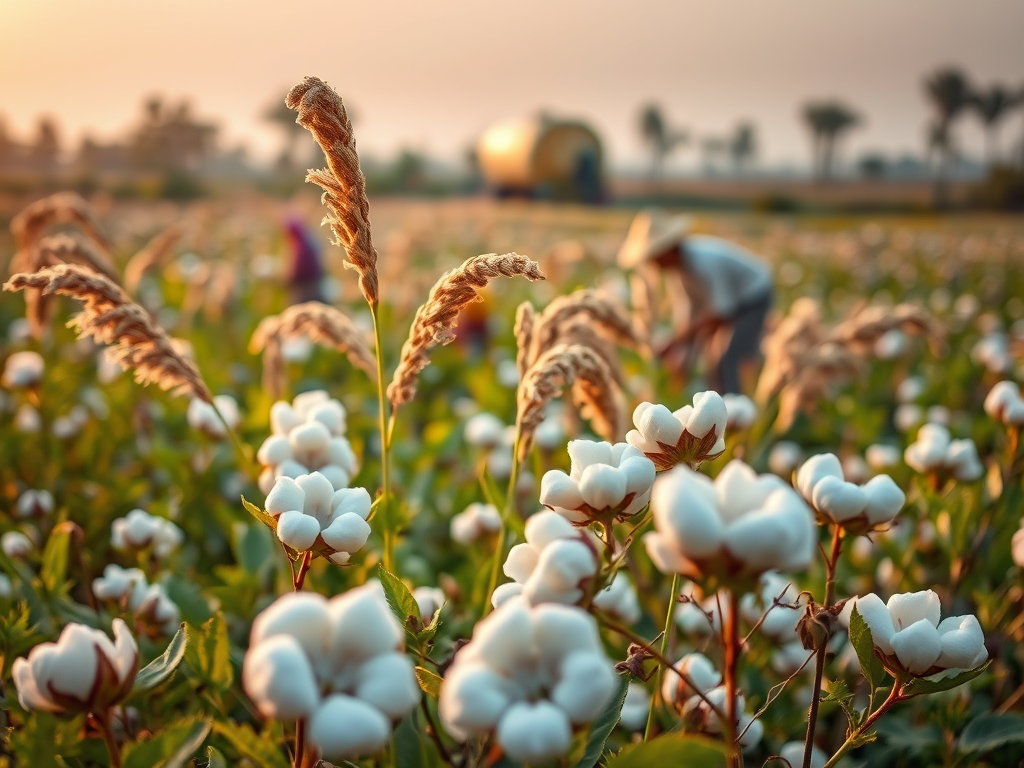
Fibre Crops and Their Economic Importance in India
Fibre crops are crucial for India’s economy, providing employment, supporting exports, and contributing to sustainable industries, with cotton and jute being primary examples.
-
National Rabi Campaign 2025
National Rabi Campaign 2025 | Crop diversification | Promote oilseeds, pulses, fiber, fruits | Increase farmers income, improve nutrition |Ensure sustainability
-
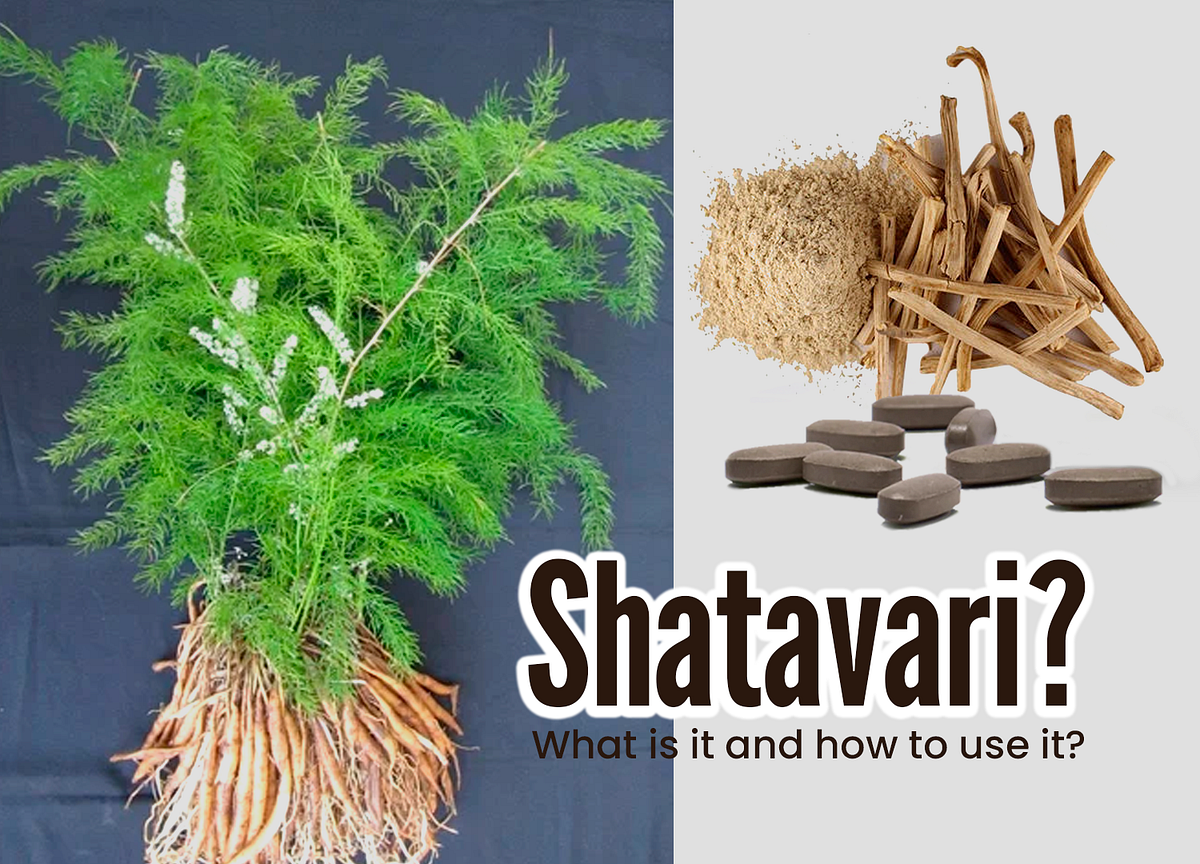
Shatavari: Farming Guide, Medicinal & Economic Value
Shatavari Farming | Shatavari medicinal plant in Ayurveda | Medicinal crops | Shatavari uses | Shatavari Powder | Grow Shatavari | Shatavari benefits for women
-
Plant Nutrients for Healthy Growth
Plants Nutrients Guide | Macronutrients | Micronutrients | Help Growth Process | Disease Control | Nutrient Deficiency Symptoms | Plant Food | Fertilizer Guide
-
Crop Diseases: Effects, Symptoms, Management
Crop diseases | Caused by pathogens like Fungi, Bacteria, and Viruses that reduce yield and quality. Effective treatment | Crop Care | Insecticide | Herbicides
-
Flaxseed (Linseed) Cultivation: A Detailed Guide
Flaxseed farming, covering climate, soil, land preparation, seed selection, irrigation, fertilizer requirement, weed and pest management, and post-harvest practices for optimal yield.

