
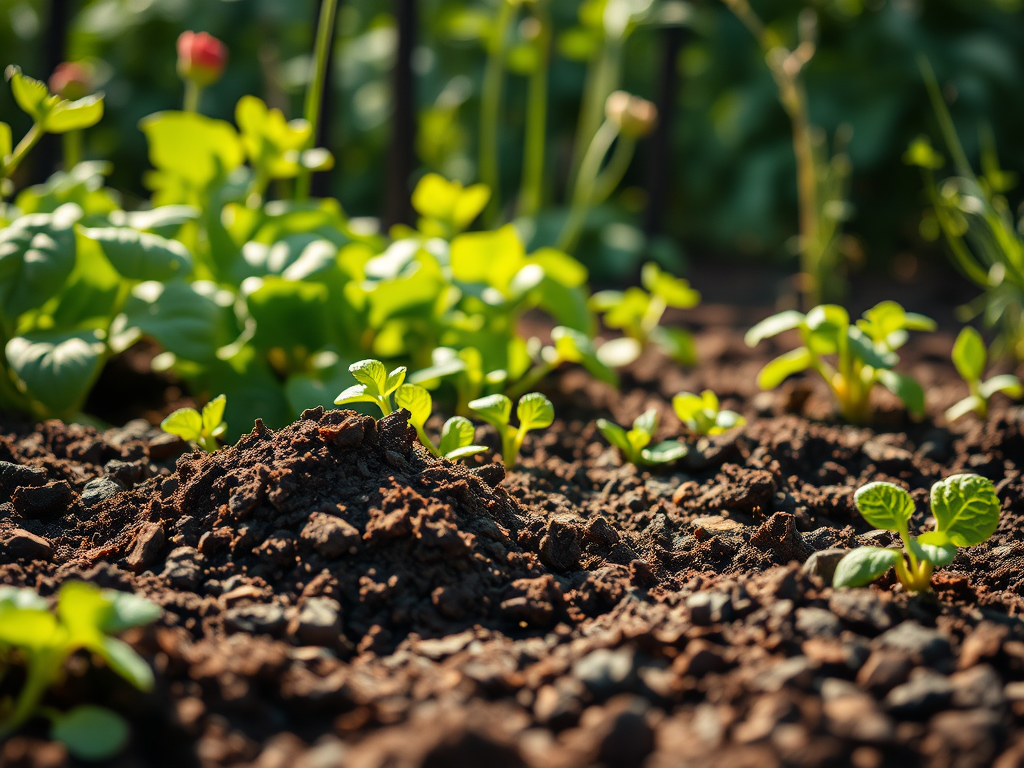
Manure and Organic Fertilizer: A Comprehensive Guide
Organic farming and sustainable agriculture have gained significant traction in recent years. This shift is due to the growing awareness of environmental issues. People recognize the negative impacts of synthetic fertilizers. In this context, manure and organic fertilizers play a crucial role. They improve soil health and increase crop yields. These practices also reduce the ecological footprint of farming practices.
This article will explore what manure and organic fertilizers are, their benefits, types, and how they compare to synthetic alternatives.
What is Manure?
Manure refers to organic matter, often derived from animal waste, that is used to fertilize soil. It is rich in nutrients like nitrogen (N), phosphorus (P), potassium (K), and trace minerals essential for plant growth. Manure also adds organic matter to the soil, improving its structure and water retention capacity.
Types of Manure
- Animal Manure: This is the most common type of manure and comes from livestock such as cows, chickens, horses, and pigs. It can be further classified based on its moisture content and the type of animal:
- Solid Manure: This is the most common form and consists of solid waste, bedding material, and straw.
- Liquid Manure: Also called slurry, it is typically more diluted and comes from liquid waste systems (e.g., pig or dairy farms).
- Composted Manure: This is manure that has been processed through composting. The process of composting helps break down pathogens and reduces the odor of raw manure. Composted manure also stabilizes the nutrients, making them more readily available to plants.
- Green Manure: Though technically not “manure” in the strictest sense, green manure refers to plants that are grown specifically to be incorporated into the soil to improve its fertility. Examples include clover, vetch, and alfalfa.
- Fish and Poultry Manure: These manures are particularly rich in nitrogen and phosphorus and are often used in organic gardening. Poultry manure, for example, is more potent than cow manure.
Benefits of Using Manure
- Soil Fertility: Manure is rich in essential nutrients, such as nitrogen, phosphorus, and potassium, which are key to promoting plant growth. These nutrients are slowly released into the soil, providing a long-lasting source of fertility.
- Improved Soil Structure: Manure adds organic matter to the soil, which improves its texture, structure, and drainage capabilities. This is particularly beneficial for clay-heavy soils, which can become compacted and waterlogged.
- Microbial Activity: The organic matter in manure promotes the growth of beneficial microorganisms in the soil, which help break down organic matter and make nutrients more available to plants.
- Carbon Sequestration: Using manure instead of synthetic fertilizers can help sequester carbon in the soil, contributing to the mitigation of climate change.
What is Organic Fertilizer?
Organic fertilizers are materials derived from natural sources that are used to enrich the soil and provide nutrients to plants. Unlike synthetic fertilizers, which are chemically manufactured, organic fertilizers are made from natural substances such as plant residues, animal by-products, or mineral deposits.
Types of Organic Fertilizers
- Animal-Based Organic Fertilizers: These include manures (as discussed above). They can also refer to products such as bone meal, blood meal, and fish emulsion.
- Bone Meal: Made from ground-up bones, this fertilizer is rich in phosphorus, a key nutrient for root development.
- Blood Meal: A high-nitrogen fertilizer made from dried blood, often used to promote leafy growth.
- Fish Emulsion: A liquid fertilizer made from fish by-products, which is rich in nitrogen and micronutrients.
- Plant-Based Organic Fertilizers: These are derived from plant materials like seaweed, compost, and algae.
- Compost: Decomposed organic matter that provides a balanced source of nutrients. It also improves soil structure and promotes beneficial microbial life.
- Seaweed: Rich in micronutrients, seaweed-based fertilizers promote plant growth and stress resistance.
- Green Manure: As mentioned earlier, green manure involves growing specific plants to improve soil fertility.
- Mineral-Based Organic Fertilizers: These include naturally occurring minerals such as rock phosphate, gypsum, and dolomitic lime.
- Rock Phosphate: A slow-release source of phosphorus, ideal for long-term soil fertility.
- Gypsum: Adds calcium and sulfur to the soil, improving soil structure and nutrient uptake.
- Dolomitic Lime: Raises soil pH and adds calcium and magnesium, important for maintaining optimal soil conditions for plant growth.
Benefits of Organic Fertilizers
- Nutrient-Rich: Organic fertilizers provide a well-rounded blend of macronutrients (N, P, K) and micronutrients that are important for plant health.
- Slow-Release: Organic fertilizers release nutrients slowly over time, reducing the risk of nutrient leaching and providing a steady supply of food for plants.
- Improves Soil Health: Organic fertilizers enhance soil structure by increasing its organic matter content. This leads to better water retention, improved aeration, and greater microbial diversity.
- Eco-Friendly: Organic fertilizers are typically more environmentally friendly than synthetic options, as they are biodegradable, and their production has a lower environmental impact.
- Reduced Risk of Over-Fertilization: Because organic fertilizers release nutrients gradually, there is less risk of over-fertilization compared to chemical fertilizers, which can result in nutrient imbalances or contamination of water systems.
Manure vs. Organic Fertilizers: A Comparison
While manure is a type of organic fertilizer, there are some key differences between the two:
| Feature | Manure | Organic Fertilizers |
|---|---|---|
| Source | Animal waste, bedding, and plant residues | Plant, animal, or mineral-based sources |
| Nutrient Content | Rich in N, P, K, but varies widely | Balanced mix of macro and micronutrients |
| Application Rate | Needs to be composted or aged to reduce pathogens and odors | Generally ready to use or easier to apply in controlled doses |
| Soil Benefits | Improves soil structure, microbial life, and adds nutrients | Improves soil fertility, microbial diversity, and structure |
| Environmental Impact | Reduces waste, can be locally sourced | Eco-friendly, often sustainable production methods |
| Release of Nutrients | Slow-release, depending on composition | Slow to medium release, depending on the type |
How to Apply Manure and Organic Fertilizers
- Manure:
- Fresh vs. Aged: Fresh manure can burn plants due to its high nitrogen content. It’s best to allow it to age or compost for a few months before applying it to your garden.
- Application Rate: Use about 20-30 tons of manure per acre for vegetable gardens and fields, but be sure to test the soil regularly to avoid over-application.
- Compost and Organic Fertilizers:
- Composting: Mix compost with the soil before planting or apply it as a top dressing after sowing.
- Liquid Organic Fertilizers: These can be diluted in water and applied as a foliar spray or watered into the soil.
- Solid Organic Fertilizers: Typically applied by broadcasting (spreading) over the soil surface or incorporating them into the soil.
Conclusion
Manure and organic fertilizers are essential tools in sustainable farming and gardening practices. They not only improve soil fertility but also enhance its structure, increase microbial diversity, and contribute to a healthier ecosystem. While manure offers a nutrient-rich, natural option, organic fertilizers provide a more balanced and controlled approach to feeding plants. By using both, gardeners and farmers can promote long-term soil health and improve crop yields, all while minimizing the impact on the environment.

 KrishiCenter
Leave a reply to How to Prepare Soil for Garlic and Onions – KrishiCenter Cancel reply