
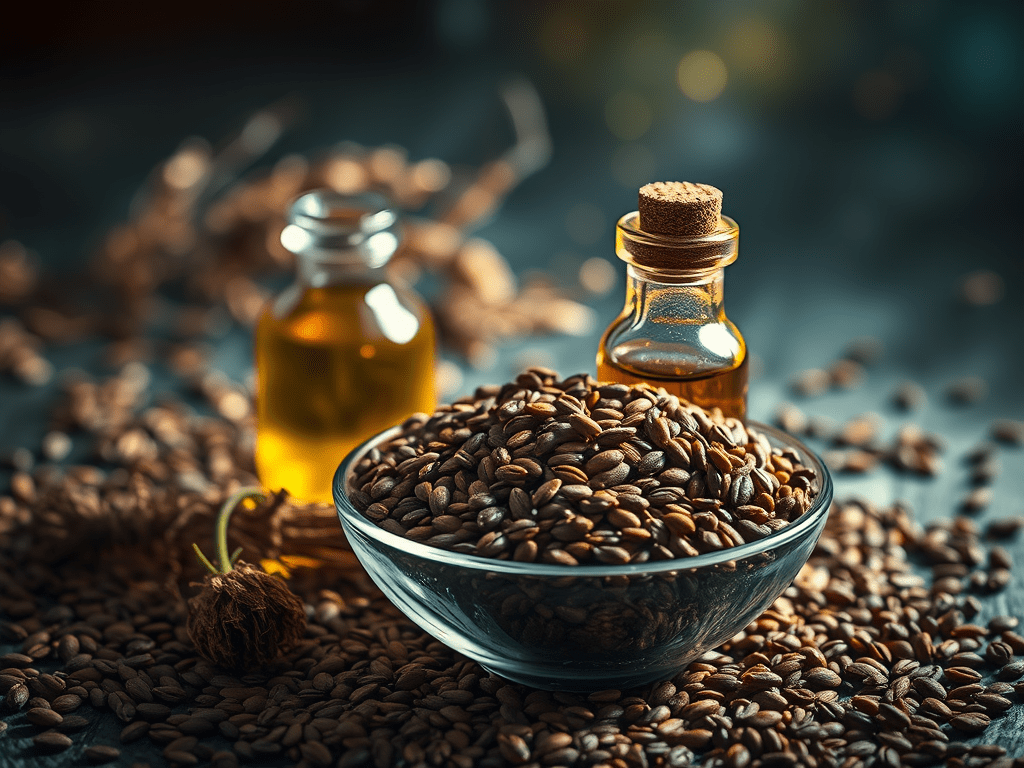
A Detailed Article on Flaxseeds: The Nutrient Powerhouse
Flaxseeds अलसी, derived from the flax plant (Linum usitatissimum), have been cultivated for thousands of years. They are one of the oldest crops known to humankind and have been prized for both their nutritional value and medicinal properties. In recent years, flaxseeds have gained significant attention as a superfood due to their impressive range of health benefits. This article dives deep into the various aspects of flaxseeds, from their nutritional composition to their potential health benefits, and how to incorporate them into your diet.
Nutritional Composition of Flaxseeds
Flaxseeds are tiny brown or golden seeds that pack a significant nutritional punch. Here’s a breakdown of the key nutrients found in flaxseeds:
- Omega-3 Fatty Acids (ALA): One of the most notable features of flaxseeds is their high content of alpha-linolenic acid (ALA), a type of omega-3 fatty acid. ALA is an essential fat that our bodies cannot produce, so we must obtain it from our diet. Flaxseeds are one of the richest plant-based sources of omega-3s.
- Dietary Fiber: Flaxseeds are an excellent source of both soluble and insoluble fiber. About 2 tablespoons (14 grams) of flaxseeds provide around 3 grams of fiber, which is about 10% of the daily recommended intake. This fiber content aids in digestion, supports gut health, and helps regulate blood sugar levels.
- Protein: Flaxseeds contain a good amount of plant-based protein. Around 2 tablespoons provide 1.5 grams of protein, which can support muscle growth and repair.
- Lignans: Flaxseeds are particularly rich in lignans, a type of phytoestrogen that has antioxidant properties. Lignans are known for their potential to help balance hormones, improve heart health, and reduce the risk of certain cancers.
- Vitamins and Minerals: Flaxseeds provide an impressive range of vitamins and minerals, including:
- Vitamin B1 (Thiamine): Important for energy metabolism and nerve function.
- Vitamin B6: Essential for brain development and function.
- Folate: Important for DNA synthesis and cell division.
- Magnesium: Vital for muscle function, nerve function, and bone health.
- Manganese: Important for bone formation and metabolism.
- Phosphorus: Essential for the formation of bones and teeth.
- Antioxidants: Flaxseeds are loaded with antioxidants, particularly lignans, which help neutralize free radicals and reduce oxidative stress in the body.
Health Benefits of Flaxseeds
Flaxseeds are often touted as a superfood due to their potential health benefits. Here are some of the most well-researched and promising advantages:
- Promotes Heart Health
- Omega-3 Fatty Acids: The ALA in flaxseeds has been linked to a reduction in the risk of cardiovascular disease. Omega-3s help lower blood pressure, reduce cholesterol levels, and prevent plaque formation in arteries.
- Lignans: These compounds may reduce the risk of heart disease by improving cholesterol levels and lowering inflammation.
- Supports Digestive Health
- Dietary Fiber: The fiber in flaxseeds supports digestive health by promoting regular bowel movements and preventing constipation. The soluble fiber also acts as a prebiotic, nourishing beneficial gut bacteria.
- Gut Health: Some studies suggest that the lignans in flaxseeds can improve gut microbiota composition, contributing to better overall gut health.
- May Help with Weight Management
- Satiety: The high fiber and healthy fat content in flaxseeds can help you feel fuller for longer, potentially reducing overall calorie intake and aiding in weight management.
- Metabolism Boost: Flaxseeds have been shown to have a modest effect on metabolism, particularly in terms of regulating blood sugar levels and improving insulin sensitivity.
- Cancer Prevention
- Lignans and Phytoestrogens: Some studies have suggested that flaxseeds, due to their high lignan content, may have anti-cancer properties, particularly in hormone-related cancers like breast and prostate cancer. Lignans are believed to help balance hormone levels and inhibit cancer cell growth.
- Improves Skin and Hair Health
- Omega-3 Fatty Acids: The healthy fats in flaxseeds help keep the skin hydrated, reducing the appearance of dry skin, eczema, and acne. Omega-3s also nourish the scalp, leading to stronger hair and reduced hair loss.
- Anti-Inflammatory Properties: The anti-inflammatory compounds in flaxseeds may help reduce skin conditions like acne, psoriasis, and rosacea.
- Supports Hormonal Balance
- Phytoestrogens: Lignans in flaxseeds act as phytoestrogens, which are plant-based compounds that mimic the action of estrogen in the body. This can be beneficial for women going through menopause, as lignans may help alleviate hot flashes and other menopausal symptoms.
- Reduces Inflammation
- Chronic inflammation is associated with numerous health conditions, including heart disease, diabetes, and arthritis. The omega-3 fatty acids, antioxidants, and lignans in flaxseeds work together to reduce inflammatory markers in the body.
How to Incorporate Flaxseeds Into Your Diet
Flaxseeds are versatile and can be easily incorporated into a variety of dishes. Here are some simple ways to include them in your daily routine:
- Ground Flaxseeds: Whole flaxseeds are difficult to digest, so it’s better to consume them in ground form. You can buy pre-ground flaxseed or grind them at home using a blender or coffee grinder.
- Smoothies: Add a tablespoon of ground flaxseed to your morning smoothie for a nutritional boost. It blends well with fruits, greens, and protein powders.
- Baking: Flaxseeds can be added to baked goods like muffins, pancakes, and bread. You can also make flaxseed meal and use it as an egg substitute in vegan baking.
- Yogurt or Oatmeal: Stir ground flaxseed into your yogurt, overnight oats, or porridge. The nutty flavor complements these breakfast options.
- Salads: Sprinkle whole or ground flaxseeds on salads for added crunch and nutrition.
- Energy Bars and Snacks: Many store-bought or homemade energy bars and granola recipes incorporate flaxseeds for an extra dose of fiber and healthy fats.
- Flaxseed Oil: Flaxseed oil can be used as a salad dressing or added to smoothies. However, it should not be used for cooking at high temperatures, as heat can destroy its delicate omega-3 fatty acids.
Growing flax (Linum usitatissimum) — अलसी के बीज या तीसी के बीज the plant that produces flaxseeds (also called linseeds) — is actually quite simple! It’s a hardy annual that thrives in cool climates and doesn’t require much maintenance. Here’s a full guide:
🌱 1. Choose the Right Variety
There are two main types of flax:
- Fiber flax — grown for linen production.
- Seed flax — grown for its edible seeds and oil.
For flaxseeds, choose a seed flax variety (often labeled “oilseed flax” or “linseed”).
☀️ 2. Pick the Right Site
- Sun: Full sun (at least 6 hours/day).
- Soil: Loamy, well-drained soil.
- pH: Slightly acidic to neutral (6.0–7.5).
- Avoid: Heavy clay or waterlogged areas — flax dislikes “wet feet.”
🌾 3. Prepare the Soil
- Loosen the soil to about 6 inches (15 cm) deep.
- Mix in compost or aged manure to enrich it.
- Rake it smooth and level — flax prefers a fine seedbed.
🌼 4. Sow the Seeds
- Timing: Early spring — as soon as the soil can be worked (similar to peas or spinach).
- Depth: ¼–½ inch (0.5–1.2 cm).
- Spacing:
- For seed production: 4–6 inches (10–15 cm) apart.
- For fiber production: sow more densely (1–2 inches apart) to encourage tall, straight stems.
- Water: Gently but thoroughly after sowing.
💧 5. Care and Maintenance
- Water: Keep soil evenly moist, especially during germination and early growth.
- Weeds: Weed early — flax seedlings don’t compete well.
- Fertilizer: Generally not needed if soil is fertile. Avoid high nitrogen (it causes floppy plants).
🌸 6. Flowering and Maturity
- Flax blooms about 50–60 days after sowing — beautiful pale blue flowers that last only a day each, but the plant keeps blooming for a few weeks.
- Seed pods (bolls) form soon after flowering.
🌾 7. Harvesting Seeds
- When: About 90–110 days after planting, when bolls turn golden brown and begin to rattle.
- How: Pull up the whole plant or cut it at the base.
- Dry: Hang or spread in a dry, airy place for 2–3 weeks.
- Thresh: Rub or crush the dried pods to release the seeds.
🏺 8. Storing Flaxseeds
- Dry seeds completely before storing.
- Keep in an airtight container in a cool, dark place.
- For long-term storage, refrigerate or freeze to prevent rancidity.
🌿 Bonus Tips
- Succession planting: You can sow a new patch every 2–3 weeks for a continuous harvest (in mild climates).
- Pollinators: Flax flowers attract bees and other beneficial insects.
- Companions: Grows well with herbs, carrots, and potatoes; avoid heavy feeders like corn.
Potential Risks and Considerations
While flaxseeds are packed with health benefits, it’s important to consume them in moderation and consider the following:
- Excess Fiber: Flaxseeds are high in fiber, so eating too many in a short period can lead to bloating, gas, or digestive discomfort. Start with small amounts and gradually increase intake.
- Hormonal Effects: Because flaxseeds contain phytoestrogens (lignans), women with hormone-sensitive conditions (like breast cancer) should consult their doctor before consuming large amounts.
- Interactions with Medications: Flaxseed oil or supplements may interact with blood-thinning medications (like warfarin) or medications for high blood pressure. Always check with your healthcare provider before adding flaxseeds to your routine if you are on medication.
- Cyanogenic Compounds: Raw flaxseeds contain small amounts of cyanogenic compounds, which can be toxic in large amounts. However, the quantities in flaxseeds are very low, and consuming them in moderation is safe. Cooking or grinding flaxseeds reduces the risk of toxicity.
Conclusion
Flaxseeds are a nutrient-dense food that offers a variety of health benefits, including supporting heart health, improving digestion, aiding in weight management, and possibly reducing the risk of certain cancers. With their high omega-3 content, fiber, protein, and antioxidants, flaxseeds are a powerful addition to any diet. Whether added to smoothies, baked goods, or salads, flaxseeds are easy to incorporate into your daily meals.
However, as with all foods, moderation is key, and it’s always a good idea to consult with a healthcare provider if you have any specific health concerns or conditions. When consumed as part of a balanced diet, flaxseeds can help you unlock a wealth of nutritional benefits.


Leave a Reply