
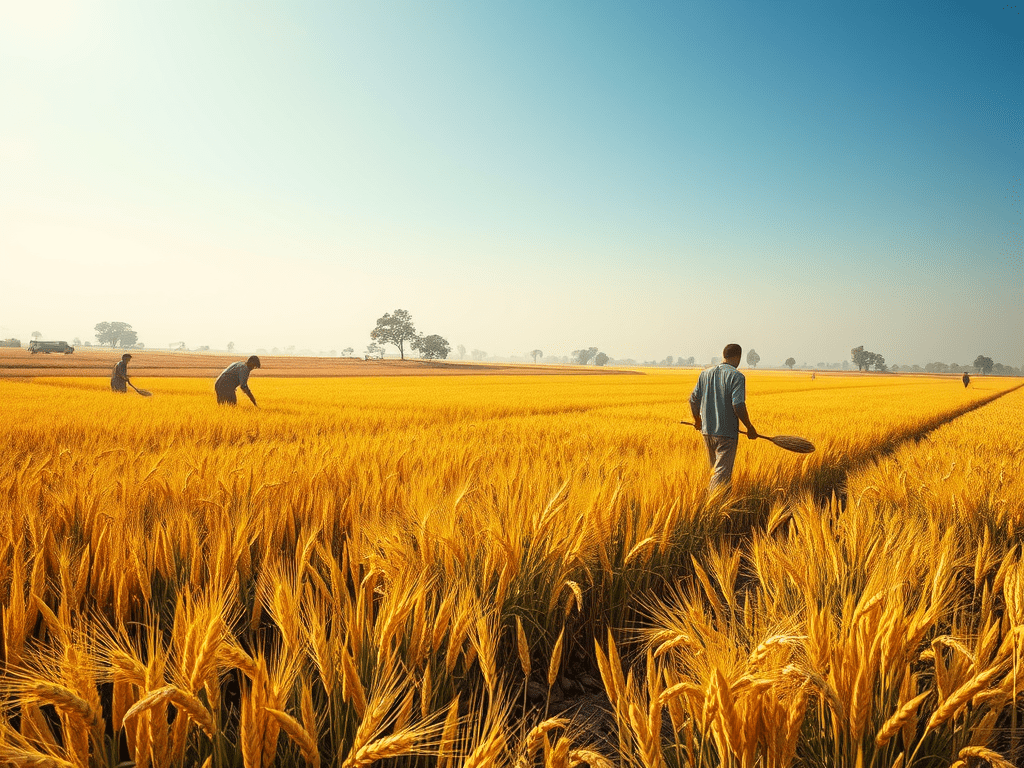
What is Rabi Season?
The Rabi season in India refers to the winter cropping season, typically spanning from October-November to March-April. It’s characterized by crops that are sown in the winter and harvested in the spring. Key Rabi crops include wheat, barley, mustard, and gram.
Rabi Crops are harvested in the spring season while it is sown in winter. The Rabi crops are sown around mid-November. This is preferably after the monsoon rains are over. Harvesting begins in April or May. The crops are grown either with rainwater that has percolated into the ground or using irrigation. A good rain in winter spoils the Rabi crops but is good for Kharif crops.
What are Rabi Season Crops?
Rabi crops are winter crops grown in India from October to March. They are sown during the winter and harvested in the spring. Examples include wheat, barley, oats, mustard, peas, and gram. Other Rabi crops include lentils, cumin, coriander, and sunflower
Sowing Period for Rabi Crops:
Rabi crops are sown in the post-monsoon period, generally from October to December. This timing is crucial as it allows the crops to gain from the winter rains brought by western disturbances.
Harvesting Period for Rabi Crops:
The harvesting of Rabi crops usually takes place between March and April.
Climate Requirements for Rabi Crops:
Rabi crops generally require cooler temperatures and are well-suited to the winter season. They also need less water compared to Kharif crops, making them suitable for regions with limited irrigation.
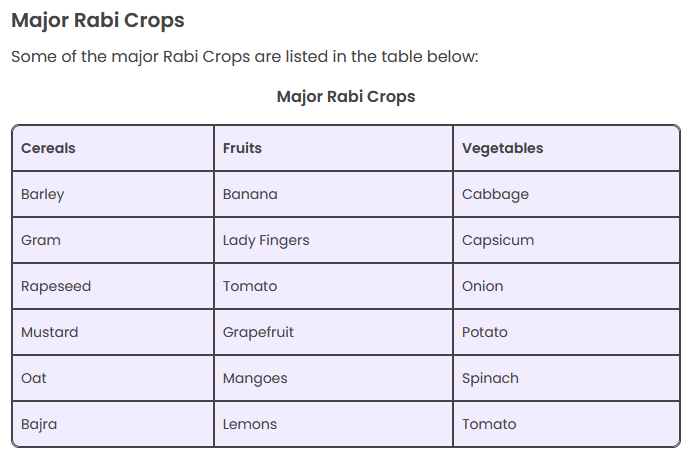
Common Rabi Crops:
Some of the most important Rabi crops include:
Regional Significance of Rabi Season:
The Rabi season is particularly important in the northern and northwestern parts of India. States like Punjab, Haryana, and Uttar Pradesh are major producers of Rabi crops.
Pest and Disease Risks to Rabi Crops
Rabi crops face threats from aphids, pod borers, and fungal diseases, especially when winter is prolonged. Common issues include:
Conclusion
Proper timing of sowing, seed treatment, and crop rotation are effective strategies to prevent such issues. By using digital solutions, farmers can adopt precision farming practices that not only improve yield but also reduce costs. We can connect farmers with government schemes. These include insurance products tailored to their region. This ensures both financial safety and agronomic efficiency. Embracing farming guide information through KrishiCenter can truly transform Rabi cultivation into a profitable and future-ready enterprise.

