

Sure — here’s your clean, link-free version of the article with visuals and formatting intact.
🌿 The Incredible Benefits of Green Vegetables: Nature’s Nutrient

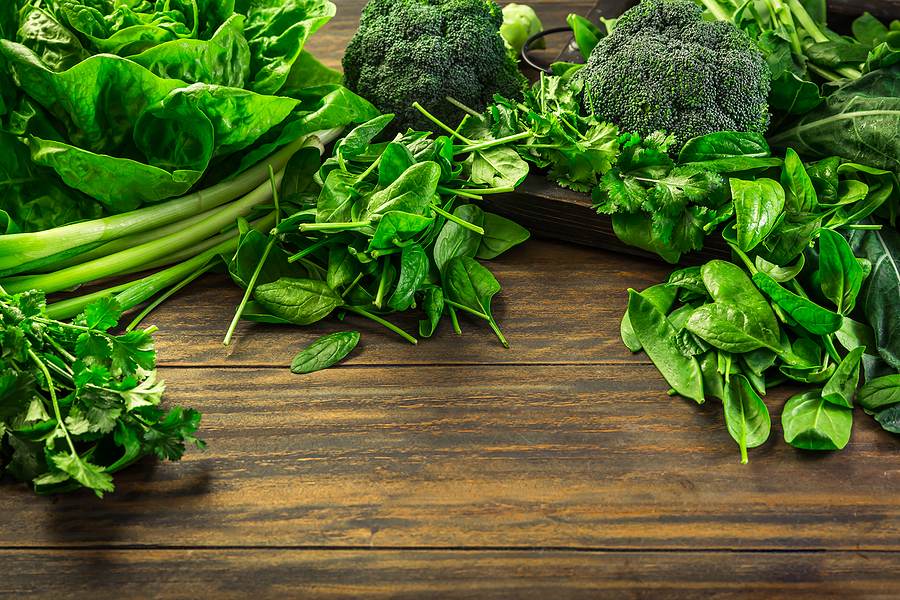
Green vegetables are often called superfoods for a reason. Packed with essential vitamins, minerals, antioxidants, and fiber, they play a crucial role in maintaining overall health and preventing chronic diseases. From spinach and kale to broccoli and green beans, these vibrant veggies are the cornerstone of a balanced diet and a longer, healthier life.
🥬 1. Rich Source of Essential Nutrients
Green vegetables are loaded with vital nutrients your body needs every day:
- Vitamins: Especially vitamin A (for vision and immunity), vitamin C (for collagen and immune function), vitamin K (for blood clotting and bone strength), and folate (for cell growth and DNA repair).
- Minerals: Such as iron, calcium, magnesium, and potassium—key for muscle function, bone health, and heart regulation.
- Phytonutrients: Natural compounds like lutein, zeaxanthin, and beta-carotene, which protect against cellular damage.
For example, spinach and kale are among the most nutrient-dense foods in existence—just one cup of cooked spinach provides a large portion of your daily vitamin A needs.
🌱 2. Supports Digestive Health
Green vegetables are high in dietary fiber, which aids in digestion by:
- Promoting regular bowel movements
- Preventing constipation
- Supporting healthy gut bacteria
Vegetables like broccoli, peas, and collard greens are particularly beneficial for maintaining a healthy digestive system. Fiber also helps you feel fuller for longer, making it easier to maintain a healthy weight.
💪 3. Boosts Immunity
The vitamins and antioxidants in green vegetables strengthen the immune system:
- Vitamin C enhances white blood cell function and helps fight infections.
- Antioxidants reduce oxidative stress, protecting the body from free-radical damage.
Leafy greens like kale, mustard greens, and Swiss chard are excellent for keeping your immune system strong year-round.
❤️ 4. Promotes Heart Health
Regular consumption of green vegetables supports cardiovascular health by:
- High potassium levels: Helping regulate blood pressure.
- Low fat and cholesterol: Supporting heart-friendly eating.
- Rich in nitrates: Found in greens like spinach and arugula, which improve blood vessel function and circulation.
People who eat leafy greens regularly tend to have a lower risk of heart disease and stroke.
🧠 5. Enhances Brain Function
Certain greens—like spinach and broccoli—are rich in antioxidants and compounds that support brain health:
- Folate and vitamin K help maintain cognitive function.
- Lutein and beta-carotene protect brain cells from aging and oxidative damage.
Eating green vegetables regularly can improve memory and may reduce the risk of age-related cognitive decline.
🌸 6. Supports Healthy Skin and Hair
The vitamins and minerals in green vegetables contribute to glowing skin and strong hair:
- Vitamin A promotes skin cell regeneration.
- Vitamin E and vitamin C protect against UV damage and support collagen production.
- Iron and folate improve blood circulation, giving your skin a healthy glow.
Green smoothies or spinach juice are great natural skin enhancers.
⚖️ 7. Aids in Weight Management
Green vegetables are naturally low in calories but high in fiber and water content, making them perfect for maintaining or losing weight. They add bulk to meals without adding extra calories, helping control hunger and reduce overeating.
🦴 8. Strengthens Bones
Calcium, magnesium, and vitamin K—abundant in greens like broccoli, bok choy, and collard greens—play vital roles in bone health. These nutrients help maintain bone density and reduce the risk of osteoporosis and fractures as you age.
🌎 9. Detoxifies the Body
Chlorophyll—the pigment that gives greens their color—helps cleanse and detoxify the body. It supports liver function and aids in flushing out harmful toxins. Drinking green juice or eating dark leafy vegetables regularly enhances your body’s natural detox processes.
🧬 10. Reduces Risk of Chronic Diseases
Regular intake of green vegetables is linked to a lower risk of:
- Type 2 diabetes
- Certain cancers (colon, breast, and lung)
- Heart disease
- Obesity and inflammation
Their powerful combination of antioxidants, fiber, and anti-inflammatory compounds supports long-term health and disease prevention.
🌿 Final Thoughts
Green vegetables are truly nature’s miracle foods. Whether you steam them, toss them into salads, blend them into smoothies, or stir-fry them with spices, adding more greens to your diet can dramatically improve your overall well-being.
Aim for at least 2–3 servings of green vegetables daily — your body will thank you with better energy, clearer skin, and lasting health.

 KrishiCenter
Leave a comment