
🌾 Commercial Agriculture: Driving Global Food and Economic Growth
Commercial agriculture — also known as agribusiness or large-scale farming — is one of the cornerstones of modern economies. It’s the process of growing crops and raising livestock primarily for sale and profit, rather than for personal consumption.
This type of farming powers global trade, provides employment to millions, and feeds an ever-growing population. But it also brings unique challenges and responsibilities in sustainability and technology adoption.
🚜 What Is Commercial Agriculture?
Commercial agriculture involves large-scale production of crops and livestock using advanced technologies, mechanized equipment, and scientific farming methods.
Unlike subsistence farming, which focuses on feeding a family or local community, commercial agriculture aims to produce food and raw materials for local and international markets.
Key Characteristics:
- Large farm sizes and high-capacity production
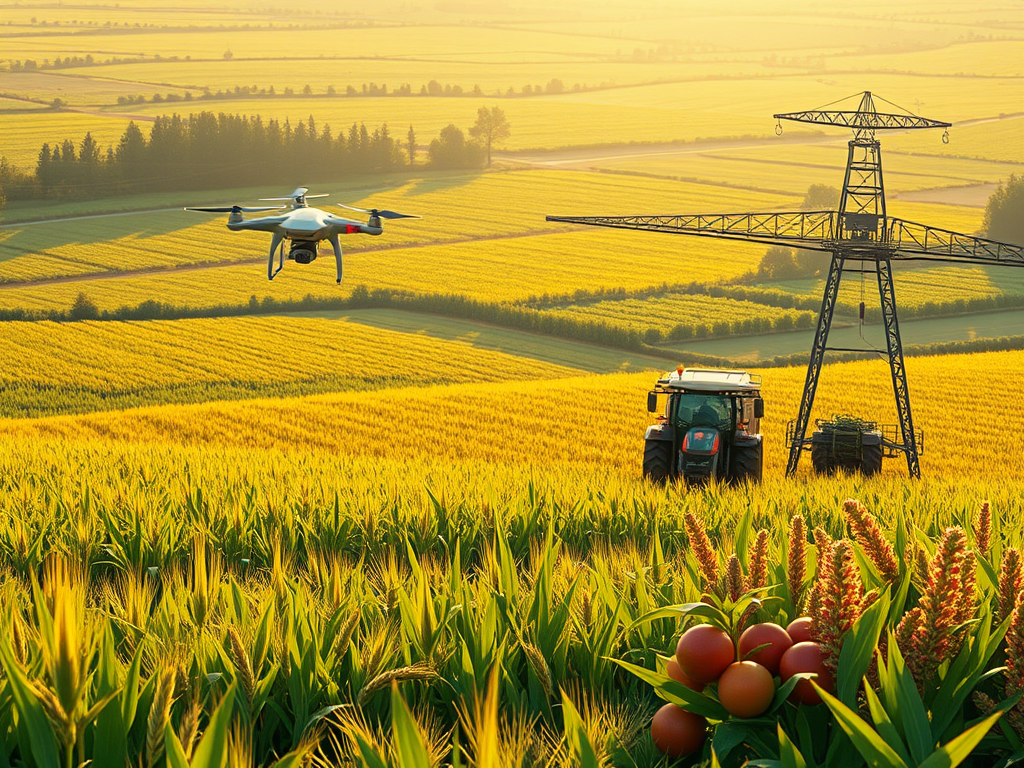
- Use of machinery and automation (tractors, drones, irrigation systems)
- Reliance on fertilizers, pesticides, and improved seeds
- Integration with marketing, logistics, and export systems
- Focus on profit, efficiency, and productivity
🌍 Types of Commercial Agriculture
Commercial agriculture can take many forms depending on the region, crop type, and market demand.
| Type | Description | Examples |
|---|---|---|
| Commercial Grain Farming | Large-scale cultivation of cereal crops. | Wheat, maize, barley |
| Plantation Agriculture | Focused on export-oriented cash crops grown on large estates. | Coffee, tea, cocoa, sugarcane |
| Dairy Farming | Commercial production of milk and dairy products. | Milk, cheese, yogurt |
| Livestock Ranching | Rearing animals for meat and other by-products. | Beef cattle, sheep, goats |
| Horticulture | Cultivation of fruits, vegetables, and flowers for sale. | Apples, tomatoes, roses |
| Mixed Farming | Combination of crops and livestock on one farm. | Grains + poultry or dairy |
💹 Importance of Commercial Agriculture
Commercial agriculture plays a vital role in the global economy and food security system.
1. Economic Growth
- Contributes significantly to national GDPs.
- Generates export income for developing nations.
2. Employment Opportunities
- Provides jobs in farming, processing, packaging, and distribution.
3. Technological Advancement
- Encourages innovation in precision farming, irrigation, and biotechnology.
4. Food Security
- Ensures large-scale food production to feed growing populations.
5. Rural Development
- Improves infrastructure and livelihoods in farming regions.
🌱 Challenges in Commercial Agriculture
Despite its benefits, commercial farming faces several modern-day challenges.
- Environmental Impact: Soil degradation, deforestation, and water pollution.
- Climate Change: Droughts and floods affecting crop yields.
- Overdependence on Chemicals: Risk to biodiversity and human health.
- Market Fluctuations: Price instability and trade barriers.
- Resource Inequality: Small farmers may struggle to compete with large agribusinesses.
🔬 The Future of Commercial Agriculture
The future of commercial farming lies in sustainable and technology-driven practices.
Emerging Trends:
- Precision Agriculture: Use of GPS, drones, and AI for smart farming.
- Vertical Farming: Maximizing urban space with hydroponic systems.
- Organic and Regenerative Practices: Balancing profit with environmental health.
- Digital Agriculture Platforms: Connecting farmers directly with markets.
🌎 Goal: Achieve high productivity while conserving natural resources for future generations.
🧭 Conclusion
Commercial agriculture is more than just food production — it’s the backbone of economies, industries, and communities worldwide.
By embracing innovation, sustainability, and equitable practices, commercial farming can continue to meet global food demands while protecting the planet.
🌾 Commercial agriculture isn’t just about profit — it’s about progress, sustainability, and feeding the future.


Leave a Reply