
Category: All Posts
-
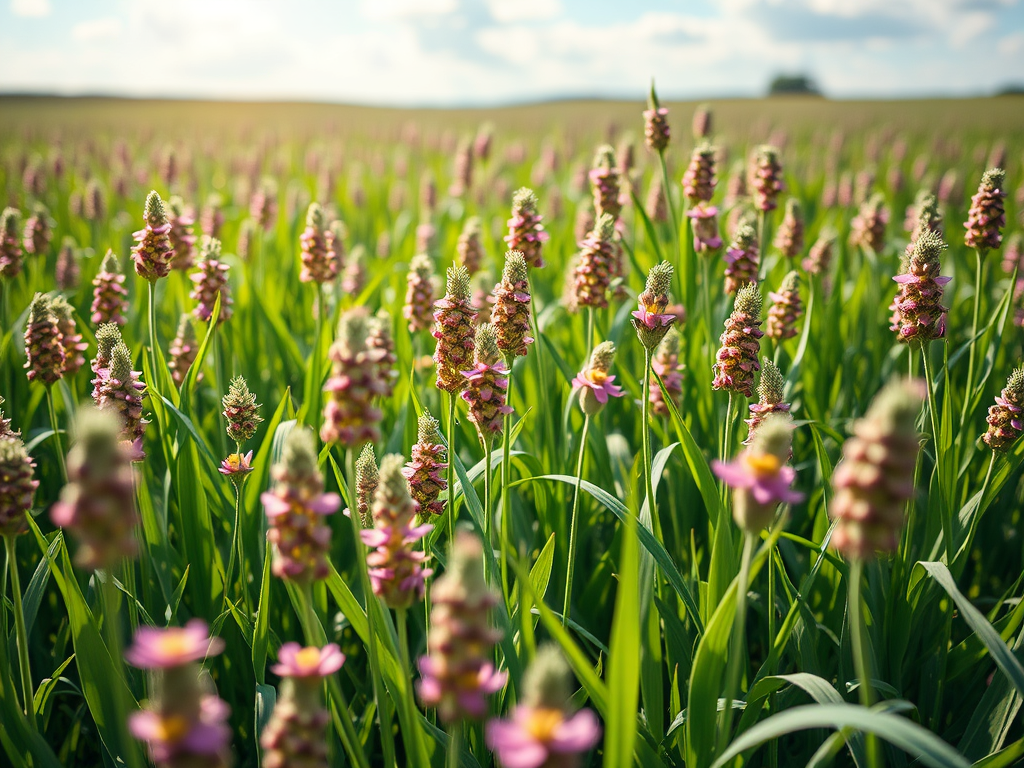
Flaxseed (Linseed) Cultivation: A Detailed Guide
Flaxseed farming, covering climate, soil, land preparation, seed selection, irrigation, fertilizer requirement, weed and pest management, and post-harvest practices for optimal yield.
-
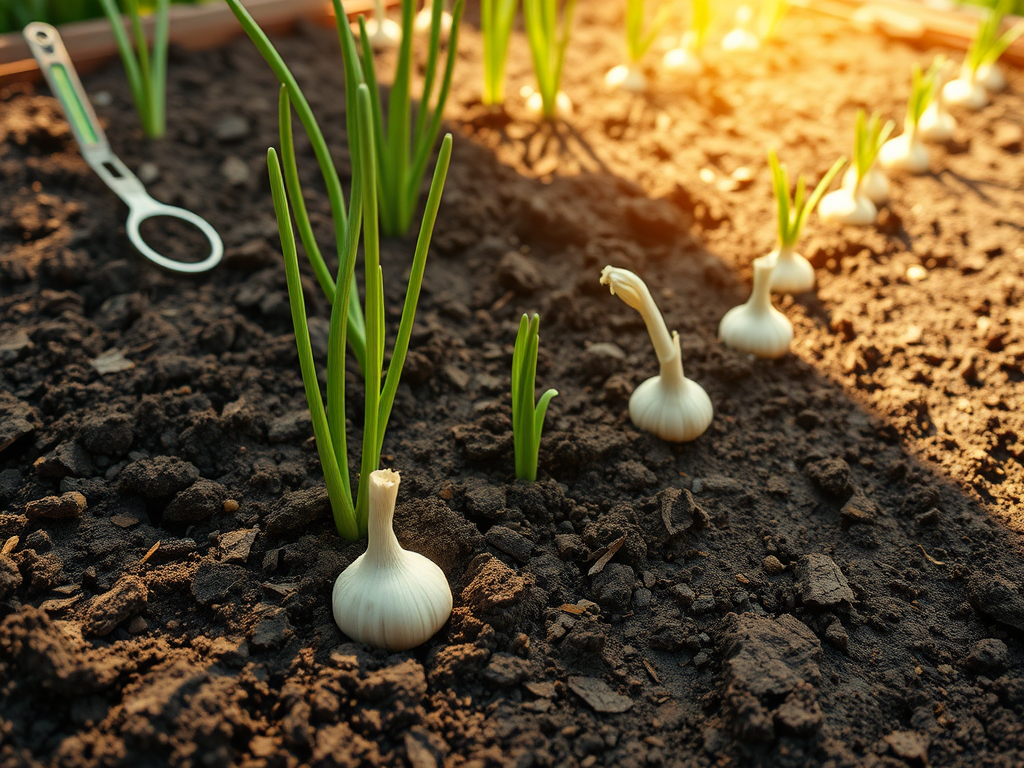
How to Prepare Soil for Garlic and Onions
Preparing a Bed for Garlic & Onions 1. Choosing the Right Location 2. Testing and Amending Soil 3. Bed Preparation (Before Planting) 4. Fertilization & Nutrition 5. Planting Garlic and Onions 6. Mulching & Watering 7. Maintenance Through the Season 8. Crop Rotation & Long-Term Bed Management Key Points to Remember
-
PMFBY: Empowering Farmers with Crop Insurance
The Pradhan Mantri Fasal Bima Yojana (PMFBY), launched in 2016, offers comprehensive crop insurance to Indian farmers against natural calamities, pests, and diseases. With affordable premiums and government support, it aims to mitigate financial risks, promote agricultural sustainability, and encourage farmers’ participation, though challenges like low enrollment and claim delays persist.
-
PM-KMY Application Guide: Simple Steps to Enroll
The Pradhan Mantri Kisan Maandhan Yojana (PM-KMY) provides financial security to small and marginal farmers in India post-retirement, offering a monthly pension of ₹3,000 after age 60. The government matches farmer contributions, ensuring accessibility through low premiums and simple application processes. Challenges include awareness and enrollment issues among farmers.
-
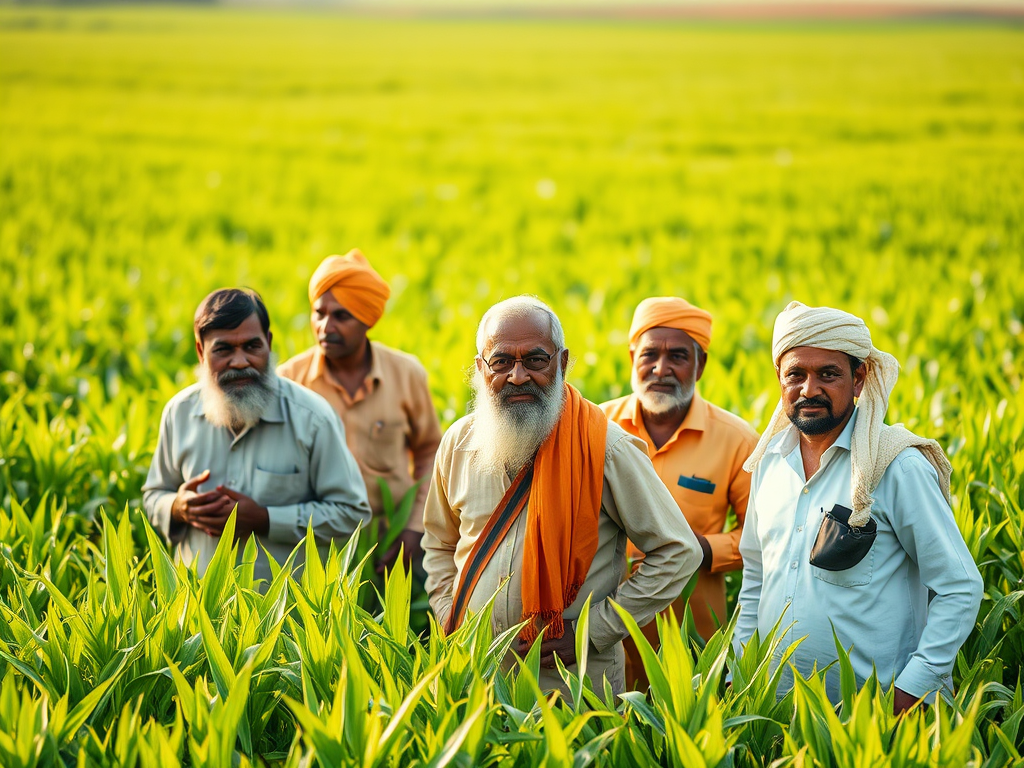
PM-KISAN: Guide to Farmer Income Support
PM-KISAN is a government program initiated on February 24, 2019, to provide ₹6,000 annually to small and marginal farmers in India, disbursed in three installments. It aims to ease financial burdens, ensuring direct transfers to farmers’ accounts with no application fees. The initiative has expanded eligibility while addressing challenges like payment delays and technical issues.
-
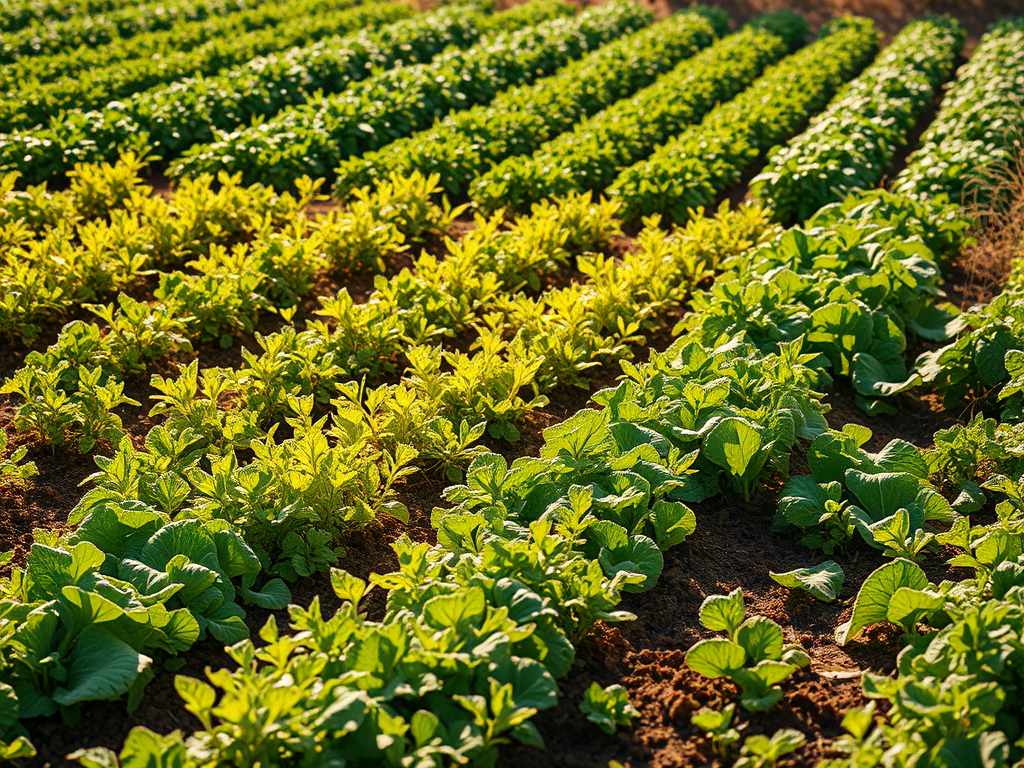
Intercropping: Boost Crop Yields & Soil Health
Intercropping involves growing multiple crops simultaneously in the same field to enhance productivity and biodiversity. It offers benefits like improved soil fertility, pest control, and risk diversification. However, it requires careful planning due to resource competition and management complexity. Selecting compatible crops is key to maximizing intercropping advantages.
-
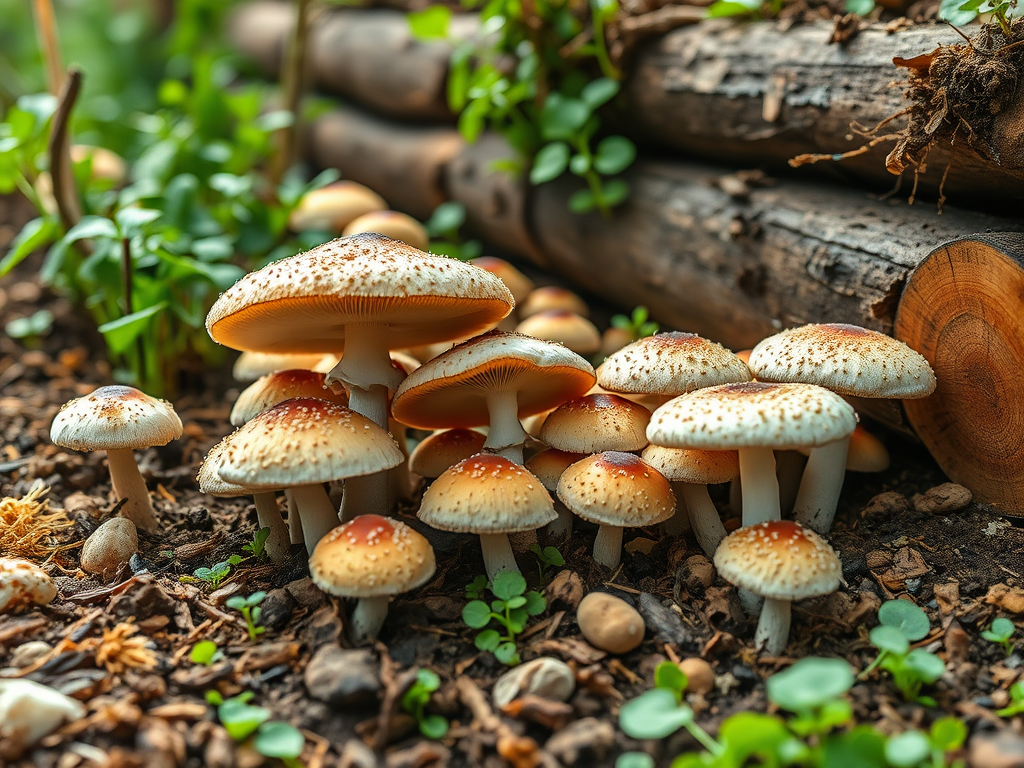
Fungiculture: Guide to Mushroom Farming
Fungiculture मशरूम (फंगीकल्चर: मशरूम फार्मिंग का परिचय) Fungiculture refers to the cultivation of fungi, specifically mushrooms, for food, medicinal, or commercial purposes. Mushrooms are a type of edible fungus that thrives under controlled environmental conditions. Fungiculture is gaining popularity due to its low investment, high yield, and ability to grow on organic waste products. Mushrooms…
-
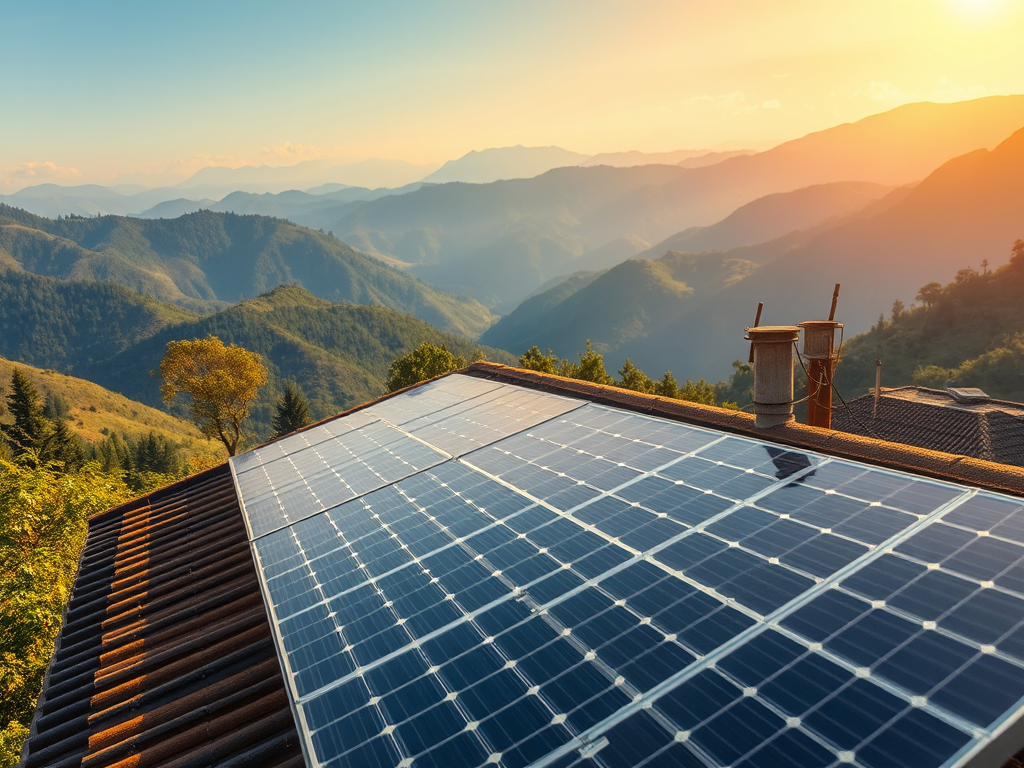
Solar Renewable Energy Programme – HIMURJA
The solar energy initiative in Himachal Pradesh aims to leverage the state’s potential for decentralized solar power generation to promote sustainable development and meet national energy targets. With significant installed capacity goals by 2030, the program emphasizes the need for policy alignment, financial incentives, and community engagement to empower local populations and encourage investment.
-
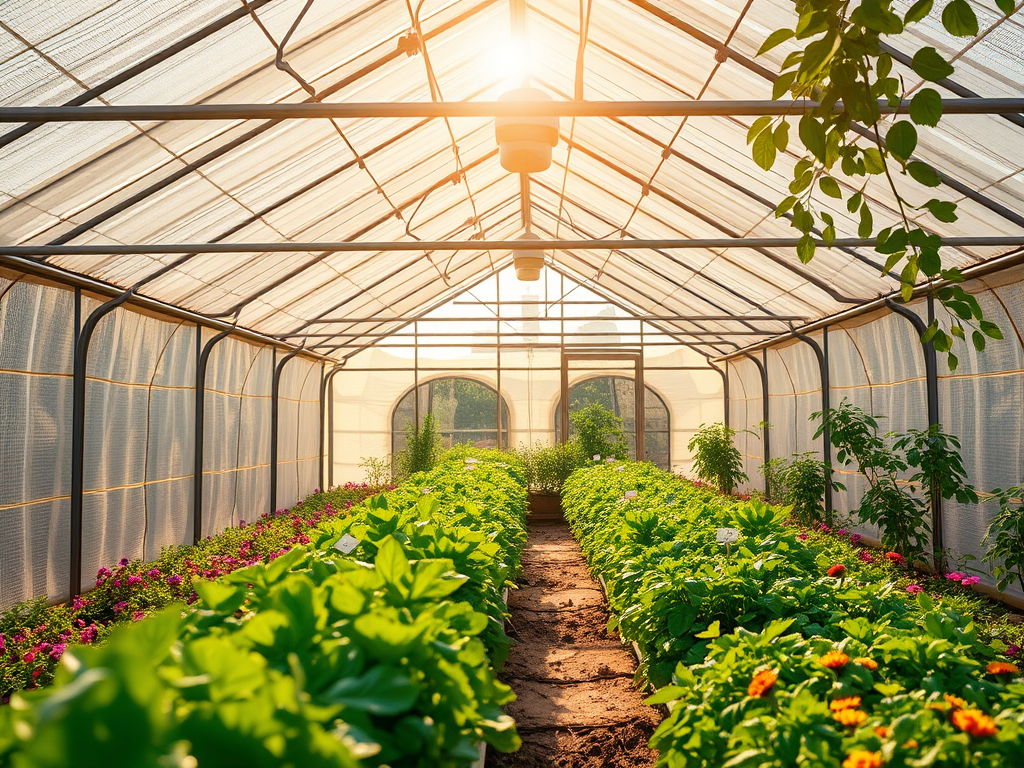
Guide to Setting Up Greenhouses in India
Setting up a greenhouse (protected cultivation) in India involves several steps — technical, financial, and regulatory — and there are a number of government schemes that can help. Below is a detailed guide + an overview of relevant schemes in India. 1. What Is a Greenhouse & Why Use One A greenhouse (or polyhouse /…
-

Top Flower Plants to Grow in India
This guide provides practical insights into the easiest and hardest flower plants to cultivate in India’s diverse climates. It highlights easy-care plants like marigolds and hibiscus, suitable for beginners, and challenges like tulips and orchids for advanced gardeners. Emphasis is on understanding local conditions for gardening success.
-
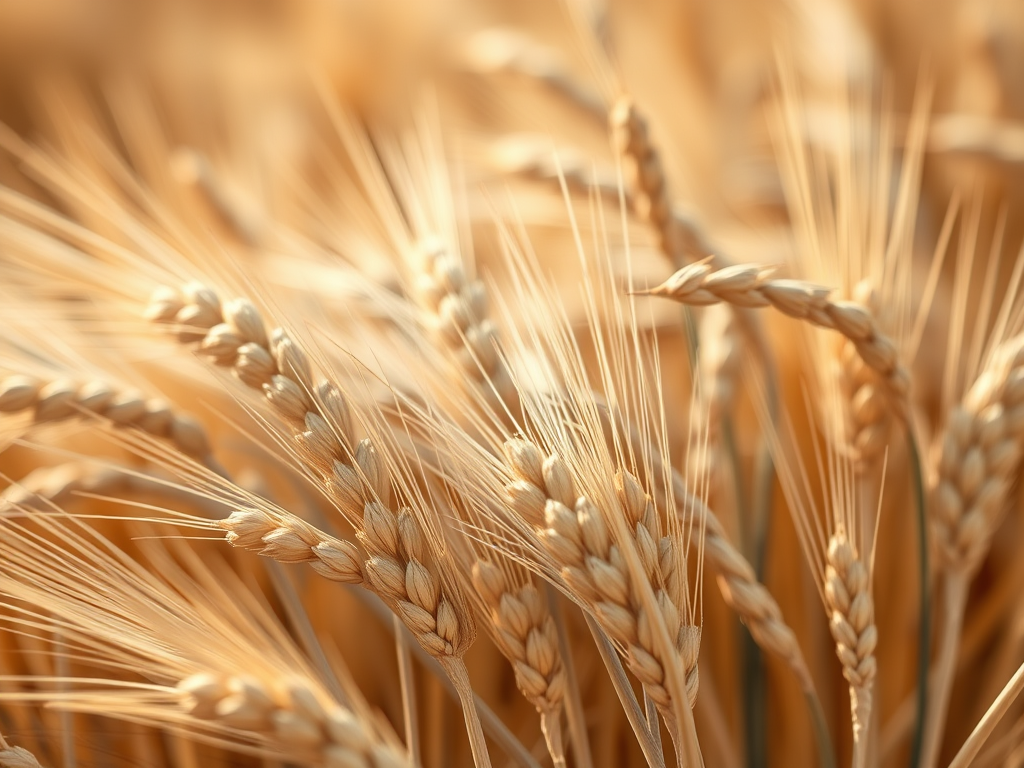
Top Wheat Varieties: Features and Benefits Explained
This content compares various wheat varieties, including Sharbati, Sonalika, Bhalia, Durum, Khapli, Kharchia, and modern high-yield types. Each has distinct features suited for different culinary and farming needs, emphasizing yield, eating quality, and adaptability to soil conditions. Practical tips highlight choosing varieties based on climate, market demands, and agronomy.
-
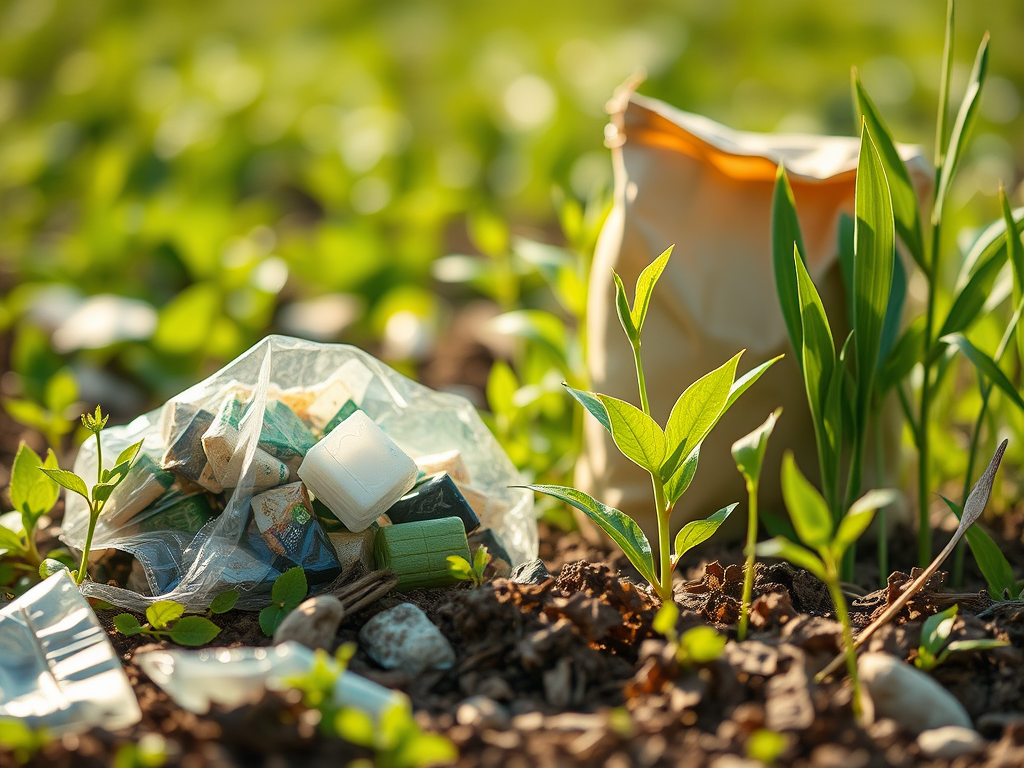
Sustainable Alternatives to Plastics: Agricultural Innovations
This paper discusses the growing role of agriculture in reducing the carbon footprint through bio-based materials and carbon sequestration. Traditional plastics, derived from fossil fuels, pose significant environmental issues. Innovations in bioplastics, natural fibers, and mycelium materials present sustainable alternatives while regenerative agriculture enhances carbon storage, contributing to a circular economy.
-
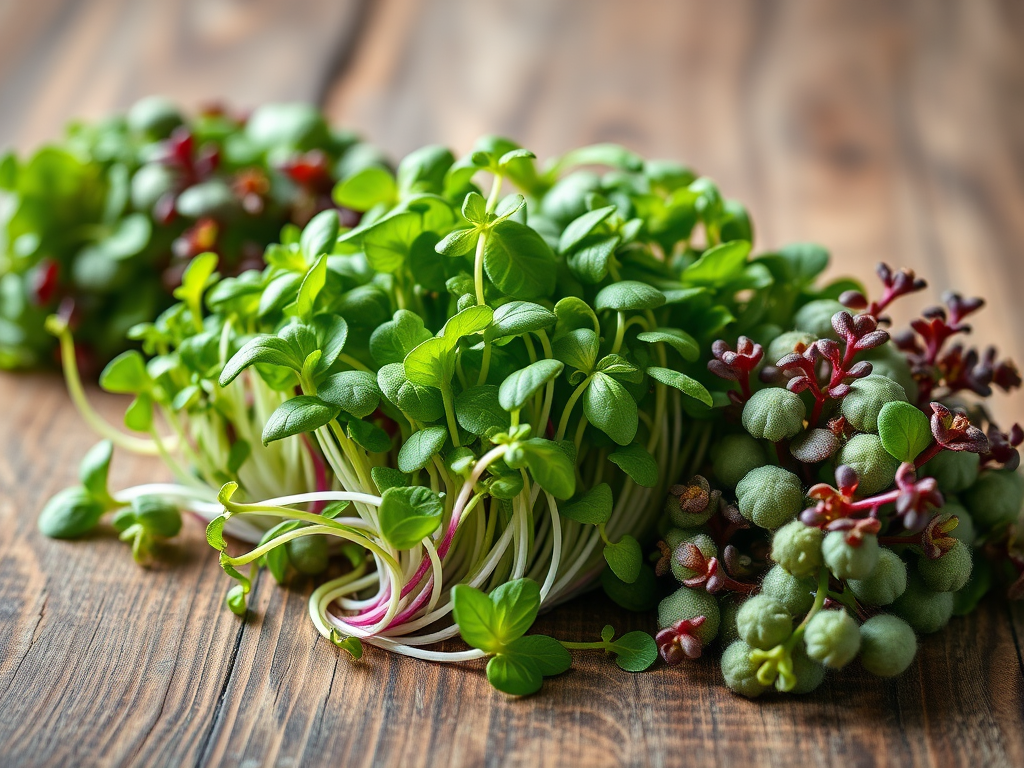
Microgreens: Your Guide to Nutrient-Packed Superfoods
🌿 Microgreens: The Tiny Plants with Mighty Nutrients In recent years, microgreens have taken the health and culinary world by storm. These small but powerful greens are packed with nutrients, vibrant flavors, and visual appeal — making them a favorite among chefs, health enthusiasts, and urban gardeners alike. But what exactly are microgreens, and why…
-
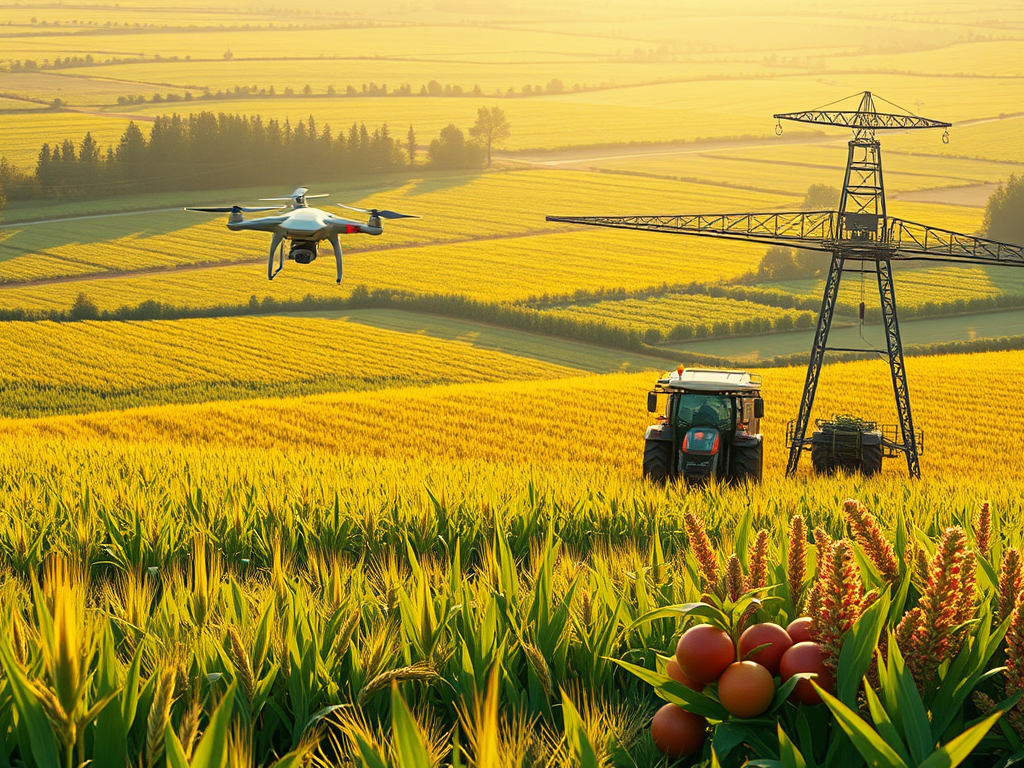
Future Trends in Sustainable Commercial Agriculture
🌾 Commercial Agriculture: Driving Global Food and Economic Growth Commercial agriculture — also known as agribusiness or large-scale farming — is one of the cornerstones of modern economies. It’s the process of growing crops and raising livestock primarily for sale and profit, rather than for personal consumption. This type of farming powers global trade, provides…
-

Green Vegetables – Powerhouse of Health
Green vegetables are essential for health, providing vital nutrients like vitamins A, C, K, and minerals such as calcium and iron. They support digestion, boost immunity, enhance brain function, and promote heart health while aiding weight management and detoxification. Regular consumption reduces chronic disease risks and enriches overall well-being. Aim for 2-3 servings daily.
-

Pea Sowing and Cultivation – a Planting Guide
🌱 Pea Sowing and Cultivation in India 1. Introduction Pea (Pisum sativum L.) is one of the most important cool-season leguminous vegetables grown across India. It belongs to the Fabaceae family and is cultivated both as a vegetable (green pods) and pulse (dry grains). Peas are a rich source of protein (20–25%), carbohydrates, vitamins A,…
-
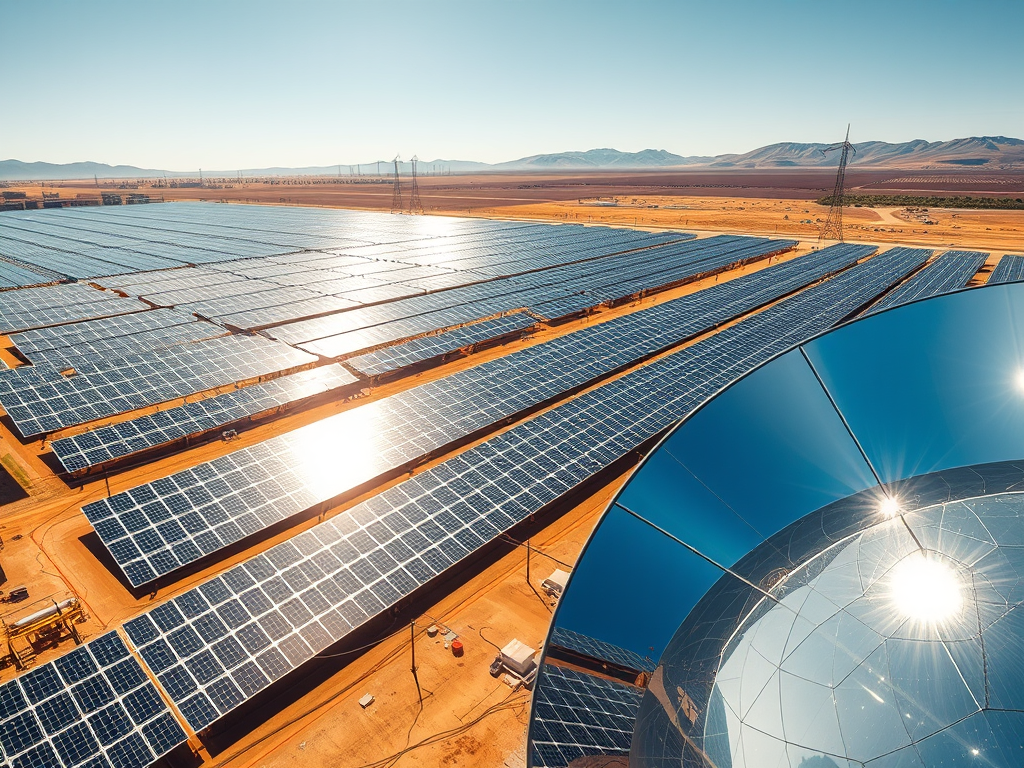
Solar Energy Solutions: The Future of Renewable Power
Solar plants convert sunlight into electricity, playing a vital role in renewable energy. They are categorized into photovoltaic (PV) and concentrated solar power (CSP) systems. Various government schemes in India promote solar energy, targeting efficiency and sustainability. Despite challenges like intermittency and initial costs, solar power remains crucial for a sustainable future.
-
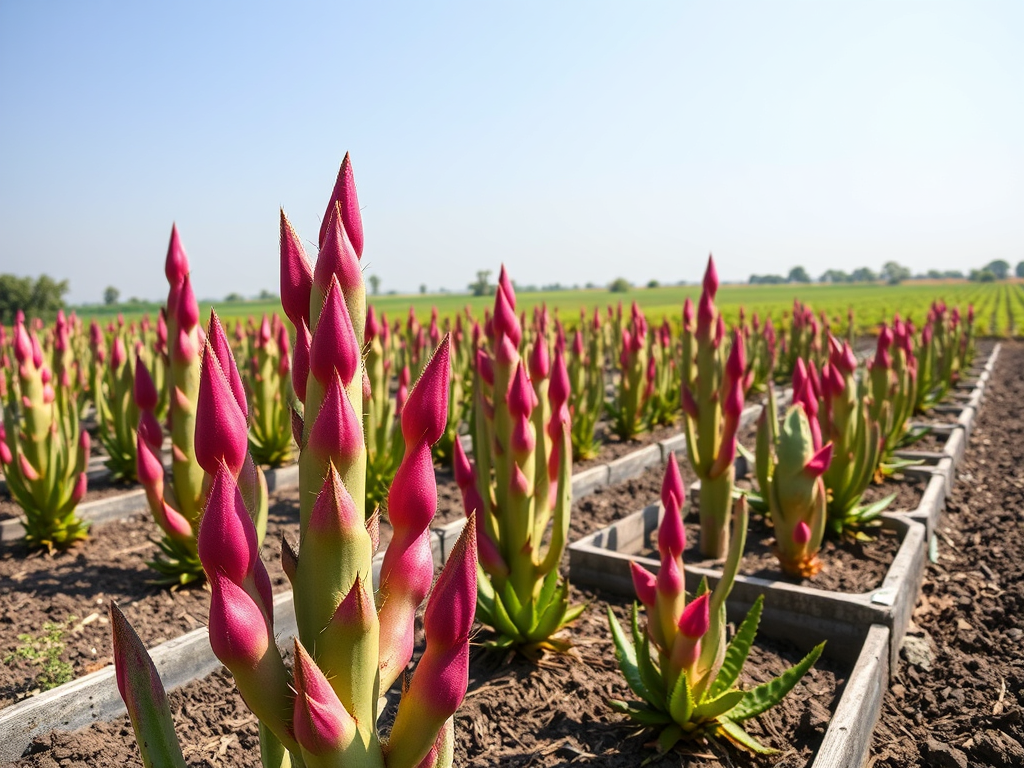
How to Grow Dragon Fruit in India: Essential Tips
Dragon Fruit (Pitaya) — A Detailed Guide for Growing in India Introduction Dragon fruit (pitaya) is an exotic, nutrient-rich tropical fruit known for its vibrant appearance and high market demand. Native to Central and South America, it has adapted well to Indian conditions and is now grown widely across Karnataka, Maharashtra, Gujarat, Odisha, and even…
-
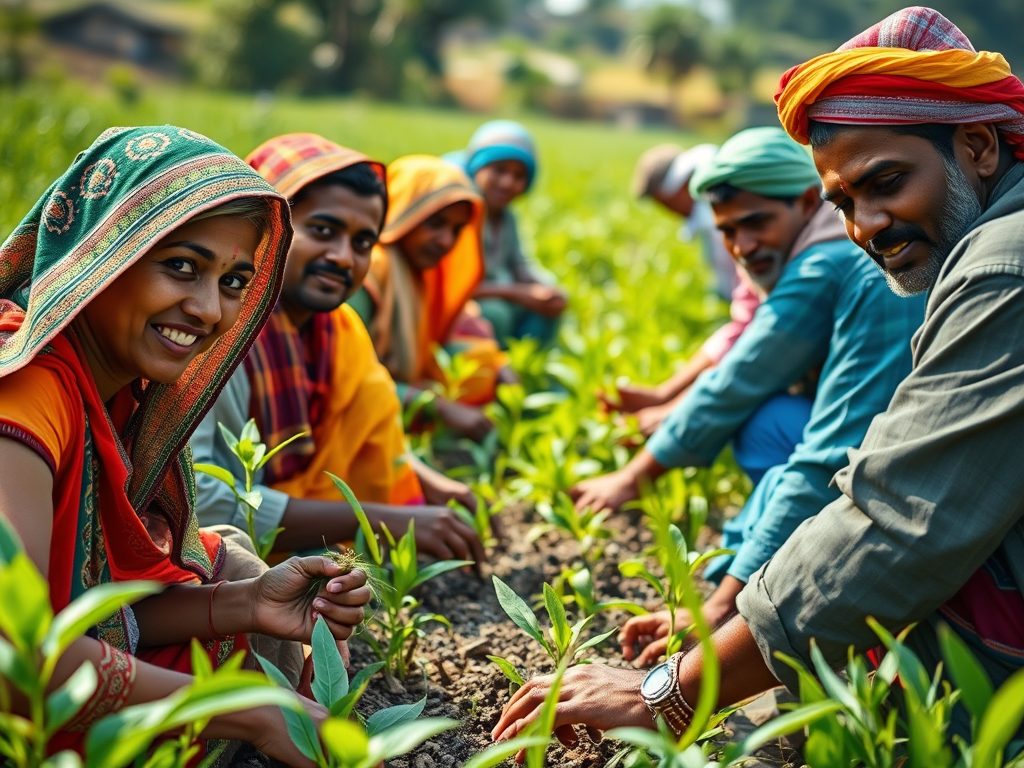
Government Programs Enhancing Farmers’ Income in India
Here’s a detailed overview of several major agricultural/farmer-welfare schemes offered by the Ministry of Agriculture & Farmers Welfare (Government of India), including their objectives, benefits, and key features. If you like, I can also pull together a full comprehensive list (including smaller schemes) along with state-specific versions. Key Schemes Government of India notified various schemes…
-
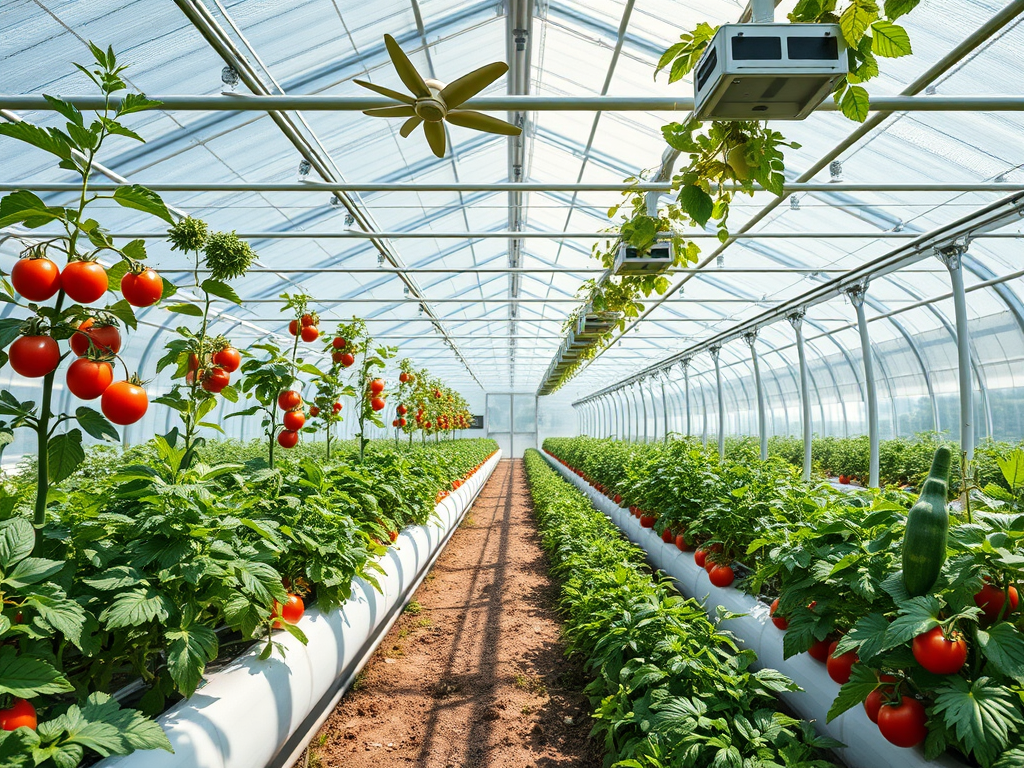
Greenhouse Farming: Sustainable Solutions for Indian Agriculture
Greenhouse farming is an innovative agricultural method that provides a controlled environment for growing crops, ensuring optimal conditions for growth and enhancing productivity. In India, where climate conditions vary widely, greenhouse farming is gaining momentum as a sustainable farming practice, especially in regions that experience extreme weather conditions. Let’s break down the concept of greenhouse…
 KrishiCenter