
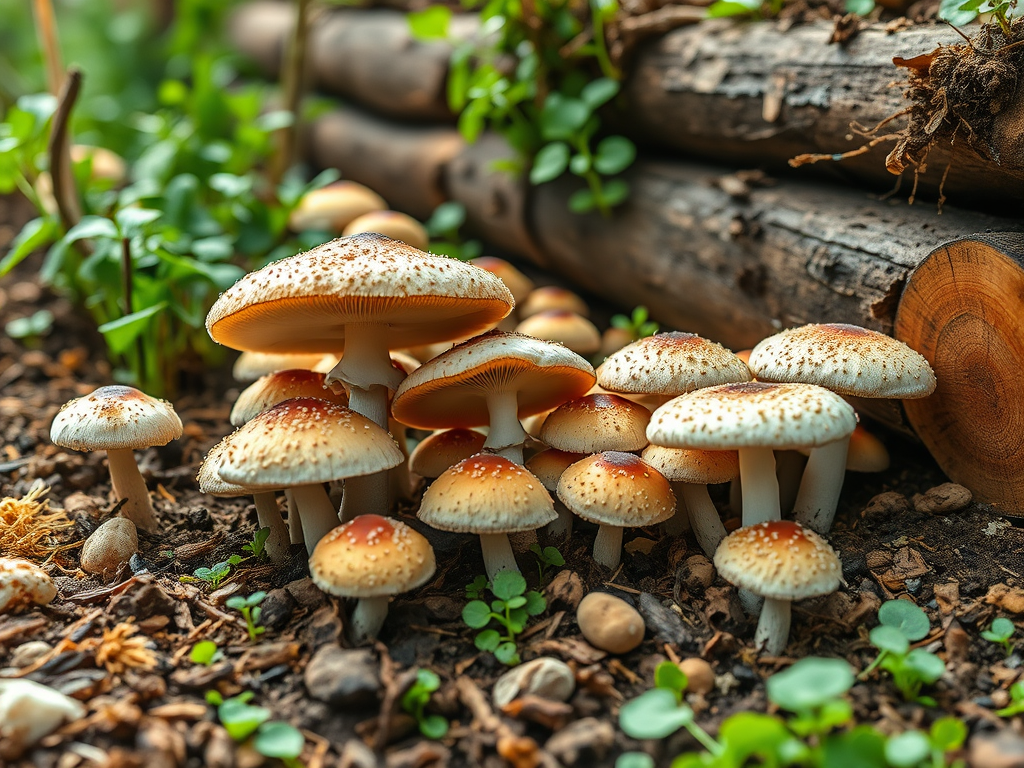
Fungiculture मशरूम
(फंगीकल्चर: मशरूम फार्मिंग का परिचय)
Fungiculture refers to the cultivation of fungi, specifically mushrooms, for food, medicinal, or commercial purposes. Mushrooms are a type of edible fungus that thrives under controlled environmental conditions. Fungiculture is gaining popularity due to its low investment, high yield, and ability to grow on organic waste products.
Mushrooms grow in a variety of substrates such as compost, sawdust, straw, or wood chips. Their cultivation requires a suitable climate, proper care, and attention to sanitation.
Types of Mushrooms and Their Cultivation
(मशरूम के प्रकार और उनकी खेती)
Mushrooms are categorized into different types based on their size, shape, and nutritional benefits. The most common types of mushrooms grown are edible mushrooms (which are safe to consume) and medicinal mushrooms (which have therapeutic properties). Below is a detailed overview of popular mushroom types and their cultivation methods:
Popular Types of Mushrooms
(लोकप्रिय मशरूम के प्रकार)
| Mushroom Type | Description | Common Cultivation Method | Popular Uses |
|---|---|---|---|
| 1. Agaricus Bisporus (Button Mushroom) | Most common and widely cultivated mushroom, available in white and brown varieties. | Grown on composted manure or organic material. Commonly grown in dark, humid conditions. | Common in salads, soups, and stir-fries. |
| 2. Pleurotus Ostreatus (Oyster Mushroom) | Known for its oyster-shaped caps and delicate texture. Grows quickly and in clusters. | Grown on straw, sawdust, or logs. Requires moderate temperature (18-25°C). | Popular in soups, stir-fries, and as a meat substitute. |
| 3. Lentinula Edodes (Shiitake Mushroom) | A popular medicinal mushroom, known for its rich flavor and texture. | Grown on logs or sawdust. Needs high humidity and temperature of around 20°C. | Used in soups, stir-fries, and traditional Asian dishes. |
| 4. Ganoderma Lucidum (Reishi Mushroom) | A medicinal mushroom known for its immune-boosting properties. | Grown on logs or sawdust. Needs a warm and humid environment. | Used in teas, supplements, and traditional medicine. |
| 5. Grifola Frondosa (Maitake Mushroom) | Known for its distinctive frilly appearance. Also referred to as “Hen of the Woods.” | Grown on hardwood logs, sawdust, or wood chips. Prefers cooler climates. | Commonly used in soups, stir-fries, and as a health supplement. |
| 6. Hericium Erinaceus (Lion’s Mane Mushroom) | Known for its unique, white, shaggy appearance. It has a seafood-like texture. | Grown on hardwood logs or sawdust. Requires cool temperatures (15-22°C). | Used in culinary dishes and as a medicinal supplement for brain health. |
Mushroom Cultivation Process
(मशरूम की खेती की प्रक्रिया)
Mushroom farming involves several steps to ensure a successful crop. Below is a simplified step-by-step guide for cultivating mushrooms:
1. Selection of Mushroom Variety
(मशरूम की किस्म का चयन)
Choosing the right type of mushroom is essential for successful cultivation. Different mushrooms require different growth conditions. For beginners, Agaricus bisporus (Button Mushroom) and Pleurotus ostreatus (Oyster Mushroom) are easier to grow. Gucchi mushroom is highly prized for its unique, earthy flavor and spongy texture, making it a sought-after ingredient in gourmet dishes like curries, pastas, and stews. Gucchi mushrooms are also a good source of vitamins, antioxidants, and other nutrients
2. Preparing the Substrate
(सबस्ट्रेट तैयार करना)
Mushrooms need a substrate (growing medium) such as straw, sawdust, compost, or wood chips. The substrate should be sterilized to remove harmful bacteria and other microorganisms. This can be done by soaking in hot water or using a pressure cooker.
3. Inoculation (Spawning)
(इनोकुलेशन (स्पॉनिंग))
The sterilized substrate is inoculated with mushroom spores (or spawn). The spawn is mixed into the substrate, which is then placed in suitable containers (like bags, trays, or boxes) and kept in a controlled environment.
4. Incubation
(इनक्यूबेशन)
The inoculated substrate is kept in a dark, warm place with high humidity for the spawn to germinate and grow. This incubation period typically lasts 2-3 weeks depending on the mushroom type.
5. Fruiting
(फलन)
Once the mycelium (fungal root system) has colonized the substrate, the environment needs to be adjusted to trigger fruiting. This involves lowering the temperature, increasing humidity, and providing some light. Mushrooms will begin to sprout in 5-10 days.
6. Harvesting
(फसल काटना)
When the mushrooms reach maturity, they are carefully harvested by cutting them at the base. Timing is crucial, as harvesting too early or too late can affect the quality.
7. Post-Harvest Care
(फसल के बाद देखभाल)
After harvesting, the substrate may still contain some nutrients, allowing for several more harvests, known as “flushes.” Ensure proper care to avoid contamination and maintain humidity levels.
Environmental Conditions for Mushroom Cultivation
(मशरूम की खेती के लिए पर्यावरणीय स्थितियां)
| Factor | Ideal Conditions | Recommended for |
|---|---|---|
| Temperature | 18-25°C (Depending on mushroom type) | Most mushrooms, with slight variations. |
| Humidity | 85-95% (high humidity is crucial for fruiting) | Oyster mushrooms, Button mushrooms, Shiitake. |
| Light | Low to moderate light; mushrooms grow well in dark environments. | Not necessary for growth, but light is needed to trigger fruiting in some varieties. |
| Air Circulation | Fresh air circulation to prevent CO2 buildup | Essential for preventing mold growth and ensuring proper mushroom development. |
| Substrate | Straw, sawdust, compost, wood chips, or logs (depending on the variety) | Varies by type of mushroom. |
Benefits of Mushroom Farming
(मशरूम फार्मिंग के फायदे)
- Low Investment & Quick Return: Compared to traditional farming, mushroom farming requires low investment but offers quick returns, especially for high-value mushrooms like Shiitake and Maitake.
- Nutrient-Rich Crop: Mushrooms are a good source of protein, fiber, vitamins, and minerals. Some varieties, like the Reishi mushroom, offer medicinal properties.
- Environmental Sustainability: Mushrooms can be grown on agricultural waste, thus reducing waste and promoting a circular economy.
- High Yield: Mushrooms grow quickly and can be harvested multiple times in a year.
Challenges in Mushroom Cultivation
(मशरूम की खेती में चुनौतियाँ)
- Contamination Risk: Fungi are highly susceptible to contamination by bacteria, molds, and other microorganisms.
- Climate Control: Maintaining ideal conditions such as temperature and humidity can be difficult, especially for more delicate varieties.
- Market Fluctuations: Prices for mushrooms can fluctuate, and securing consistent buyers may be challenging in some regions.
Exotic Mushrooms: Types, Cultivation, and Benefits
(एक्सोटिक मशरूम: प्रकार, खेती और फायदे)
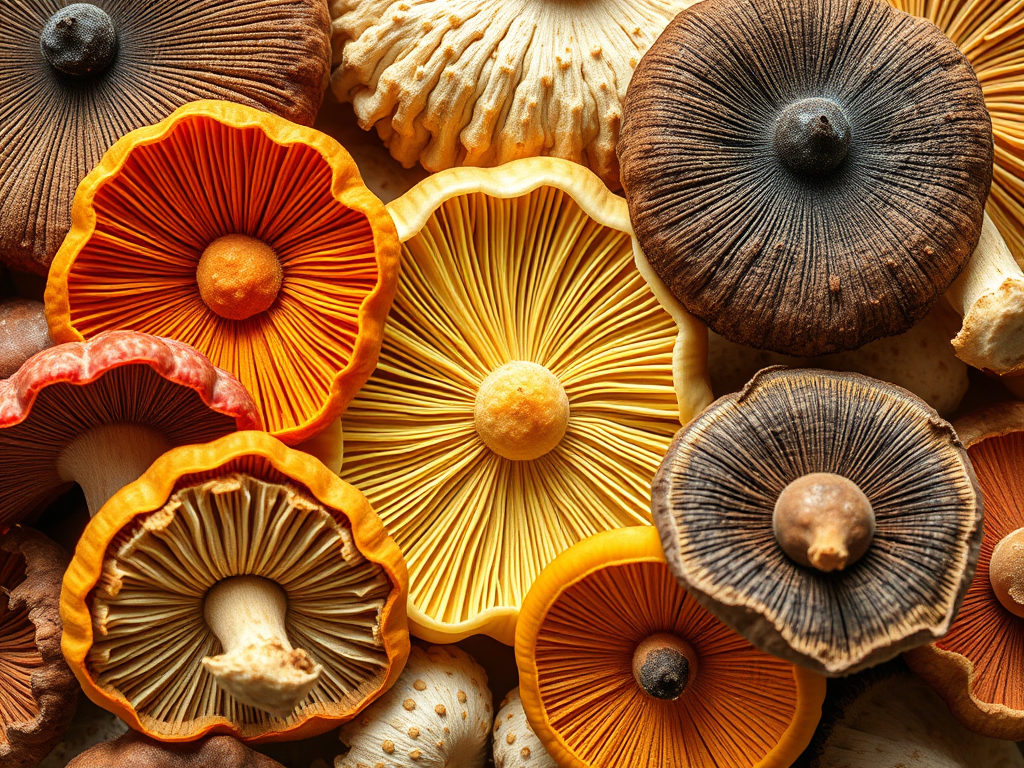
Exotic mushrooms refer to non-native, often unique and rare varieties of mushrooms that are highly prized for their distinctive flavors, textures, and nutritional benefits. These mushrooms are typically grown for culinary, medicinal, or commercial purposes and often have higher market value compared to common varieties like the Button mushroom (Agaricus bisporus).
Exotic mushrooms are not only known for their taste and appearance but also for their potential health benefits, making them a popular choice in gourmet cooking and alternative medicine
.
Popular Exotic Mushrooms
(लोकप्रिय एक्सोटिक मशरूम)
Here are some of the most well-known exotic mushrooms, along with their distinct characteristics, cultivation methods, and uses:
| Mushroom Type | Scientific Name | Description | Cultivation Method | Common Uses |
|---|---|---|---|---|
| 1. Lion’s Mane Mushroom | Hericium erinaceus | Known for its shaggy, white, cascading spines that resemble a lion’s mane. | Grows on hardwood logs or sawdust. Needs cool temperatures (15-22°C). | Known for brain health benefits, used in soups, teas, and as a supplement. |
| 2. Maitake Mushroom | Grifola frondosa | Also known as “Hen of the Woods,” has a frilly, cluster-like appearance. | Grows on hardwood logs or sawdust. Prefers cooler climates. | Used in soups, stir-fries, and as a health supplement for immunity. |
| 3. Chanterelle Mushroom | Cantharellus cibarius | A bright yellow to golden mushroom with a distinct, trumpet-like shape. | Typically foraged from the wild. Cultivating them is challenging. | Highly prized in gourmet dishes for their delicate flavor. |
| 4. Enoki Mushroom | Flammulina velutipes | Delicate, thin stems with small white caps, grown in clusters. | Grown on sawdust or wood-based substrates under controlled, cold conditions. | Used in soups, salads, and sushi. Often served in Asian cuisines. |
| 5. Shiitake Mushroom | Lentinula edodes | Brown, umbrella-shaped caps, often used in traditional Asian cooking. | Grown on logs or sawdust. Prefers warm and humid conditions. | Used in soups, stir-fries, and medicinal applications. |
| 6. Cordyceps Mushroom | Cordyceps sinensis | A parasitic mushroom that grows on the larvae of insects. Has a distinct, thin, elongated appearance. | Grown in controlled environments, but difficult to cultivate. | Known for boosting energy and enhancing athletic performance. |
| 7. Porcini Mushroom | Boletus edulis | Large, meaty, and brown, with a smooth cap and white pores underneath. | Usually foraged in forests, though some cultivation is possible in controlled environments. | Widely used in Italian and Mediterranean cooking, particularly in sauces and soups. |
| 8. Black Trumpet Mushroom | Craterellus cornucopioides | Black, funnel-shaped mushrooms with a delicate, smoky flavor. | Foraged from the wild. Difficult to cultivate in controlled environments. | Used in gourmet dishes, adding a deep umami flavor to sauces and risottos. |
Exotic Mushroom Cultivation Methods
(एक्सोटिक मशरूम की खेती के तरीके)
Cultivating exotic mushrooms can be more challenging than common varieties, but it can also be a highly rewarding experience. Here’s an overview of the general methods used for growing exotic mushrooms:
- Substrate Preparation (सबस्ट्रेट तैयार करना)
The choice of substrate (growth medium) is crucial for the success of exotic mushroom cultivation. For example:- Lion’s Mane: Grown on hardwood sawdust or logs.
- Shiitake: Grown on logs or sawdust.
- Enoki: Requires a substrate made from sawdust with a cold incubation process.
- Inoculation (स्पॉनिंग)
Exotic mushroom spawn (mycelium or spores) is introduced into the prepared substrate. It is important to maintain sterile conditions during inoculation to avoid contamination. - Incubation (इनक्यूबेशन)
After inoculation, the substrates are placed in dark, humid environments to allow the mycelium to colonize. This stage typically takes 2-3 weeks, but it depends on the mushroom variety. - Fruiting (फलन)
Once the mycelium has fully colonized the substrate, conditions are adjusted (temperature, humidity, and light) to encourage fruiting. For instance:- Lion’s Mane: Requires cool temperatures and high humidity.
- Maitake: Prefers cooler conditions, around 15-20°C.
- Harvesting (फसल काटना)
Exotic mushrooms should be harvested when they reach full maturity, as overripe mushrooms can lose flavor and texture. Harvesting typically happens within 1-3 weeks of fruiting, depending on the variety.
Health Benefits of Exotic Mushrooms
(एक्सोटिक मशरूम के स्वास्थ्य लाभ)
Exotic mushrooms are not just culinary delights; many varieties also offer significant health benefits. Here’s a breakdown of the benefits associated with some popular exotic mushrooms:
| Mushroom Type | Health Benefits |
|---|---|
| Lion’s Mane | Known for enhancing cognitive function and memory. Contains compounds that stimulate nerve growth factor (NGF), which supports brain health. Also used for mental clarity and nerve regeneration. |
| Maitake | Known for its immune-boosting properties. Contains beta-glucans which may help regulate blood sugar levels, lower cholesterol, and support heart health. Also used in traditional medicine for cancer prevention. |
| Shiitake | Contains lentinans, compounds that boost the immune system. Studies show that shiitake mushrooms can help reduce cholesterol and improve heart health. Also used to improve skin health and digestive function. |
| Cordyceps | Used as a natural energy booster, it improves athletic performance and reduces fatigue. Known for its anti-aging properties and helps to increase oxygen uptake and improve endurance in athletes. |
| Enoki | Contains antioxidants and fiber, which are good for digestive health. Also shown to have anti-cancer properties and helps in lowering cholesterol. Its low calorie and high fiber content makes it ideal for weight management. |
| Porcini | High in vitamins (especially B-vitamins) and minerals like potassium and iron. Helps improve immune system function and digestive health. Used to improve bone health and reduce inflammation. |
Challenges in Cultivating Exotic Mushrooms
(एक्सोटिक मशरूम की खेती में चुनौतियाँ)
- Complex Growing Conditions
Exotic mushrooms often require very specific temperature, humidity, and light conditions, which can be difficult to maintain, especially for beginners. - Contamination Risk
Exotic mushrooms are susceptible to contamination by other fungi, bacteria, and molds, so maintaining sterile environments is critical. - Slow Growth and High Maintenance
These mushrooms tend to grow slower than common varieties and may require more attention and care during the cultivation process. - Market Demand and Supply
While exotic mushrooms can fetch a higher price in the market, finding consistent buyers can be challenging. It’s important to have a local market or specialty shops that appreciate high-quality exotic mushrooms.
Exotic mushrooms are a unique and profitable venture in the world of fungiculture. While they require more attention and precise growing conditions compared to common varieties, they offer distinct flavors, textures, and health benefits that make them highly sought after in the culinary and medicinal industries.
Cultivating these mushrooms can be a rewarding experience for those willing to invest time and effort. With growing interest in gourmet foods and natural remedies, exotic mushrooms like Lion’s Mane, Maitake, and Cordyceps are poised to become even more popular in the coming years.
Conclusion
Fungiculture offers a lucrative and sustainable way to produce food and medicinal mushrooms. With the right training and resources, mushroom cultivation can be an easy and profitable venture. As demand for organic, health-boosting, and locally grown foods increases, mushroom farming presents an excellent opportunity for small-scale farmers, urban dwellers, and entrepreneurs.


Leave a Reply