
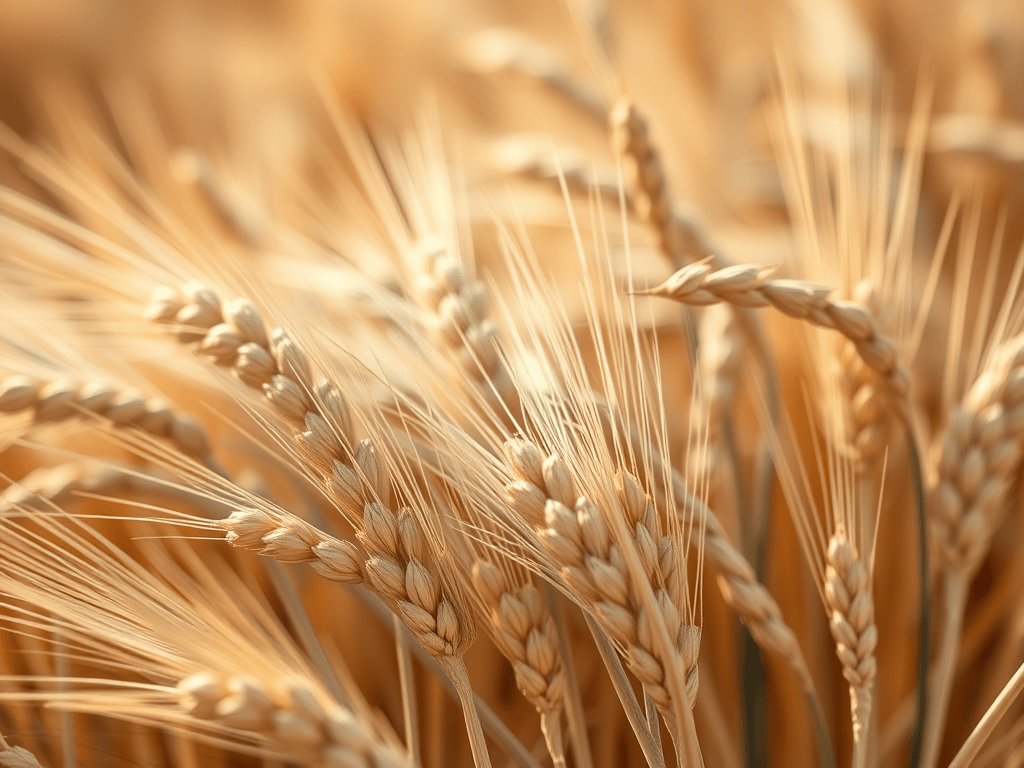
1. Sharbati wheat
Features:
- A popular variety grown in Madhya Pradesh & Rajasthan.
- High yield, soft texture, good taste.
- Richer in protein, dietary fibre and certain minerals compared to generic wheat.
- Good for making traditional Indian breads due to its texture.
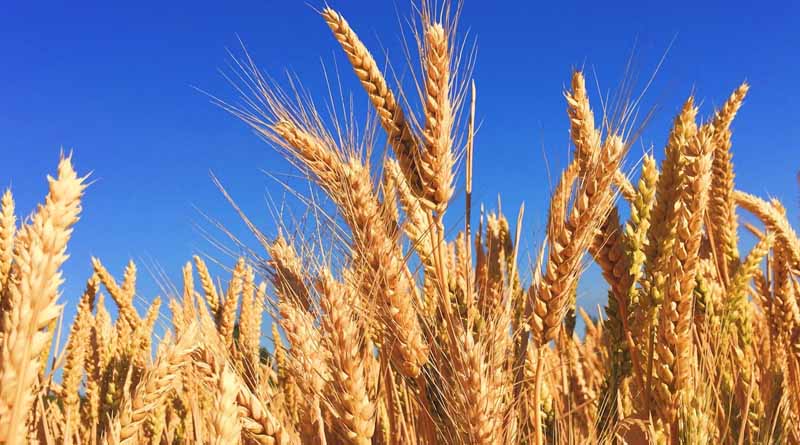
When to use/why choose: If you are looking for wheat for domestic consumption (chapatis/rotis) with good eating quality and moderate yield.
2. Sonalika wheat
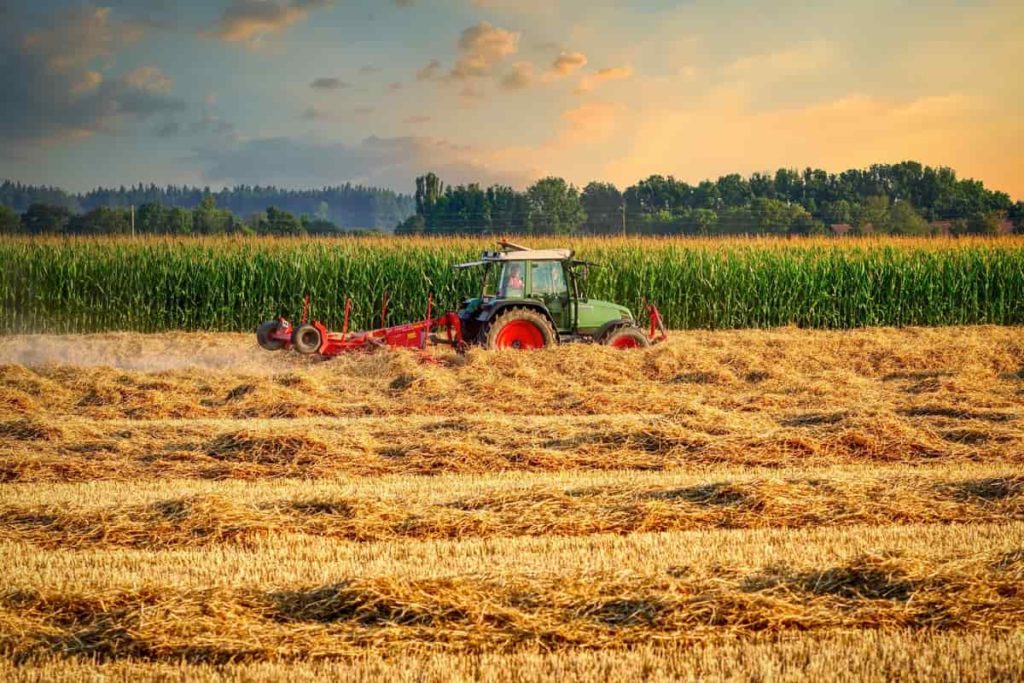
Features:
- A high-yielding wheat variety grown in states like Punjab, Haryana and Uttar Pradesh.
- Known for good taste and texture.
- Often chosen when yield + quality both matter.
When to use/why choose: Suitable for farmers who want dependable yield and decent market/consumer acceptance.
3. Bhalia wheat
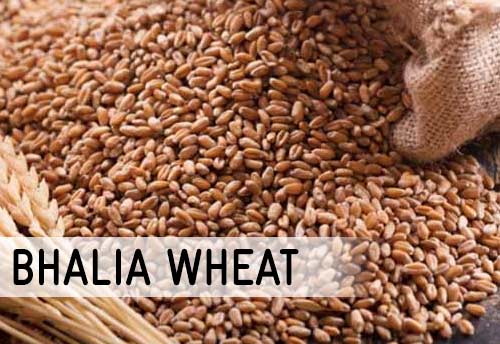
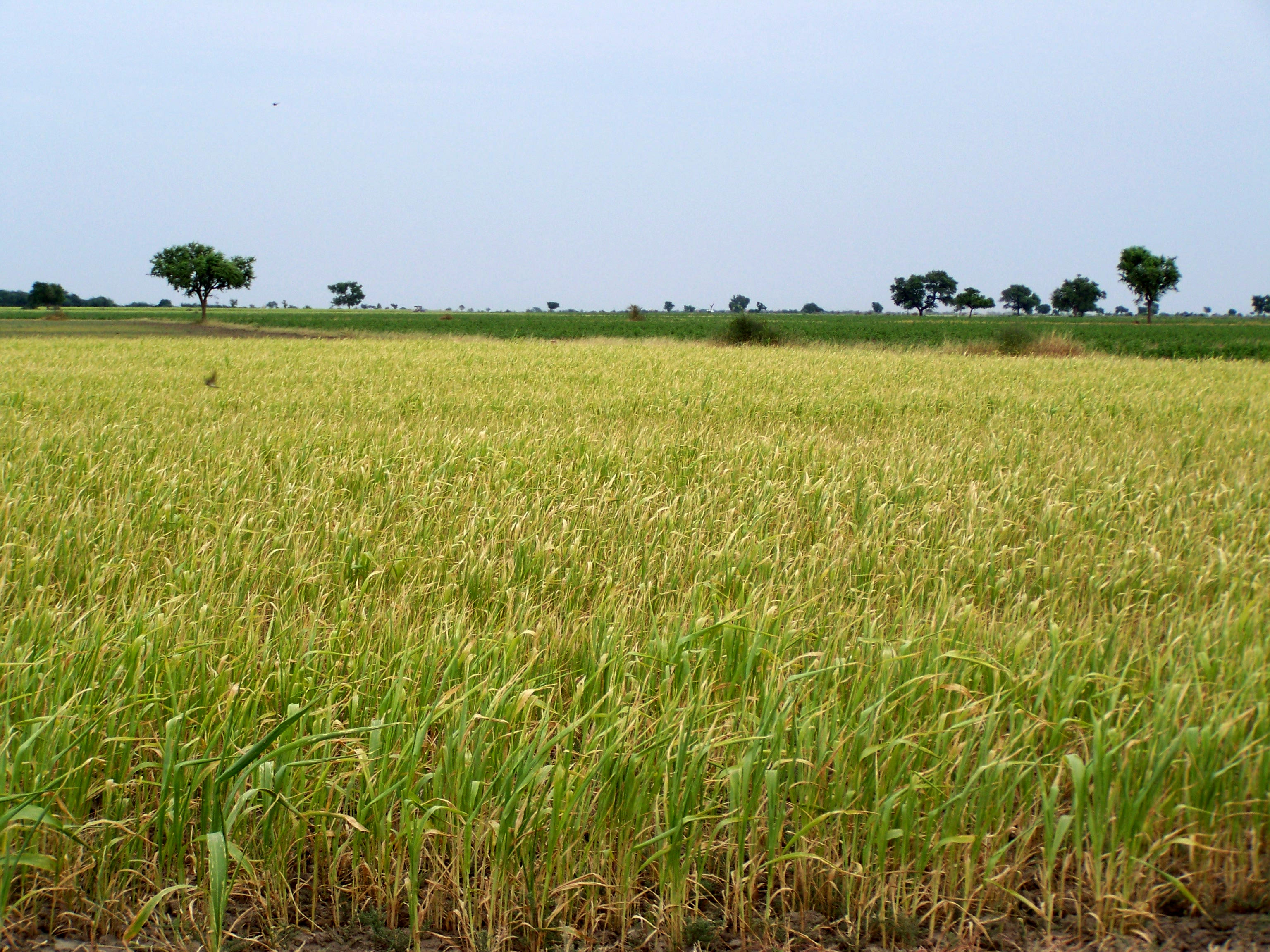
Features:
- A long-grain variety from the Bhal region of Gujarat; bears a GI (Geographical Indication) tag. (Wikipedia)
- Has higher carotene content and amber coloured grains. (Wikipedia)
- Grown under very specific agro-climates (soil + moisture) – sometimes with minimal irrigation. (Wikipedia)
When to use/why choose: For niche markets or premium grain markets where grain colour and uniqueness matter (rather than only yield).
4. Durum wheat (Triticum durum)
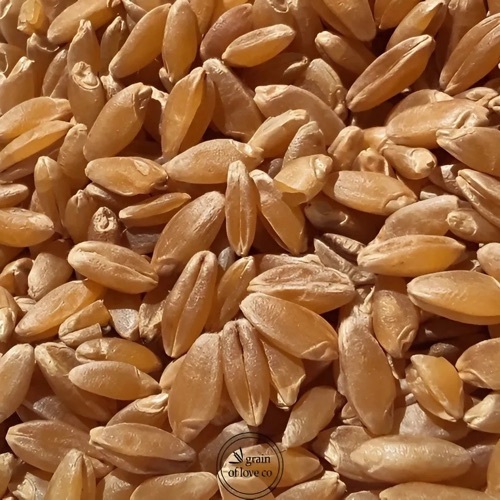
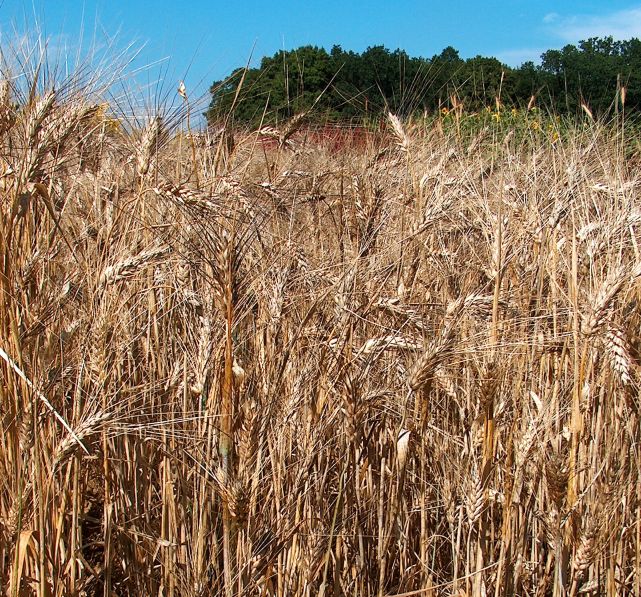
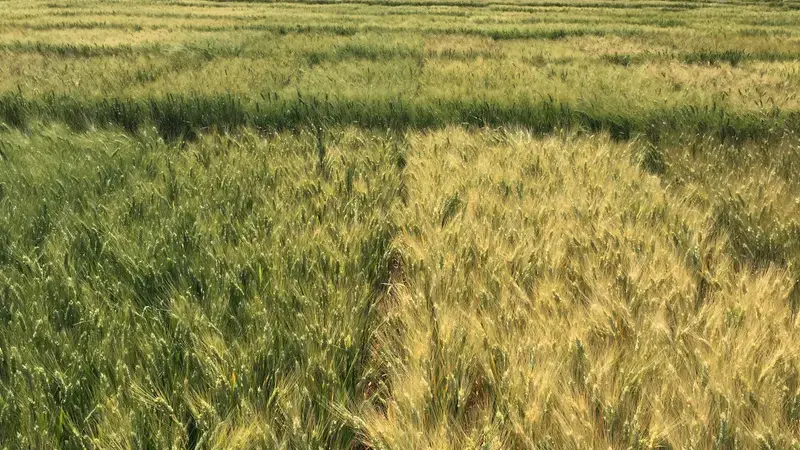
Features:
- A “hard” wheat species, typically used for pasta, semolina, couscous.
- Higher gluten strength, amber/yellow‐ish grains.
- In India, less in area than bread‐wheat but important for certain product types.
When to use/why choose: When your aim is value‐added products (pasta, semolina) or when the product market demands a harder wheat grain.
5. Khapli wheat (Emmer, Triticum dicoccum)
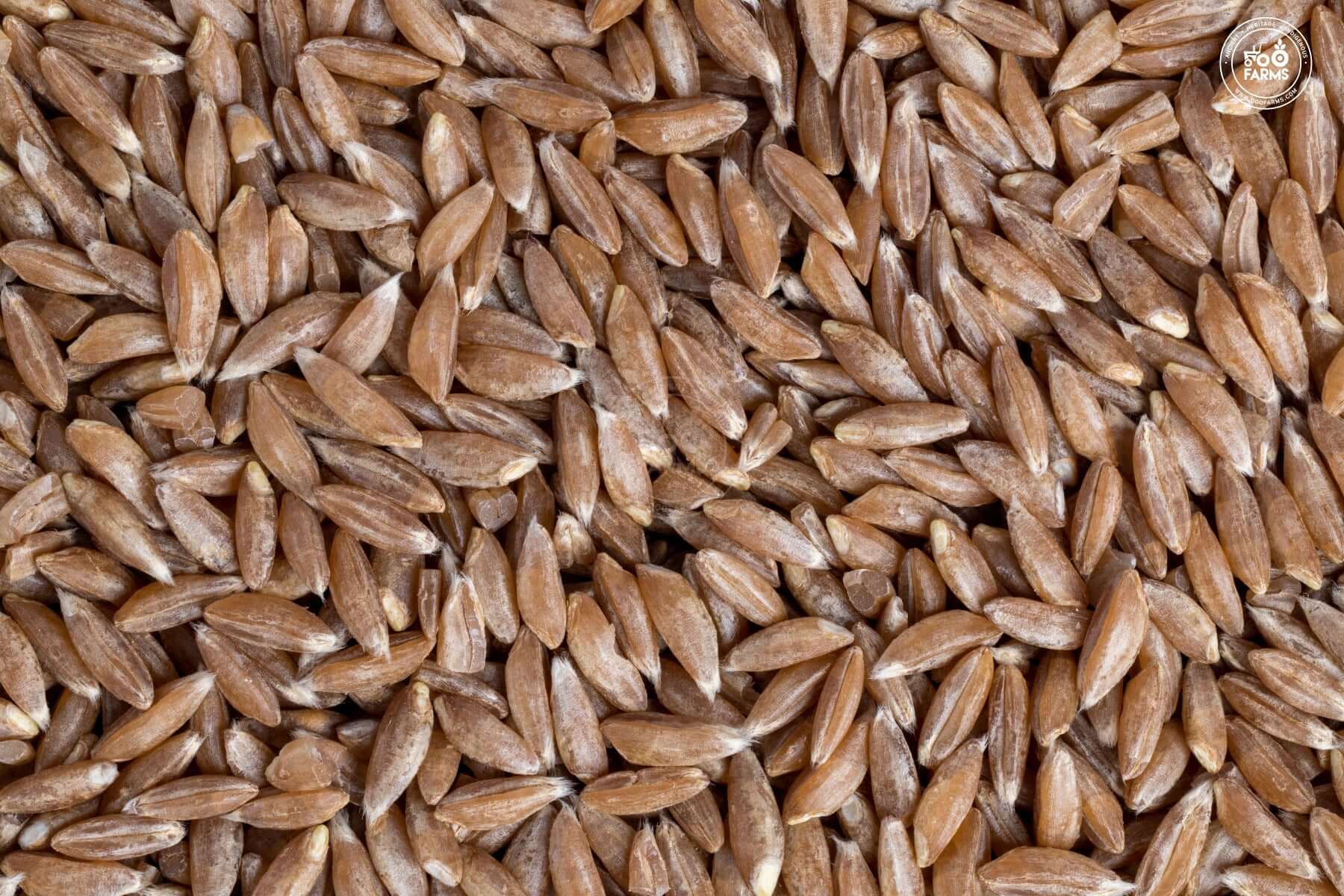
Features:
- An ancient wheat type, sometimes called emmer wheat.
- Higher fibre and protein content; often used in speciality or “heritage grain” markets.
- May yield less than modern high-yield varieties, but has niche appeal.
When to use/why choose: For speciality farming, health grain markets, or small-scale premium product lines.
6. Kharchia wheat (Landrace salt‐tolerant variety)

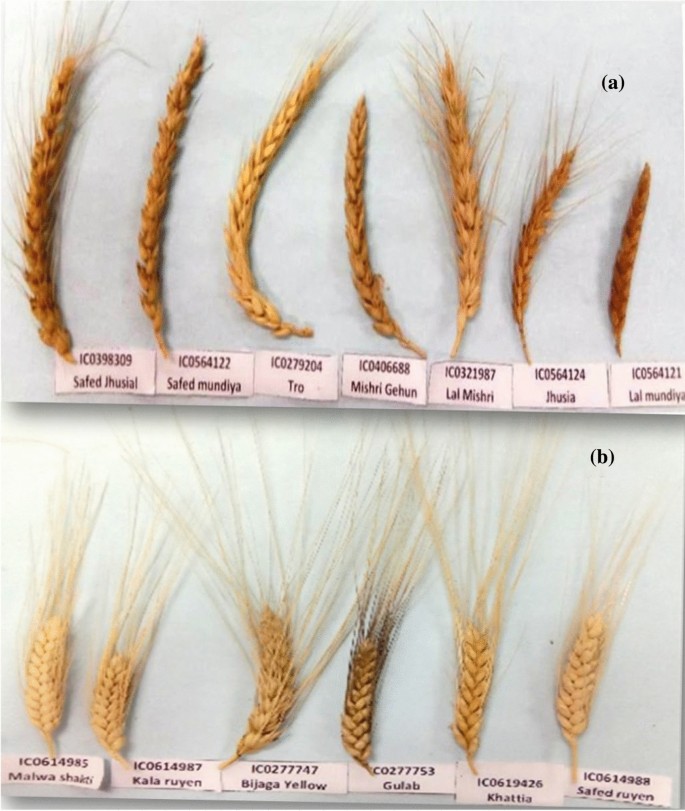
Features:
- A tall landrace wheat cultivar from Rajasthan (Kharchia region) adapted to sodic / saline soils. (Wikipedia)
- Red‐grained; used as a base in breeding for salt tolerance. (Wikipedia)
- Yields lower than typical modern varieties in standard conditions, but shines in challenging soils.
When to use/why choose: When your land has saline or sodic conditions, or when you wish to cultivate wheat in less‐ideal soils and still achieve production.
7. Modern high‐yield/early‐maturity varieties (Bread-wheat improved types)
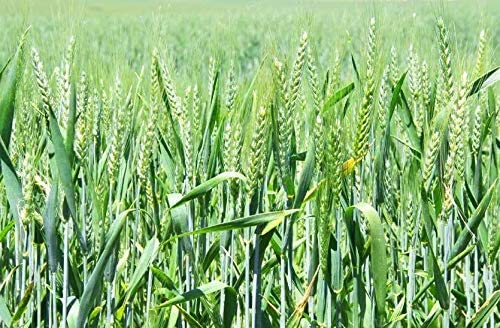


Features:
- Many varieties (e.g., PBW 343) dominate large cultivation areas in India.
- Released by breeding programs with traits like rust resistance, higher yield, suitability for irrigated conditions.
- Quick maturity, good tillering, adaptable to major wheat‐zones of India. (APEDA)
When to use/why choose: For large‐scale commercial wheat farming under standard agronomic conditions, where yield + disease resistance matter most.
✅ Summary comparison
| Variety Type | Key Strengths | Typical Tradeoffs |
|---|---|---|
| Sharbati / Sonalika | Good eating quality + decent yield | May cost more seed / require better inputs |
| Bhalia / niche grain types | Premium grain, unique market | Possibly lower yield, specific soils/climate |
| Durum wheat | Excellent for pasta / special products | Needs hard‐grain market; may require different processing |
| Khapli (Emmer) | Heritage / health market appeal | Lower yield, less mainstream |
| Kharchia (landrace) | Adapted to harsh soils (saline) | Lower yield, fewer inputs may still needed |
| Modern improved bread wheat | High yield, disease‐resistant | Seed cost may be higher; input needs higher |
🧭 Practical Tips for Choosing / Managing Wheat Seed Varieties
- Soil & climate fit: Choose a variety suited to your agro‐climatic zone, soil condition (e.g., saline vs good soil).
- Yield vs quality: If market demands premium grain (colour, texture), go for speciality varieties; if bulk production, choose high-yield bread‐wheat.
- Resistance & maturity: Check for rust/disease resistance, lodging resistance, maturity time (important if you have late sowing).
- Seed quality: Ensure certified seed, good germination, purity.
- Crop management: Varieties differ in tiller count, maturity time, fertilizer response. Adjust your agronomy accordingly.
- Market demand: If you are selling grain, check what buyers/local mills prefer (soft wheat vs hard wheat vs speciality).


Leave a Reply