
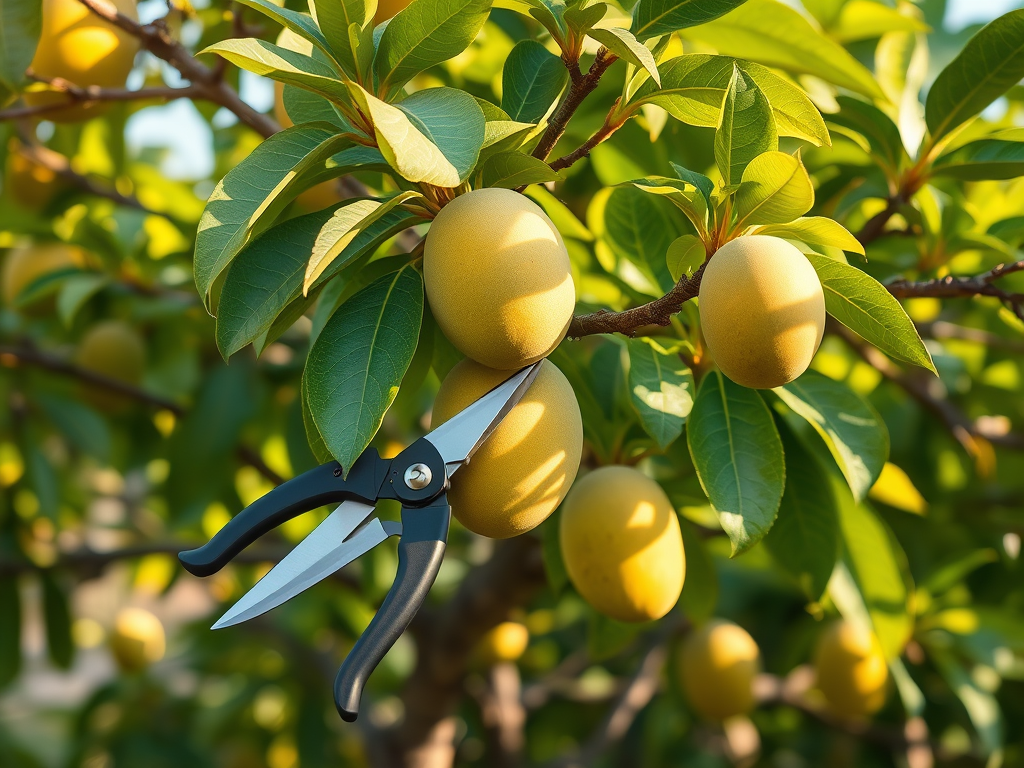
Pruning: A Detailed Guide
Pruning (छंटाई) is a vital horticultural practice that involves selectively removing parts of a plant, such as branches, buds, or roots, to enhance growth, improve yield, or shape the plant. The primary objectives of pruning include encouraging healthier growth, preventing disease, enhancing fruit production, and maintaining the overall appearance and structure of the tree.
In the context of fruit trees, pruning is not just about removing deadwood; it’s about guiding the tree to optimize its production and health over the years. This guide will explore the general principles of pruning and how they are applied to fruit trees in India, focusing on popular species grown in the region.
The Basics of Pruning
Before delving into the specifics of fruit tree pruning, it’s essential to understand the general objectives and methods of pruning:
- Promote Healthy Growth: By removing damaged, diseased, or dead branches, you enable the tree to direct its energy toward healthy growth.
- Improve Air Circulation and Light Penetration: Pruning opens up the canopy, allowing sunlight to reach more parts of the tree, which is essential for photosynthesis.
- Control Size and Shape: Some trees are pruned to maintain a manageable size, which is particularly important in urban or small-space gardening.
- Encourage Fruit Production: Regular pruning helps trees to focus their energy on producing quality fruit rather than excessive growth.
- Remove Infected or Diseased Parts: Pruning helps prevent the spread of pests and diseases by removing infected parts of the tree.
Pruning Techniques
Pruning can be performed using several techniques, depending on the desired outcome. These include:
- Heading Back: This involves cutting the tips of branches to promote branching and encourage a bushier growth habit.
- Thinning: This involves removing whole branches from the base to allow better air circulation and light penetration.
- Crown Reduction: This technique reduces the size of the tree, usually done to limit the height of the tree or control its spread.
- Formative Pruning: Done when the tree is young, formative pruning shapes the structure of the tree, guiding its future growth pattern.
- Restorative Pruning: This technique is used to revitalize an old, overgrown, or neglected tree, often removing large sections of dead or diseased wood.
Pruning Fruit Trees in India
India’s diverse climate and soil conditions make it suitable for cultivating a wide variety of fruit trees. However, fruit trees require specific care to thrive, including proper pruning. Here’s how pruning is applied to the major fruit trees grown in India.
1. Mango (Mangifera indica)
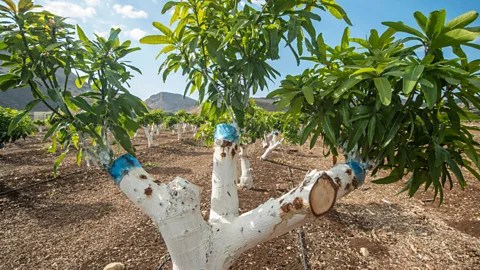
Mango आम is one of the most significant tropical fruits in India. Pruning mango trees is essential for better fruit production and to control their large size.
- Pruning Time: Mango trees are typically pruned during the post-harvest period, from December to February, before the new flowering cycle begins.
- Techniques:
- Selective Pruning: Remove weak, diseased, or broken branches.
- Heading Back: Cut back long shoots to encourage new growth, ensuring a strong framework of branches.
- Thinning: Thin out the inner branches to allow sunlight penetration and reduce overcrowding.
- Benefits: Proper pruning enhances mango fruit quality, facilitates better air circulation, and reduces the risk of pest attacks like powdery mildew and mealybug infestation.
2. Guava (Psidium guajava)
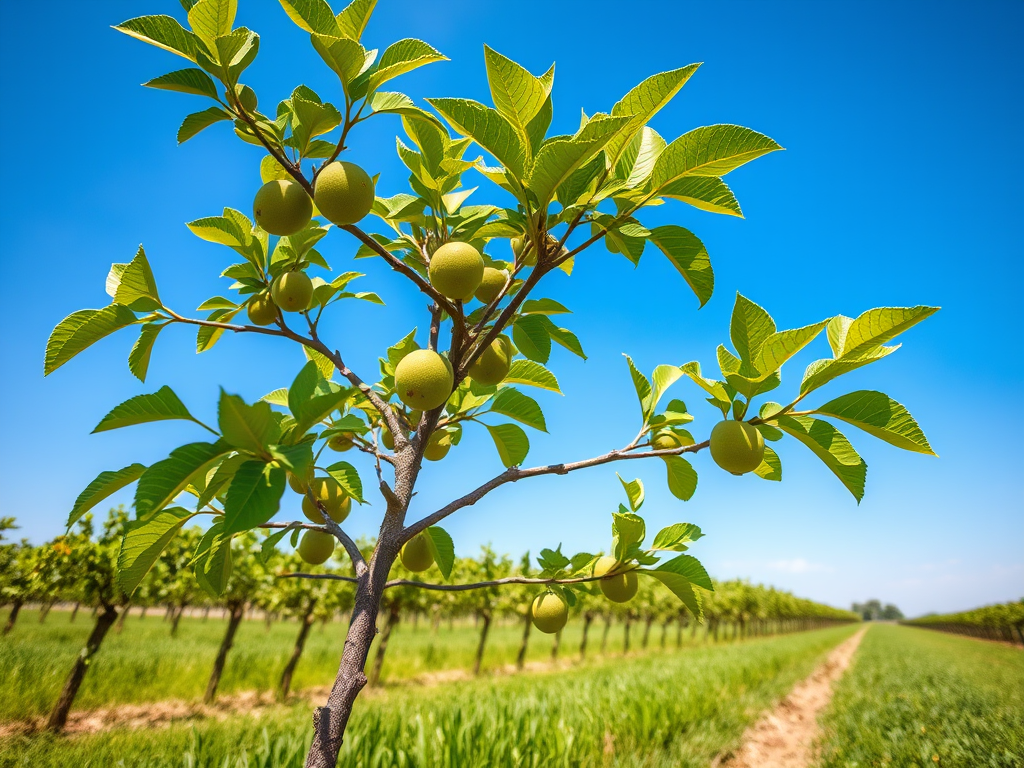
Guava अमरूद trees are widely grown across India. Pruning guava trees helps maintain their size and structure, leading to more fruitful yields.
- Pruning Time: Guava trees should be pruned during the dormant period, generally after harvesting in the late winter or early spring.
- Techniques:
- Heading Back: Shorten long branches to encourage the growth of lateral shoots, which are more productive.
- Thinning: Remove any weak or crossing branches that limit air flow and light penetration.
- Formative Pruning: Young trees are pruned to develop a strong central leader or vase-shaped canopy.
- Benefits: This promotes better fruiting by encouraging a good balance between vegetative growth and fruit production.
3. Apple (Malus domestica)
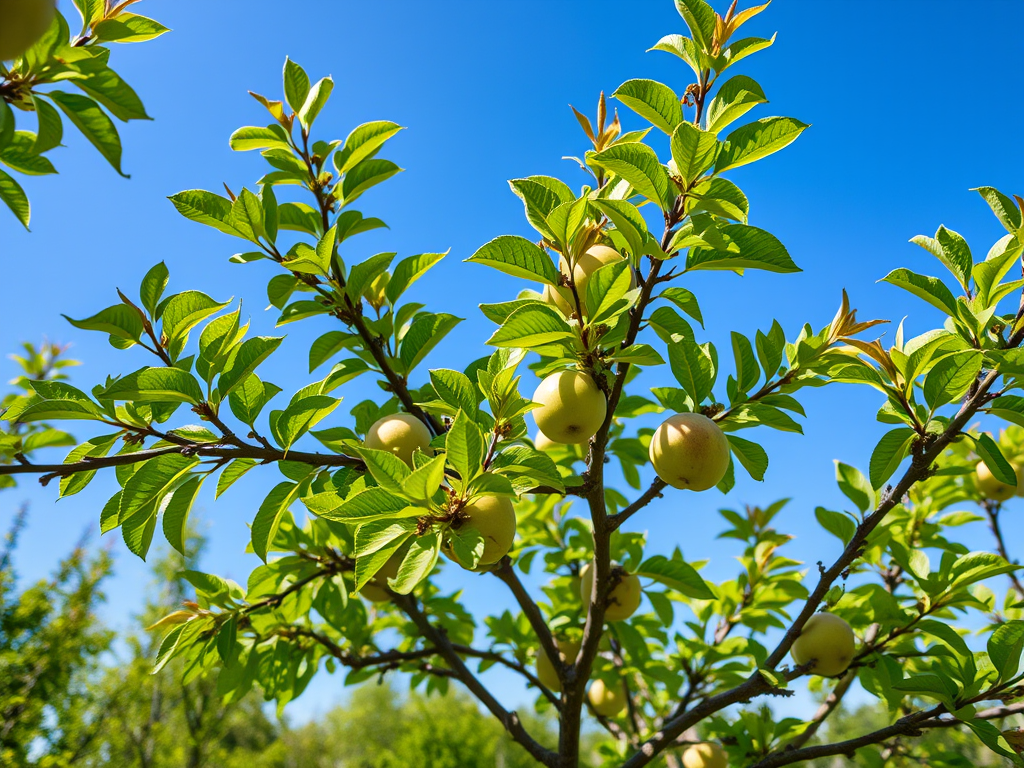
Although apples सेब are not native to India, they are grown in temperate regions like Jammu & Kashmir, Himachal Pradesh, and parts of Uttarakhand.
- Pruning Time: Pruning apple trees is done during the dormant season, ideally in late winter to early spring before bud break.
- Techniques:
- Thinning: Remove excessive fruit buds to improve fruit quality and size.
- Heading Back: Cut back long, leggy growth to encourage branching and prevent the tree from becoming too tall.
- Training: Apple trees are often trained to a central leader or open vase system for better light penetration and ease of harvesting.
- Benefits: Well-pruned apple trees are more productive and can withstand the weight of large fruit. Proper pruning also reduces the risk of diseases like apple scab and powdery mildew.
4. Citrus (Citrus spp.)
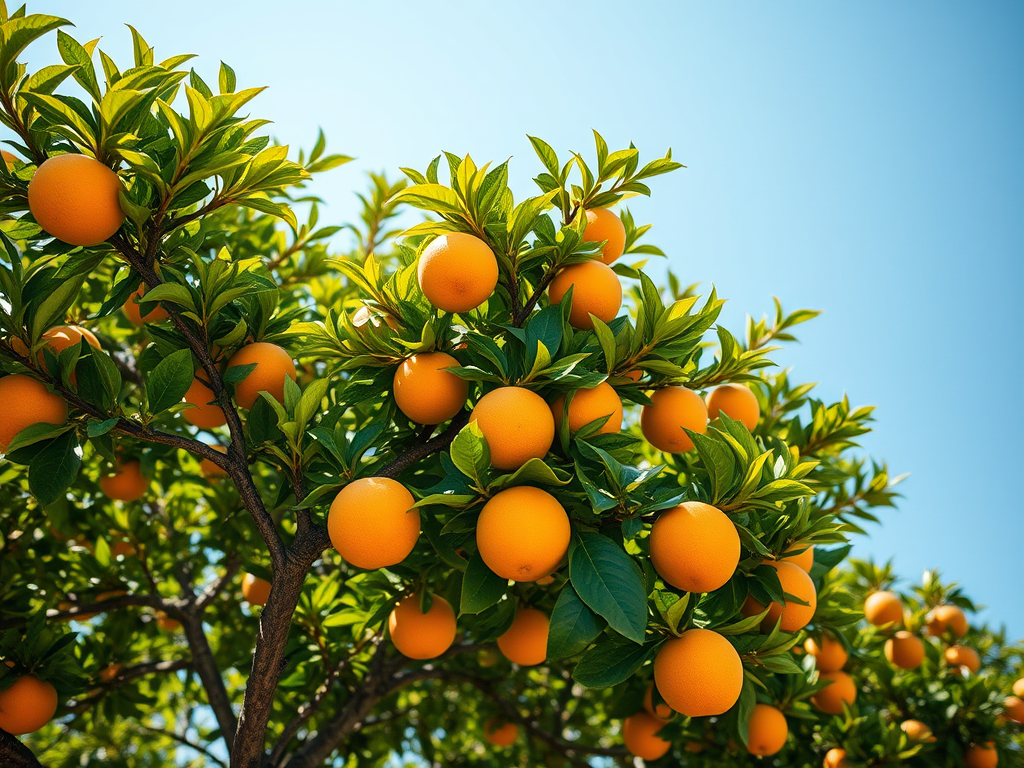
Citrus साइट्रस fruits such as oranges संतरे, lemons नींबू, and limes are widely grown in India. They are especially cultivated in states like Maharashtra, Andhra Pradesh, and Tamil Nadu.
- Pruning Time: Pruning citrus trees is typically done just after harvesting, during the late winter or early spring months.
- Techniques:
- Thinning: Remove any dead, diseased, or broken branches.
- Heading Back: Shorten long branches that may be prone to breakage or that limit sunlight to the center of the tree.
- Maintenance Pruning: Regularly remove suckers that emerge at the base or along the rootstock to direct energy toward fruit-bearing parts.
- Benefits: Proper pruning encourages better fruit set and increases resistance to diseases like citrus canker.
5. Pomegranate (Punica granatum)
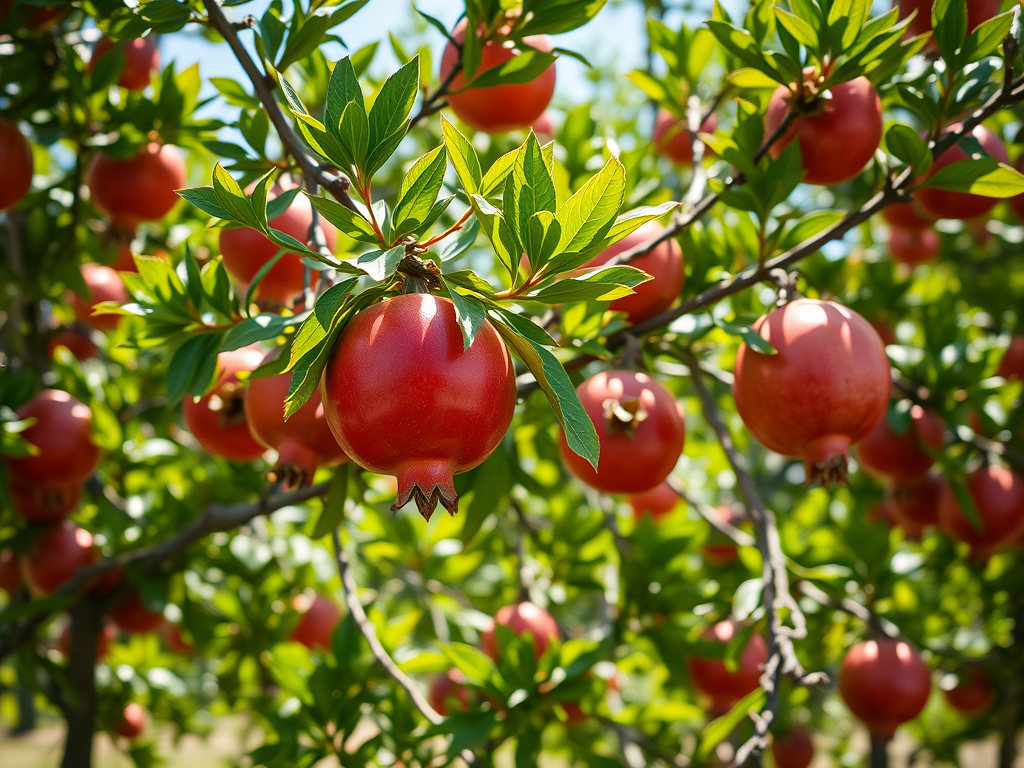
Pomegranate अनार is a hardy fruit grown in dry, arid regions of India, such as Rajasthan, Gujarat, and Maharashtra. It thrives in well-drained soils and requires careful pruning for optimal fruit yield.
- Pruning Time: Pruning should be done during the winter season (December to February) when the tree is dormant.
- Techniques:
- Thinning: Remove excess branches to allow for better sunlight penetration and reduce competition for nutrients.
- Heading Back: Trim back long branches to promote bushier growth and increase fruit-bearing branches.
- Formative Pruning: Shape young pomegranate trees into a strong framework, usually a bush-like form, to support the weight of fruit.
- Benefits: Pruning helps maintain a compact size, encourages multiple fruit-bearing shoots, and prevents overgrowth, which can reduce fruit quality.
General Pruning Tips for Fruit Trees in India
- Sanitation: Always use clean, sharp tools to avoid spreading diseases.
- Avoid Over-Pruning: While pruning is important, over-pruning can stress the tree and reduce fruit production. Avoid removing more than 20-30% of the tree’s canopy in one season.
- Prune During Dry Weather: Pruning during dry conditions reduces the chances of fungal infections and rot.
- Consider Tree Age: Young fruit trees should be pruned for shape and structure, while older trees may need to be pruned for rejuvenation and pest control.
- Fertilization Post-Pruning: After pruning, provide the tree with balanced fertilizers to support the new growth.
Conclusion
Pruning is an indispensable practice for maintaining healthy fruit trees and ensuring bountiful harvests. In India, where diverse climatic conditions prevail, pruning techniques must be tailored to the specific needs of each fruit tree species. By understanding the fundamentals of pruning and following the right practices for each type of tree, Indian farmers and gardeners can improve fruit quality, increase yields, and prolong the productive life of their trees.
Whether growing mangoes in the tropical south or apples in the temperate north, pruning is essential. It ensures that fruit trees not only survive but also thrive in India’s varied landscapes.


Leave a Reply