

Understanding Hydroponics
What is Hydroponics?
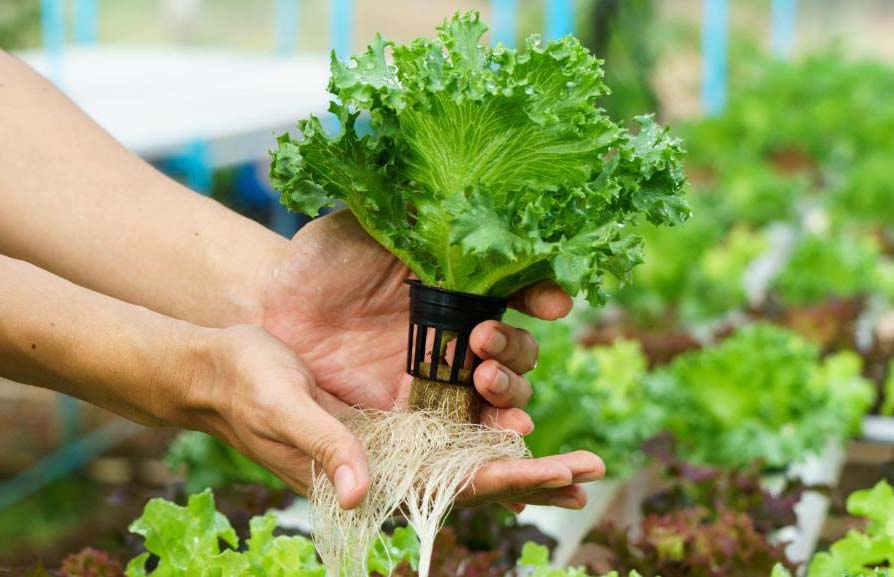
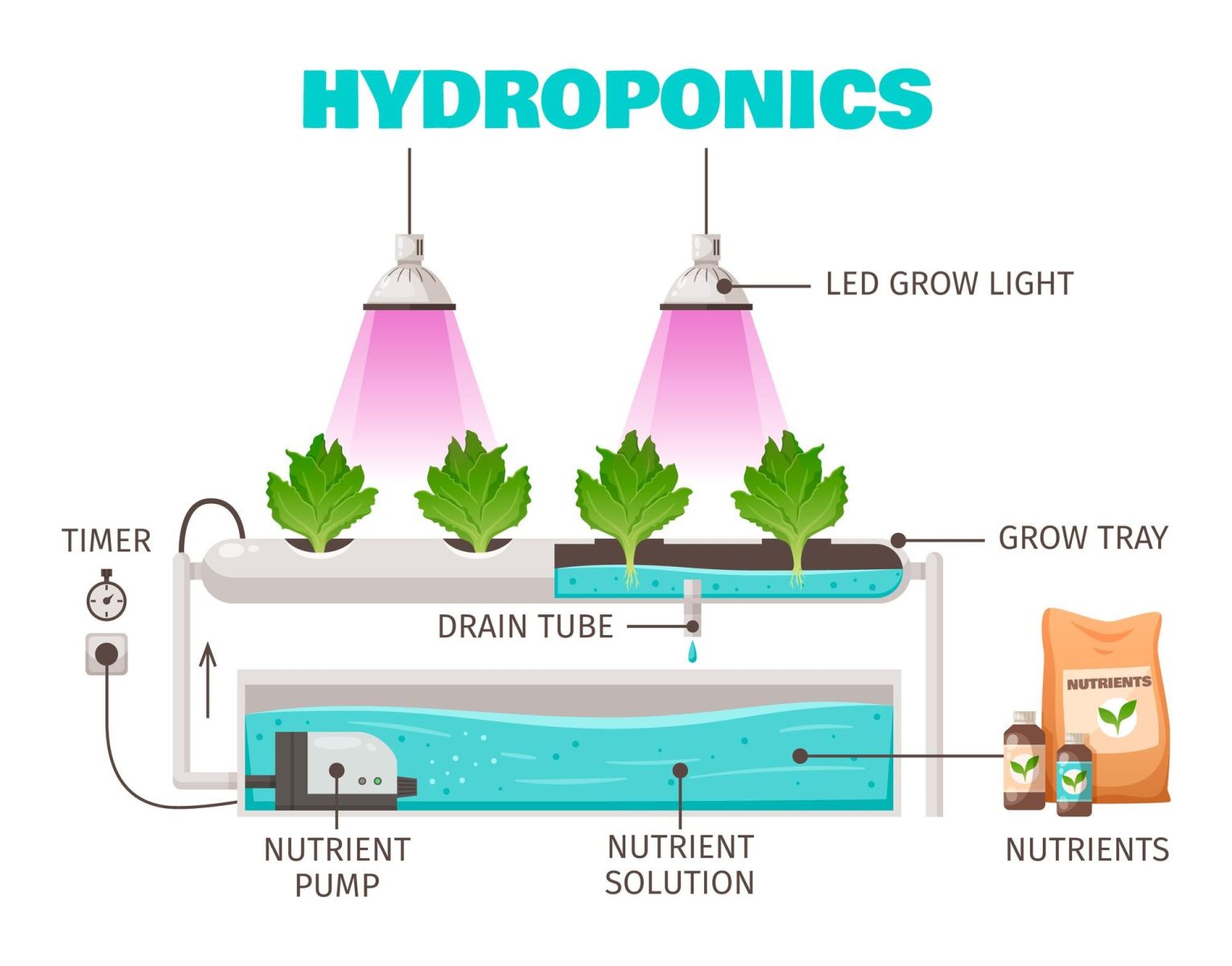
Hydroponics or Aquaponics is the cultivation of plants without soil. It uses nutrient-rich water solutions to deliver essential nutrients to plant roots. Optionally, inert growing media can be used.
In simpler terms: instead of growing in soil, plants are grown in water. You control exactly what nutrients they get and when they receive them.

A Little History & Context
- The term comes from Greek hydro (“water”) + ponos (“labor” or “work”) — so literally “water work”.
- Research into soilless culture of plants has been ongoing for decades. The “water culture” technique was being used more than a century ago.
- It started in lab settings, later greenhouses, and more recently scaled to commercial and urban farming contexts.

Why Hydroponics Matters
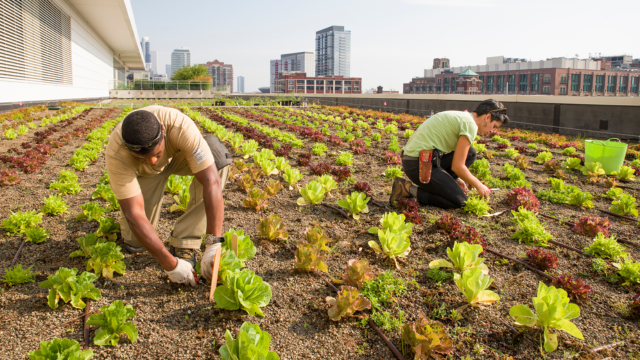
- Allows cultivation where soil is poor or unavailable (rooftops, deserts, eroded land).
- Offers very high control over nutrient delivery, environment, water use, and crop growth.
- Because of land & water constraints, hydroponics is emerging as a sustainable alternative. This is especially true in many parts of India and globally. It serves as an alternative to traditional soil farming.
Key Components & Principles


Growing Medium vs No Medium
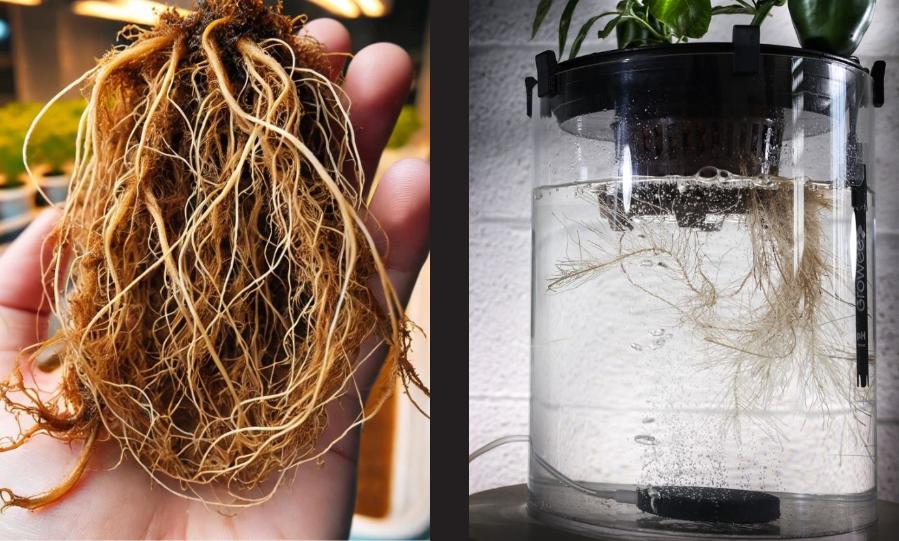
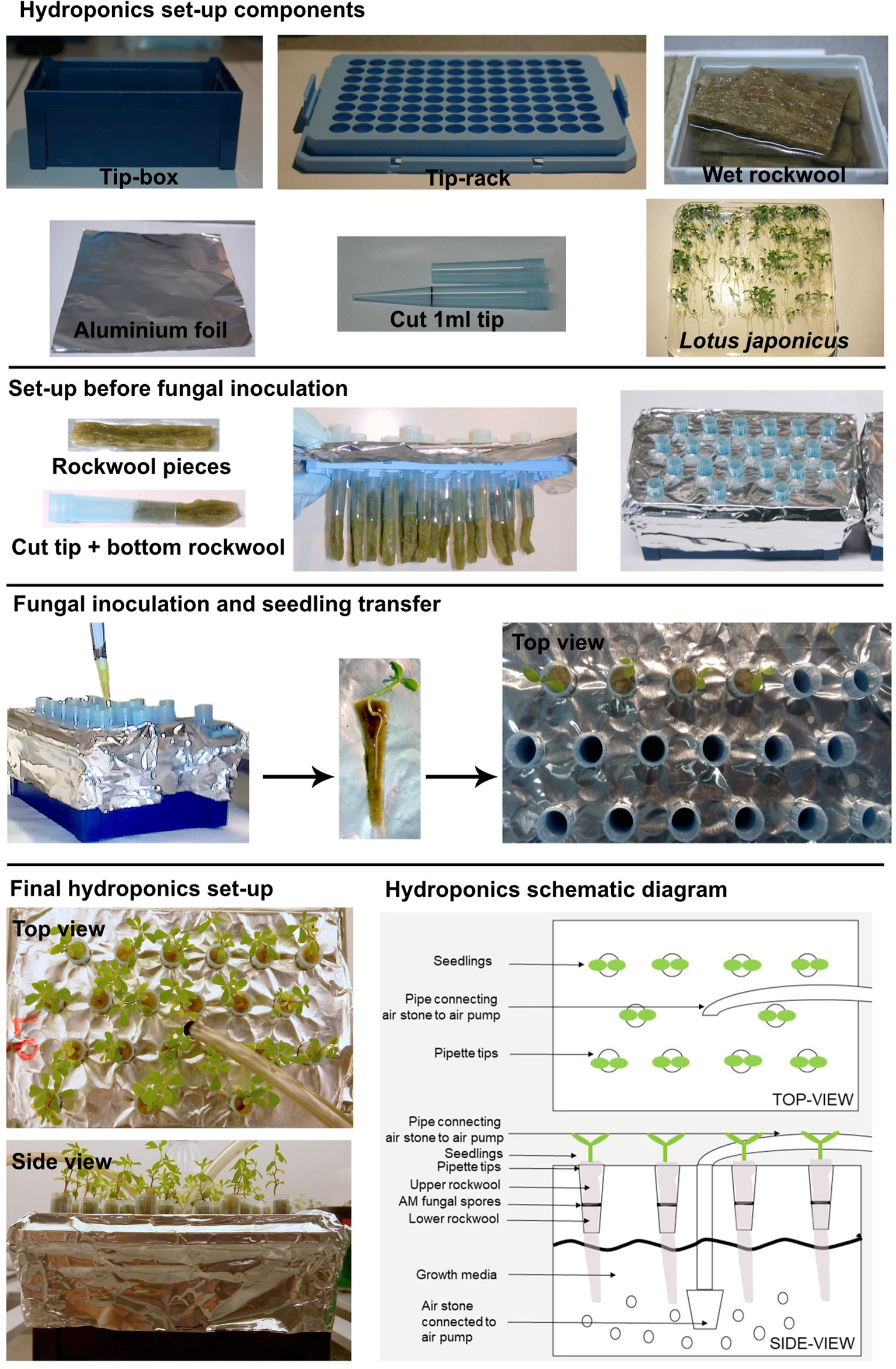
- In many hydroponic systems, plants may be simply supported and their roots immersed in nutrient solution. In other systems, an inert medium (e.g., rock wool, clay pellets, perlite, coconut coir) supports the plant physically while nutrient solution flows around or through the medium.
- Choosing the right medium matters for aeration, drainage, root health, and cost.
Nutrient Solution
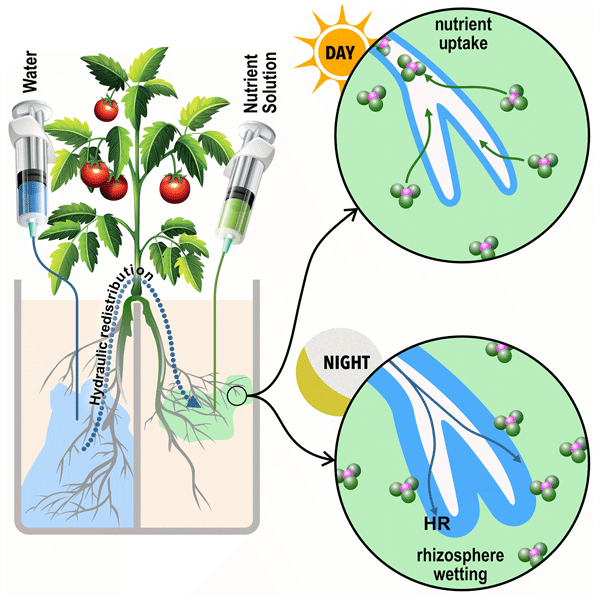
- Plants still require all the essential elements (nitrogen, phosphorus, potassium, calcium, magnesium, and micro-nutrients like iron, manganese, boron, etc.). In hydroponics, these are supplied via solution.
- Parameters like pH, total dissolved solids (TDS), or electrical conductivity (EC) are very important. The oxygenation of the root zone is also crucial. Additionally, temperature matters a lot.
Environment Control
- Soil is not buffering many variables. Therefore, one must control or monitor light (intensity and spectrum), temperature, and humidity. Airflow, root zone oxygenation, and nutrient flow/recirculation must also be monitored.
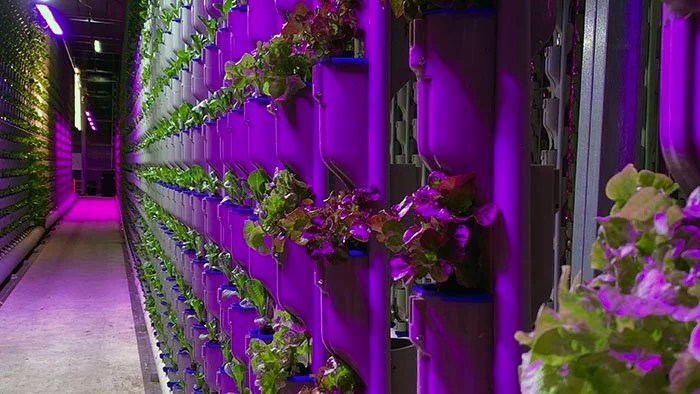
- For indoor or vertical hydroponic farms, lighting (often LED) and climate-control become major factors.
System Types
There are several common techniques; here are a few:
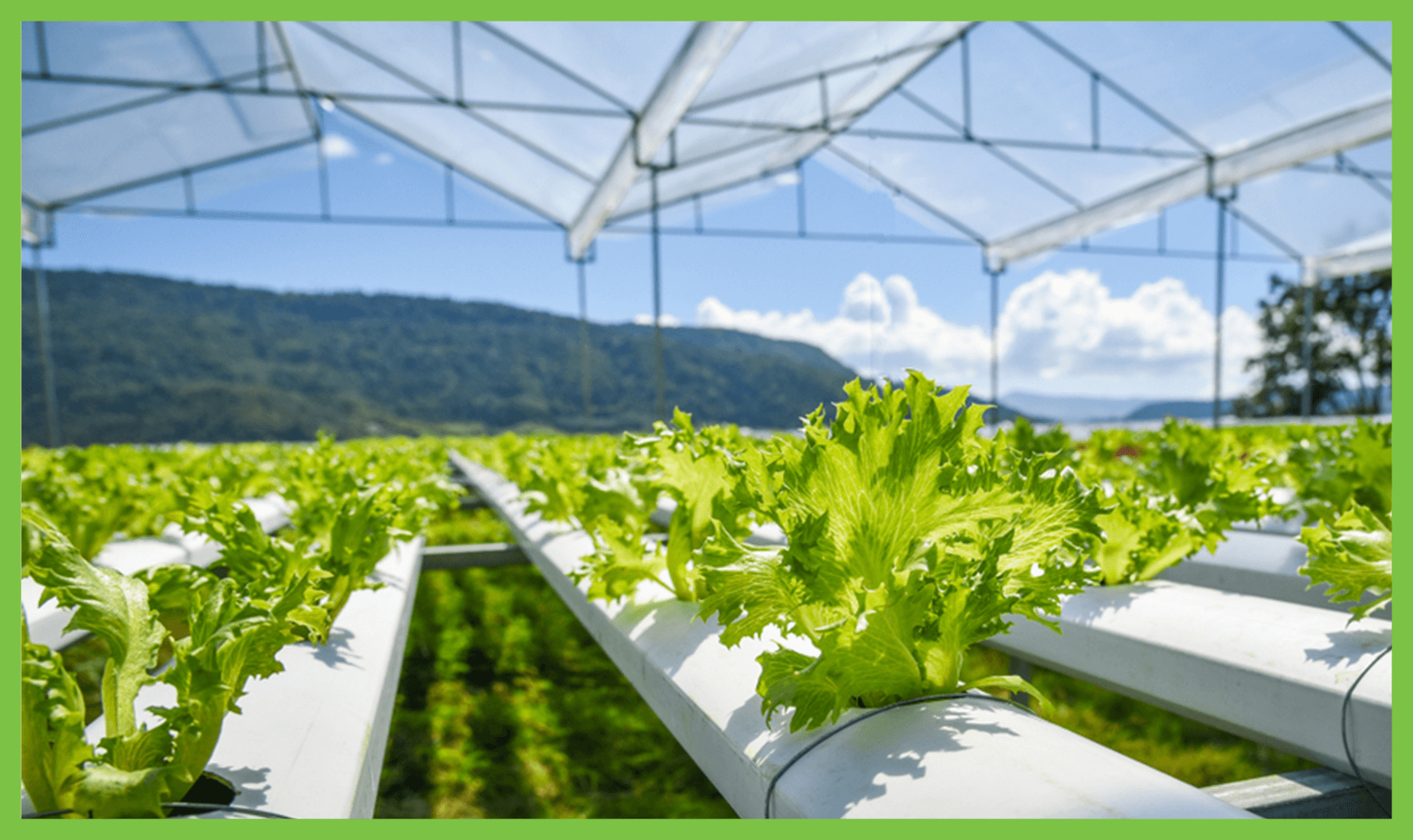
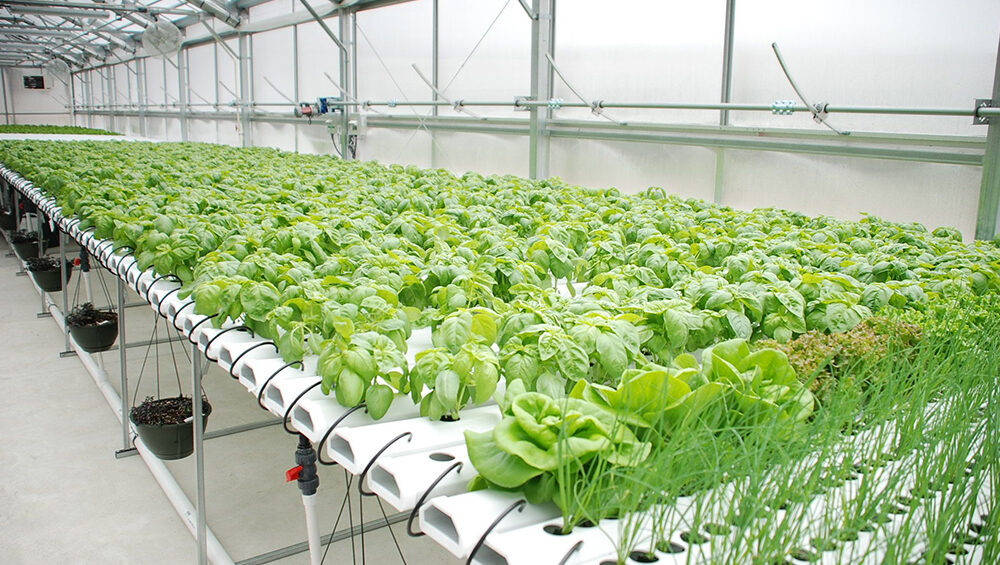
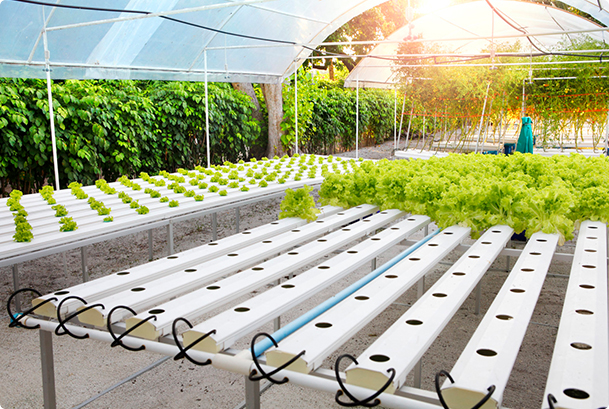
- Nutrient Film Technique (NFT): A thin film of nutrient solution flows past the roots which are in a shallow channel. (Wikipedia)
- Deep Water Culture (DWC): Plants are suspended and their roots immersed in oxygenated nutrient solution (often floating raft systems). (Wikipedia)
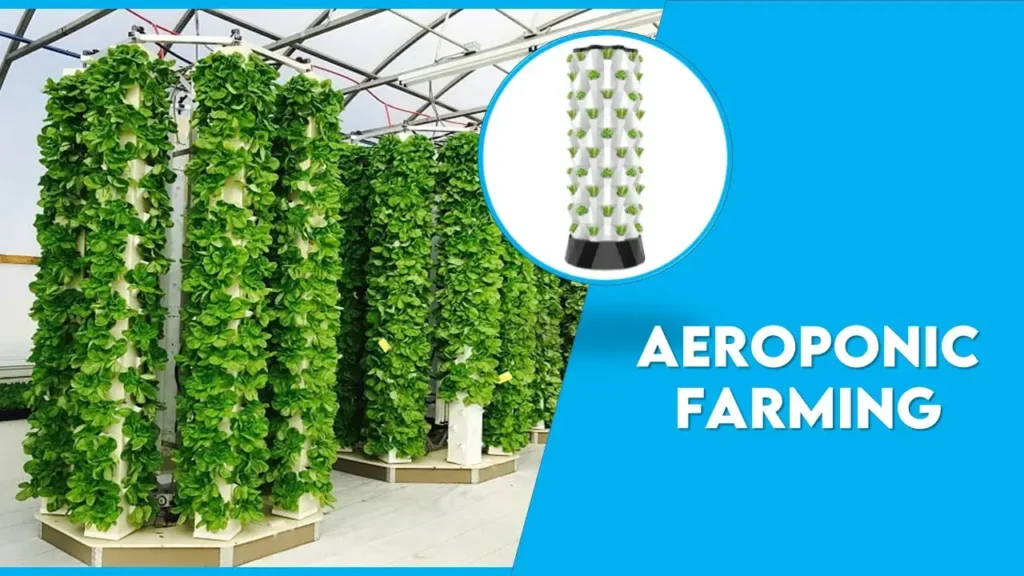
- Other methods include ebb & flow / flood and drain, aeroponics (roots misted), run-to-waste systems, etc.
- Each has trade‐offs in cost, complexity, water use, risk, suitability for different crops.
Benefits of Hydroponics


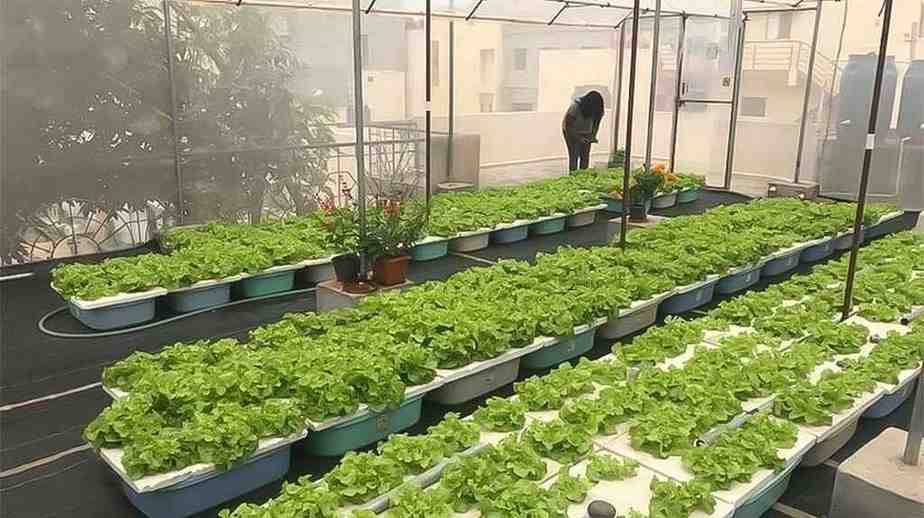
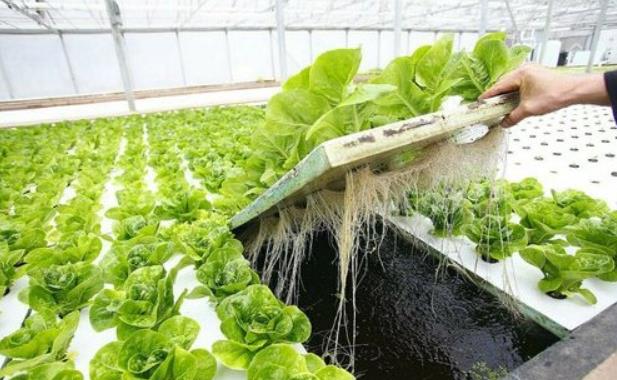
- Water Efficiency – Many hydroponic systems use significantly less water than traditional soil farming because water is recirculated and less lost via evaporation/runoff.
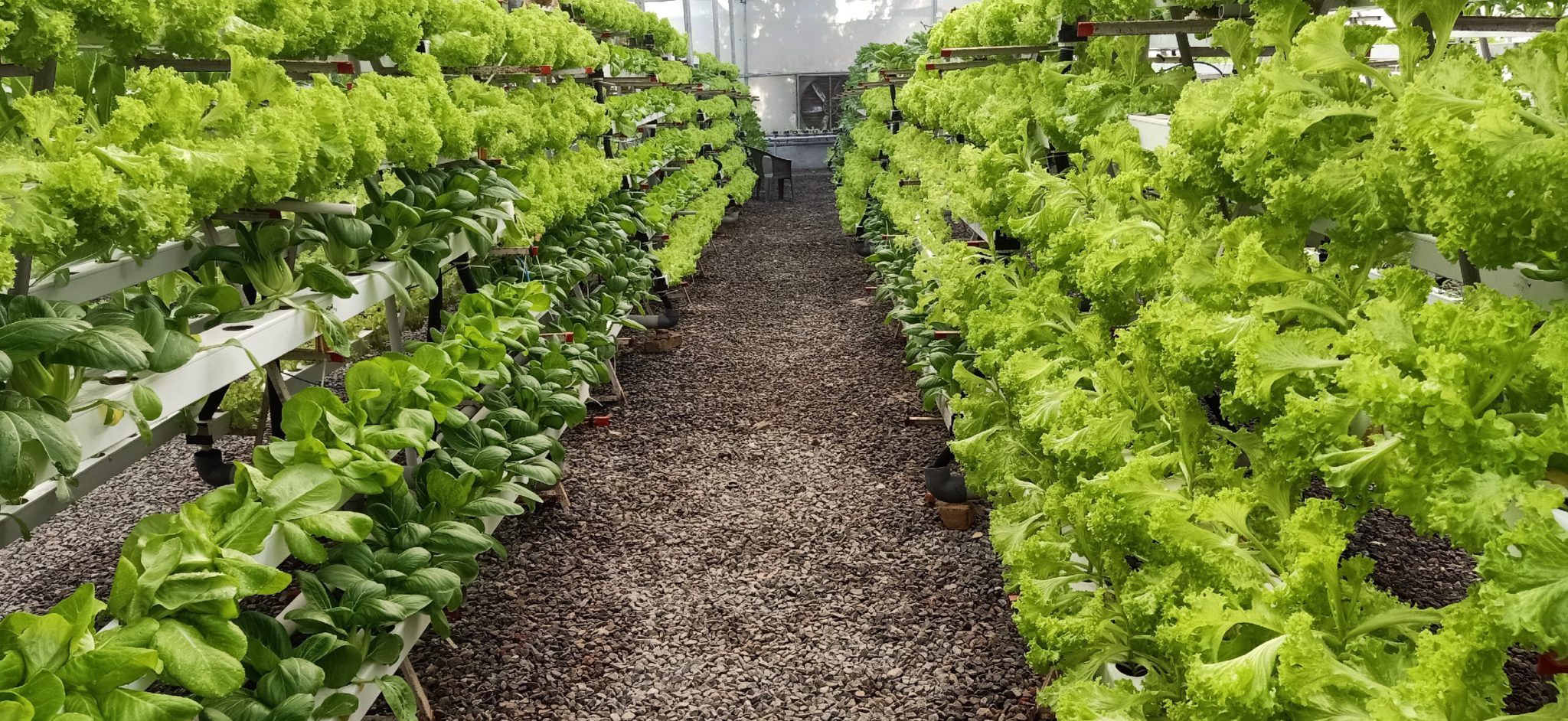
- Space Efficiency & Urban Suitability – You can stack growing layers, use rooftops or indoor spaces, making it useful where land is limited.
- Faster Growth / Higher Yields – Because nutrients are directly accessible and controlled, growth rates can be higher and cycles shorter.
- Reduced Pest & Soil-borne Disease Pressure – Without soil, many soil‐borne pathogens/pests are less of an issue.
- Sustainability & Urban Food Security – Especially relevant for places with water scarcity, poor soils, or high population density.
Challenges & Constraints
- High Initial Investment / Capital Costs – Many hydroponic/aquaponics systems (especially climate-controlled indoor ones) require significant infrastructure and technology.
- Technical Complexity & Monitoring Required – Mistakes in nutrient solution, pH, root oxygenation, lighting or other environment control can rapidly damage the crop.
- Energy Use – For indoor systems, LED lighting, pumps, climate control add energy costs; power failures can be catastrophic.
- Crop Suitability & Scale Issues – Not all crops are equally suited; often leafy greens or herbs are easier than long-season/vining crops. Scaling up can be challenging.
- Market & Business Model Risks – The promise is strong, but achieving profitability, distribution, market demand, and cost control is still non‐trivial.
- Sustainability Caveats – Despite reduced water use, energy use may be high; and some question the definition of “organic” for hydroponic produce.
Hydroponics in India & Recent Trends
Market & Uptake
- According to a blog on the Indian investment promotion site, hydroponics or Aquaponics in India is gaining traction: suitable for urban & peri-urban areas as farming without soil with land and water constraints.
- The global hydroponics market is projected to grow significantly (e.g., estimated at USD 12.1 billion in 2022 and USD 25.1 billion by 2027).
- Indian publications note hydroponics as a “sustainable farming revolution” given the challenges of conventional agriculture in the country.
Indian Specific Considerations
- Crops: Leafy greens, herbs, exotic vegetables have been common applications in India’s hydroponics sector.
- Investment scale: For example, for a 1 acre hydroponic farm (rain-proof / automated) in India, the cost may be quoted in the range of several tens of lakhs of rupees.
- Technology adoption: Newer studies from Indian context discuss sensors, smart greenhouse systems for hydroponics (monitoring pH, nutrient levels, environment) gaining ground.
How to Set Up a Hydroponic System (Basics)

Here’s a high-level checklist / steps to consider when setting up a hydroponic system:
- Select crop(s) – Decide what you intend to grow (e.g., lettuce, herbs, tomatoes, peppers). Crop choice affects system type, space, cost, marketing.
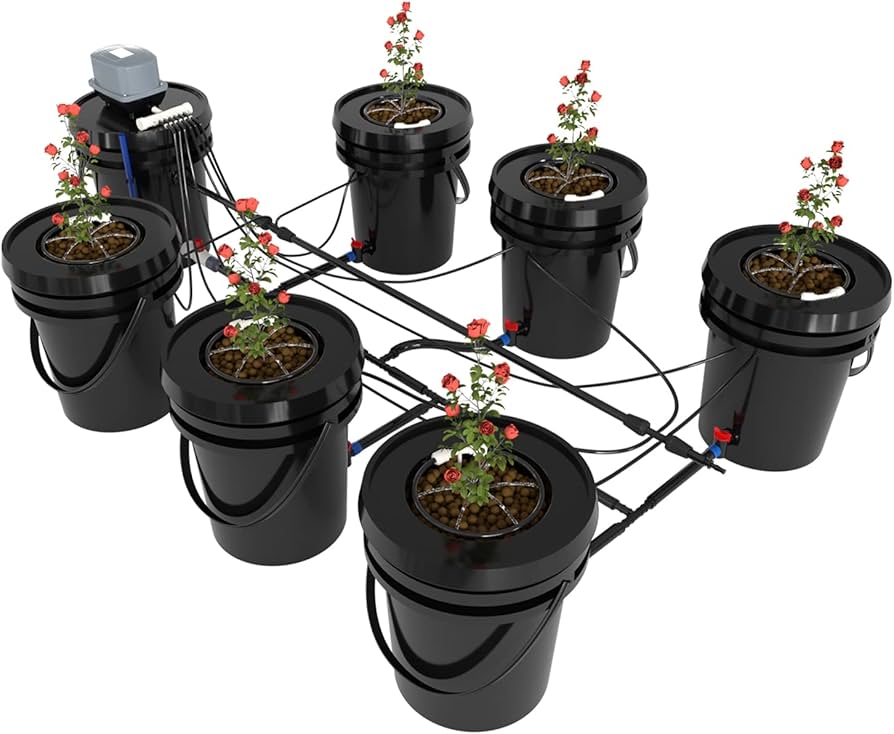
- Choose system type – Based on crop, space, budget: e.g., NFT for leafy greens, DWC for rafts, Dutch bucket for vine crops, run-to-waste for simpler setups.
- Choose location / infrastructure – Indoor vs greenhouse vs rooftop; light (natural vs supplemental), electricity, water supply, drainage, ventilation.
- Growing medium (if required) – If using substrate, choose per crop needs (e.g., rock wool, clay pellets, coconut coir).
- Reservoir & nutrient solution – A tank/reservoir holds the nutrient solution; you’ll need pumps, aeration, monitoring (pH, EC/TDS). Ensure proper oxygenation of roots.
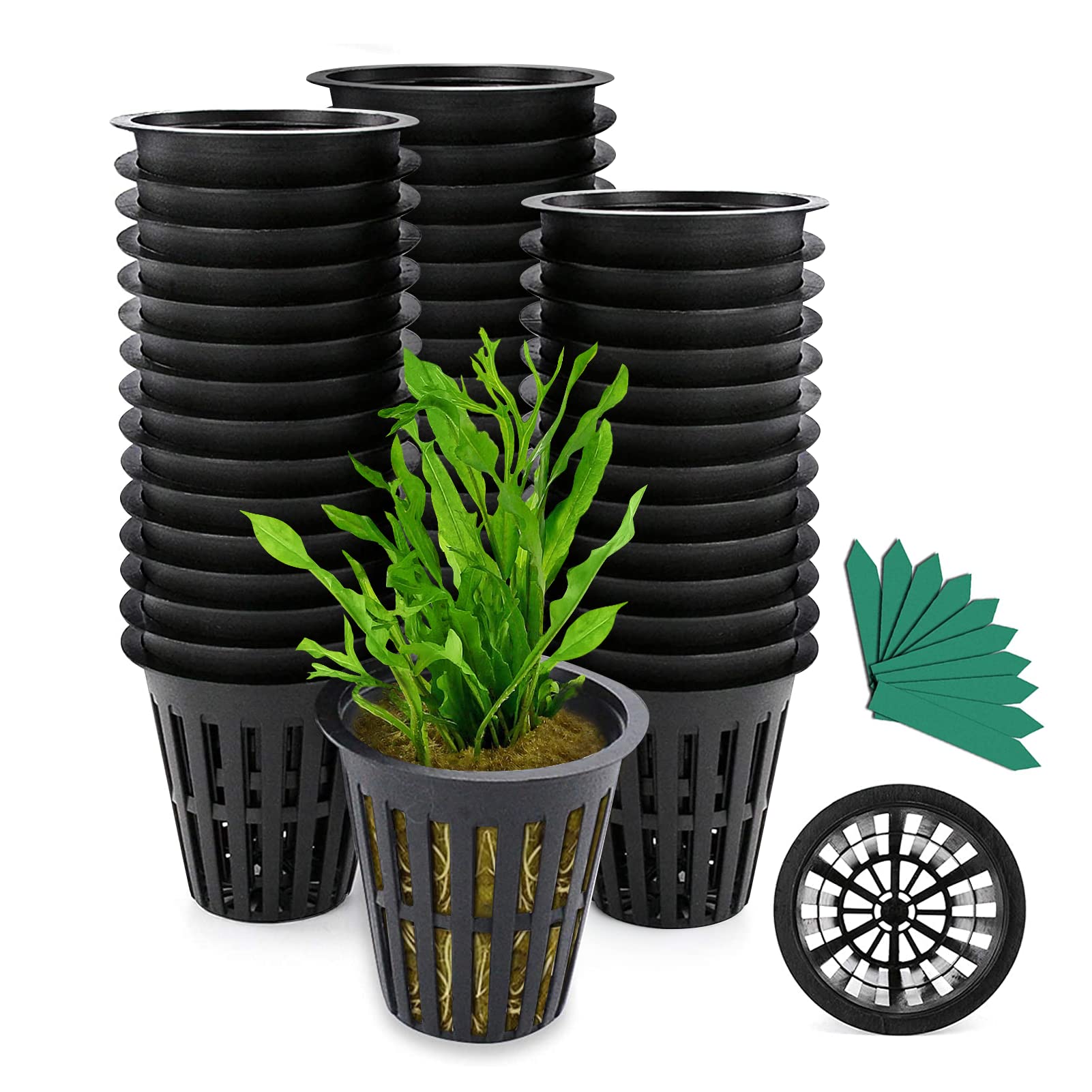
- Support & planting – Net-pots, channels, rails, support for the plants. Root environment must be favourable (not water-logged, good oxygen).
- Lighting & environment – For indoor setups: choose lights (LED), set photoperiods, control temperature/humidity. For greenhouse or semi-outdoor: consider shading, heating/cooling, ventilation.
- Monitoring & maintenance – Frequent checking of pH, nutrient concentration, root health, system cleanliness (to avoid algae, root rot, disease).
- Harvesting & marketing – Plan for harvesting cycle, post-harvest handling, packaging, market access. Especially in an urban context you may sell direct to local restaurants/consumers.
- Economic/Business modelling – Estimate costs (capital + operating), expected yield, market price, breakeven. Ensure you understand risks (power outage, pests/diseases, system failure).
Future Prospects & Innovations
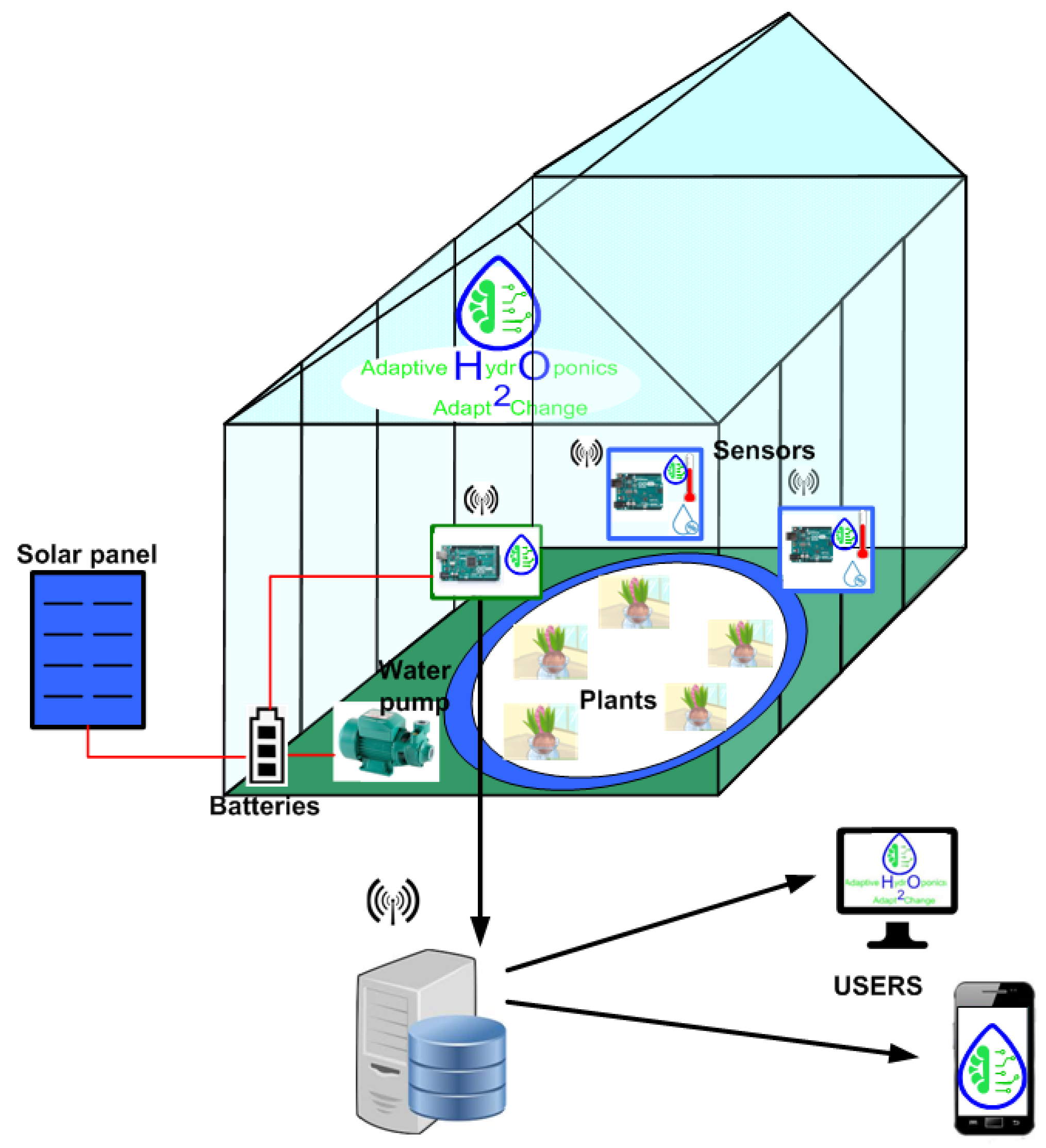



- Smart/Automated Systems: Use of IoT sensors, automation for monitoring pH/TDS, nutrient dosing, lighting, climate control. Recent studies show hydroponic control systems using fuzzy logic and IoT.
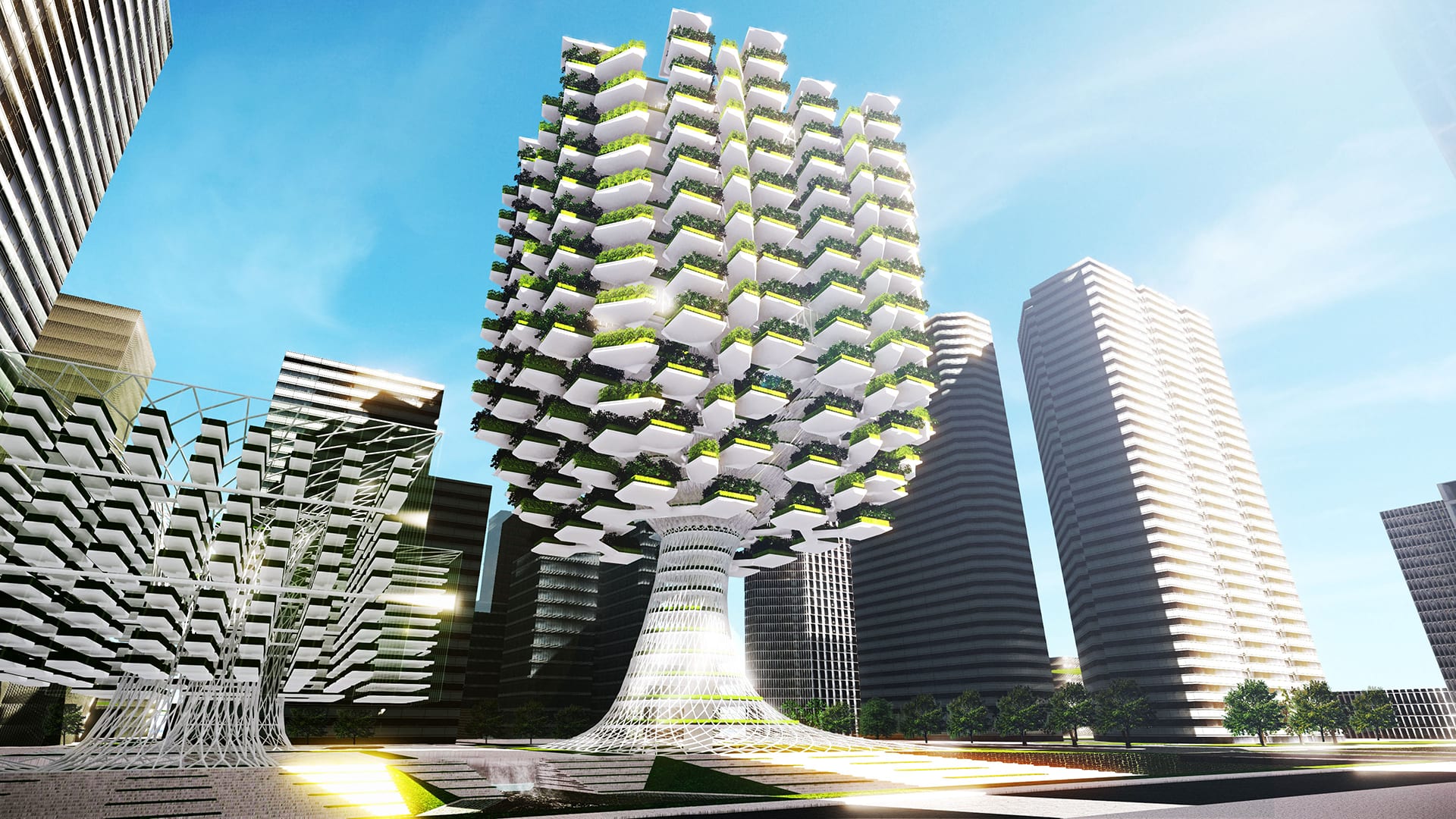
- Vertical Farming Integration: Hydroponics is often a core technology in vertical farms (stacked layers, indoor farms) enabling high yields per unit area.
- New nutrient & sustainability research: Eg., alternate nitrogen sources, plasma-activated water for hydroponics in research.
- Urban & peri-urban food systems: With population growth and shrinking arable land, hydroponics offers local food production near consumption centres.
- Climate-change adaptation: Hydroponic systems can be controlled and less subject to external weather extremes, making them suitable for uncertain climate contexts.
- Business model diversity: From home/hobby hydroponics to commercial scale, including container farms, rooftop farms, special-crop production (microgreens, herbs).
Suitability & Practical Considerations for India
- Land & water constraints: Many Indian regions have limited irrigated land or water scarcity — hydroponics offers a means to grow with less water and on non-arable land.
- Market demand: There’s growing demand for fresh, pesticide-free, locally grown produce in urban India.
- Cost & capital: While opportunity exists, one must assess cost of infrastructure, power reliability, local market access, skilled labour.
- Crop choice: Leafy greens and herbs may have quicker returns and simpler systems; vine and fruiting crops may require more investment and complexity.
- Training & know-how: Technical knowledge (nutrients, environment control, disease management) is crucial.
- Policy & support: Subsidies, extension services, credit support may help reduce risk and barrier to entry.
Conclusion
Hydroponics is not a silver bullet, but a powerful tool in the agricultural toolkit — especially for contexts where soil is poor, land is scarce, water is limited, and urban or peri-urban farming is desired. For India, it offers a pathway to produce fresh greens, herbs, vegetables closer to consumption centres, with higher resource efficiency. However, success depends on correct system design, crop choice, monitoring/maintenance, market linkages, and cost control.


Leave a Reply