
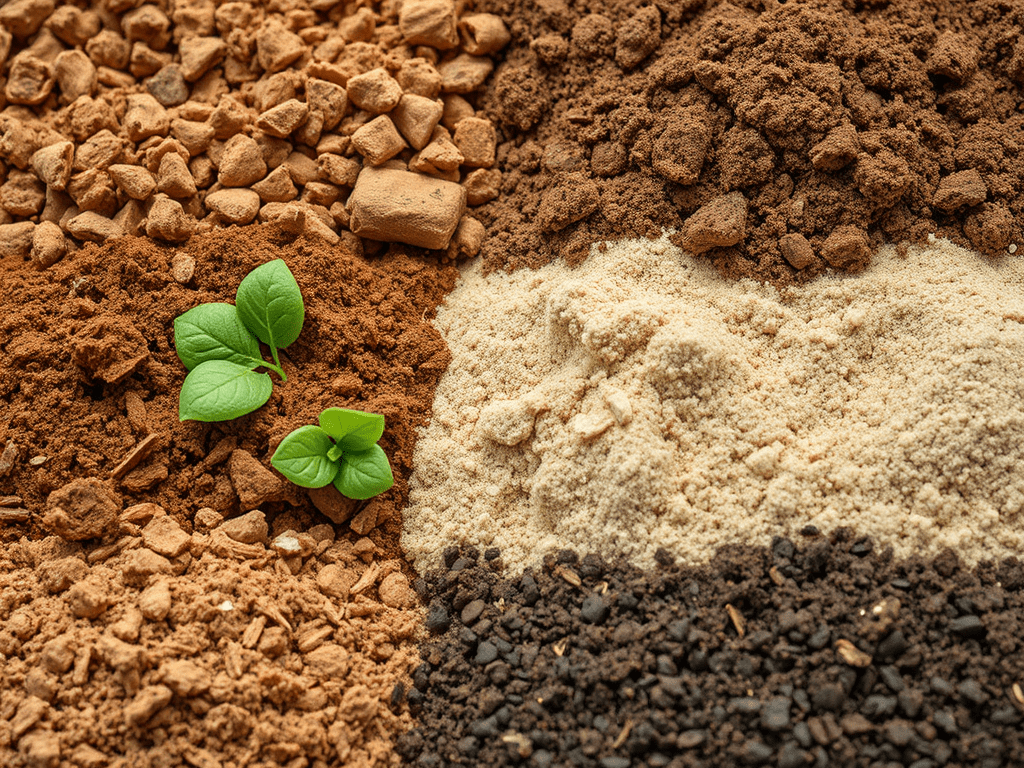
The type of soil you use for growing crops significantly affects the growth, yield, and quality of the plants. Soil types vary in terms of texture, structure, drainage, fertility, and pH levels. Understanding the characteristics of different soil types is essential for successful crop cultivation. Here’s a breakdown of the main types of soil and their suitability for different crops:
1. Loamy Soil
Characteristics:
- Texture: A mixture of sand, silt, and clay.
- Drainage: Well-drained, retains enough moisture without becoming waterlogged.
- Fertility: Highly fertile and rich in nutrients.
- pH Level: Neutral to slightly acidic (pH 6-7).
- Structure: Soft, crumbly texture.
Best for:
- Vegetables: Tomatoes, carrots, potatoes, lettuce, spinach, peas.
- Fruits: Apples, peaches, berries.
- Flowers: Roses, tulips, daisies.
Why It’s Ideal: Loamy soil is considered the best soil for most plants because it offers a balance between drainage and moisture retention while being nutrient-rich. It’s easy to work with and supports a wide range of crops.
2. Clay Soil
Characteristics:
- Texture: Fine particles that form a sticky mass when wet.
- Drainage: Poor drainage, prone to waterlogging.
- Fertility: Highly fertile due to the high nutrient-holding capacity.
- pH Level: Can vary from neutral to acidic (pH 5.5-7).
- Structure: Heavy and dense, becomes compacted easily.
Best for:
- Crops: Rice (which thrives in flooded conditions), spinach, cabbage, broccoli, and other leafy greens.
- Other Uses: Clay soil can also be great for growing rice and certain water-loving crops.
Why It’s Ideal: While clay soil is nutrient-rich, it can be challenging to work with due to its tendency to become compacted, making root penetration difficult. If managed properly, like by adding organic matter to improve aeration, it can be productive.
3. Sandy Soil
Characteristics:
- Texture: Coarse, gritty texture with large particles.
- Drainage: Excellent drainage but doesn’t retain moisture well.
- Fertility: Low fertility because it does not hold nutrients for long.
- pH Level: Can vary but tends to be more acidic (pH 5.5-6.5).
- Structure: Light and easy to work with, but can dry out quickly.
Best for:
- Crops: Root vegetables like carrots, radishes, beets, and potatoes.
- Other Plants: Herbs like lavender, thyme, and rosemary, which prefer well-drained soil.
Why It’s Ideal: Sandy soil warms up quickly in the spring, making it ideal for early plantings. However, due to its poor nutrient retention, it often requires added organic matter or fertilizers to support healthy crops.
4. Silty Soil
Characteristics:
- Texture: Smooth and soft, feels silky when moist.
- Drainage: Moderate drainage, holds moisture better than sandy soil but doesn’t retain as much as clay.
- Fertility: Rich in nutrients, though it can compact easily.
- pH Level: Typically neutral (pH 6-7).
- Structure: Tends to be sticky when wet and can form a crust when dry.
Best for:
- Crops: Lettuce, spinach, cabbage, and other leafy vegetables.
- Fruits: Apples, berries, and grapes.
Why It’s Ideal: Silty soil is fertile and holds nutrients well. However, it can become compacted and might need amendments like organic matter to improve its structure and drainage.
5. Peaty Soil
Characteristics:
- Texture: Dark, rich soil with a high organic matter content.
- Drainage: Poor drainage, tends to stay wet for long periods.
- Fertility: Very high in organic material and nutrients.
- pH Level: Generally acidic (pH 4-6).
- Structure: Soft and spongy, easily worked with.
Best for:
- Crops: Bog-loving plants like cranberries, blueberries, and some varieties of potatoes.
- Other Plants: It is also great for mushrooms and certain herbs.
Why It’s Ideal: Peaty soil is nutrient-rich and ideal for plants that prefer acidic conditions. However, due to its water-retention properties, it’s not suitable for all crops and may require drainage improvements.
6. Saline Soil
Characteristics:
- Texture: Varies from sandy to clay-like.
- Drainage: Poor drainage and high salinity.
- Fertility: Low fertility due to the presence of excess salt, which can hinder plant growth.
- pH Level: Often slightly alkaline or neutral (pH 7-8).
- Structure: Dense and compact.
Best for:
- Crops: Salt-tolerant crops like barley, wheat, cotton, and certain grasses.
- Other Uses: Specialized crops like halophytes (plants that thrive in salty conditions).
Why It’s Ideal: Saline soil is not ideal for most crops, but it can support certain salt-tolerant varieties. The excess salt can be detrimental to plant health, so efforts to reduce salinity (through irrigation and leaching) are often necessary.
7. Chalky Soil
Characteristics:
- Texture: Often stony or rocky, with larger particles.
- Drainage: Well-drained.
- Fertility: Fertility is moderate but can be improved with organic matter.
- pH Level: Alkaline (pH 7-8).
- Structure: Sometimes stony or gravelly.
Best for:
- Crops: Brassicas like cabbage, cauliflower, and kale, as well as peas, beans, and some herbs.
- Other Plants: Many Mediterranean plants (like lavender) that thrive in alkaline soil.
Why It’s Ideal: Chalky soil’s high pH makes it suitable for certain crops that prefer alkaline conditions. However, it can lack essential trace elements like iron, so regular amendments are needed.
8. Loess Soil
Characteristics:
- Texture: Fine, wind-blown silt particles.
- Drainage: Good drainage, but retains some moisture.
- Fertility: Highly fertile, especially when mixed with organic material.
- pH Level: Neutral to slightly alkaline (pH 6.5-7.5).
- Structure: Silky and smooth.
Best for:
- Crops: Wheat, barley, corn, and other staple crops.
- Other Uses: It’s often used for large-scale farming due to its fertility.
Why It’s Ideal: Loess soil is highly fertile and supports a wide range of crops. It’s especially beneficial for large-scale farming operations.
9. Regur (Black Cotton) Soil
Characteristics:
- Texture: Clayey with high moisture retention.
- Drainage: Poor to moderate drainage.
- Fertility: Very fertile, rich in lime, potash, and phosphoric content.
- pH Level: Neutral to slightly alkaline.
- Structure: Black, sticky, and compact when wet.
Best for:
- Crops: Cotton, groundnut, sorghum, soybean, and pulses.
- Other Uses: It is highly valued for growing oilseeds and some vegetables.
Why It’s Ideal: This soil is perfect for growing crops that require rich, nutrient-dense soil. However, it can become very hard and compacted during dry periods, so it needs good water management.
Summary of Soil Types and Crop Suitability
| Soil Type | Best For | Features |
|---|---|---|
| Loamy | Most vegetables, fruits, flowers | Well-drained, fertile, balanced texture |
| Clay | Leafy vegetables (spinach, cabbage), rice | Nutrient-rich, poor drainage, compacted easily |
| Sandy | Root vegetables (carrots, radishes), herbs (rosemary, thyme) | Well-drained, low fertility, quick drying |
| Silty | Leafy vegetables (lettuce, spinach), fruits (berries) | Nutrient-rich, moderate drainage, prone to compaction |
| Peaty | Bog plants (cranberries, blueberries), potatoes | High organic content, acidic, water-retentive |
| Saline | Salt-tolerant crops (barley, cotton) | High salt content, poor fertility |
| Chalky | Brassicas (cabbage, cauliflower), beans, herbs (lavender) | Alkaline, good drainage, can lack trace elements |
| Loess | Staple crops (wheat, barley), large-scale farming | Fertile, good drainage, ideal for intensive farming |
| Regur | Cotton, groundnut, soybean, pulses | Very fertile, moisture-retentive, compact when dry |
Conclusion
Choosing the right soil type for your crops is crucial for ensuring optimal growth and yield. If you have access to multiple soil types, you can diversify your farming system by growing different crops suited to each type. If you’re working with a single soil type, you might need to amend the soil with organic matter or fertilizers to improve its quality.
Would you like more detailed advice on how to improve your soil or choose specific crops for your farm?


Leave a Reply