
Mongra Farming: A Comprehensive Guide
Introduction to Mongra Farming
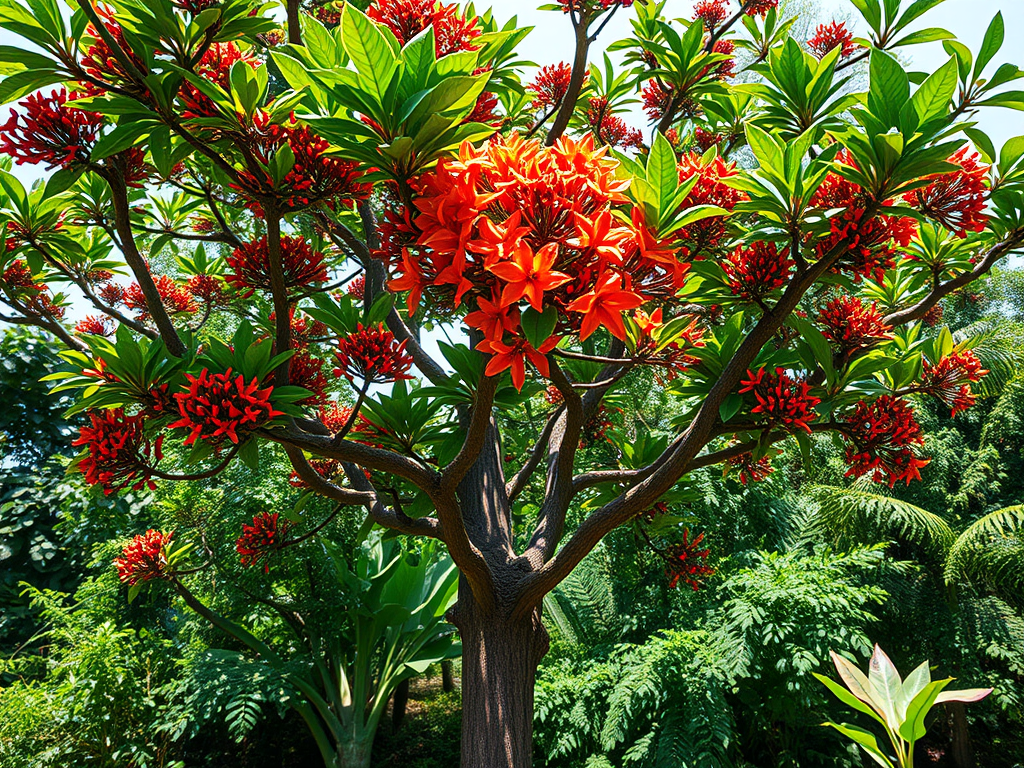
Mongra (मोंगरा), also known as Erythrina variegata, is a tropical leguminous tree species commonly found in various regions of South Asia. It is valued for its medicinal properties, ecological benefits, and utility in agroforestry systems. The plant is known for its vibrant flowers, which come in shades of red, orange, or yellow, and its leaves that are rich in nutrients.
Mongra is commonly cultivated for its roots, flowers, and leaves, which have uses in traditional medicine. Additionally, the tree has significant potential in soil conservation and reforestation projects due to its nitrogen-fixing capabilities. The timber and leaves of Mongra are also utilized in various industries, including construction, paper production, and animal feed.
This guide will provide a comprehensive look at Mongra farming, covering everything from land preparation and planting to care, maintenance, and harvesting. The focus will also be on the economic potential of Mongra as a cash crop for farmers.
1. Understanding Mongra (Erythrina variegata)
Mongra belongs to the family Fabaceae and is typically a deciduous tree. It grows best in tropical and subtropical climates, and it is often used for shade, windbreaks, and erosion control. The tree is well-suited for marginal soils, which makes it an excellent choice for agroforestry systems.
- Scientific Name: Erythrina variegata
- Common Names: Mongra, Coral Tree, Indian Coral Tree
- Uses: Medicinal properties, timber, fodder, shade, nitrogen fixation, reforestation, and ornamental purposes.
2. Climatic and Soil Requirements
Mongra trees are adaptable to a range of climatic conditions, but their growth is optimal in warm, tropical climates. The following environmental and soil conditions are ideal for Mongra farming:
- Temperature: Mongra thrives in temperatures ranging from 25°C to 35°C. It is well-suited to tropical climates and can tolerate brief periods of drought once established.
- Rainfall: The plant grows best in regions receiving moderate rainfall (1,000–2,500 mm annually). However, it can survive in semi-arid conditions if watered adequately during dry spells.
- Soil: Mongra prefers well-drained, loamy soils, but it is quite adaptable to poor, sandy, and rocky soils. The soil should have a slightly acidic to neutral pH (6.0 to 7.5). Mongra also has nitrogen-fixing capabilities, making it beneficial for soil improvement.
In terms of land elevation, Mongra can be grown at elevations of up to 1,200 meters above sea level.
3. Land Preparation
Proper land preparation is key to ensuring optimal growth and yield of Mongra trees. The following steps should be followed:
- Plowing and Tilling: Start by plowing the land to a depth of 15–20 cm. This helps in loosening the soil, improving root penetration, and facilitating better aeration.
- Soil Testing: Conduct a soil test to determine nutrient deficiencies. Based on the results, apply organic or chemical fertilizers as needed.
- Drainage: Ensure proper drainage in the field, as waterlogged soils can lead to root rot and other diseases.
- Row Spacing: If planting multiple trees, space them around 3–4 meters apart in rows to allow sufficient space for growth and prevent competition for resources.
4. Propagation of Mongra
Mongra trees are propagated primarily through seeds, but vegetative propagation through stem cuttings is also possible.
- Seed Propagation: The most common method of propagation is through seeds. The seeds of Mongra are large and need to be pre-treated to improve germination.
- Seed Treatment: Soak the seeds in warm water for 24 hours before planting to soften the hard seed coat and promote better germination.
- Sowing: Sow the seeds in a well-prepared nursery bed or directly in the field. If sowing in the nursery, transplant the seedlings into the field after 2-3 months when they have developed strong roots.
- Germination Time: Seeds typically germinate within 7–10 days under optimal conditions.
- Vegetative Propagation: Mongra can also be propagated using semi-hardwood stem cuttings, though this method is less common than seed propagation. Select healthy, disease-free stems for cuttings.
5. Planting Mongra Trees
Mongra is usually planted during the onset of the monsoon season to ensure adequate water supply during its early growth phase. The process for planting includes:
- Spacing: Maintain a spacing of 3–4 meters between individual trees to allow for proper root development and canopy spread.
- Depth: Plant the seedlings at a depth of 5–7 cm, ensuring that the root collar is just below the soil surface.
- Watering: Water the newly planted trees immediately after planting and continue regular watering until the tree is well-established.
6. Irrigation and Water Management
While Mongra trees are drought-tolerant once mature, young plants require regular watering, especially during dry spells. The following practices should be followed:
- Watering Frequency: Water the plants once or twice a week during the first few months. Afterward, the frequency can be reduced.
- Irrigation System: Drip irrigation is recommended for optimal water use, especially in areas where water is scarce.
- Mulching: Apply organic mulch around the base of the tree to conserve soil moisture, suppress weeds, and maintain a stable root temperature.
7. Nutrient Management
Mongra is a nitrogen-fixing plant, meaning it can improve soil fertility by converting atmospheric nitrogen into a usable form. However, it still requires balanced fertilization for healthy growth.
- Fertilizers:
- Organic Fertilizers: Compost, farmyard manure (FYM), or green manure can be applied around the base of the tree to enhance soil fertility.
- Inorganic Fertilizers: Apply balanced NPK fertilizers (Nitrogen, Phosphorus, and Potassium) during the initial stages of growth. This will promote vigorous root and shoot development.
Mongra trees can also benefit from micronutrient applications, particularly if the soil is deficient in elements like iron, zinc, or manganese.
8. Pest and Disease Management
Mongra is generally resistant to most pests and diseases, but some issues can arise, particularly in poorly managed environments. Common pests include caterpillars, borers, and aphids. To manage pests and diseases:
- Pests: Regularly inspect trees for signs of infestation. If pests are found, treat them with organic pesticides like neem oil or insecticidal soap.
- Fungal Diseases: The tree can be susceptible to fungal diseases like leaf spot or powdery mildew in humid conditions. Proper air circulation and periodic fungicide applications can help control these diseases.
9. Pruning and Maintenance
Pruning is essential for maintaining the health and structure of the tree. It also helps promote good airflow and light penetration, which are critical for healthy foliage and flower production.
- Pruning: Prune the tree to remove dead or diseased branches, and to shape the tree for better canopy growth. Regular pruning can also encourage more flowering.
- Weeding: Regular weeding around the tree’s base is necessary to prevent competition for nutrients and water.
- Mulching: Apply mulch periodically to keep the soil moist and improve organic matter content.
10. Harvesting Mongra
Mongra trees can be harvested for various purposes, including medicinal use, timber, and fodder. Here’s how to go about harvesting:
- Timber: Once the tree reaches maturity (around 5–7 years), it can be harvested for timber. The wood of Mongra is used in construction, furniture, and paper production.
- Leaves and Flowers: The leaves and flowers of Mongra have medicinal properties and can be harvested annually. The flowers are often used in traditional medicine for their anti-inflammatory and antioxidant properties.
- Roots: The roots of the tree, especially in the case of Erythrina variegata, are also used in various Ayurvedic preparations. Harvesting should be done with care to avoid damaging the plant.
11. Economic Potential of Mongra Farming
Mongra farming can be a profitable venture, especially when grown in agroforestry systems. The economic benefits include:
- Timber: Mature Mongra trees can be sold for timber, which is highly valued in the construction industry.
- Medicinal Products: The flowers, leaves, and roots have a variety of medicinal applications, opening up additional income streams in the herbal products market.
- Fodder: The leaves of Mongra are a valuable source of fodder for livestock.
- Soil Fertility: As a nitrogen-fixing tree, Mongra can be used in agroforestry systems to enhance soil fertility and improve crop yields.
Overall, Mongra farming offers both ecological and economic benefits, particularly in areas where soil conservation and sustainable farming practices are a priority.
Conclusion
Mongra farming has significant potential for farmers interested in sustainable agroforestry and crop diversification. The tree provides a wide range of benefits, from its nitrogen-fixing abilities to its medicinal properties and timber production. By following proper planting, care, and maintenance practices, farmers can reap the rewards of Mongra farming while contributing to soil conservation and environmental sustainability.
With increasing
demand for herbal products and sustainable agriculture, Mongra could become a valuable addition to the farming landscape, particularly in tropical and subtropical regions.


Leave a Reply