
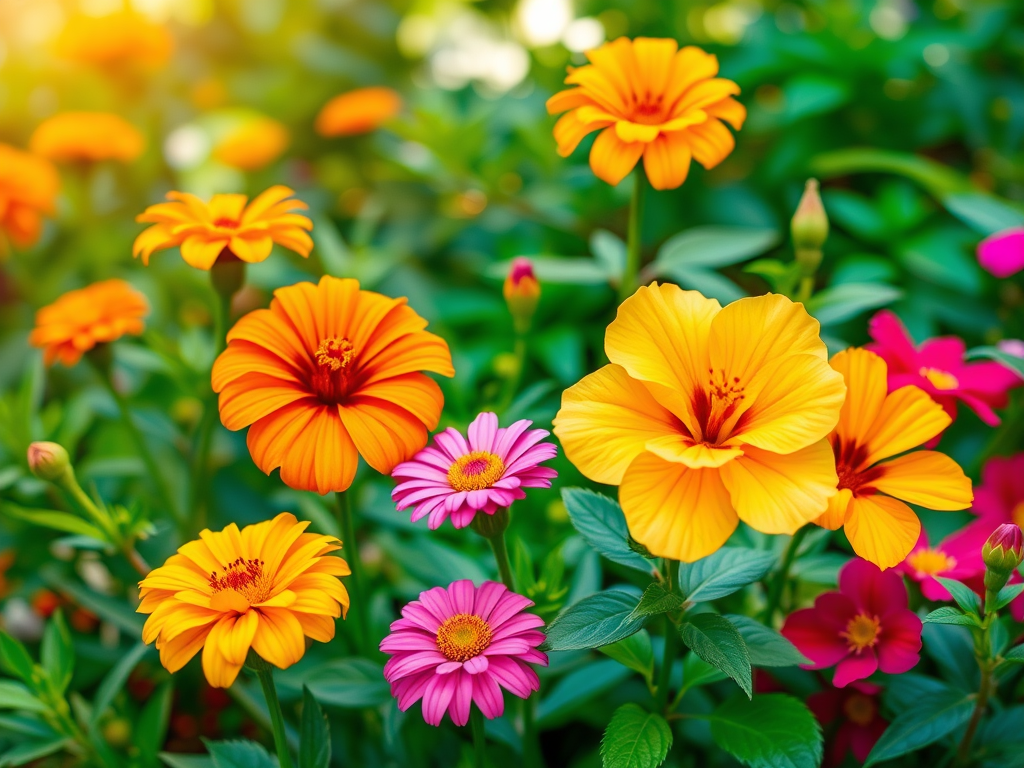
🌸 The Guide to Grow Easiest and Hardest Flower Plants to Grow in India
Practical guide for Indian gardeners — from balcony beginners to backyard experts.
🌱 Introduction
India’s diverse climates — from the humid coasts of Kerala and Tamil Nadu to the dry plains of Rajasthan and the cool hills of Himachal — make gardening both exciting and challenging.
But not all flowering plants are equally easy to care for. Some thrive with little attention, while others demand precise watering, soil, and temperature control.
This guide explores the easiest and hardest flower plants to grow in India, along with growing tips tailored to Indian conditions.
🌼 Easiest Flower Plants to Grow in India
1. Marigold (गेंदा – Genda, Tagetes spp.)
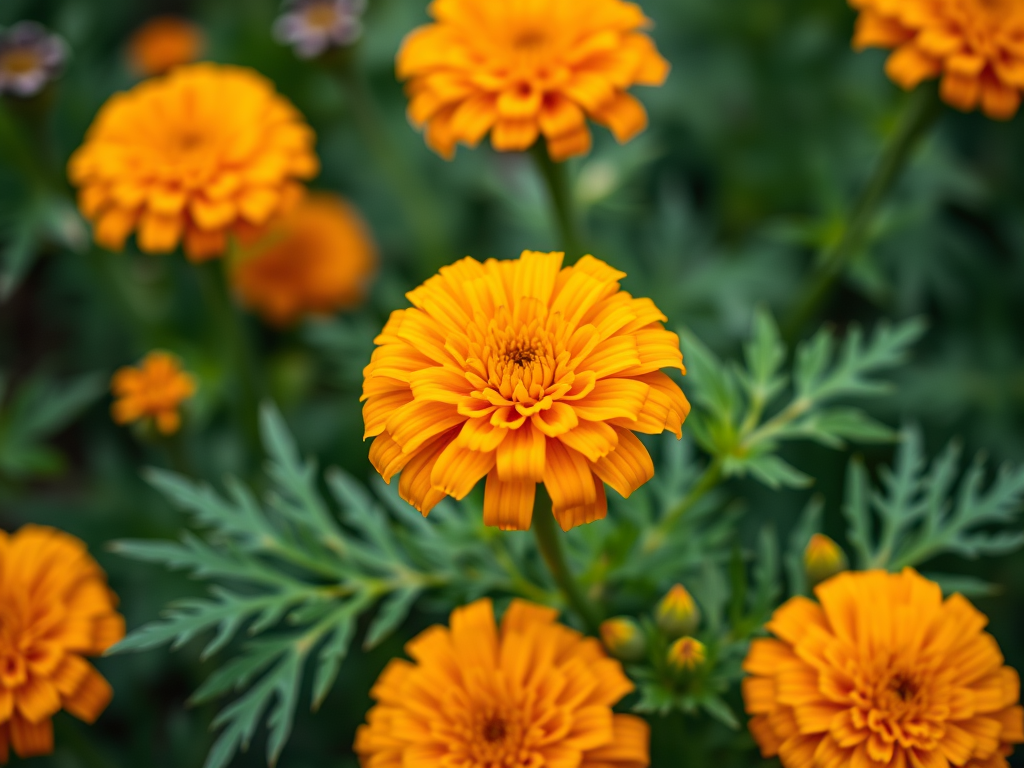
- Why easy: Tolerates heat, poor soil, and irregular watering. Grows well in almost every Indian region.
- Blooming season: Year-round in warm climates, especially from October to March.
- Care tip: Needs 4–6 hours of sunlight daily. Deadhead old flowers to boost blooming.
2. Hibiscus (गुड़हल – Gudhal, Hibiscus rosa-sinensis)
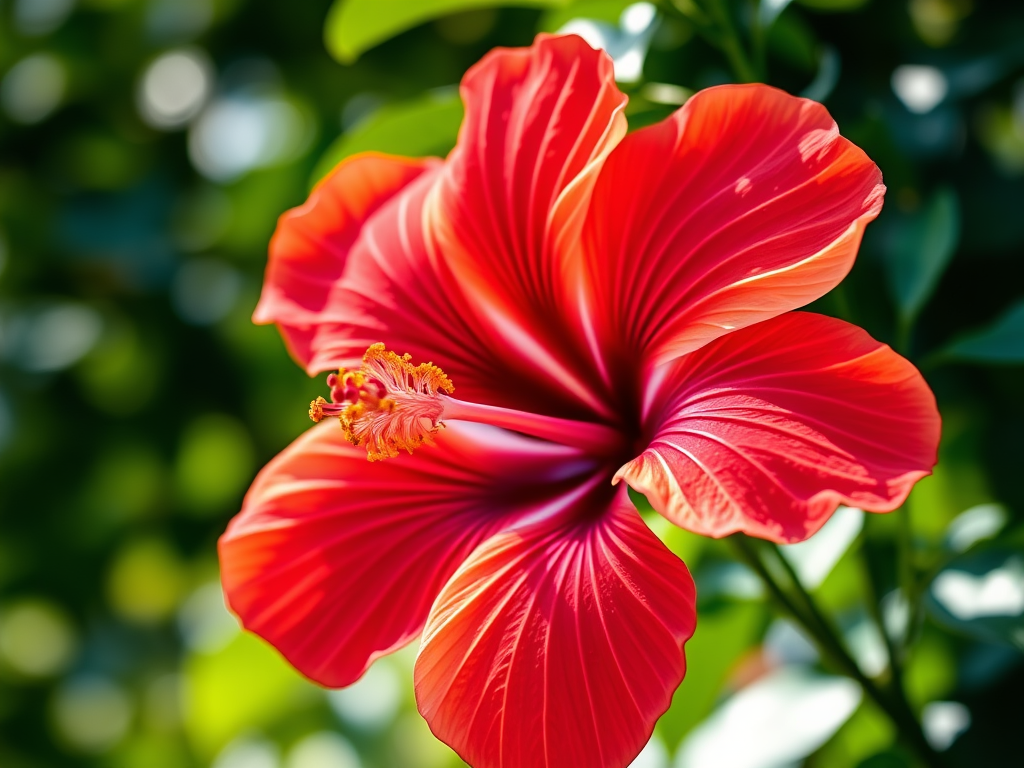
- Why easy: Thrives in tropical heat and humidity — ideal for southern India.
- Blooming season: Almost all year in warm zones.
- Care tip: Loves sunlight and regular pruning; occasional organic fertilizer helps produce larger blooms.
3. Periwinkle (सदाबहार – Sadabahar, Vinca spp.)
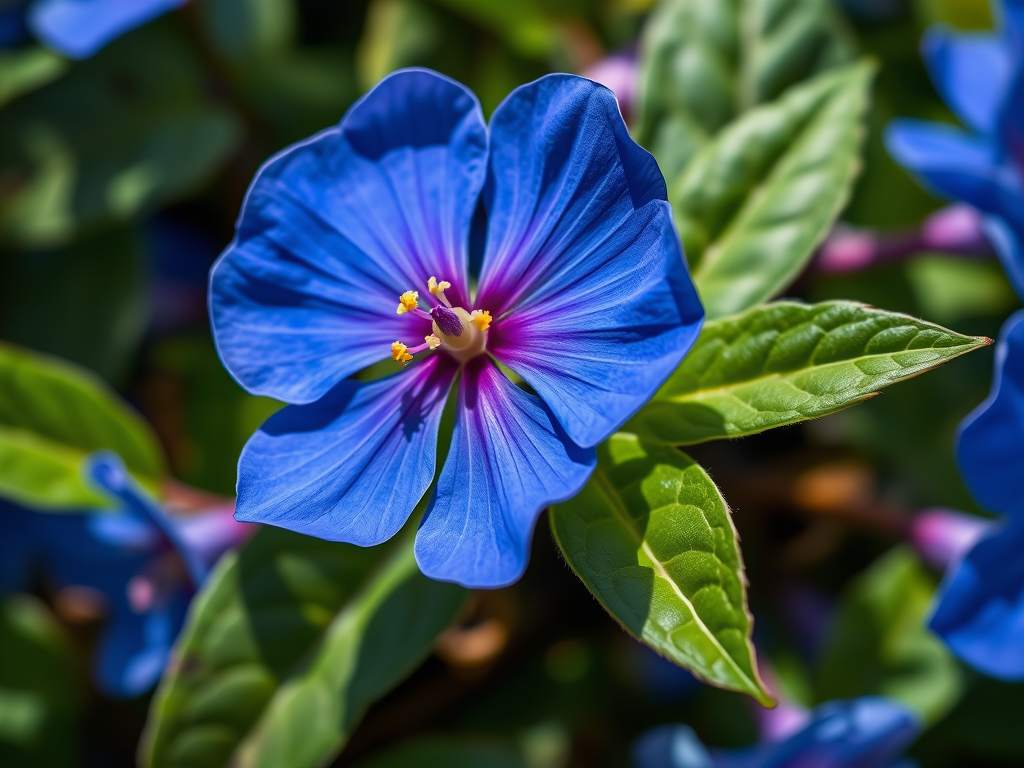
- Why easy: Extremely hardy; grows in full sun and even in neglected spots.
- Blooming season: Continuous through most of the year.
- Care tip: Avoid overwatering — thrives in dry or semi-dry conditions.
4. Zinnia (जिनिया – Jiniya)
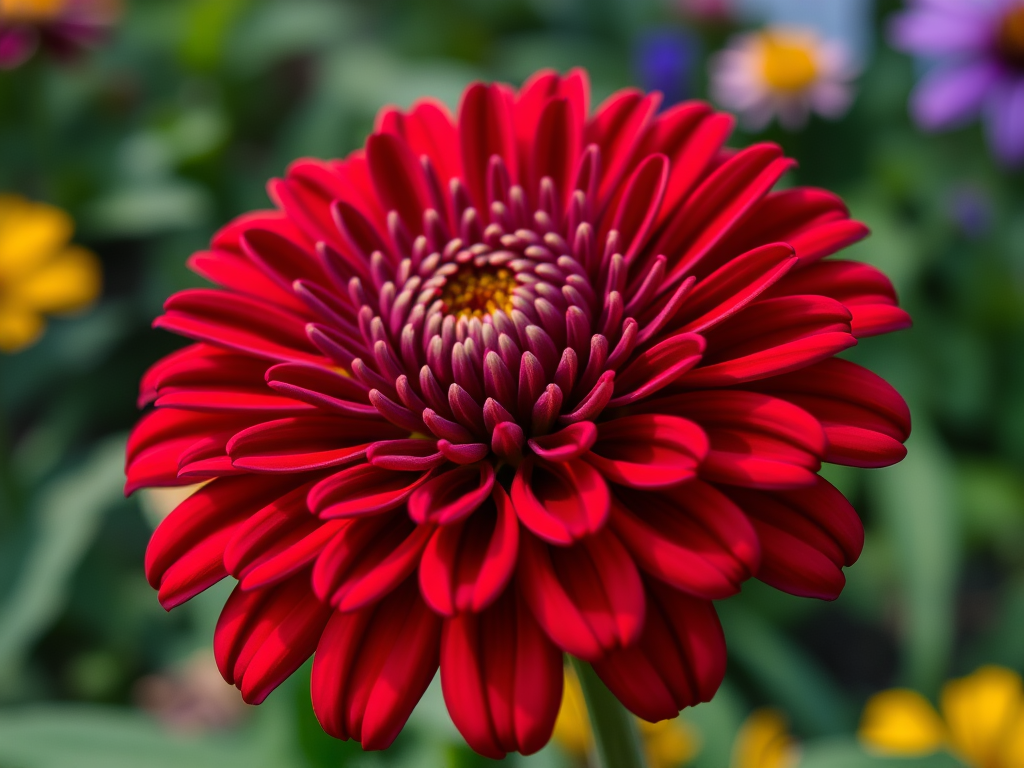
- Why easy: Fast-growing annual that rewards even beginners with bright, daisy-like blooms.
- Blooming season: Summer to monsoon.
- Care tip: Prefers full sun and well-drained soil. Remove wilted flowers to prolong flowering.
5. Bougainvillea (बोगनवेलिया – Bougainvillea)
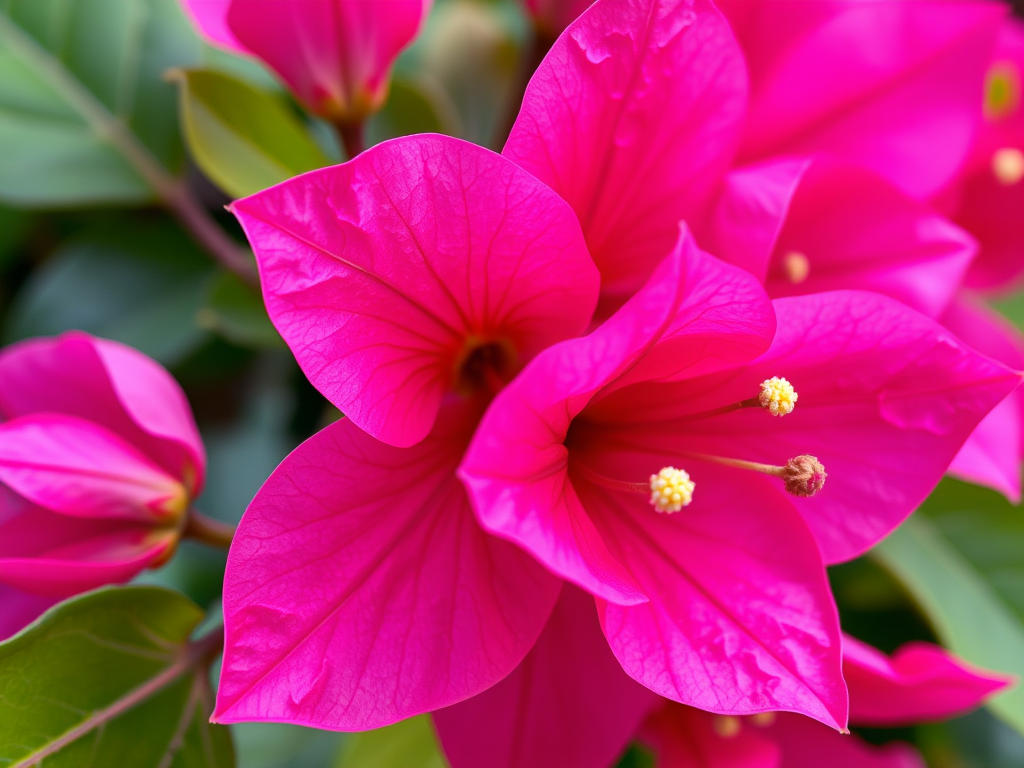
- Why easy: One of the toughest ornamental plants in India. Tolerates drought and poor soil.
- Blooming season: Mostly winter to early summer; can flower year-round in warm regions.
- Care tip: Needs abundant sunlight and minimal watering. Don’t overfertilize — it blooms better in slightly stressed soil.
🌸 Moderately Easy (for intermediate gardeners)
6. Roses ((गुलाब – Gulab))
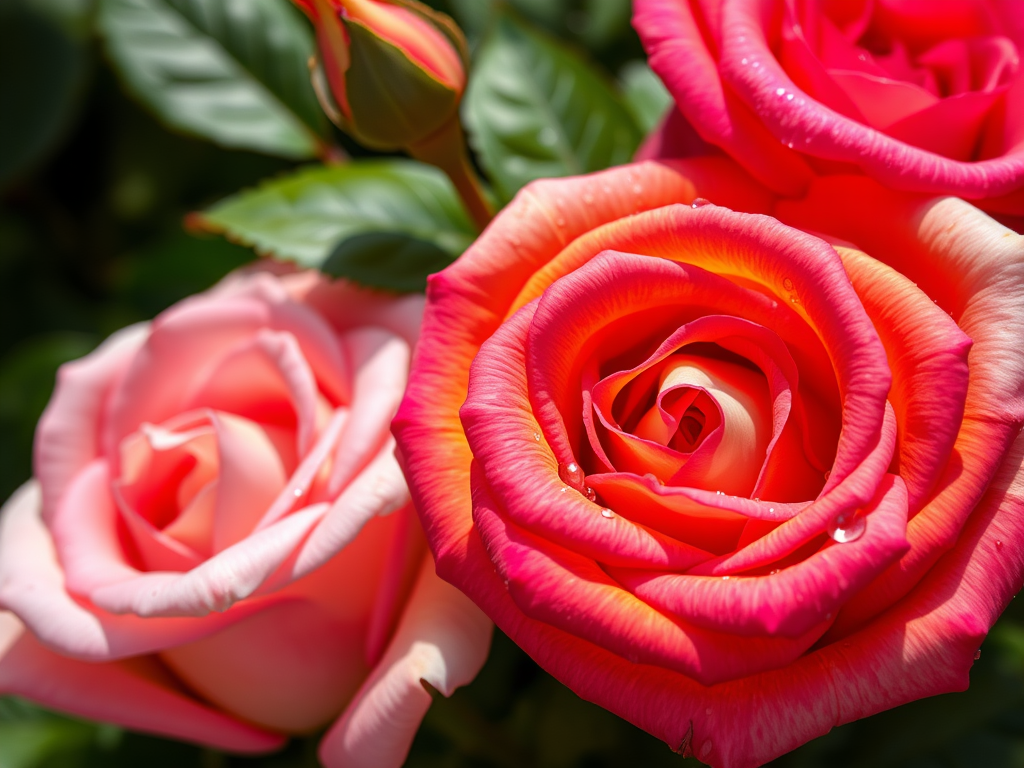
- Why moderate: Hardy Indian varieties tolerate heat but need regular pruning and pest care.
- Blooming season: Winter through early summer.
- Care tip: Provide 6–8 hours of sunlight, regular watering, and organic pest control.
7. Jasmine (मोगरा / चमेली – Mogra / Chameli)
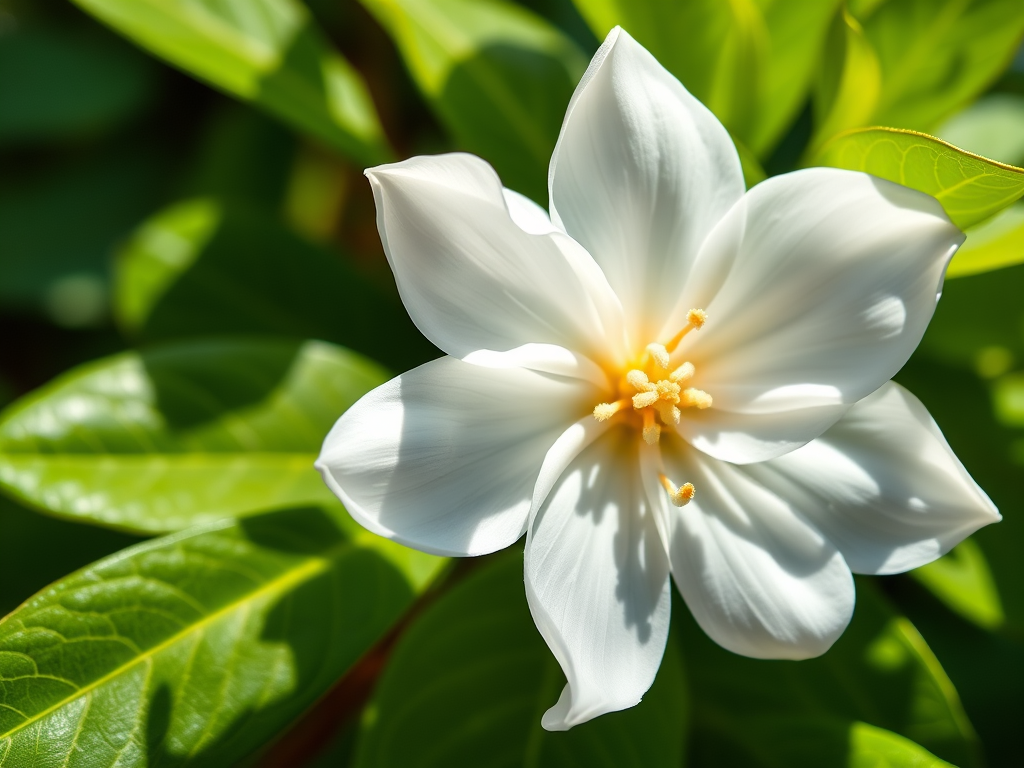
- Why moderate: Loves sun and humidity but can attract mealybugs and whiteflies.
- Blooming season: Summer nights are fragrant with jasmine!
- Care tip: Requires frequent pruning and pest monitoring.
🌺 Hardest Flower Plants to Grow in India
8. Tulip (ट्यूलिप – Tulip)
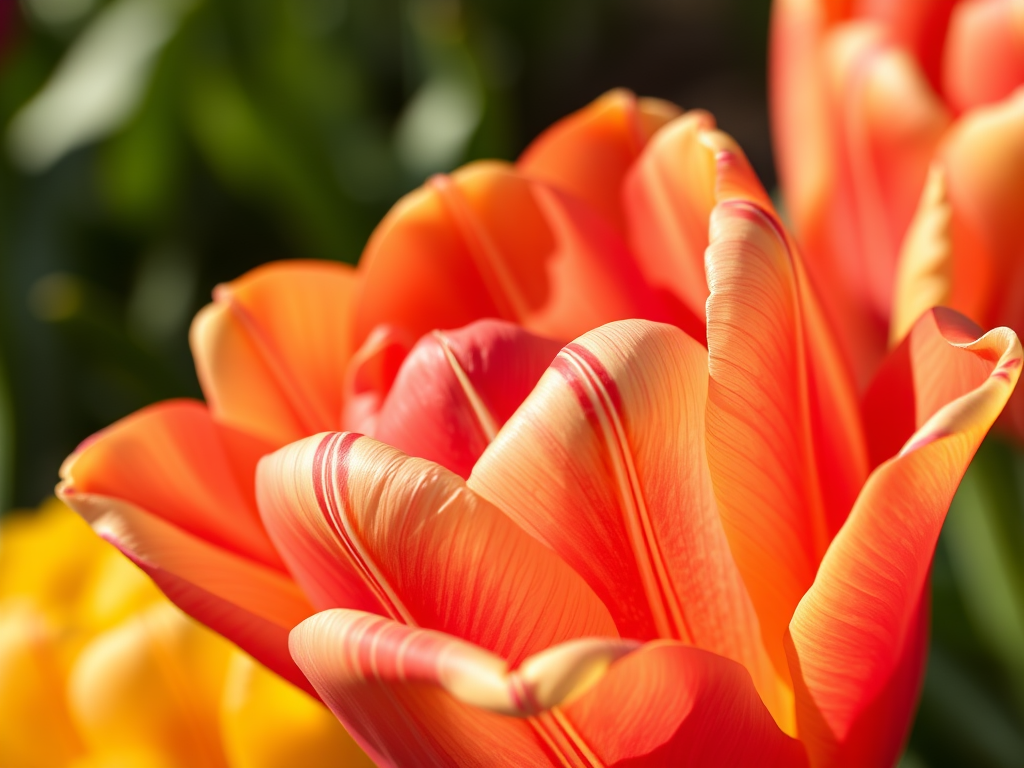
- Why hard: Needs cold dormancy (below 10 °C) — possible only in northern hill states like Himachal or Kashmir.
- Blooming season: Early spring (in cold climates).
- Care tip: In warmer states, tulips can only be grown with imported bulbs in controlled environments.
9. Orchid (आर्किड – Orchid)

- Why hard: Requires precise humidity, shade, and air circulation — too dry or too wet, and it dies.
- Blooming season: Varies by variety, usually once or twice a year.
- Care tip: Use orchid bark or coco chips, never regular soil. Keep in partial shade with filtered light.
10. Gerbera Daisy (जरबेरा – Jarbera)
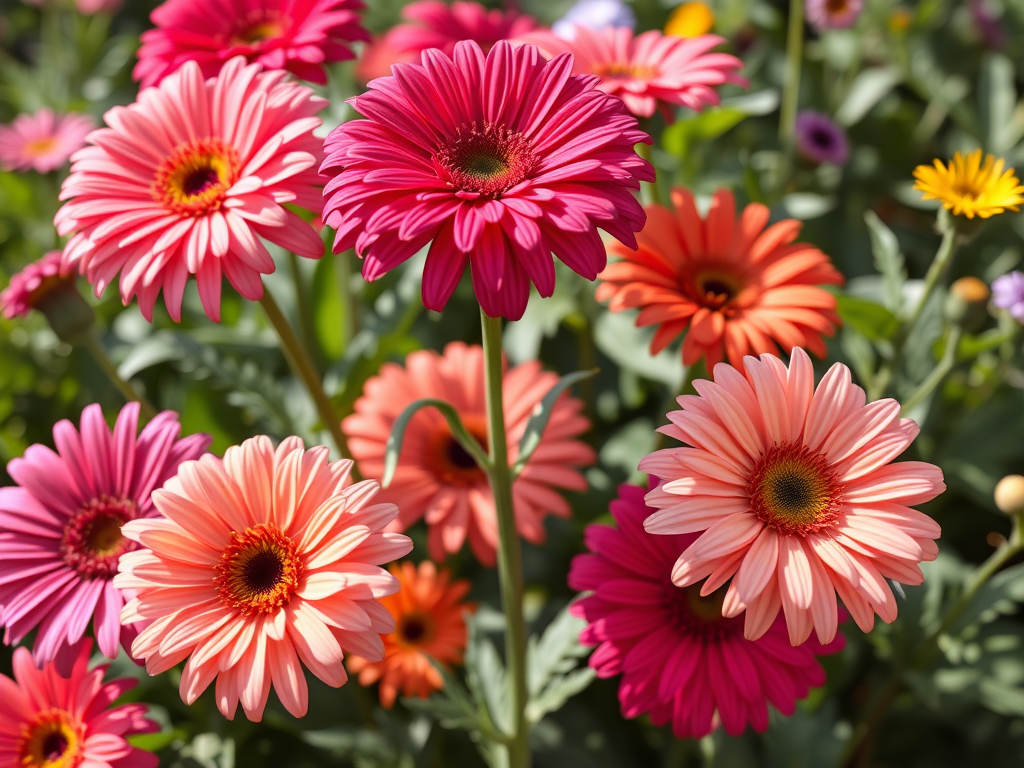
- Why hard: Beautiful but sensitive to overwatering, fungal infections, and poor drainage.
- Blooming season: Throughout the year in mild climates.
- Care tip: Needs cool mornings and good air flow — struggles in heavy monsoon humidity.
11. Peony (पियोनी – Peony)
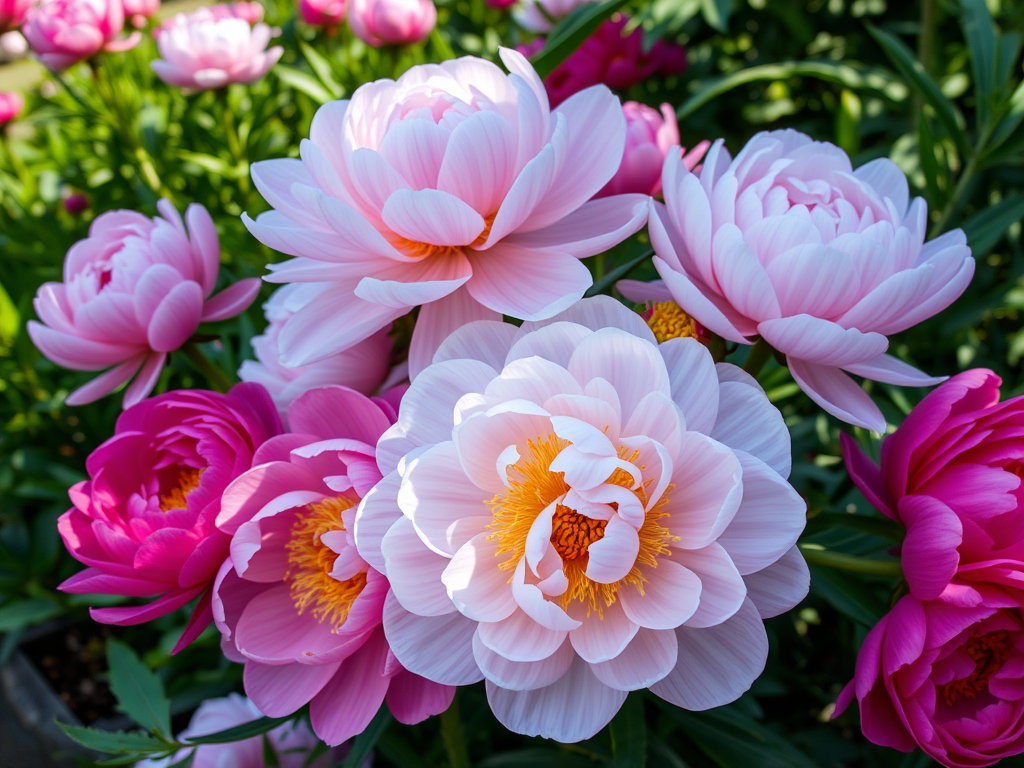
- Why hard: Needs long cold winters to form buds, unsuitable for most Indian regions except high altitudes.
- Blooming season: Late spring in cold climates.
- Care tip: Not recommended outside hill stations.
12. Delphinium / Larkspur (डेल्फिनियम / लार्कस्पर – Delphinium / Larkspur)
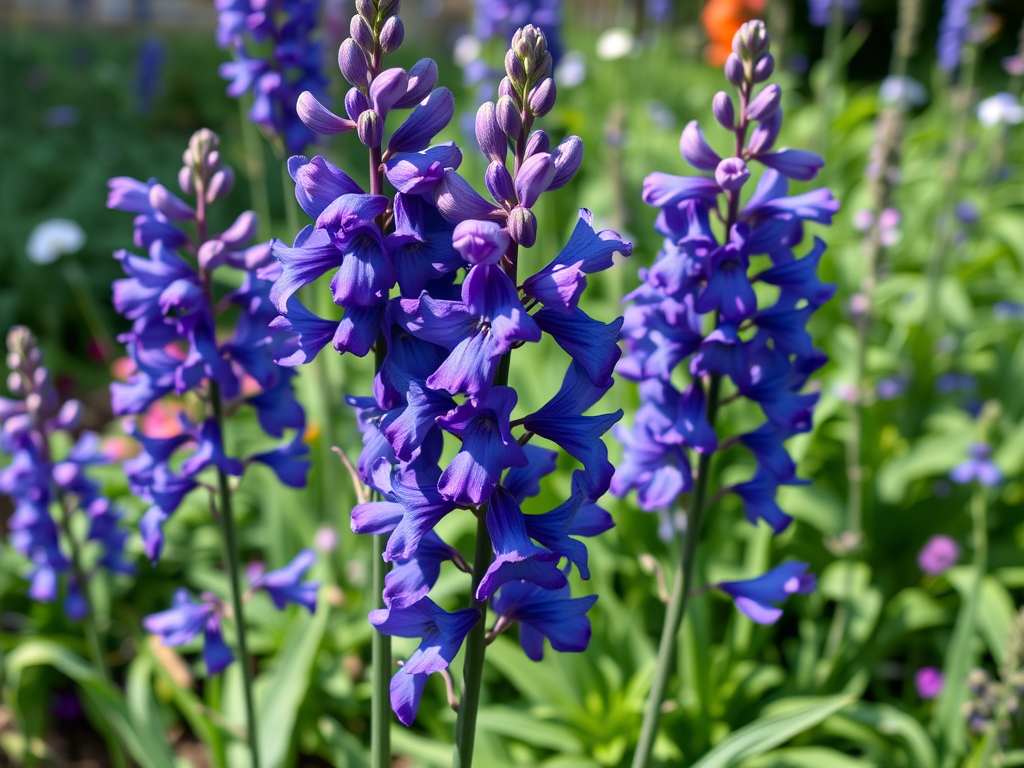
- Why hard: Sensitive to Indian summer heat; prefers 15–25 °C.
- Blooming season: Winter in northern India.
- Care tip: Best grown as a short-season winter annual; provide partial shade and mulch to retain cool soil.
🌾 Key Tips for Gardeners
| Factor | What to Remember |
|---|---|
| Soil | Most Indian soils need organic compost for better aeration and drainage. |
| Watering | “Less but consistent” works better than flooding roots. |
| Sunlight | Most flowering plants need 4–6 hours of sun; avoid harsh noon light for delicate varieties. |
| Pests | Neem oil sprays and soap solutions work as safe, organic deterrents. |
| Fertilizer | Use compost or cow manure once every 2–3 weeks during the growing season. |
🌻 Conclusion
Whether you’re tending a balcony garden in Mumbai or a terrace garden in Chennai, start with forgiving species like marigolds, periwinkles, or hibiscus.
Once you build confidence, you can experiment with roses, orchids, or even tulips if your local conditions allow.
Remember — gardening success in India is less about luck and more about understanding your climate, soil, and sunlight.

 KrishiCenter
Leave a reply to Horticulture: From Pomology to Landscaping – KrishiCenter Cancel reply