
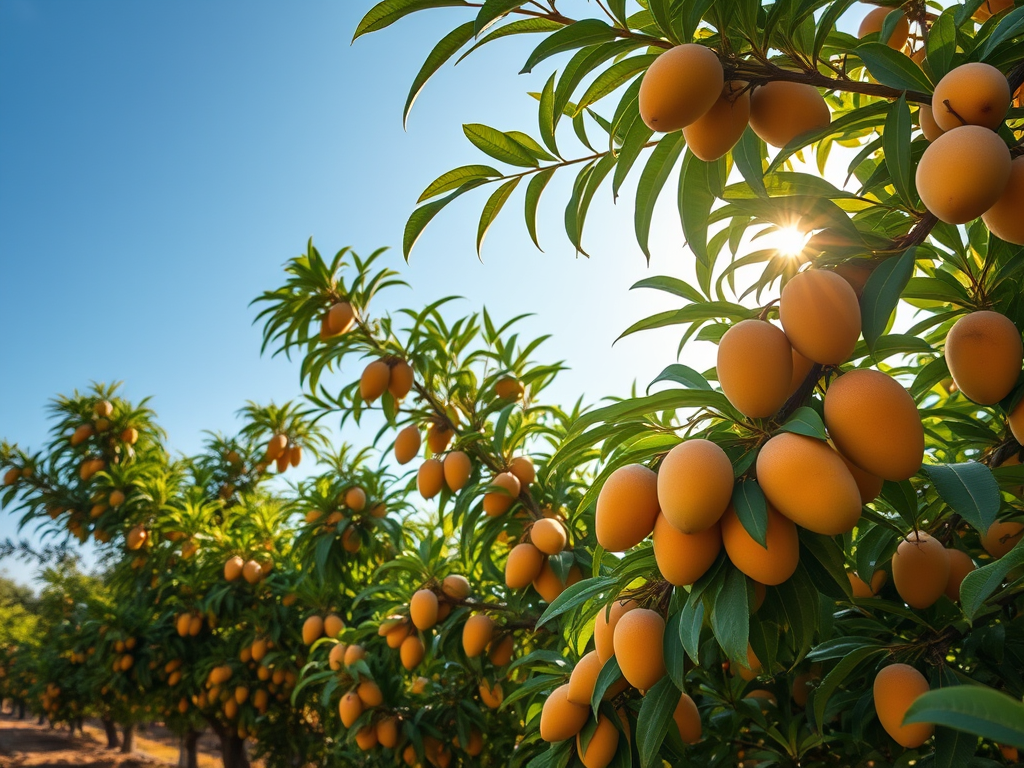
Guidelines for Cultivating Mango Trees in India
Mango आम (Mango, Mangifera indica) is one of India’s most important fruit crops—both culturally and economically. Here’s a comprehensive guideline tailored to Indian conditions for successful mango tree cultivation.
1. Site and Climate Selection


Climate:
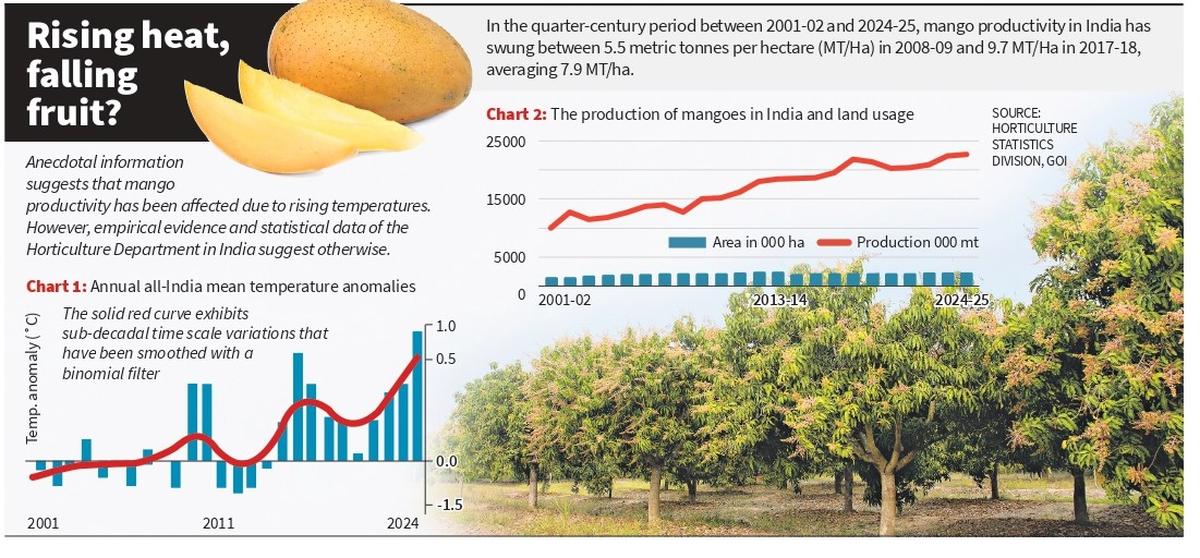
- Mango thrives in tropical to subtropical conditions. Commercially successful cultivation in India is generally below about 600 m altitude.
- Ideal temperatures during the growing/fruiting period are in the ~24-27 °C range. (Agriculture Essays India)
- The crop needs a dry period during flowering and fruit-setting. Rain or excessive humidity during this time can hamper pollination. It may also lead to fruit drop.
- Avoid exposure to heavy winds, cyclones or frost, especially during flowering or initial fruit development.
Soil & Site:
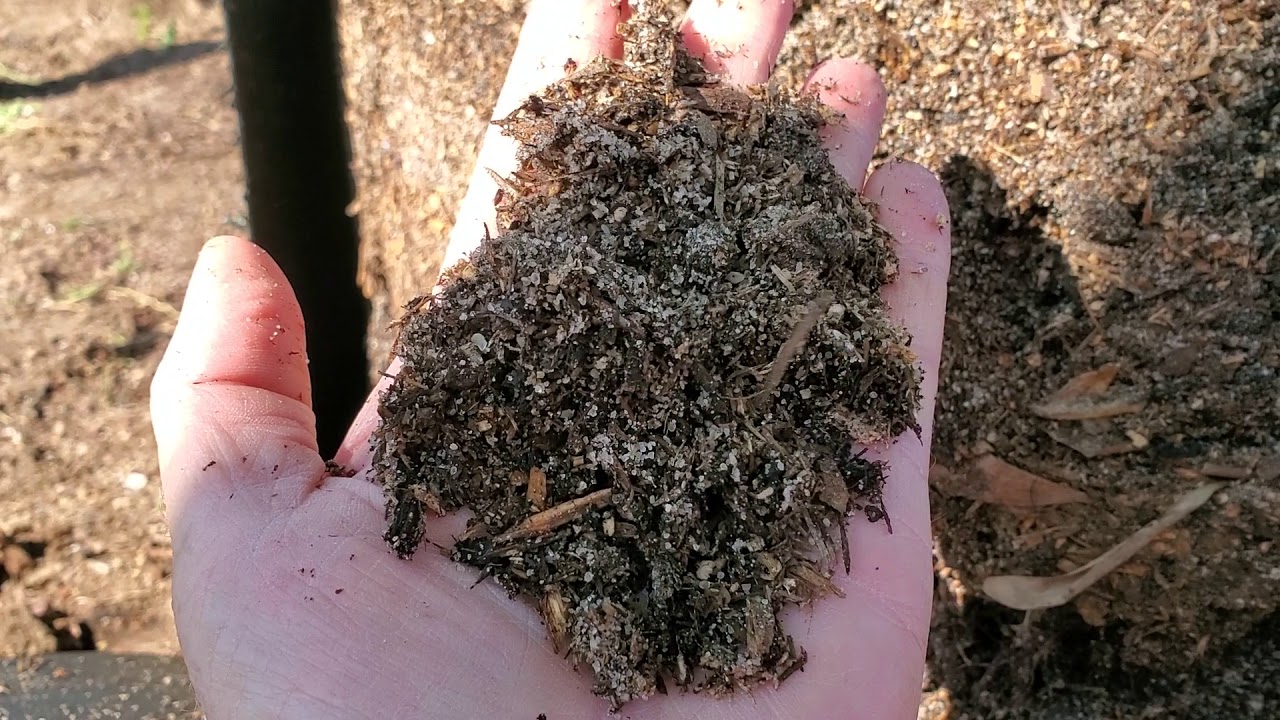
- Soils that are deep, well-drained, aerated, rich in organic matter and preferably loamy or alluvial are best. Ideal pH is roughly 5.5-7.5.
- Avoid soils that are water-logged, poorly drained, rock shallow, or with hard texture.
Summary Tip: Choose a site with good drainage. Ensure it is not prone to water stagnation. There should be clear light for the sun. Provide moderate protection from extreme winds if possible.
2. Planting Material & Propagation

Propagation Choices:
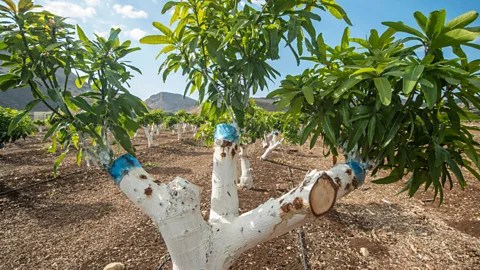
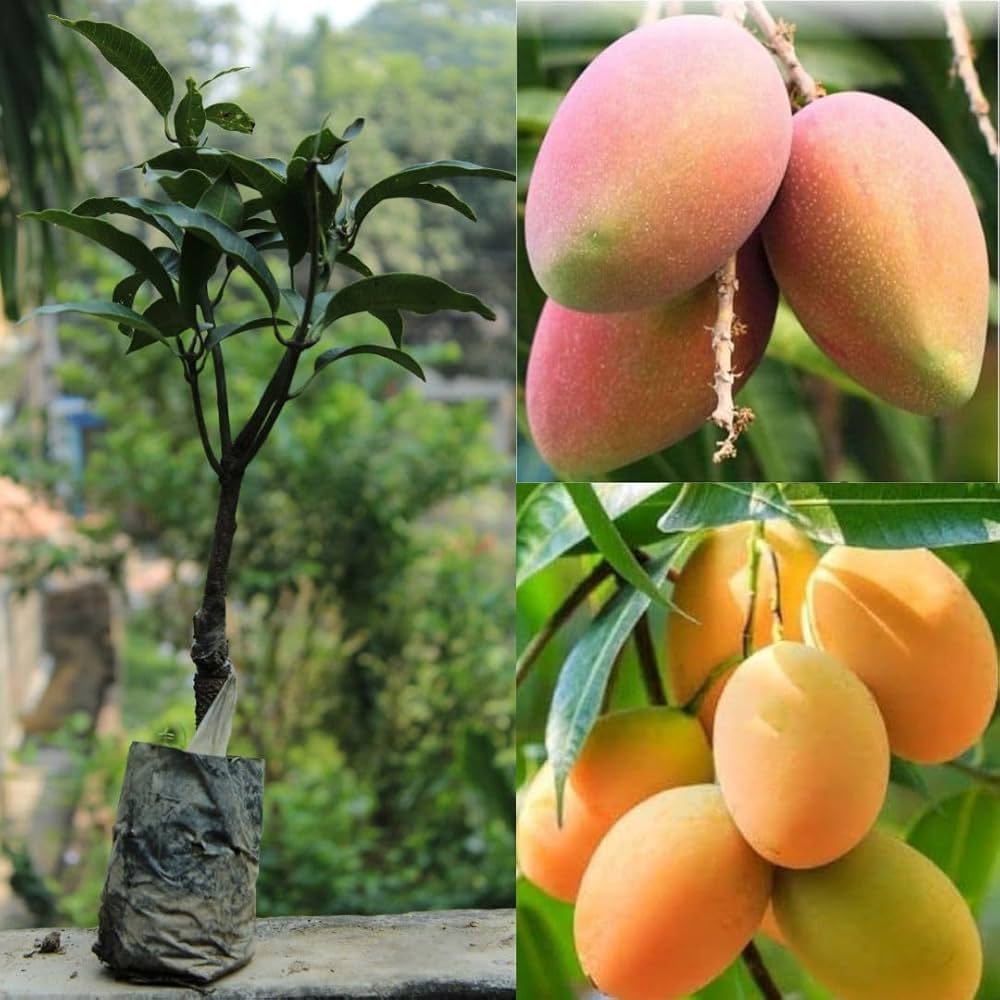
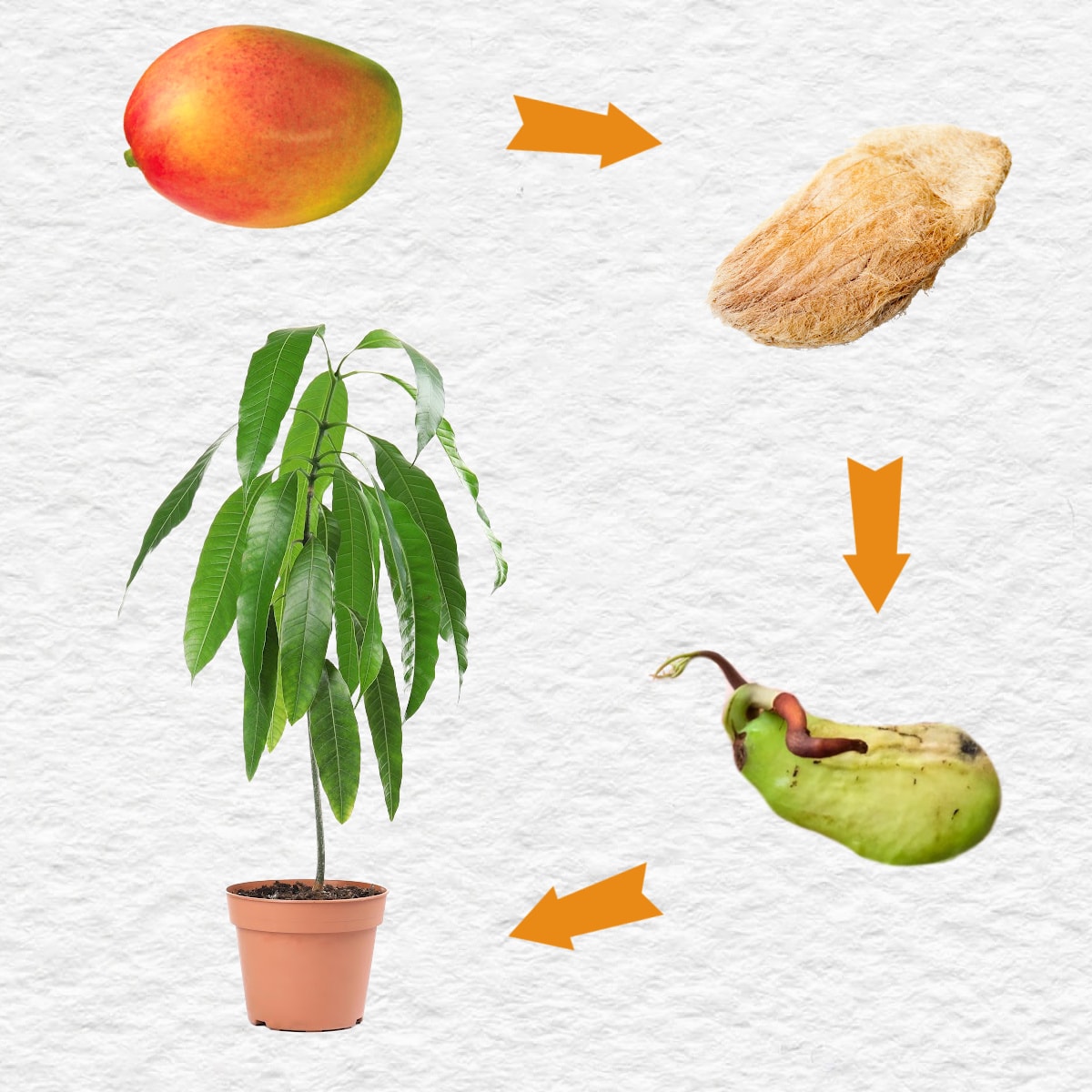
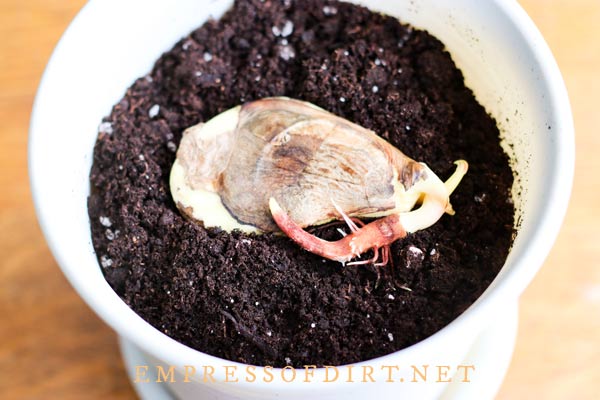
- Mango can be grown from seed. However, seed-grown trees often do not reliably carry the parent variety’s characteristics, especially for monoembryonic types. They may also take longer to bear fruit.
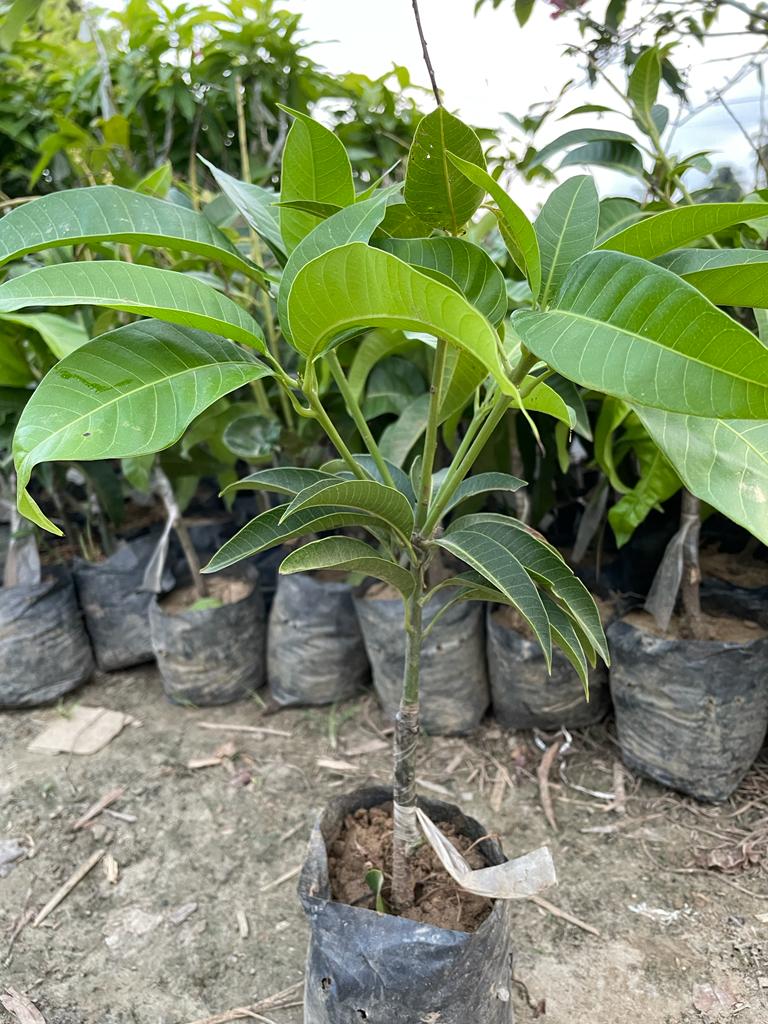
- Vegetative propagation (eg. grafting, veneer grafting, epicotyl grafting) gives true-to-type plants and quicker fruiting.
- Selecting Saplings/Grafts:
- Choose healthy grafted plants of desired cultivar from reliable nurseries. Strong, stocky, upright growth, good root system are preferred.
- Graft union should be above soil level when planted.
3. Field Preparation & Planting

Pit Preparation & Spacing:
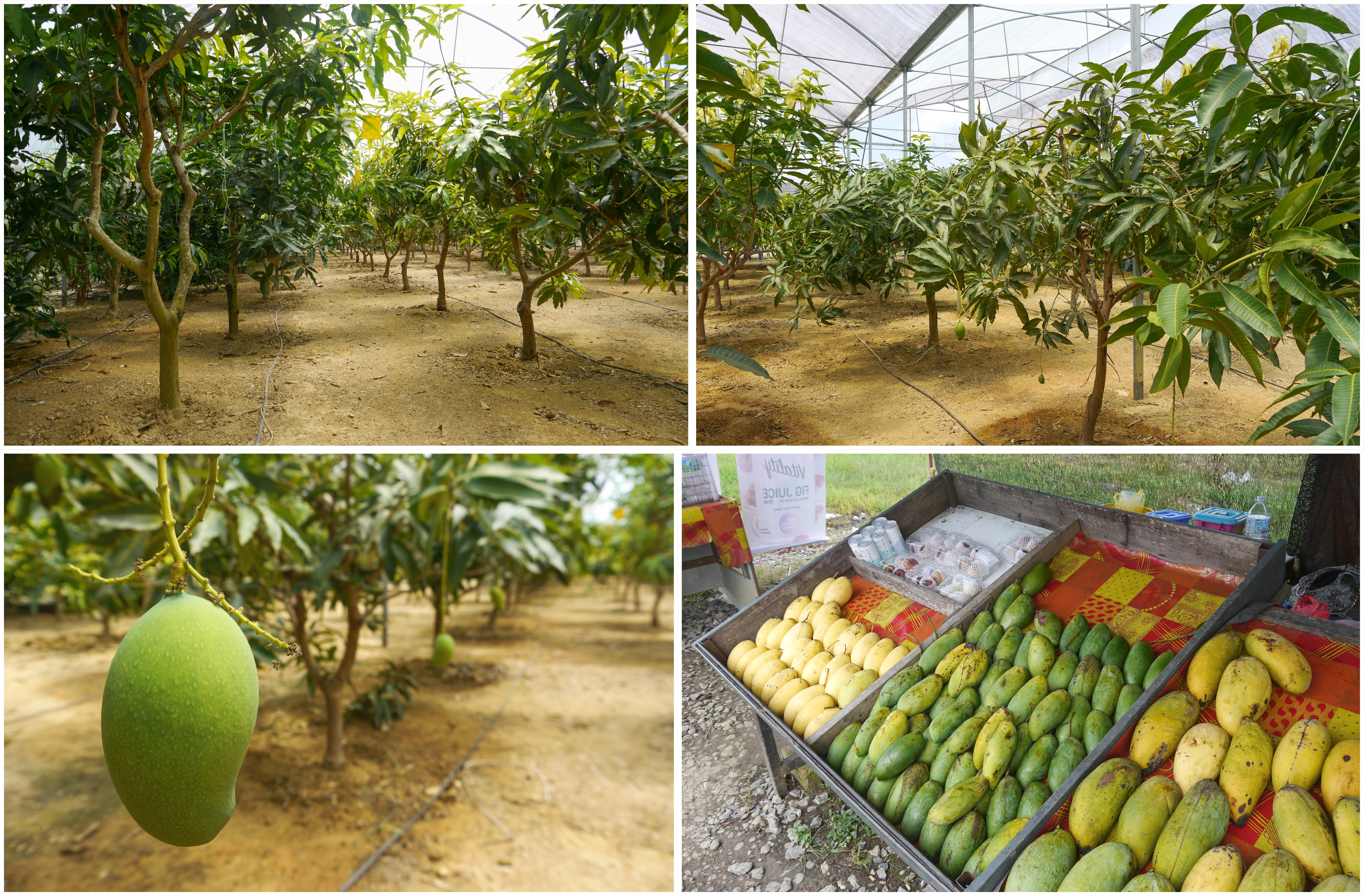
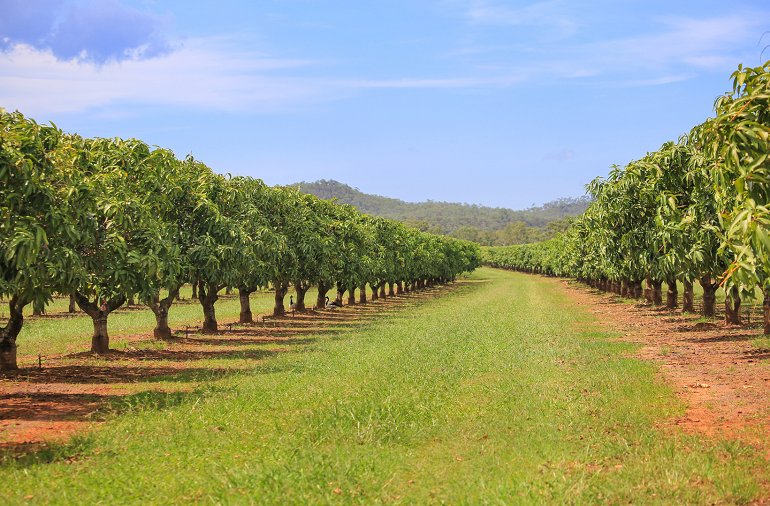
- Dig planting pits with dimensions about 1 m × 1 m × 1 m. Dimensions may vary. Fill the pits with topsoil, farm yard manure (FYM), and compost as necessary.
- Planting distance & spacing generally: 10 m × 10 m or 12 m × 12 m in standard orchards. In high-density systems, closer spacing (e.g., 5 m × 5 m) may be used for dwarf or managed varieties.
Timing of Planting:
- In rain-fed zones: monsoon period (July-August) is favourable for planting.
- In irrigated zones: February-March can be suitable.
Planting Instructions:
- Ensure the graft union remains above the soil surface and don’t bury it. (National Horticulture Board)
- After planting, water thoroughly to settle the soil around the roots. Create a small basin around the tree for water catchment.
4. Irrigation & Water Management

For Young Trees:
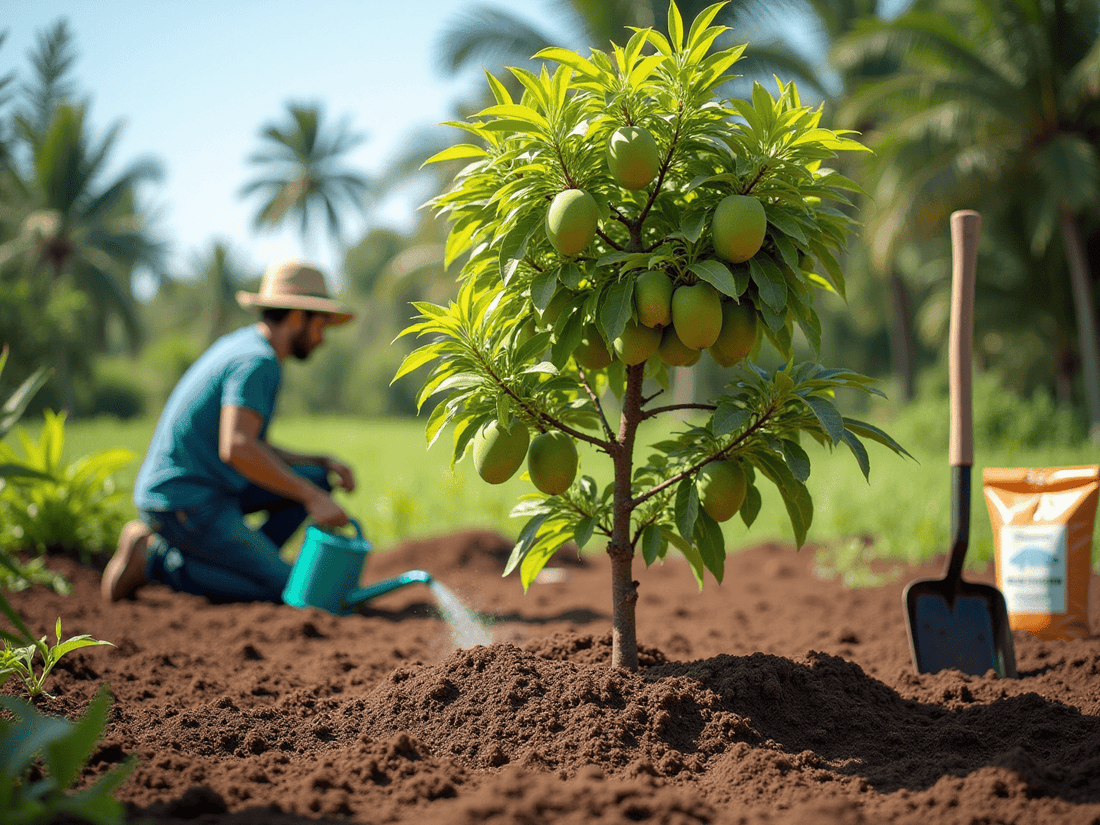
- New plantings require regular irrigation to establish a good root system. In first two years, weekly or more frequent waterings may be required especially in dry spells.
For Mature Fruiting Trees:
- Water needs vary with fruiting cycle. Often irrigation is particularly important during flowering, fruit‐set and early fruit growth.
- Some guidance suggests avoiding heavy irrigation just before flowering to avoid vegetative growth at the expense of flowers/fruits.
Irrigation Methods & Tips:
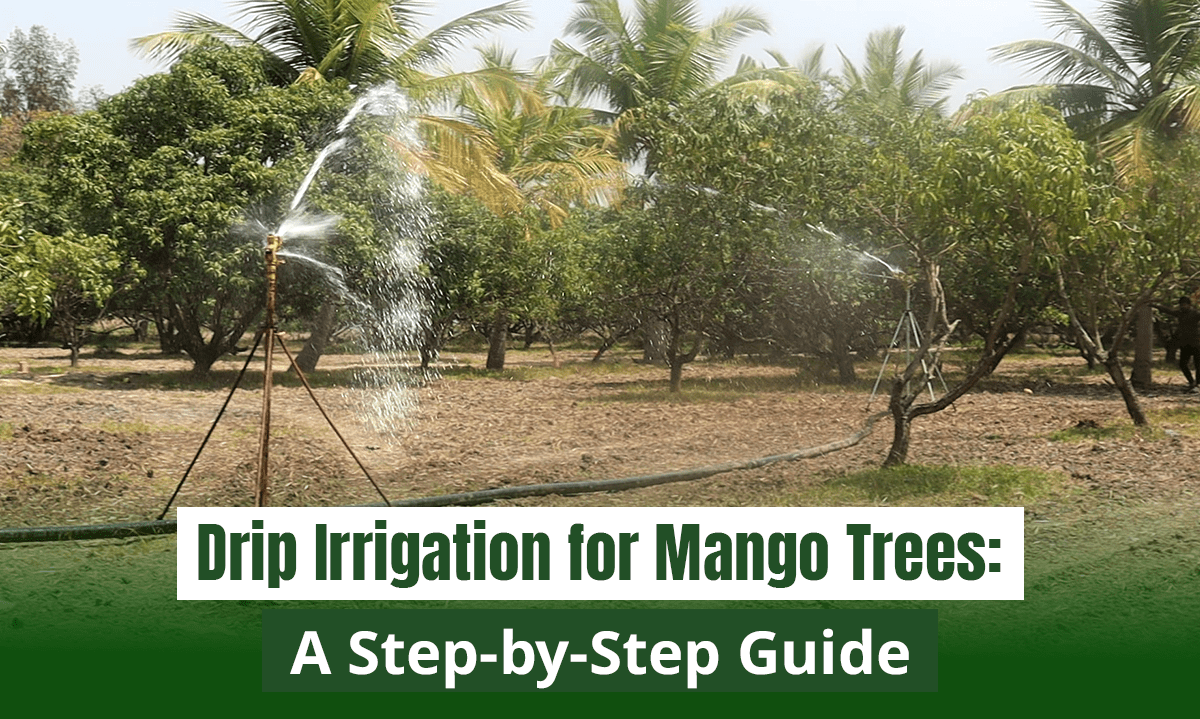
- Use good water management methods (drip, micro‐sprinklers) especially in dry soils or where water is scarce.
- Ensure soil is well drained; avoid waterlogging which harms roots.
- Mulching around trees helps retain soil moisture and reduce weed competition.
5. Nutrition, Fertilizers & Soil Health
Organic Matter:
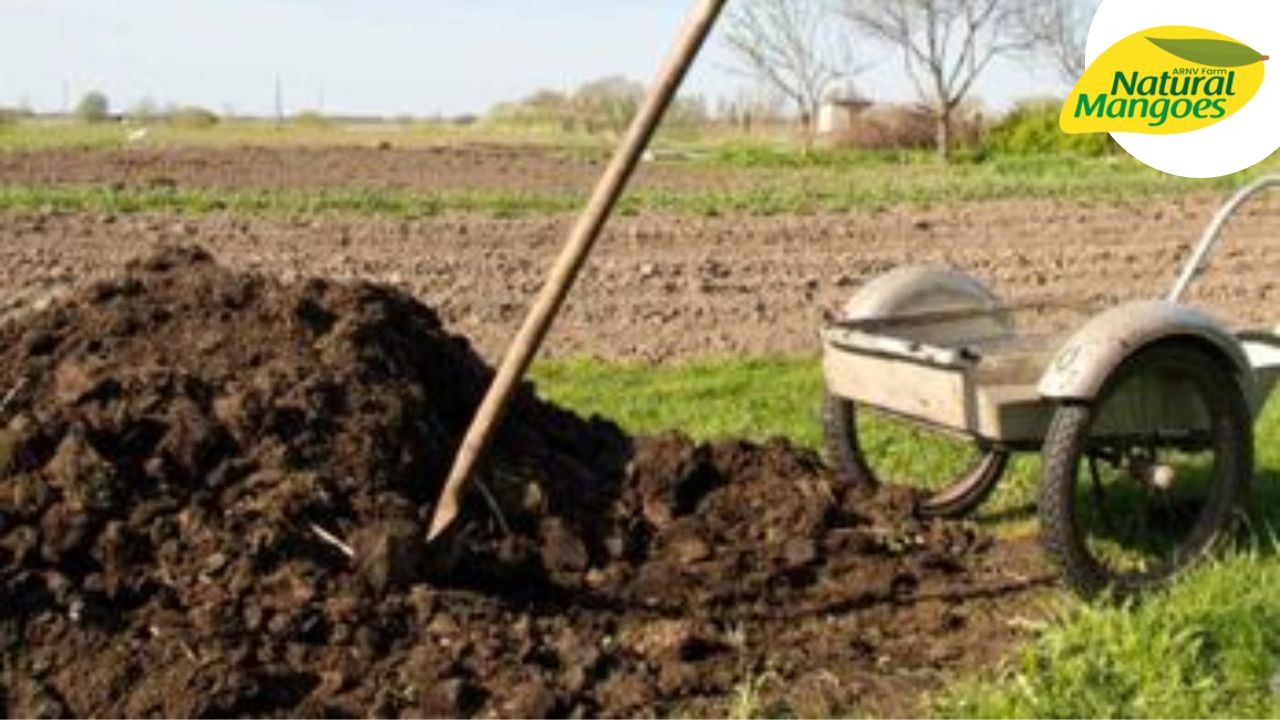
- Regular addition of well-decomposed farm yard manure (FYM) or compost is beneficial. (National Horticulture Board)
Fertilizer Recommendations:
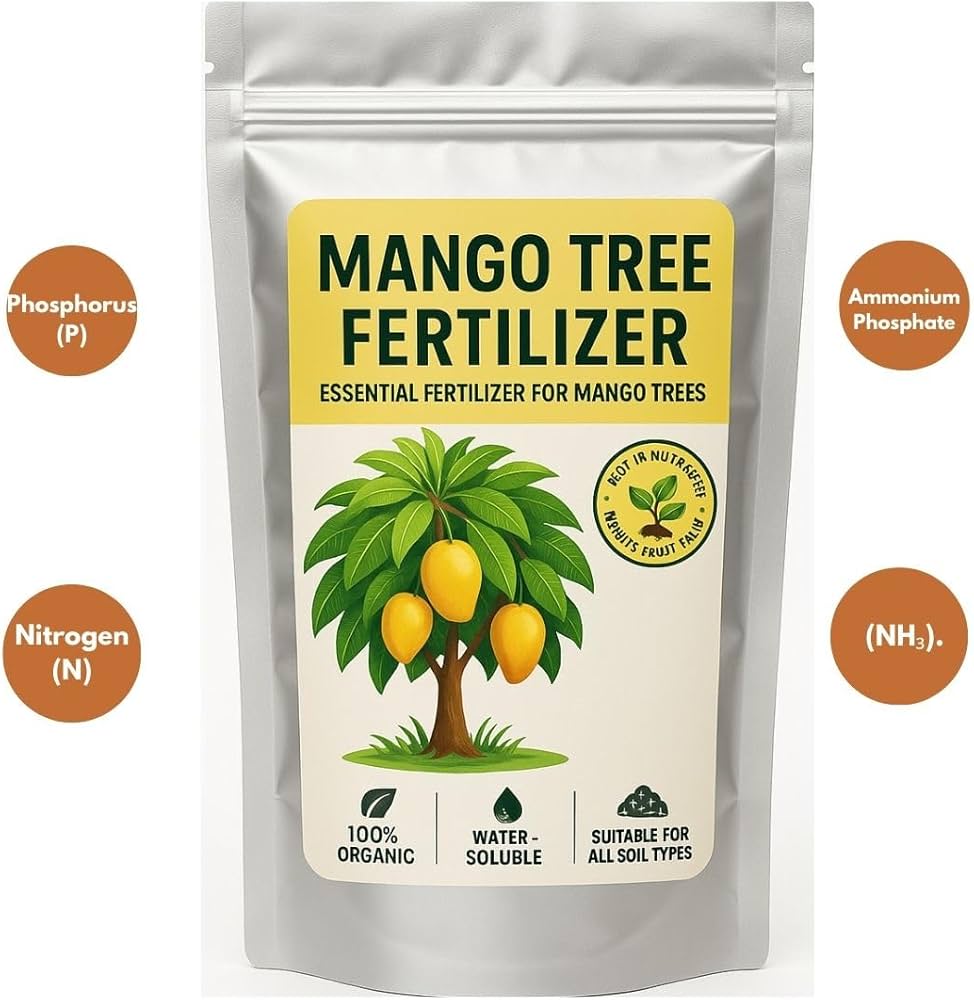
- For young plants (1–3 yrs): moderate N, P, K. For example: ~100 g N, 50 g P₂O₅, 100 g K₂O per plant per year (as per some guidance) for early years.
- For mid-growth and mature trees, rates increase. One source: young plants require 170 g urea, 150 g SSP, and 150 g MOP per plant. For 4-10 years stage, 800 g urea, 700 g SSP, and 600 g MOP per plant per year are needed.
Timing:
- Apply fertilizer in split doses: e.g., one half after harvest, a second half in October in many Indian conditions.
Micronutrients:
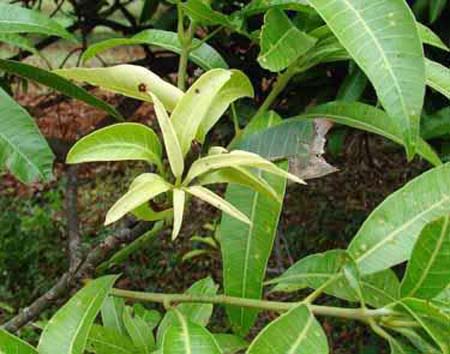
- Mango trees benefit from micronutrient sprays (e.g., boron, zinc) as per deficiency symptoms. Soil tests help.
6. Training, Pruning & Canopy Management


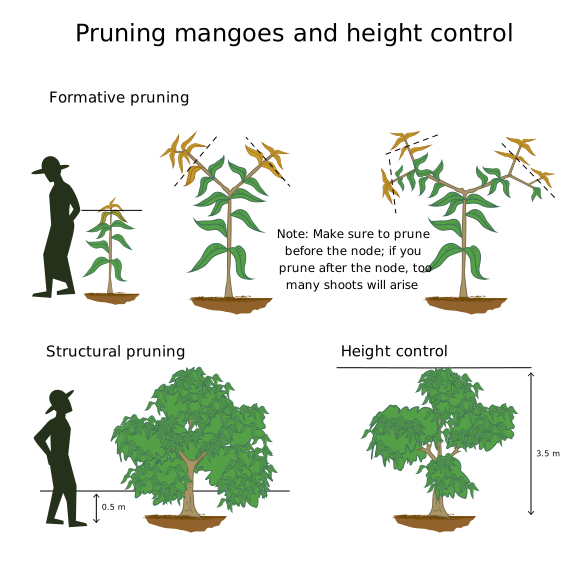
Early Training:
- In the first 1–2 years, train the tree to develop a good framework. This framework could be a strong central leader or an open centre. Remove weak or unnecessary branches.
- Provide support/staking if needed for young saplings especially in windy sites.
Pruning Mature Trees:
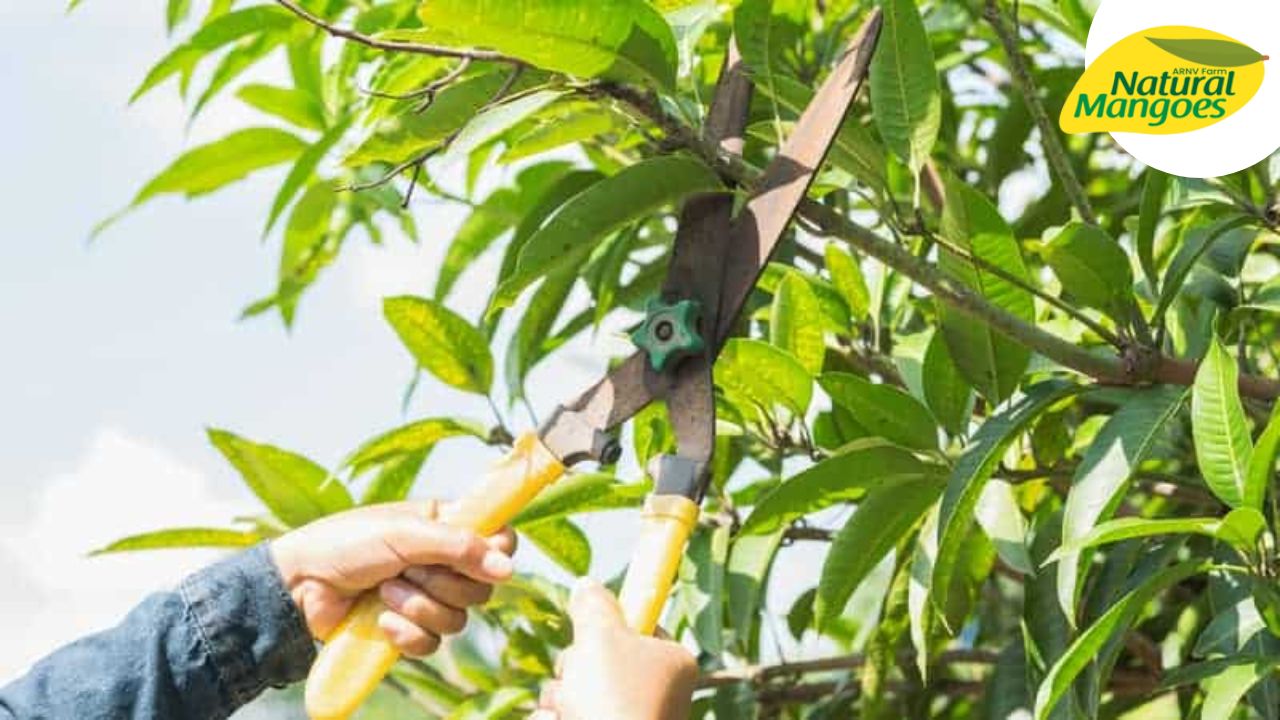
- Remove dead, diseased or broken branches. Thin out crowded parts of crown to allow good light penetration and air circulation (which helps reduce diseases).
- Manage tree height/size as per variety: in high‐density plantings or backyard gardens, keeping size moderate helps ease harvest and management.
7. Flowering, Fruit Set & Harvesting

Flowering & Fruit Set:
- Flowering in many Indian regions occurs December-January (or later in cooler areas). Pollination is helped by insects and favourable weather.
- Avoid excessive irrigation or vigorous vegetative growth just before/at flowering as this may reduce fruiting.
Harvesting:
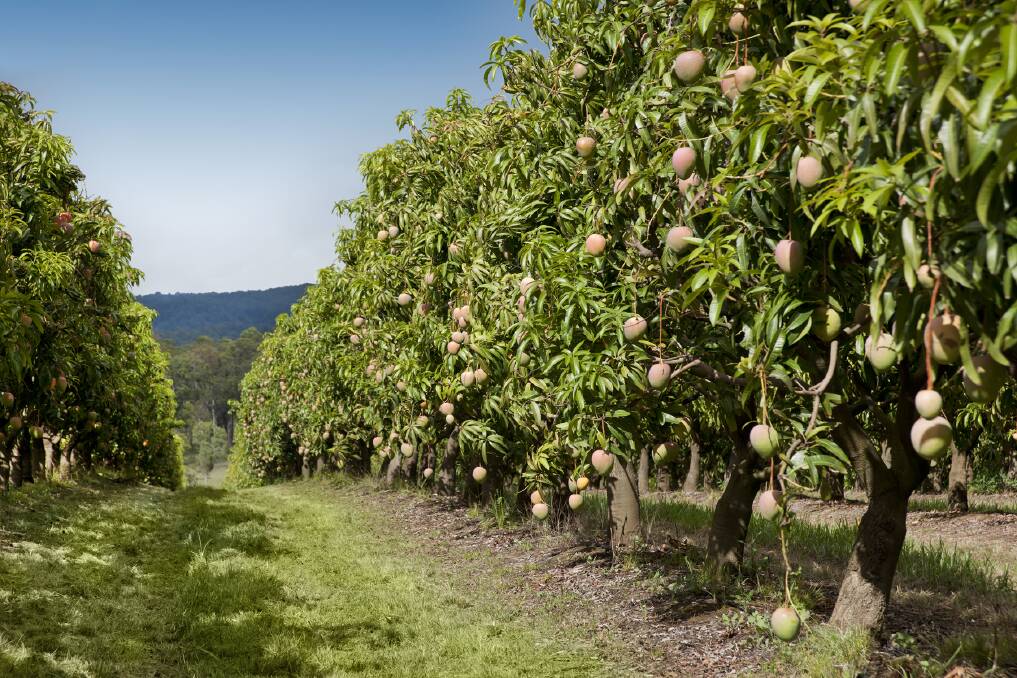
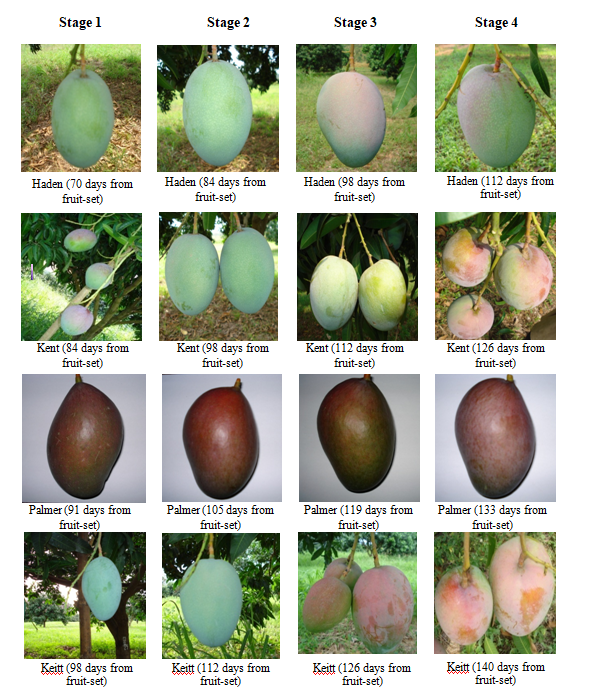
- Mango fruits mature ~3–5 months after flowering depending on variety and climate.
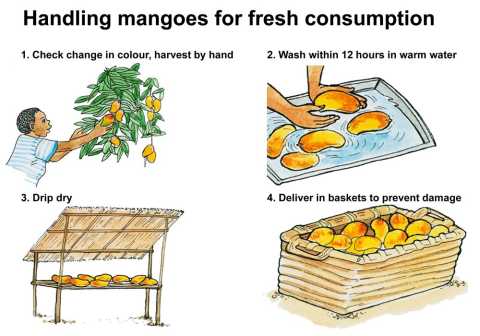
- Harvest when fruits show appropriate maturity (color, size) and handle gently to minimize damage. Grade and sort before market.
8. Pest, Disease & Post-Harvest Considerations

Pests & Diseases:
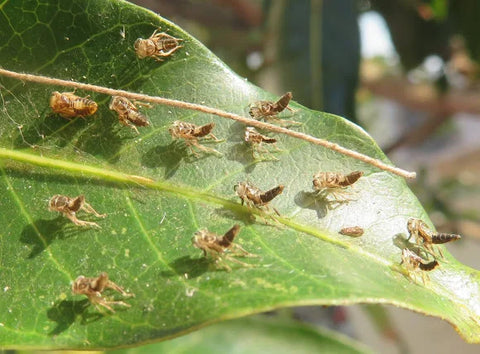
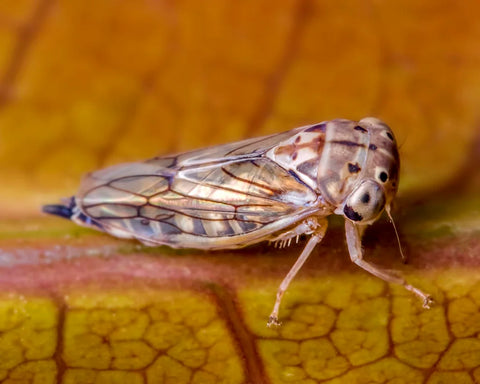
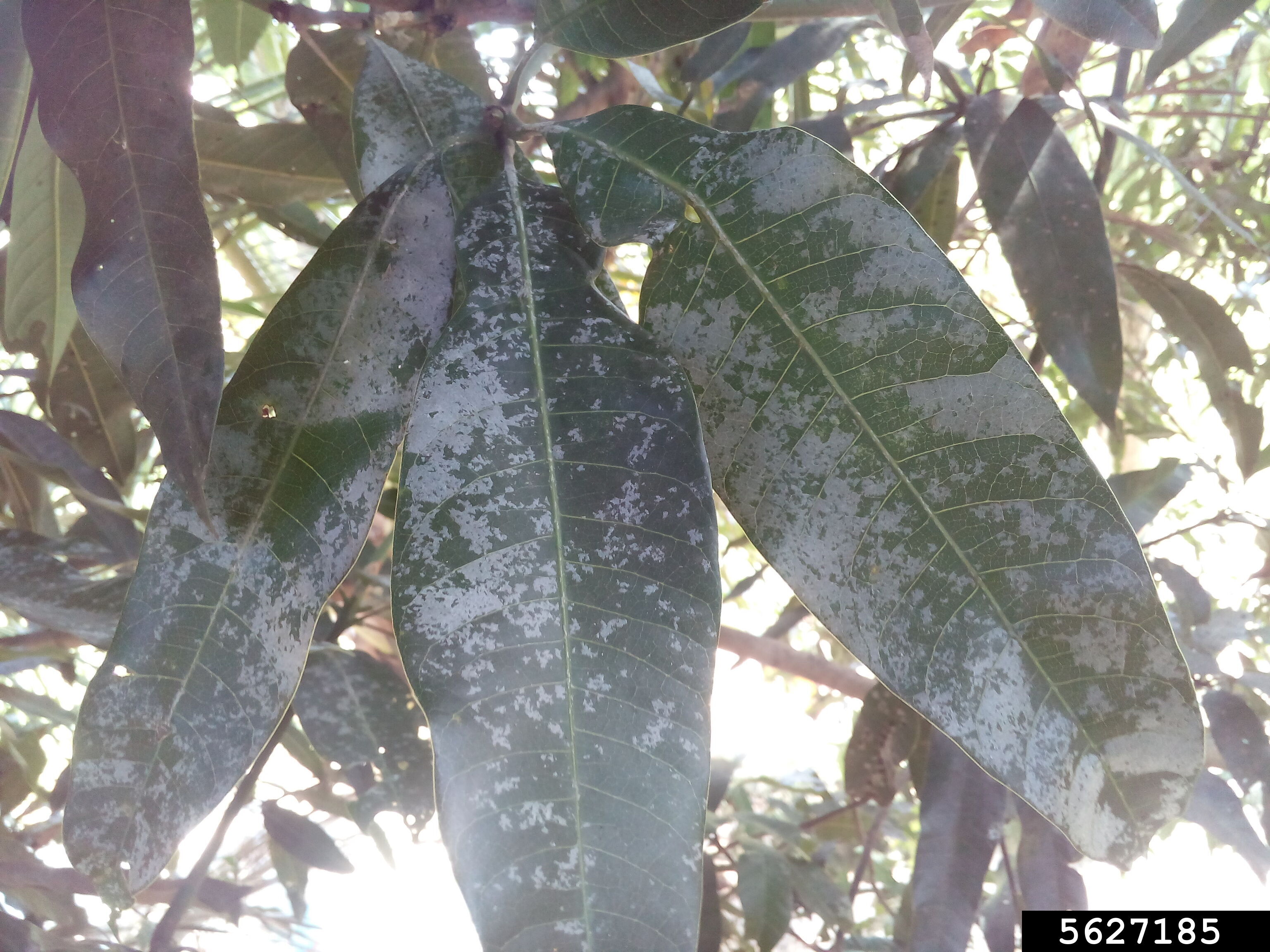
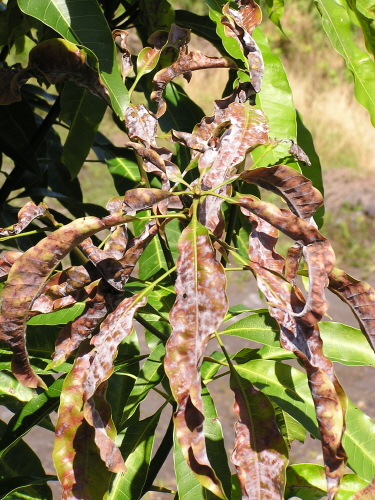
- Major pests include mango hoppers, fruit borers, mealybugs; diseases include powdery mildew, anthracnose, etc.
- Good orchard hygiene, pruning of infected parts, appropriate sprays/treatments as per local extension advice help in control.
Post-Harvest Handling:
- After harvest, keep fruit in shade, sort out damaged/undersized ones, pack as per market/international standards.
- Where possible, value addition (e.g., pulp, processing) adds income.
9. Intercropping & Sustainable Practices
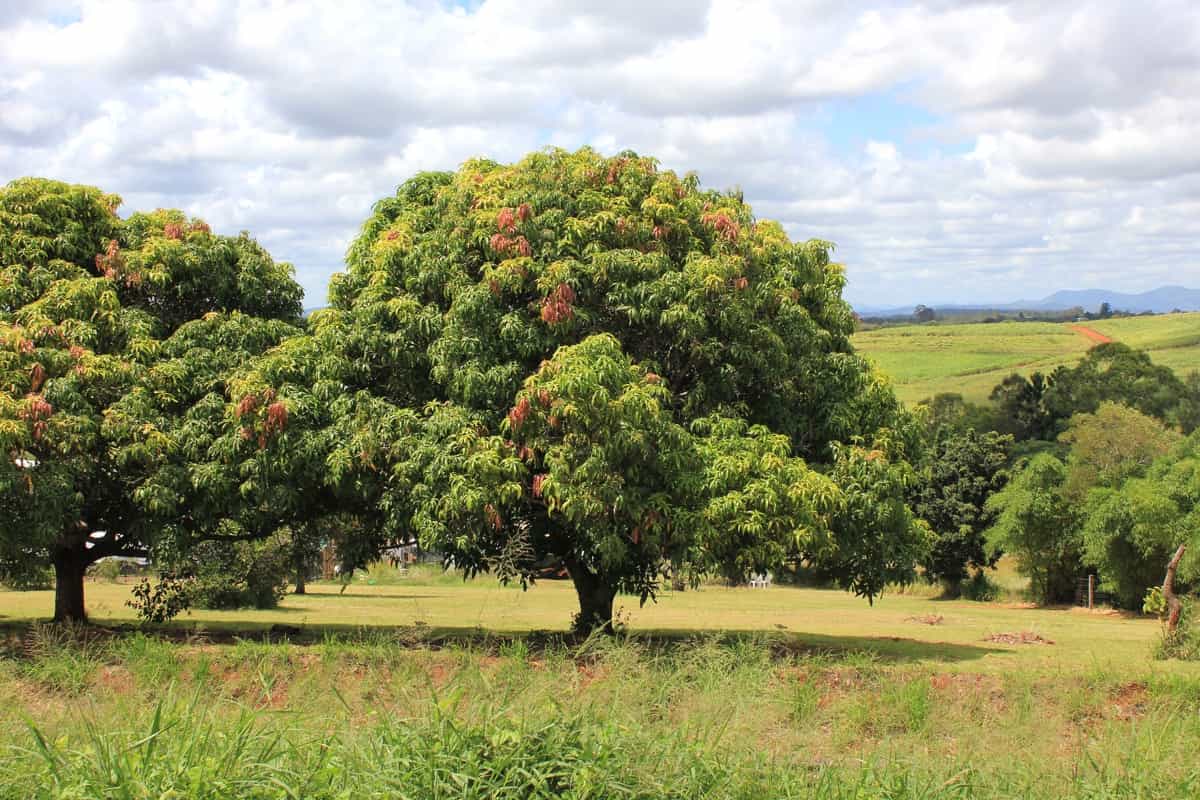
- During the pre-bearing period, which is the first few years before full fruiting, plant short-duration intercrops. Intercrops like legumes and vegetables can grow between mango trees. They can provide interim income. This practice also helps maintain soil health.
- Mulch with organic materials, maintain ground cover, avoid excessive chemical use—these practices benefit long-term orchard health.
10. Variety Selection & Local Adaptation
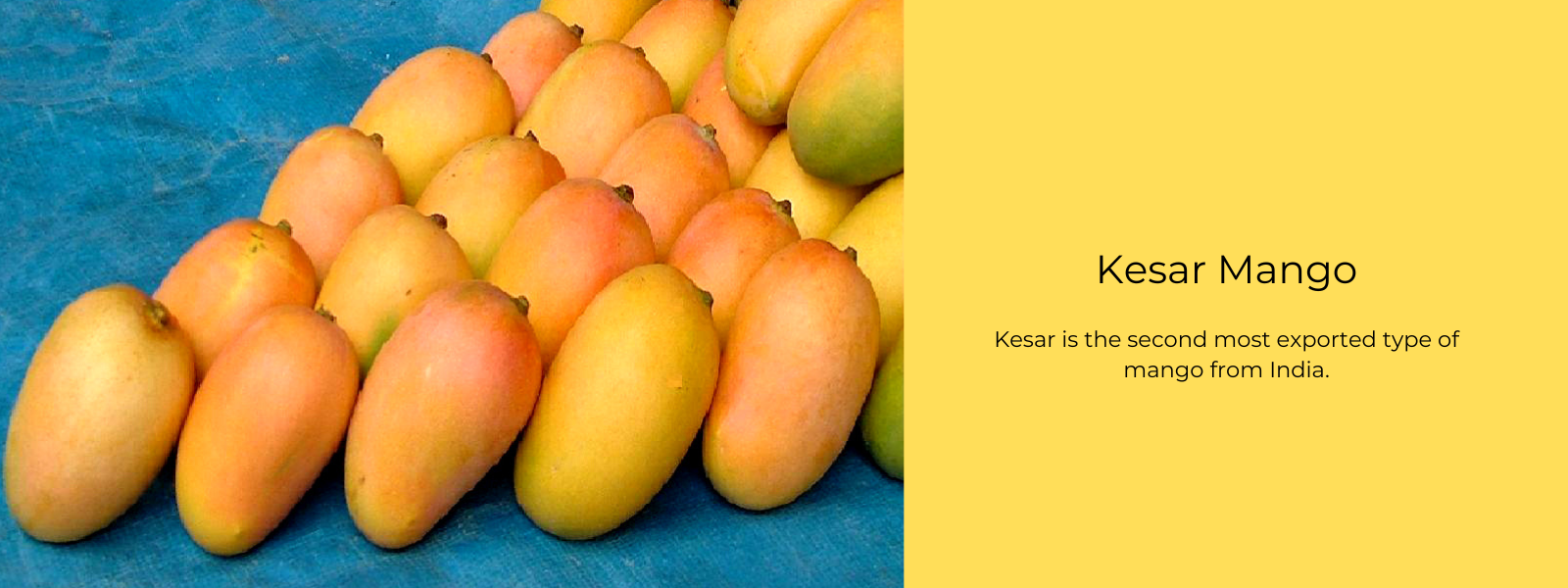
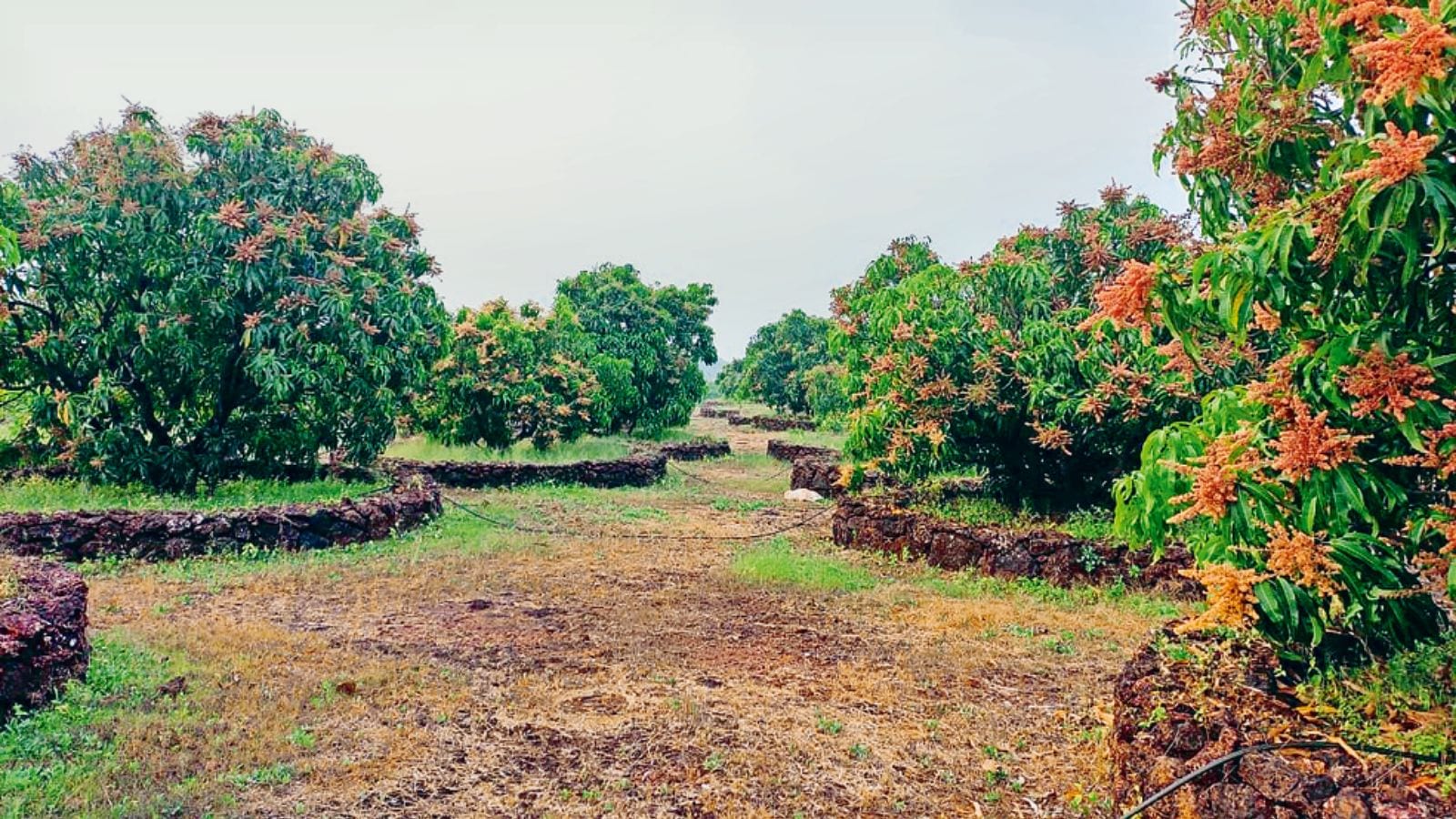
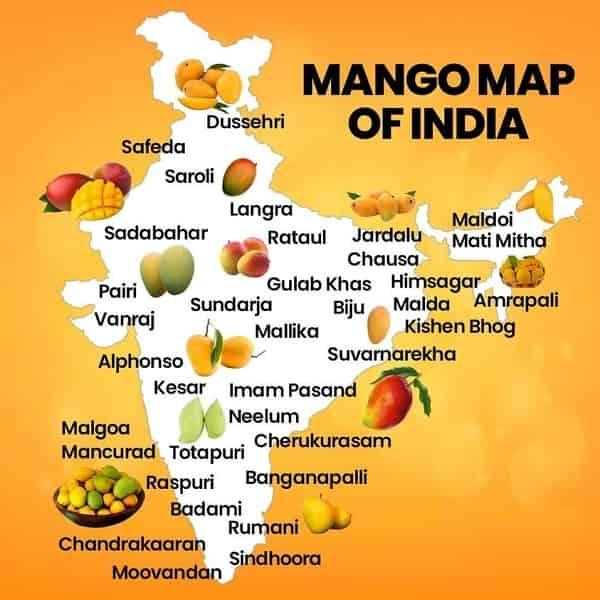
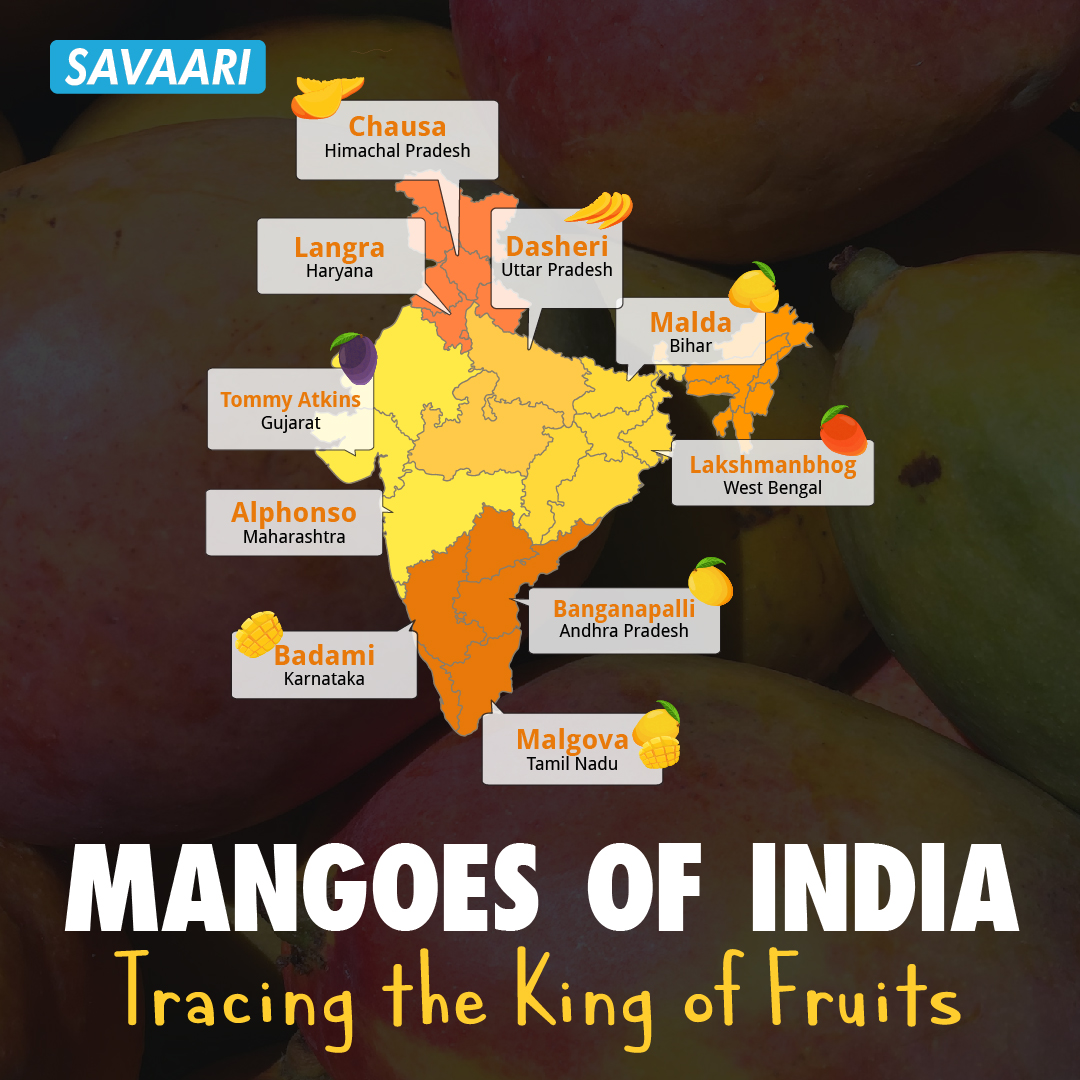
- Choose mango cultivars suited to your region, climate and market (local consumption vs export).
- For example, in India there are well-known varieties like “Kesar,” “Alphonso,” “Banginapalli,” etc.
- Consider tree size, yield pattern (annual vs alternate bearing), marketing potential.
11. Harvest Life Span & Orchard Renewal
- A mango orchard’s economic life can extend 30 + years though productivity and fruit quality may decline with age.
- Plan for periodic rejuvenation or replacement of old trees rather than expecting identical yields indefinitely.
12. Risks & Special Considerations
- Alternate bearing (heavy crop one year, light the next) is common in mango; good management can reduce severity.
- Heavy rainfall during blossoming causes flower drop, poor fruit set.
- Wind or cyclones during fruiting may cause fruit drop or branch damage.
Conclusion
Growing mango trees successfully in India involves matching the right site, cultivar, and management practices. With proper attention to soil, water, nutrition, pest control and post-harvest handling, mango farming can be rewarding—both for the home gardener and commercial orchards.
If you like, I can pull together state-specific recommendations (for Himachal Pradesh / Uttarakhand / Hill zones) or variety-wise care for popular Indian mango cultivars. Would you like that?
 KrishiCenter
Leave a comment