
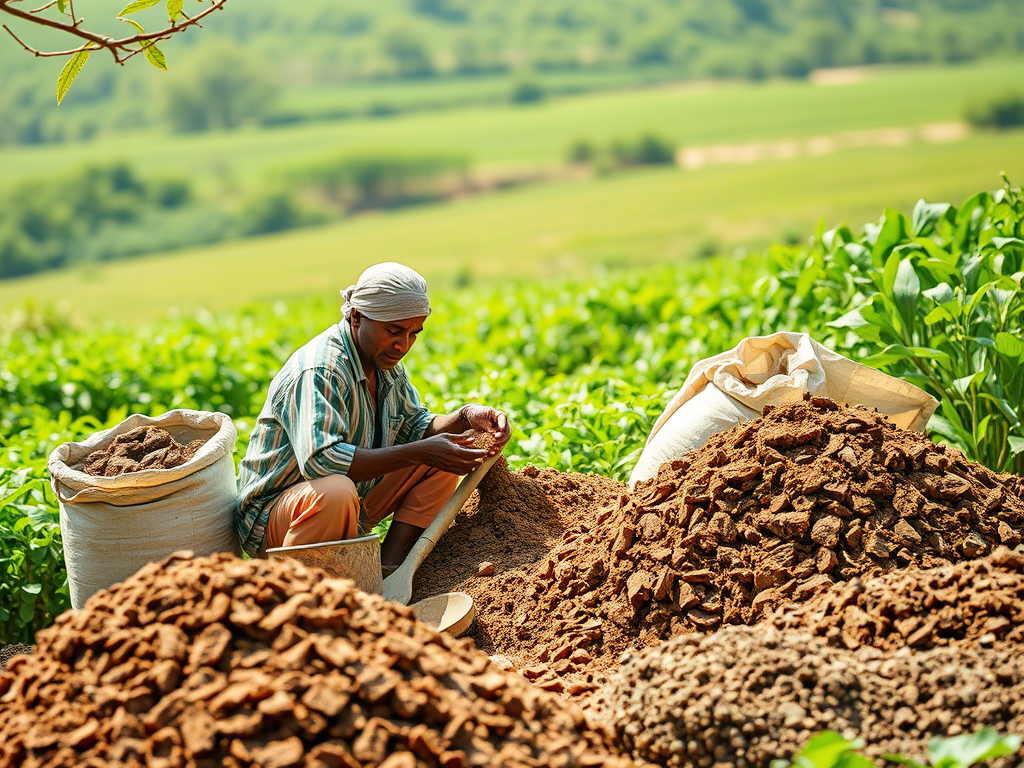
Making money from cow dung is a creative and sustainable business idea, especially in regions where livestock farming is common. Cow dung is a valuable resource with numerous applications, ranging from agricultural to energy production. Here’s a detailed guide on how you can monetize cow dung:
1. Organic Fertilizer Production
Cow dung is rich in nutrients like nitrogen, phosphorus, and potassium, making it an excellent organic fertilizer.
Steps:
- Collect Cow Dung: Source the cow dung from local farms, dairies, or your own livestock.
- Composting:
- Pile the cow dung and allow it to compost for several weeks. The composting process transforms the dung into nutrient-rich organic fertilizer.
- Aerate the pile regularly and keep it moist to encourage microbial activity.
- Packaging: Once the compost is ready, sift it to remove any large particles. Package the compost in bags or bins for sale.
- Marketing: Promote the fertilizer to organic farmers, gardeners, and landscapers. Highlight its eco-friendly and nutrient-rich properties.
- Pricing: Price the fertilizer competitively based on local market rates.
Investment Needed: Minimal if you’re sourcing local cow dung and composting it yourself.
Profit Potential: High, especially in areas with a growing demand for organic products.
2. Biogas Production
Cow dung can be used to produce biogas, a renewable energy source. Biogas can be used for cooking, heating, and even electricity generation.
Steps:
- Set Up a Biogas Digester:
- A biogas digester is a sealed container where cow dung and water are mixed and fermented by bacteria to produce methane gas.
- You can either build your own or buy a ready-made biogas plant.
- Collect and Feed Cow Dung: Collect the dung regularly and feed it into the digester, along with water.
- Methane Gas Collection: The digester produces methane gas, which can be collected and stored.
- Utilize the Biogas:
- Use the methane gas for cooking, heating, or running a generator to produce electricity.
- If you generate excess gas, you can sell it to local industries or utilities.
- Byproducts: The leftover slurry from the digester is rich in nutrients and can be used as a fertilizer, creating an additional revenue stream.
Investment Needed: Moderate to high for building a biogas plant, but the ongoing operating costs are relatively low.
Profit Potential: Moderate to high depending on the scale. You can also potentially sell excess gas to energy companies.
3. Cow Dung Paper Production
Cow dung can be transformed into biodegradable paper, which is eco-friendly and gaining popularity in sustainable industries.
Steps:
- Collect and Prepare Cow Dung: Mix the dung with water and other organic materials such as sawdust or straw to create a slurry.
- Form the Paper: Spread the slurry over a flat surface and allow it to dry into thin sheets. The process is similar to paper-mâché.
- Drying and Cutting: After drying, cut the paper into sheets or rolls, ready for sale.
- Marketing: Market your cow dung paper as an eco-friendly alternative to regular paper. Target customers who are interested in sustainability and green products.
- Packaging and Distribution: Package the paper for sale in bulk or as individual sheets, and sell to schools, offices, or eco-conscious consumers.
Investment Needed: Moderate, as you’ll need equipment to process and dry the dung, but it’s a relatively simple process once you have the materials.
Profit Potential: High in eco-friendly markets, especially for high-quality, sustainable paper products.
4. Cow Dung Incense Sticks
Cow dung can be used to make incense sticks, which are popular in many cultures for spiritual and ceremonial uses.
Steps:
- Prepare the Dung: Clean and dry the cow dung to remove moisture and impurities.
- Mix with Other Natural Ingredients: Add other natural binders and fragrances (e.g., herbs, flowers, and resins).
- Shape the Incense: Form the mixture into stick shapes using a mold or by hand.
- Drying: Allow the incense sticks to dry completely before packaging.
- Packaging and Selling: Package the incense sticks and sell them to spiritual shops, religious institutions, and individuals.
Investment Needed: Low to moderate for sourcing raw materials and basic equipment for shaping and drying incense.
Profit Potential: Moderate, with a steady market for incense in spiritual or religious settings.
5. Cow Dung Art and Crafts
Creative artists use cow dung to make eco-friendly crafts, such as sculptures, wall hangings, and decorative items. In some cultures, cow dung is even used for artistic purposes in festivals and rituals.
Steps:
- Prepare the Dung: Clean the dung thoroughly and dry it to remove moisture.
- Shape the Dung: Use the dung as a medium for sculpting or molding. Cow dung is versatile and can be used to create intricate designs.
- Paint and Decorate: Once the sculpture or craft piece is dried, it can be painted or decorated to enhance its aesthetic appeal.
- Sell Your Art: Market your creations at art fairs, online marketplaces, or through local galleries.
Investment Needed: Low, mainly for tools and supplies needed for sculpting and decoration.
Profit Potential: Moderate to high, especially if you can establish a niche in eco-art or cultural products.
6. Cow Dung Charcoal
Cow dung can be processed into charcoal, which is used as an eco-friendly alternative to traditional charcoal in cooking and heating.
Steps:
- Dry the Cow Dung: Collect fresh dung and dry it completely in the sun.
- Burning Process: Burn the dried dung in a low-oxygen environment (similar to traditional charcoal production).
- Shape into Briquettes: Once charred, the material can be shaped into briquettes for easier handling and burning.
- Packaging and Selling: Package the charcoal briquettes and sell them to eco-conscious consumers or businesses, particularly in regions where traditional charcoal is used.
Investment Needed: Moderate for building a kiln or charcoal-making system.
Profit Potential: High, especially in areas with demand for sustainable cooking fuels.
7. Cow Dung for Biodegradable Plastics
In recent years, cow dung has been used as an alternative to petroleum-based plastics, creating biodegradable and eco-friendly packaging materials.
Steps:
- Gather and Prepare the Dung: Similar to paper production, you would mix cow dung with other materials like starch to create a moldable compound.
- Shape the Plastic: Mold the mixture into plastic-like products, such as containers, plates, and packaging materials.
- Dry and Finish: Allow the products to dry and finish the edges as needed.
- Marketing: Promote your biodegradable plastic products to eco-conscious businesses or individuals.
Investment Needed: High, due to the specialized machinery required to process cow dung into bioplastics.
Profit Potential: High, especially in industries shifting toward sustainability.
8. Cow Dung Soap and Shampoo
Cow dung is sometimes used as a key ingredient in organic soap and shampoo production. It is believed to have beneficial properties for the skin and hair.
Steps:
- Mix Cow Dung with Other Ingredients: Combine cow dung with natural oils, herbs, and other beneficial ingredients.
- Process into Soap/Shampoo: Use traditional soap-making methods to create the final product.
- Packaging and Marketing: Package the soap or shampoo in eco-friendly packaging and market it as a natural, organic alternative to chemical-based products.
Investment Needed: Moderate for equipment and ingredients.
Profit Potential: High in niche markets focused on natural, organic skincare.
Conclusion
Cow dung is a versatile and sustainable resource that can be turned into a variety of profitable products. Your success will depend on the market demand in your area, the quality of your product, and your ability to scale. Many of these ventures require minimal investment at the start but can lead to a significant income if marketed and managed well. Whether you’re looking to go into farming, energy production, or craft-making, cow dung offers a range of business opportunities with low environmental impact.
If any of these ideas stand out to you, I can help dive deeper into the specific details, costs, or the initial steps for setting up a business in one of these areas.

 KrishiCenter
Leave a comment