
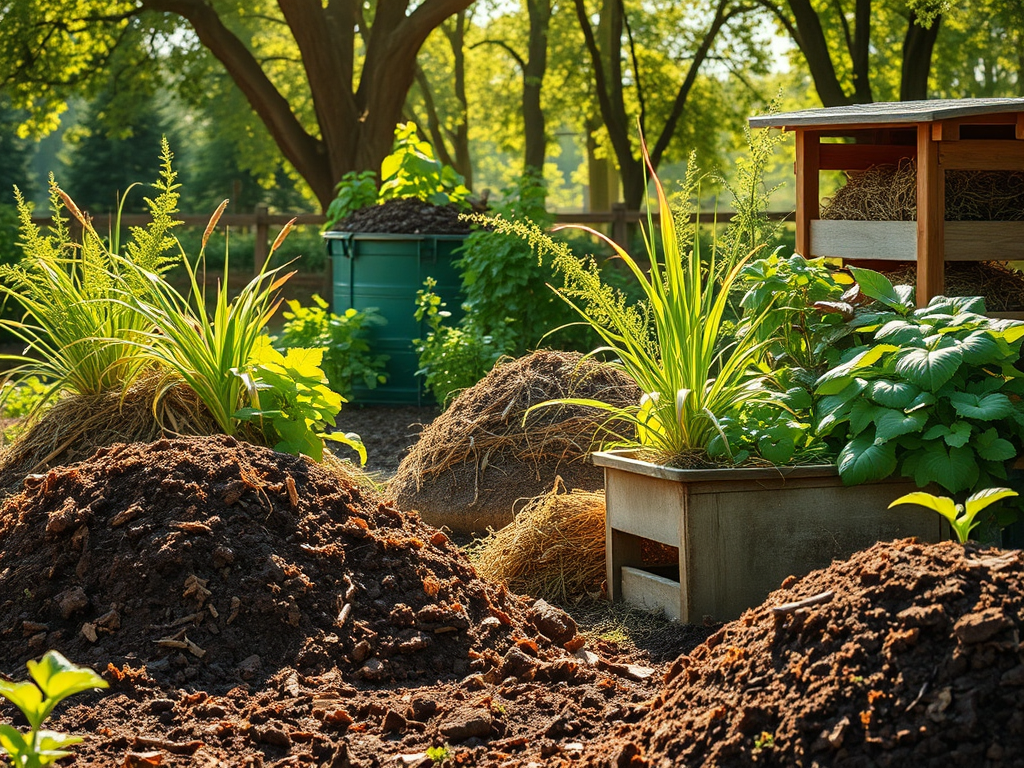
Understanding Organic Manures and Fertilizers: A Comprehensive Guide
Organic manures and fertilizers are essential components of sustainable farming. They offer a natural way to enhance soil fertility. They also promote plant growth. Unlike synthetic fertilizers, which can degrade the soil’s health over time, organic alternatives enrich the soil. They increase its microbial activity and improve its structure. In this article, we will explore the different types of organic manures and fertilizers. We will discuss their benefits and how they can be used effectively in agriculture and gardening.
1. What Are Organic Manures and Fertilizers?
- Organic Manures: Organic manures are natural substances. They are derived from plant or animal matter. These manures are used to supply essential nutrients to plants. They include compost, farmyard manure (FYM), green manure, and animal waste. Organic manures improve soil health, fertility, and structure.
- Organic Fertilizers: Organic fertilizers are nutrient-rich substances. They are derived from natural sources. These substances are used to provide specific nutrients to plants. These nutrients include nitrogen, phosphorus, and potassium. These include animal dung, bone meal, fish emulsion, and various plant-based materials.
While both organic manures and fertilizers provide nutrients, the key difference lies in their function:
- Manures improve soil structure and fertility over time through the gradual release of nutrients and the addition of organic matter.
- Fertilizers focus on providing plants with specific nutrients directly to aid growth and yield.
2. Types of Organic Manures
2.1. Farmyard Manure (FYM)
Farmyard manure is a combination of livestock manure. It includes manure from animals like cows, buffaloes, goats, or sheep. Bedding materials like straw, sawdust, or leaves are also included. This manure is composted over time. It decomposes to create a nutrient-rich material. This material helps improve soil structure, water retention, and microbial activity.
Benefits:
- Adds organic matter to soil.
- Improves water retention and soil aeration.
- Enhances microbial activity.
- Improves soil’s cation exchange capacity (CEC), making it more fertile.
Application: FYM should be applied 2–3 weeks before sowing or planting to ensure proper decomposition. It can be spread evenly across the field or garden and incorporated into the soil.
2.2. Compost
Microorganisms decompose organic waste materials to create compost. These materials include plant residues, food scraps, leaves, and other organic matter. The process typically takes several months but results in a rich, dark, crumbly material that is beneficial for the soil.
Benefits:
- Increases soil fertility and microbial activity.
- Improves soil structure, promoting better root growth.
- Enhances soil’s water-holding capacity.
- Reduces soil erosion and compaction.
Application: Compost can be added to the soil during planting. It can also be used as a top dressing around plants. Additionally, it can be incorporated into garden beds.
2.3. Green Manure
Green manure involves growing specific crops, such as legumes, mustard, clover, or fenugreek. These crops are then plowed back into the soil to decompose. This process adds nitrogen, organic matter, and beneficial microbes to the soil.
Benefits:
- Fixes nitrogen in the soil, particularly with legumes (e.g., beans and peas).
- Increases organic matter in the soil.
- Prevents soil erosion and enhances soil structure.
- Reduces the need for chemical fertilizers.
Application: Green manure crops are grown for a few months. Then they are tilled into the soil before the next crop is planted.
2.4. Animal Manure
Animal manure, such as poultry, horse, or sheep manure, is often richer in nutrients compared to farmyard manure. However, it is typically more concentrated. It needs to be composted before use. This reduces the risk of burning plants due to high nitrogen content.
Benefits:
- Rich in nitrogen, phosphorus, and potassium.
- Improves soil structure and nutrient availability.
- Provides essential trace elements.
Application: Animal manure should be aged or composted for 3-6 months before being added to the soil to prevent plant damage.
3. Types of Organic Fertilizers
3.1. Bone Meal
Bone meal is made from finely ground animal bones, often from cattle. It is an excellent source of phosphorus and calcium, which are essential for root development and flower production.
Benefits:
- Rich in phosphorus, promoting strong root growth and flower development.
- Provides calcium, which helps maintain cell structure.
- Slow-release, providing nutrients over time.
Application: Bone meal should be worked into the soil at planting time or used as a top dressing.
3.2. Fish Meal
Fish meal is produced by grinding dried fish or fish scraps. It is rich in nitrogen and essential trace minerals like zinc, magnesium, and iron.
Benefits:
- Provides a balanced source of nitrogen, phosphorus, and trace minerals.
- Boosts plant growth and leaf development.
- Enhances soil microbial activity.
Application: Fish meal is typically incorporated into the soil before planting or mixed with compost for a nutrient boost.
3.3. Seaweed and Kelp Fertilizers
Seaweed-based fertilizers are derived from various types of seaweed, especially kelp. These fertilizers are rich in trace minerals, vitamins, and growth hormones that promote overall plant health and growth.
Benefits:
- Rich in trace minerals, including iodine, iron, and magnesium.
- Promotes plant resistance to disease and stress.
- Improves soil structure and microbial activity.
Application: Seaweed fertilizers can be applied directly to soil, mixed into compost, or used as a foliar spray.
3.4. Blood Meal
Blood meal is a byproduct of slaughtered livestock, typically cows, and is a potent source of nitrogen. It is often used for plants that need a nitrogen boost, such as leafy vegetables and certain flowers.
Benefits:
- High in nitrogen, promoting leaf and vegetative growth.
- Stimulates overall plant vigor.
- Acts as a slow-release fertilizer.
Application: Blood meal should be applied carefully, as excessive nitrogen can burn plants. It can be mixed into the soil before planting or sprinkled around established plants.
3.5. Compost Tea
Compost tea is a liquid extract made by steeping compost in water. It is rich in beneficial microorganisms, enzymes, and nutrients that improve soil health and plant growth.
Benefits:
- Improves microbial diversity in the soil.
- Enhances plant resistance to pests and diseases.
- Boosts plant growth and root health.
Application: Compost tea can be used as a foliar spray or watered into the soil to improve plant health.
4. Benefits of Using Organic Manures and Fertilizers
- Sustainability: Organic manures and fertilizers contribute to sustainable farming practices by recycling organic waste and reducing reliance on chemical fertilizers.
- Soil Health: Organic amendments improve soil structure, water retention, and microbial activity. This leads to healthier plants. It also increases long-term soil fertility.
- Nutrient-Rich: Organic fertilizers provide a balanced supply of essential nutrients such as nitrogen, phosphorus, and potassium in a natural, slow-release form.
- Environmental Impact: Using organic fertilizers reduces the pollution caused by synthetic fertilizers, which can leach into groundwater and harm ecosystems.
- Cost-Effective: Organic manures and fertilizers can be made at home using kitchen waste, farm residue, and other organic materials, reducing the cost of inputs.
5. How to Use Organic Manures and Fertilizers Effectively
- Know Your Soil Needs: Before applying organic manures and fertilizers, it’s important to understand the nutrient deficiencies in your soil. A soil test can provide insights into which nutrients are needed.
- Apply at the Right Time: Organic fertilizers should be applied before planting, during growth, or as a top dressing at specific intervals to meet the plant’s nutrient needs.
- Avoid Over-Application: Organic fertilizers, while gentler than chemical ones, still require moderation. Over-application can lead to nutrient imbalances and harm plant growth.
- Compost and Aerate: Always compost animal manures and ensure proper aeration in the soil to prevent nitrogen loss and encourage microbial activity.
6. Conclusion
Organic manures and fertilizers are integral to sustainable farming practices that promote soil health, reduce environmental pollution, and provide plants with the nutrients they need for healthy growth. By incorporating organic options like compost, farmyard manure, green manure, bone meal, and fish meal, gardeners and farmers can improve their soil’s fertility, structure, and microbial life. Moreover, organic practices help create a more sustainable and environmentally-friendly agricultural system for the future.
Adopting organic manures and fertilizers not only improves the long-term health of the soil but also contributes to the overall health of the ecosystem, providing food that is both safe and nutritious for consumers.
 KrishiCenter
Comments
One response to “Enhancing Soil Health with Organic Alternatives”
[…] soil health and […]
LikeLike