
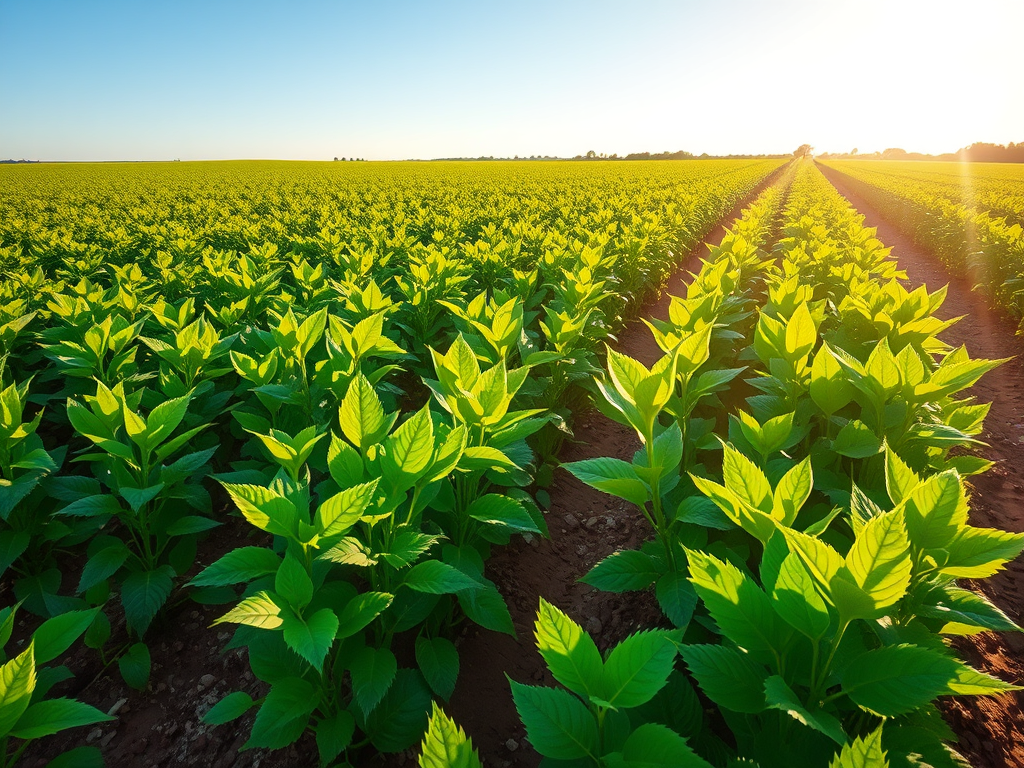
Soybean Crop in India: Detailed Overview
Soybean (Glycine max) or सोयाबीन is one of the most important oilseed crops in India. It is a leguminous plant. It is primarily cultivated for its seeds. These seeds are rich in oil, which is used for cooking and industrial purposes. They are also rich in protein, which is used in animal feed and human nutrition. Soybean is significant for the agricultural economy. It is also crucial for the country’s food security and livestock industry. In recent years, it has gained more prominence due to the growing demand for vegetable oil and animal feed. There is also an increasing consumption of soy-based products.
1. Overview of Soybean Cultivation in India
India is one of the largest producers of soybean (सोयाबीन) in the world, ranking 5th in global production. Soybean is mainly grown in the rainfed regions, primarily during the Kharif season (monsoon season) from June to September. The crop is highly valued for its dual benefits of producing oil and protein, which are essential for both human and animal consumption.
Soybean is also an important crop for crop rotation, as it helps in soil nitrogen fixation, which improves soil fertility for subsequent crops. Farmers have adopted hybrid varieties and improved agronomic practices. This adoption has led to an increase in the area under cultivation. It has also increased the productivity of the crop in India.
2. Major Soybean-Producing States in India
The main soybean-producing states in India are:
- Madhya Pradesh: The largest producer of soybean in India, contributing nearly 50% of the total production. Key soybean-growing districts include Sehore, Vidisha, Sagar, Betul, and Shivpuri.
- Maharashtra: Another major soybean-growing state, with key areas in Nanded, Amravati, Akola, and Yavatmal.
- Rajasthan: Known for soybean cultivation in districts like Nagaur, Churu, and Bikaner.
- Karnataka: Dharwad, Belgaum, and Bagalkot districts are prominent soybean-growing areas.
- Uttar Pradesh: In some districts like Agra and Etah, soybean is grown, though it is not as widespread as in the central states.
- Andhra Pradesh: Guntur, West Godavari, and Prakasam districts contribute to soybean cultivation.
- Gujarat: Soybean is grown in pockets in Saurashtra and Kutch.
3. Climate and Soil Requirements
Climate
- Temperature: Soybean grows best in temperatures between 25°C and 30°C. The plant requires a warm climate for optimal growth, with temperatures not exceeding 35°C during the growing season, as higher temperatures can damage the plant.
- Rainfall: Soybean requires moderate rainfall (between 500 mm and 800 mm) during the growing season. It is sensitive to water stress during the flowering and pod development stages, which can significantly affect yields.
- Frost Sensitivity: Soybean is frost-sensitive and requires frost-free conditions, particularly during flowering and pod-filling.
Soil
- Soil Type: Soybean thrives in well-drained, loamy soils with good organic matter. It is adaptable to a wide range of soils but performs best in sandy-loam and black soils.
- pH Range: The ideal pH for soybean cultivation is between 6.0 and 7.0. Soils with high acidity or alkalinity may hinder growth.
- Drainage: Well-drained soils are crucial, as poor drainage can lead to root rot and diseases.
4. Varieties of Soybean in India
India cultivates a variety of soybean types, including hybrid varieties and varieties suited for different agro-climatic conditions. Some popular varieties include:
- Hybrid Varieties:
- JS 335: A widely grown variety known for its high yield potential and resistance to diseases.
- NRC 37: A high-yielding hybrid suitable for rainfed conditions.
- Narmada 1: Grown mainly in Gujarat and Madhya Pradesh for its disease resistance and early maturity.
- Open-Pollinated Varieties:
- PS 1225: Known for its early maturity and high oil content.
- R 2001: Popular in Maharashtra and Madhya Pradesh for its resistance to lodging and pests.
- Special Varieties:
- Soybean 12: Known for high oil content and resistance to diseases.
5. Cultivation Practices
Season
- Kharif Season: Soybean is predominantly grown during the Kharif season, starting with sowing in June-July and harvesting in September-November.
Land Preparation
- Plowing: The land is usually plowed twice to break clods and improve soil aeration. A fine seedbed is prepared to ensure good seed-to-soil contact.
- Fertilization: Soybean is a legume, so it naturally fixes nitrogen in the soil. However, the application of phosphorus and potassium fertilizers is often recommended to enhance growth and yield.
- Organic matter: Adding compost or green manure can improve soil fertility and moisture retention.
Sowing
- Seed Rate: The typical seed rate for soybean is around 50–60 kg per hectare for hybrid varieties and 60–70 kg per hectare for open-pollinated varieties.
- Spacing:
- Row-to-row spacing: 30–45 cm
- Plant-to-plant spacing: 5–7 cm
- Depth: The seeds are generally sown at a depth of 2-4 cm to ensure proper germination.
Irrigation
- Water Requirements: Soybean is a rainfed crop, but irrigation can be provided during dry spells, particularly during critical stages like flowering and pod formation. Drip irrigation and flood irrigation are common methods used.
- Critical Stages for Irrigation: Irrigation is most needed at the following stages:
- Pre-flowering: To promote vegetative growth.
- Flowering and pod filling: To avoid moisture stress that may reduce yield.
Weed and Pest Management
- Weed Control: Weeds can be managed using pre-emergence herbicides like Pendimethalin and pre-plant herbicides like Glyphosate. Manual weeding is also done in some areas.
- Pests:
- Soybean Pod Borer: A major pest affecting the pods. It can be controlled using insecticides like Endosulfan.
- Aphids: Cause damage to the leaves and reduce photosynthesis. They can be managed using insecticidal sprays.
- Diseases:
- Rust: A fungal disease that affects the leaves and reduces yield. Fungicide sprays like Carbendazim are commonly used.
- Powdery Mildew: Another fungal disease that impacts soybean plants. Fungicide treatments are effective for controlling this disease.
- Root Rot: Caused by soil-borne pathogens. Good drainage and proper seed treatment can reduce incidence.
6. Harvesting and Yield
Harvesting
- Soybean is harvested when the plant leaves turn yellow, and the pods become hard. The beans inside the pods should be firm and dry.
- Manual harvesting is done by cutting the plants at the base, while in some large-scale farms, combine harvesters are used.
Yield
- The average yield of soybean in India is around 1.0 to 1.2 tons per hectare under rainfed conditions.
- With the use of hybrid varieties, improved irrigation, and better management practices, yields can reach 1.5 to 2.0 tons per hectare.
- In irrigated conditions, soybean yields can exceed 2.0 tons per hectare in some areas.
7. Uses of Soybean
Human Consumption
- Soy Products: Soybean is used to make a variety of food products, including:
- Tofu: A popular soy-based food used in vegetarian diets.
- Soy Milk: A dairy alternative made from ground soybeans.
- Soy Sauce: Used in Asian cuisines.
- Soy Flour: Used in baking and food processing.
Animal Feed
- Protein Source: Soybean meal is a key ingredient in animal feed, particularly for poultry, swine, and cattle. It is an excellent source of protein, essential for growth and productivity.
Vegetable Oil
- **Soybean
Oil**: Extracted from the beans, soybean oil is widely used for cooking, baking, and as an industrial lubricant. It is one of the most common oils consumed worldwide.
Biofuel
- Soybean Biodiesel: Soybean oil is used in the production of biodiesel, a renewable alternative to petroleum-based fuels.
8. Economic Importance of Soybean
- Income Source: Soybean cultivation provides a significant income to millions of farmers, especially in the central and western states of India.
- Oilseed Production: Soybean contributes to the domestic oilseed supply, reducing India’s dependence on imported edible oils.
- Livestock Industry: The growing demand for protein-rich animal feed has made soybean a key crop for India’s expanding livestock sector.
- Export Potential: India exports a considerable amount of soybean meal to countries like China, South Korea, and Japan.
9. Challenges in Soybean Cultivation
- Weather Dependence: Soybean is highly dependent on monsoon rains, and irregular rainfall can lead to crop failures or reduced yields.
- Pests and Diseases: Insects like pod borer and diseases like rust and powdery mildew are major threats to soybean production.
- Low Yield: Indian yields are lower compared to global standards, mainly due to poor agronomic practices and outdated varieties.
- Price Volatility: Soybean prices fluctuate greatly, which can affect the income stability of farmers.
10. Future Prospects
- Hybrid Varieties: The development and adoption of high-yielding, disease-resistant hybrid varieties are expected to boost productivity.
- Improved Irrigation: With the expansion of micro-irrigation systems and better water management, soybean yields can be enhanced.
- Domestic Demand: Growing awareness about the health benefits of soy-based products (like tofu, soy milk, etc.) is expected to increase the domestic demand for soybeans.
- Export Opportunities: With increasing global demand for soybean meal and soy-based products, India’s soybean export potential is poised to grow.
Conclusion
Soybean is a high-value crop with significant economic importance for India, both as a source of oil and protein. The crop is crucial for food security, animal feed, and industrial uses like biofuel. While India faces challenges in terms of yield improvement, pest management, and weather-related risks, innovations in hybrid varieties, better cultivation practices, and growing demand for soy-based products present a bright future for soybean cultivation in the country.
 KrishiCenter