
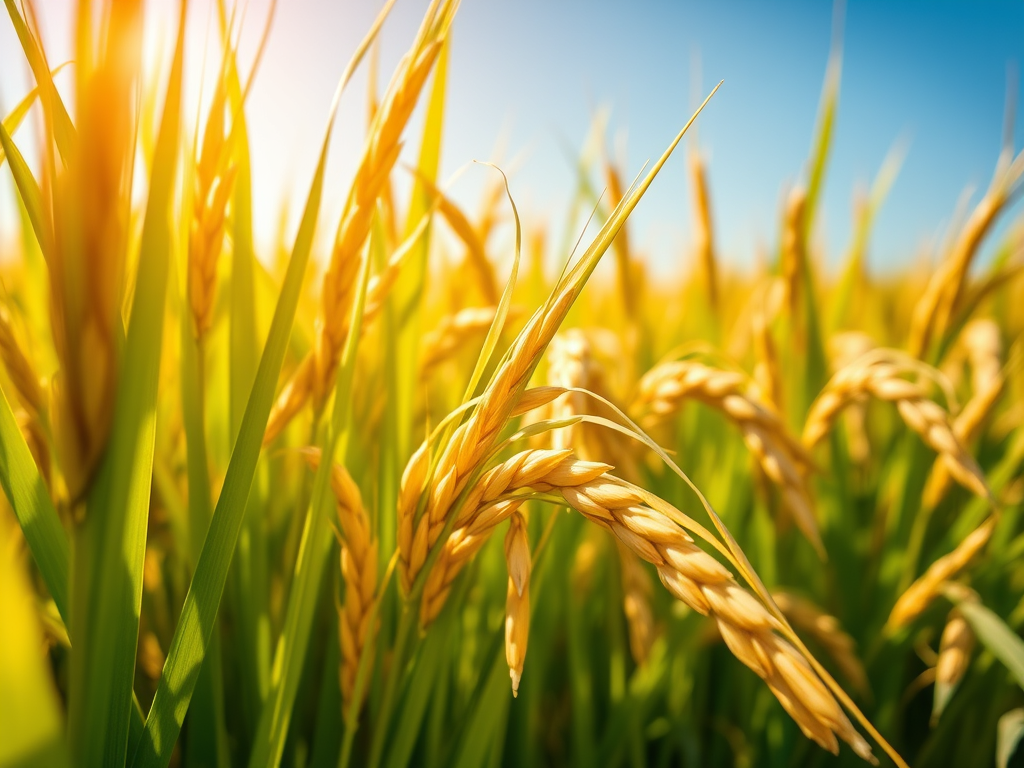
Rice Crop in India: Detailed Overview
Rice or चावल is one of the most important staple foods in India. It holds cultural significance. It also contributes to the agricultural economy. India is the second-largest producer of rice in the world, after China, and it is also the largest consumer. Rice is grown across the country. However, its cultivation is most concentrated in the states of West Bengal, Uttar Pradesh, Punjab, Andhra Pradesh, and Tamil Nadu.
1. Rice Varieties in India
India grows a wide range of rice or चावल varieties, classified based on various factors such as shape, aroma, and the region of cultivation. Some of the major types include:
- Non-Basmati Rice: This is the most commonly grown type of rice in India. It is used for a variety of purposes, from daily meals to being processed into products like puffed rice and rice flour.
- Basmati Rice: Known for its long grain and aromatic properties, basmati is primarily grown in the northern states, especially in Punjab, Haryana, and Uttar Pradesh.
- Hybrid Rice: These are varieties developed to increase yield and are widely cultivated in regions with high rice production potential.
- Scented Rice: Varieties like “Pusa Basmati” are grown for their distinct fragrance, which is a significant feature in Indian cuisine.
2. Major Rice-Producing States in India
- West Bengal: West Bengal is the leading producer of rice in India, contributing over 20% of the country’s rice output. The state is known for cultivating varieties like “Kalaratna” and “Gobindobhog.”
- Uttar Pradesh: It is the second-largest producer of rice, particularly growing non-basmati varieties. Rice farming is mainly concentrated in the eastern parts of the state.
- Punjab: Famous for high-quality basmati rice, Punjab contributes significantly to India’s rice export market. The state’s rice cultivation is predominantly irrigated through canal systems.
- Tamil Nadu: Rice is a staple food in Tamil Nadu, and the state grows a variety of non-basmati rice, especially in the Cauvery Delta region.
- Andhra Pradesh and Telangana: These states are major producers of rice, especially in the Krishna and Godavari river basins. They grow both hybrid and traditional varieties.
- Odisha: Known for the cultivation of varieties like “Lal Basmati,” Odisha has seen an increase in rice production due to technological advancements and the adoption of high-yielding varieties.
3. Climate and Soil Requirements
- Climate: Rice is a tropical plant that requires a warm climate. The ideal temperature for rice cultivation ranges from 25°C to 35°C. Additionally, rice requires a high level of rainfall (about 1,000-1,500 mm annually), which is why it is mostly grown in regions with monsoonal rains.
- Soil: Rice is generally grown in alluvial soils, which are rich in nutrients. The soil should have good water-holding capacity, as rice is a water-intensive crop. It thrives in clayey and loamy soils, with good irrigation facilities.
4. Cultivation Practices
- Season: Rice is a Kharif crop, meaning it is mainly grown during the monsoon season (June to September). The rabi (winter) season is not suitable for rice cultivation, though some varieties of rice are cultivated in the rabi season, especially in regions with irrigation.
- Land Preparation: The land is usually prepared by plowing and leveling to ensure water can be retained. Farmers often create bunds around fields to maintain the standing water required for rice cultivation.
- Sowing: Rice can be grown through two main methods:
- Transplanting: Seedlings are raised in a nursery and then transplanted into puddled fields. This method is common in areas with abundant water resources.
- Direct Seeding: In regions with less water, direct seeding is employed, where seeds are sown directly in the field. This method has gained popularity due to its lower water and labor requirements.
- Irrigation: Rice requires continuous irrigation, and traditional irrigation methods (such as flood irrigation) are still common. However, in areas with water scarcity, water-efficient methods like System of Rice Intensification (SRI) are becoming popular.
5. Challenges in Rice Cultivation
- Water Scarcity: Despite rice being a water-intensive crop, many rice-producing regions in India face water scarcity due to over-extraction of groundwater and poor irrigation practices.
- Climate Change: Increasing temperatures, erratic rainfall, and delayed monsoons have posed a significant challenge to rice cultivation in many regions.
- Pests and Diseases: Rice crops are vulnerable to pests like the rice stem borer, rice weevil, and various diseases such as bacterial blight and rice blast. These affect yields and quality.
- Labor Shortages: In recent years, there has been a shortage of labor, especially in rural areas, which affects both the transplantation and harvesting of rice.
- Soil Degradation: Over-farming and inadequate crop rotation have led to soil degradation in some areas, affecting rice yields.
6. Technological Advancements in Rice Farming
- High-Yielding Varieties (HYVs): These varieties, developed through research, have significantly increased rice productivity.
- System of Rice Intensification (SRI): SRI is an innovative method that optimizes resource use (water, land, and labor) and increases rice yields by planting fewer seedlings with wider spacing, minimizing water usage, and improving soil fertility.
- Precision Agriculture: The use of GPS, drones, and soil sensors has allowed farmers to monitor their fields more accurately, optimizing input use and increasing efficiency.
- Genetic Modification (GM): Research into genetically modified rice varieties that are resistant to pests, diseases, and drought is underway. One notable example is the development of genetically modified Bt rice.
7. Economic Importance of Rice
- Contribution to GDP: Rice contributes significantly to India’s agricultural GDP. It accounts for around 20% of the total food grain production in India.
- Employment: Rice farming employs millions of people in India, from planting to harvesting, processing, and selling. It plays a major role in the rural economy.
- Exports: India is one of the largest exporters of rice, especially basmati rice, to international markets like the Middle East, the United States, and Europe.
8. Rice and Indian Cuisine
Rice is integral to Indian cuisine, featuring in both everyday meals and special occasions. Popular dishes include:
- Biryani: A flavorful rice dish cooked with spices, meat, and sometimes vegetables.
- Pulao: A rice dish cooked with aromatic spices, often served with curry.
- Idli and Dosa: Popular South Indian dishes made from fermented rice and urad dal batter.
- Khichdi: A comfort food made from rice and lentils, often consumed during illness or fasting.
9. Government Initiatives and Schemes
- MSP (Minimum Support Price): The government guarantees MSP for paddy to ensure fair prices for farmers and encourage rice cultivation.
- Pradhan Mantri Krishi Sinchayee Yojana (PMKSY): Aiming to provide irrigation to every farm, this scheme helps increase rice productivity.
- National Food Security Mission (NFSM): This mission aims to enhance rice production in the country through better farming practices, seed improvement, and pest management.
- Rashtriya Krishi Vikas Yojana (RKVY): Supports the overall development of agriculture, including rice cultivation.
10. Future Outlook
The future of rice farming in India faces both opportunities and challenges. With the help of technology, more efficient water use, and improved farming practices, rice production can continue to grow sustainably. However, tackling water scarcity, soil health, and climate change will require coordinated efforts between the government, research institutions, and farmers.
Conclusion
Rice farming in India is deeply rooted in the nation’s culture and economy. While the sector faces numerous challenges, technological innovations and government support have significantly improved productivity. As India moves towards ensuring food security and increasing exports, the future of rice cultivation will depend on sustainable practices and resilience to climate change.
 KrishiCenter