
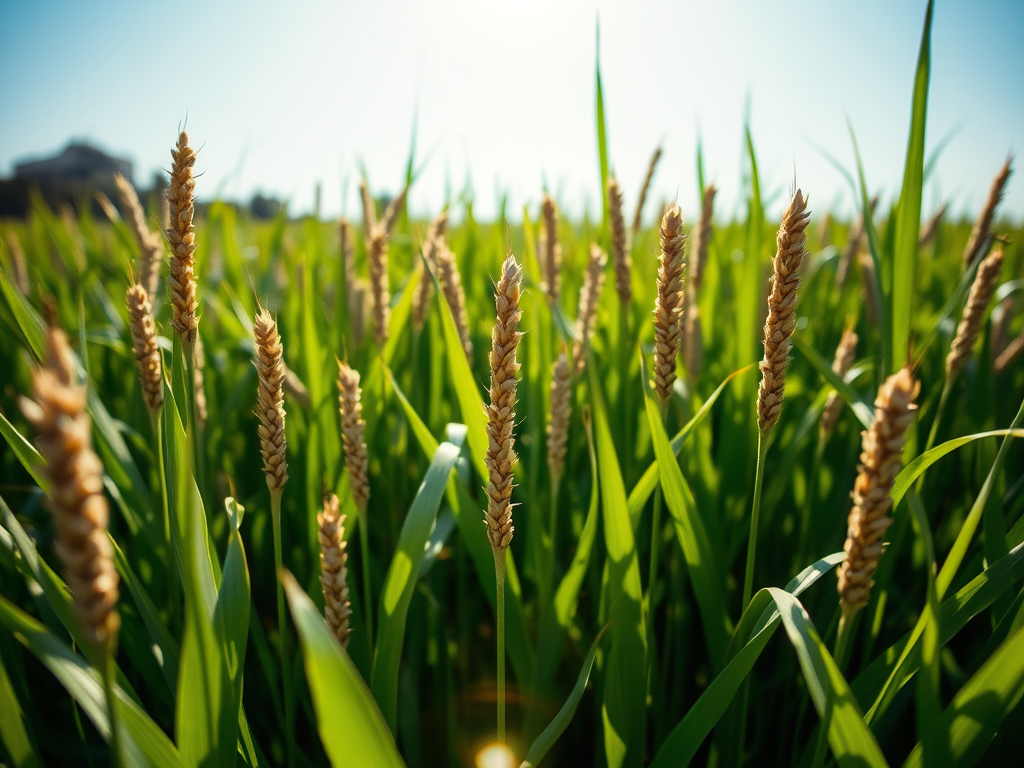
Ragi (रागी), also known as finger millet, is an important cereal crop grown in various parts of India. It holds great significance in terms of both nutritional value and as a staple food in many regions. Here’s a detailed breakdown of Ragi as a crop in India:
1. Scientific Name and Classification:
- Scientific Name: Eleusine coracana
- Family: Poaceae (Grass family)
- Common Names: Ragi, Finger millet, Nachni, Mandua (in different regions of India).
2. Geographical Distribution:
- Ragi is predominantly grown in the arid and semi-arid regions of India.
- It is cultivated in states like Karnataka, Tamil Nadu, Andhra Pradesh, Telangana, Odisha, Bihar, and Maharashtra.
- Karnataka is the leading producer of Ragi, contributing a significant portion of the total production in the country.
3. Climate and Soil Requirements:
- Ragi thrives in warm climates with moderate rainfall.
- It requires well-drained soils, preferably loamy to sandy loam soils.
- The crop is well adapted to drought conditions, making it suitable for rainfed agriculture.
4. Crop Duration and Growth:
- The growth cycle of Ragi is about 3 to 4 months.
- It is typically sown in the Kharif season (June to September) and harvested around October to December.
- Ragi has a short growing period, which makes it ideal for regions with a shorter rainy season.
5. Varieties of Ragi:
- There are numerous local and hybrid varieties of Ragi, including:
- Indaf-9: A high-yielding variety.
- K-1: A popular variety in Karnataka.
- VL-149: Developed for high yield under irrigated conditions.
- GPU-28: Known for its drought tolerance.
6. Nutritional Value:
- Ragi is a highly nutritious grain, rich in calcium, iron, and fiber.
- It is a good source of protein (approximately 7-8%) and amino acids, particularly methionine, which is essential for growth and development.
- The grain is also known for its low glycemic index, making it ideal for people with diabetes.
- Ragi flour is commonly used in porridge, rotis, dosas, and even baked goods.
7. Economic Importance:
- Ragi is an important food crop in many parts of India, especially in rural areas, where it provides a source of income and sustenance for farmers.
- Due to its drought tolerance, it is often grown in regions where other crops may fail due to erratic rainfall patterns.
8. Health Benefits:
- Rich in Calcium: Helps in strengthening bones and teeth, making it especially beneficial for children and the elderly.
- Helps in Managing Diabetes: Due to its low glycemic index, it helps in regulating blood sugar levels.
- Promotes Digestion: The high fiber content in Ragi aids digestion and helps in preventing constipation.
- Gluten-Free: Ragi is gluten-free, making it an ideal choice for those with gluten intolerance or celiac disease.
9. Challenges in Ragi Cultivation:
- Pest and Disease: While Ragi is generally resistant to many pests, birds like sparrows often damage the crop. Ragi is also susceptible to fungal diseases like blast and smut.
- Market Fluctuations: Despite being nutritionally rich, Ragi’s market value has been inconsistent, leading to challenges for farmers. However, it is slowly gaining recognition due to the growing trend of healthy eating.
- Low Mechanization: The crop is mainly cultivated through traditional methods, and the low adoption of machinery in cultivation and processing makes it labor-intensive.
10. Ragi-Based Food Products:
- Ragi flour is widely used in Indian kitchens to prepare various foods, especially in southern and eastern India.
- Ragi Mudde (Ragi ball): A popular dish in Karnataka and parts of Andhra Pradesh, usually served with curry.
- Ragi Roti: A flatbread made from Ragi flour, common in Karnataka and Maharashtra.
- Ragi Porridge: A healthy breakfast, often mixed with milk, jaggery, or fruits.
- Ragi Cookies, Biscuits, and Cakes: A healthy alternative to wheat-based products.
11. Government Initiatives and Promotion:
- Various state governments and organizations are promoting Ragi as a superfood due to its health benefits and climate resilience.
- There have been efforts to increase the production, consumption, and export of Ragi, especially as awareness grows regarding its nutritional benefits.
- Research and development on Ragi cultivation, pest resistance, and high-yielding varieties is ongoing.
12. Sustainability and Future Prospects:
- Ragi’s ability to grow in dryland areas makes it an ideal crop for climate-resilient agriculture, especially in light of the growing concerns over climate change and water scarcity.
- There is a renewed interest in Ragi due to the increasing demand for health foods. Its nutritional benefits make it a viable option for the future of food security in India.
Conclusion:
Ragi plays an essential role in the agricultural landscape of India. Its nutritional value, climate adaptability, and importance in the daily diet make it a staple crop in many parts of the country. With growing recognition of its health benefits, it is likely to see increased cultivation and consumption in the coming years.
 KrishiCenter