
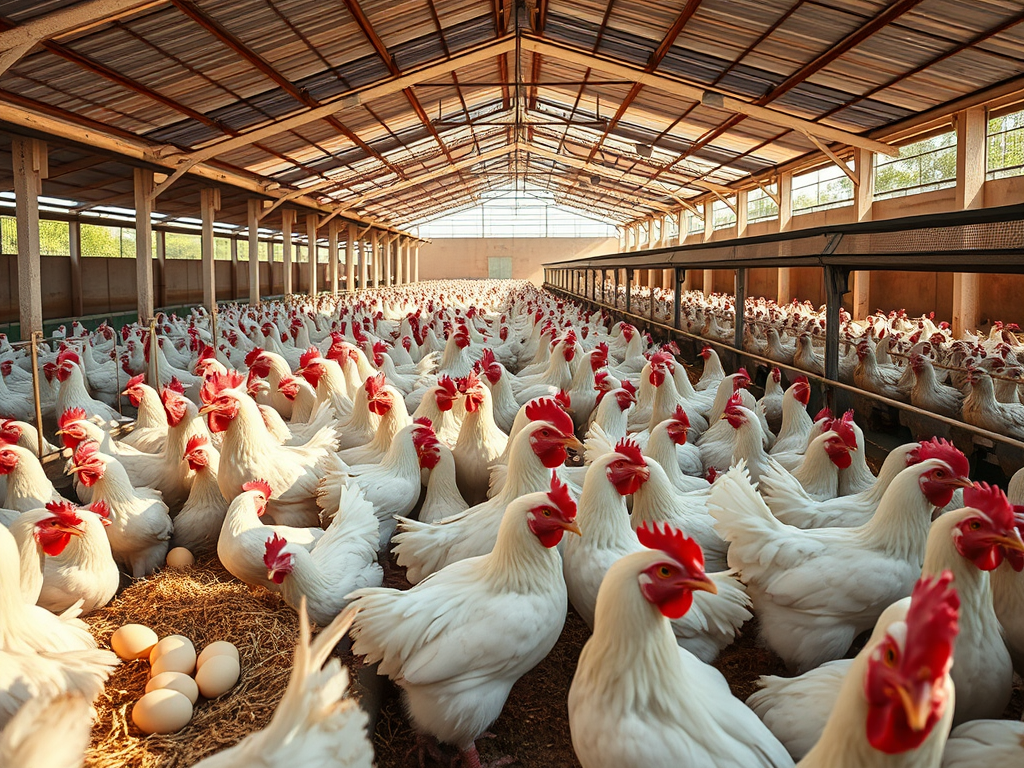
Detailed Guide on Poultry Farming in India
Poultry farming (मुर्गीपालन) in India is an integral part of the agricultural sector, providing a source of high-protein food through eggs and meat (broilers). It’s a rapidly growing industry due to increasing domestic demand for poultry products. Poultry farming can be broadly classified into two categories: egg production (layer farming) and meat production (broiler farming). The growing population, urbanization, and rising income levels have significantly contributed to the expansion of poultry farming in India.
1. Types of Poultry Farming in India
- Broiler Farming: Broilers are raised primarily for meat production. The birds are bred for rapid growth and are typically slaughtered at 6-8 weeks of age when they reach a weight of around 2-2.5 kg.
- Layer Farming: Layers are raised for egg production. They start laying eggs from about 18-20 weeks of age and continue to lay until about 72-80 weeks of age, after which their productivity declines.
2. Poultry Breeds Commonly Used in India
- Broiler Breeds:
- Cornish Cross: The most popular breed for commercial broiler farming due to its rapid growth and excellent meat yield.
- White Plymouth Rock: Known for good growth and meat production.
- Layer Breeds:
- White Leghorn: The most common layer breed for high egg production.
- Rhode Island Red: Known for its high egg-laying capacity and ability to adapt to different environments.
- Hy-Line Brown: A good layer with consistent egg production.
3. Essential Components of Poultry Farming
- Housing (Poultry Shed): Proper housing is crucial to maintaining health and ensuring high productivity in poultry farming. The shed should be well-ventilated, clean, and free from drafts and excessive moisture.
- Space Requirements: Each bird requires a certain amount of space for optimal growth and comfort.
- Broilers: 0.5 to 1 square foot per bird.
- Layers: 1 to 2 square feet per bird.
- Space Requirements: Each bird requires a certain amount of space for optimal growth and comfort.
- Lighting: Proper lighting helps regulate the birds’ feeding and laying patterns. Layer farms typically require 16-18 hours of light per day to ensure high egg production.
- Ventilation: Adequate ventilation is necessary to remove excess heat, humidity, and ammonia from the poultry house.
- Flooring: Flooring can be either concrete, wood, or wire mesh. For broilers, wire mesh flooring allows waste to drop through, while for layers, solid floors are typically used.
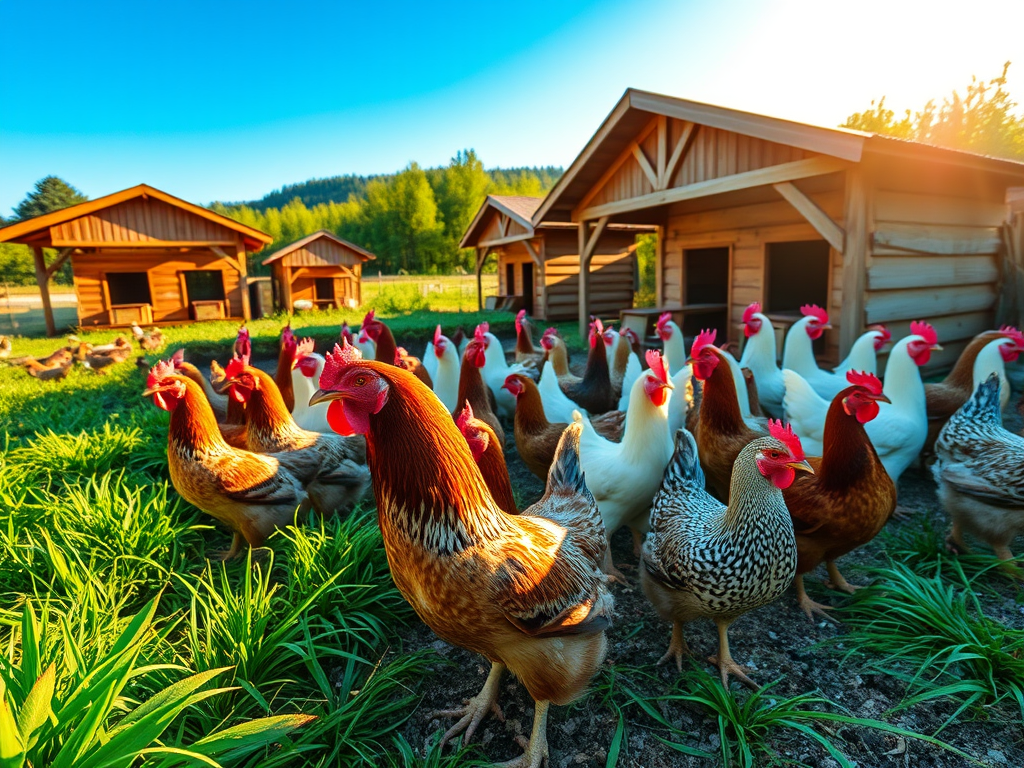
4. Feeding and Nutrition
- Broiler Feed:
- Starter Feed (0-3 weeks): High in protein (20-24%) for rapid growth.
- Grower Feed (3-6 weeks): Lower protein content but higher in energy (17-20% protein).
- Finisher Feed (6-8 weeks): Less protein, higher energy (14-16% protein).
- Layer Feed:
- Starter Feed (0-8 weeks): High protein (18-20%).
- Layer Feed (8-72 weeks): Contains a balanced mix of calcium (for eggshell strength), protein, vitamins, and minerals.
- Watering: Fresh, clean water should always be available to the birds to maintain health and productivity.
- Additional Supplements: Vitamins, minerals, and other supplements (like calcium for layers) can be added to enhance the health and productivity of the birds.
5. Health and Disease Management
- Vaccination: Vaccination plays a critical role in preventing diseases. Some common vaccinations include:
- Newcastle Disease.
- Infectious Bursal Disease (IBD).
- Avian Influenza (Bird Flu).
- Fowl Pox.
- Marek’s Disease.
- Biosecurity: Maintaining a biosecure farm is essential to prevent the entry of diseases. Measures include disinfecting footwear, equipment, and maintaining cleanliness in the poultry house.
- Common Diseases:
- Coccidiosis: A parasitic disease that affects the intestines of poultry.
- Gumboro: Infects the immune system, leading to increased susceptibility to other diseases.
- Fowl Cholera: A bacterial disease that affects the respiratory system.
- Parasites: Lice, mites, and worms are common parasites that affect poultry. Control methods include regular deworming and the use of anti-parasitic treatments.
6. Poultry Farm Management
- Record Keeping: Maintaining accurate records of birds’ growth, egg production, feed consumption, health history, and medication is essential for good management and profitability.
- Waste Management: Proper disposal of manure and dead birds is crucial to maintain hygiene. Manure can also be used as organic fertilizer.
- Grading: Eggs should be graded based on size, weight, and cleanliness for better market value. Standard grading categories include large, medium, and small eggs.
7. Equipment Needed for Poultry Farming
- Feeding Equipment: Automated feeders or manual feeders, depending on the scale of the operation.
- Watering Systems: Drinkers (either bell-type, nipple-type, or troughs) for consistent water supply.
- Incubators: For hatching eggs if you are involved in breeding. Incubators maintain the optimal temperature and humidity levels for egg hatching.
- Egg Handling Equipment: For collecting, grading, and packing eggs for sale.
8. Cost of Starting a Poultry Farm in India
- The initial investment required for setting up a poultry farm in India depends on the size of the operation and the type of poultry farming you plan to undertake (broiler vs. layer).
- Land: Depending on location, land acquisition can be a major cost factor. It’s important to choose a location with easy access to transportation, feed supply, and market.
- Infrastructure: Building poultry sheds, purchasing equipment (feeders, drinkers, incubators), and setting up the necessary facilities.
- Feed: Feed constitutes a large percentage of the operating cost in poultry farming, with broilers requiring more feed during the rapid growth phase.
- Labor: Costs of hiring workers to manage the farm, feed the birds, monitor their health, etc.
- Veterinary Services: Ensuring health through vaccinations, medications, and disease control.
Estimated Costs:
- A small-scale operation with about 1,000 birds could cost around ₹2-3 lakh to set up (including infrastructure, chicks, and feed).
- Larger commercial farms with 10,000 to 50,000 birds could require ₹15-25 lakh for setup.
9. Profitability and Return on Investment
- Broiler Farming: The typical broiler farm aims to achieve a high turnover of birds, selling them at around 6-8 weeks of age. The profit margin is relatively quick, with a return on investment possible within 3-6 months.
- Layer Farming: For egg production, profitability depends on the number of layers, egg production per bird, and market prices. Layers have a longer payback period but generate steady income once production stabilizes.
Key Factors Affecting Profit:
- Market Prices: Fluctuations in the prices of eggs and broiler meat.
- Feed Costs: The price of maize, soybean (key ingredients of poultry feed), and other raw materials.
- Disease Management: Expenses related to vaccines, medications, and preventing diseases.
- Labor and Maintenance: Ongoing operational costs for the management of the farm.
10. Government Support and Schemes
- The Indian government offers various subsidies and loans for setting up poultry farms, particularly under schemes such as:
- National Livestock Mission (NLM).
- Rashtriya Krishi Vikas Yojana (RKVY).
- Poultry Venture Capital Fund.
- Veterinary Services: The government also supports poultry disease control and vaccination programs.
- Training and Workshops: Many state agricultural departments provide training and educational resources for poultry farmers to enhance productivity and income.
11. Challenges in Poultry Farming in India
- Disease Outbreaks: Avian influenza (bird flu) and other poultry diseases can affect poultry farms and result in significant losses.
- Feed Cost Volatility: The prices of key feed ingredients like corn and soybean fluctuate, affecting farm profitability.
- Climate Change: Extreme heat or cold can stress poultry, affecting growth and egg production.
- Market Prices: Price fluctuations in poultry products (eggs and meat) often make it challenging to predict profitability.
Conclusion:
Poultry farming in India has immense potential for growth due to the increasing demand for protein-rich food. With proper planning,
 KrishiCenter