
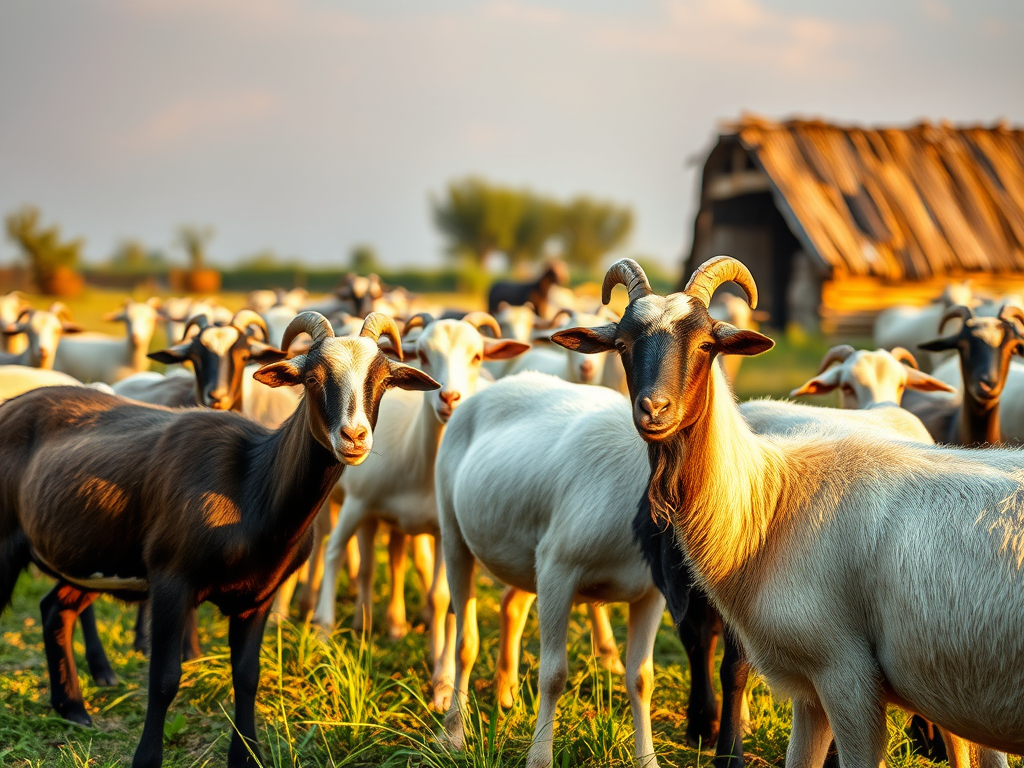
Detailed Guide on Goat and Sheep Farming in India
Goat and sheep farming (बकरी पालन) in India is an integral part of the rural economy and livestock sector, contributing significantly to the income of farmers, especially in semi-arid, arid, and hilly regions. These animals are hardy, adaptable to diverse climates, and require relatively low investment compared to other livestock. With rising demand for meat, milk, wool, and other products, goat and sheep farming has gained popularity, especially in small to medium-scale operations.
This guide provides detailed insights into goat and sheep farming in India, including breeds, farming practices, infrastructure, feeding, breeding, health management, and profitability.
1. Overview of Goat and Sheep Farming in India
India is home to a large population of goats and sheep, and their farming plays a significant role in the livelihood of millions.
- Goat Farming: Goats are raised primarily for meat (chevon), milk, and fiber (mohair, cashmere). Goat farming requires relatively less land, and goats are ideal for smallholders.
- Sheep Farming: Sheep are mainly raised for wool, meat (mutton), and milk. India is the world’s fourth-largest producer of wool, and sheep farming is particularly important in regions like Rajasthan, Gujarat, Jammu & Kashmir, and Tamil Nadu.
Significance of Goat and Sheep Farming:
- Economic Role: Provides a substantial income to small-scale farmers, especially in rural and semi-urban areas.
- Dietary Contributions: Meat and milk from goats and sheep are major sources of protein in many Indian diets, particularly in regions where cattle farming is not as prevalent.
- Cultural Importance: Both goats and sheep have cultural and religious significance in many communities across India.
- Low Investment: These animals are relatively inexpensive to maintain and require less capital than larger livestock like cattle.
2. Key Breeds of Goats and Sheep in India
Goat Breeds:
- Jamunapari:
- One of the best milk-producing breeds in India, found mainly in Uttar Pradesh and Rajasthan.
- Known for high yield of milk (up to 2-4 liters/day).
- Beetal:
- Native to Punjab and Haryana.
- Excellent for both meat and milk production, with a medium size and fast growth rate.
- Sirohi:
- Found in Rajasthan, Sirohi goats are hardy and well-adapted to hot climates.
- Known for their good milk production (up to 1.5-2 liters/day) and meat quality.
- Barbari:
- A small-sized goat, suitable for both meat and milk.
- Found mainly in Uttar Pradesh, Gujarat, and Rajasthan.
- Kachhi:
- Predominantly raised for meat production, especially in Gujarat.
- These goats are hardy and can thrive in harsh climatic conditions.
- Black Bengal:
- Known for their high-quality meat and small size, found in West Bengal and parts of Assam.
- These goats are also in demand for religious sacrifices.
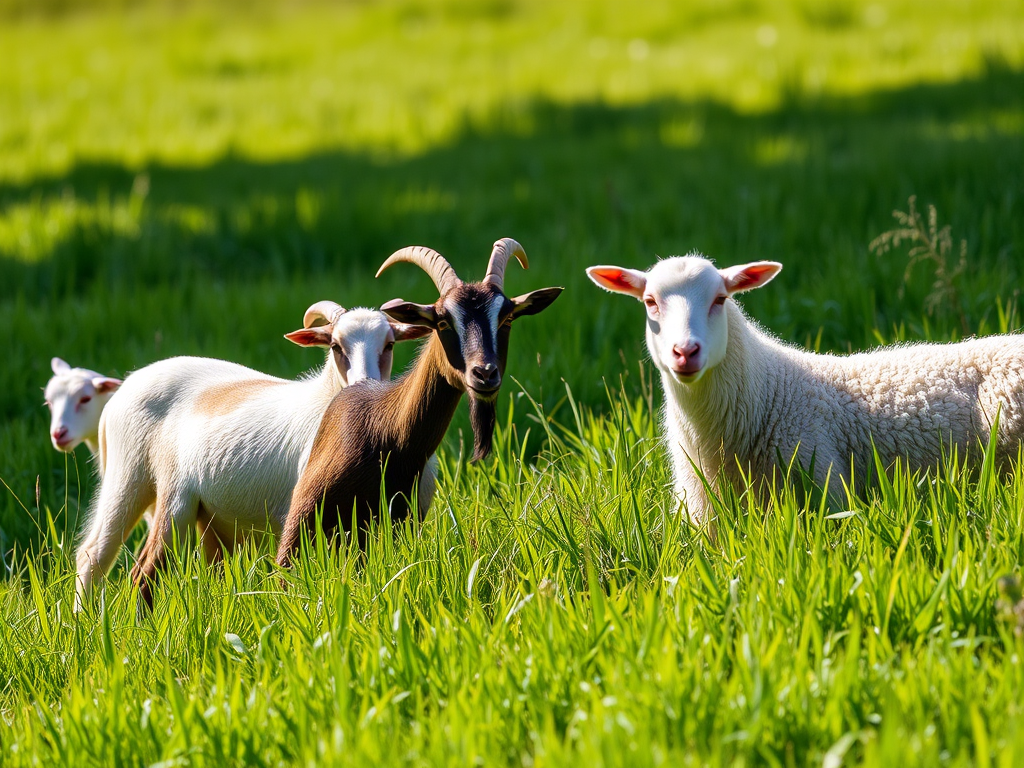
Sheep Breeds:
- Bikaneri:
- A high-quality wool-producing breed from Rajasthan.
- Known for their hardiness and resistance to disease.
- Deccani:
- Native to the Deccan plateau (Telangana, Andhra Pradesh).
- Raised primarily for meat production and known for their adaptability.
- Nellore:
- A dual-purpose breed (meat and wool), found mainly in Andhra Pradesh and Tamil Nadu.
- Adapted to both hot and humid climates.
- Malpura:
- Found in Rajasthan, Malpura sheep are known for their excellent meat and wool quality.
- These sheep are also resistant to diseases.
- Kashmir Merino:
- Known for fine wool production, primarily in the Kashmir region.
- These sheep have a good meat yield and are highly prized for their wool.
- Jammu and Kashmir Sheep:
- Raised for both wool and meat, these sheep are particularly hardy and adapt well to cold climates.
3. Farm Setup and Infrastructure
Land and Space:
- Land Requirement: The space requirement depends on the number of animals. Typically, 1 acre of land can house 50-60 goats/sheep.
- Grazing Area: Goats and sheep need access to grazing land for grass, shrubs, and herbs. The quality of pastureland will directly impact the productivity of the animals.
- Shelter:
- Goats and sheep need proper shelter to protect them from extreme weather conditions, such as rain, cold, or heat.
- A simple shed with adequate space (about 1.5-2 square meters per animal) and ventilation will suffice.
- For sheep, shearing pens are essential for managing wool harvesting.
Fencing and Security:
- Fencing is necessary to keep the animals secure from predators (wild animals, dogs) and prevent them from straying.
- Gates and entrances should be secure but easy to open for handling and movement.
4. Feeding and Nutrition
Proper feeding is essential for the growth, health, and productivity of goats and sheep. The diet includes a mixture of roughage, concentrates, and minerals.
For Goats:
- Green Fodder: Goats can feed on grasses, legumes, bushes, and shrubs. Some preferred options include lucerne, berseem, and clover.
- Concentrates: Grains such as maize, wheat, and barley are essential for providing energy. Protein supplements like soybean cake and groundnut cake help in growth and milk production.
- Water: Goats drink a lot of water, especially during lactation. Fresh and clean water should always be available.
- Minerals: Goats need access to mineral supplements like salt and lime for bone and body health.
For Sheep:
- Grass and Legumes: Sheep feed on a variety of grasses and legumes. Alfalfa, clover, and sorghum are commonly used.
- Grain and Pellets: Sheep require concentrated energy sources like corn and wheat for optimal growth, especially in the winter months.
- Silage: In the lean season, silage made from maize, sorghum, and other crops can help provide adequate feed.
- Mineral Supplements: Sheep need essential minerals like salt, phosphorus, and calcium for healthy growth, wool production, and overall vitality.
5. Breeding and Reproduction
Breeding Practices:
- Natural Mating: Goats and sheep can be bred naturally by keeping a healthy, fertile buck (for goats) or ram (for sheep) in the flock. A breeding ratio of 1:20 (1 male for 20 females) is ideal.
- Artificial Insemination (AI): AI is becoming popular, especially for improving genetic potential in larger commercial operations.
- Gestation Period:
- For goats: 150 days (5 months).
- For sheep: 147 days (5 months).
- Lambing/Kindling: Typically, goats and sheep give birth to twins or triplets, though single births are also common.
Selection of Breeding Stock:
- Healthy Animals: Select animals that are free of disease, have good conformation, and exhibit high production potential.
- Age for Breeding: Female goats and sheep usually start breeding at 6-12 months, but it is best to wait until 1.5 to 2 years for optimal health and productivity.
6. Health and Disease Management
Common Diseases in Goats and Sheep:
- Pneumonia: Respiratory infections due to exposure to damp, cold conditions.
- Foot and Mouth Disease (FMD): Highly contagious, causing severe losses.
- Coccidiosis: A parasitic disease that affects young goats and sheep.
- Parasites: External parasites (like ticks) and internal parasites (like worms) can severely affect the health and productivity of livestock.
Health Management:
- Vaccination: Regular vaccination against PPR (Peste des Petits Ruminants), FMD, Brucellosis, and Enterotoxemia.
- Deworming: Regular deworming, especially for young stock.
- Mineral Supplementation: Providing adequate minerals to avoid deficiency-related diseases like hypocalcemia (calcium deficiency).
- Veterinary Care: Routine health checks and consultation with a veterinary doctor for the timely treatment of diseases.
7. Profitability and Marketing (Continued)
Goat and sheep farming can be profitable, but success depends on factors like market access, animal productivity, and management practices.
Income Sources:
- Meat (Mutton and Chevon):
- Mutton (sheep meat) is widely consumed in India, particularly in non-vegetarian diets. It is a significant source of income for sheep farmers, especially in regions like Rajasthan, Uttar Pradesh, and Tamil Nadu.
- Chevon (goat meat) is another high-demand product, especially in urban and rural markets. Goat meat is leaner and considered more tender than other meats, making it a preferred choice for many consumers.
- Farmers can sell their livestock to local butcher shops, mutton markets, or direct consumers for higher profitability.
- With a growing demand for organic meat, goat farming has seen an uptick, as goats are often raised in free-range systems and require minimal feed supplements.
- Milk:
- Goat milk is gaining popularity due to its digestibility and health benefits. It’s consumed as fresh milk or used for making products like cheese, yogurt, and ghee. Goat’s milk is considered a delicacy in many parts of India and is in demand both in local markets and niche urban markets.
- Sheep milk is another valuable commodity, especially for making products like cheese (such as feta and pecorino). However, sheep milk farming in India is less widespread than goat milk production, though it holds potential in certain regions.
- Wool:
- Wool production is primarily from sheep, and India is one of the largest wool producers globally. Sheep breeds like Bikaneri, Malpura, and Jammu & Kashmir sheep are well known for high-quality wool production.
- Wool can be sold to textile mills or converted into hand-spun yarn and woven fabrics, which have market demand, especially in the handloom sector.
- The export market for wool, particularly fine wool like Merino, can be an additional revenue stream for farmers engaged in larger-scale sheep farming.
- By-products:
- Skin: The skin of goats and sheep can be sold for leather production, which is widely used in the fashion and automobile industries.
- Manure: The manure from goats and sheep is an excellent organic fertilizer that can be sold or used on the farm. It can also be processed into compost or biogas.
- Hair/Fiber: Certain breeds of goats, like the Angora and Cashmere goats, produce valuable fibers used in making high-quality fabrics and textiles. The fleece can be sold to manufacturers of wool and cashmere products.
Profitability Calculation:
- Initial Investment: Goat and sheep farming typically requires low to moderate investment. The main costs include purchasing livestock, building infrastructure (sheds, fences), and buying initial feed and equipment.
- Operational Costs: These include daily feed, water, labor, veterinary care, and transport costs. The operational cost per animal can range from ₹10,000-₹15,000 annually, depending on the scale and system of farming.
- Revenue Generation: Income can vary based on the farming system and market conditions:
- A goat or sheep typically provides income from meat, milk, and wool in a year.
- A good quality goat can produce up to 2-3 liters of milk daily, and each can be sold for ₹10,000-₹25,000 based on breed, age, and productivity.
- Sheep can fetch between ₹8,000-₹15,000, depending on breed and size.
- Profit Margin: The return on investment (ROI) in goat and sheep farming is generally high, often in the range of 20-30% annually, assuming effective management and good market access.
8. Challenges in Goat and Sheep Farming
While goat and sheep farming offers significant potential, there are several challenges that farmers must address to ensure success.
1. Disease Management:
- Goats and sheep are susceptible to diseases like Foot and Mouth Disease (FMD), PPR (Peste des Petits Ruminants), parasites (worms, ticks), and respiratory infections. Without proper vaccination, deworming, and overall health management, disease outbreaks can cause significant financial losses.
- Prevention: Timely vaccinations, routine health checks, proper hygiene, and maintaining a dry, clean shelter can help reduce the risk of disease.
2. Feed Availability:
- Goats and sheep are primarily grazers, and access to quality grazing land is crucial. In some regions, pastureland may be limited or of poor quality, requiring farmers to invest in feed supplementation (such as grains, hay, and silage).
- Feed Shortages: During droughts or dry seasons, feed shortages can reduce productivity. Farmers can mitigate this by cultivating fodder crops like berseem, lucerne, and sorghum.
3. Marketing Challenges:
- Farmers often face difficulties in marketing their products, especially in remote areas where there is limited access to markets. Middlemen often control prices, leaving farmers with minimal profit margins.
- To overcome this, farmers can explore direct-to-consumer sales, cooperatives, or farmers’ markets. Additionally, exploring export markets for products like wool and fiber can offer higher returns.
4. Predators and Theft:
- Goats and sheep are prone to attacks by wild animals (like wolves, dogs, and jackals) or domestic predators, leading to losses in livestock.
- Proper fencing, shelters, and security measures, like guard dogs, can mitigate these risks.
5. Climate Variability:
- Extreme temperatures, either too hot or cold, can negatively affect the health and productivity of goats and sheep. For example, goats are highly sensitive to heat stress, especially during summers.
- Providing adequate shelter, cooling systems, and shade for goats, especially in hot regions, is essential to maintaining their health and productivity.
9. Best Practices for Success in Goat and Sheep Farming
1. Proper Animal Care:
- Health Monitoring: Regularly monitor the health of your flock to identify signs of illness or malnutrition early.
- Hygiene: Clean shelters and maintain a dry environment to prevent the spread of infections.
- Nutritional Management: Offer balanced feed to ensure healthy growth, milk production, and reproduction.
2. Breeding and Genetics:
- Select high-quality breeding stock with superior genetic traits such as high milk yield, fast growth rates, and resilience to diseases.
- Use artificial insemination (AI) or genetic improvement programs to improve the overall quality of the herd.
3. Fodder Management:
- Grow your own fodder or purchase quality hay and silage to reduce dependency on external suppliers. Grow drought-resistant crops that provide nutrients during lean periods.
- Ensure that animals always have access to clean drinking water.
4. Financial Management:
- Keep track of all expenses (feed, labor, health care) and income (sale of milk, meat, wool) to evaluate the farm’s profitability.
- Set aside a contingency fund for emergencies like disease outbreaks or unexpected losses.
5. Market Access:
- Build strong relationships with local butchers, meat processors, dairy processors, and wool manufacturers.
- Explore value-added products like cheese, yogurt, and feta to increase your farm’s income.
6. Government Schemes and Support:
- Take advantage of government schemes such as the National Livestock Mission, Dairy Entrepreneurship Development Scheme (DEDS), and subsidies for building sheds, purchasing equipment, and improving livestock quality.
10. Conclusion
Goat and sheep farming in India presents a promising opportunity for rural development and improving the livelihoods of farmers. With the right practices in breeding, feeding, health management, and marketing, farmers can achieve good profitability. While challenges like disease control, feed management, and market access exist, careful planning, investment in infrastructure, and adoption of modern farming techniques can significantly increase the chances of success.
By focusing on high-quality breeds, proper nutrition, health care, and sustainable farming practices, goat and sheep farmers can thrive in a competitive market, contributing to India’s growing demand for meat, milk, and wool products.
 KrishiCenter