
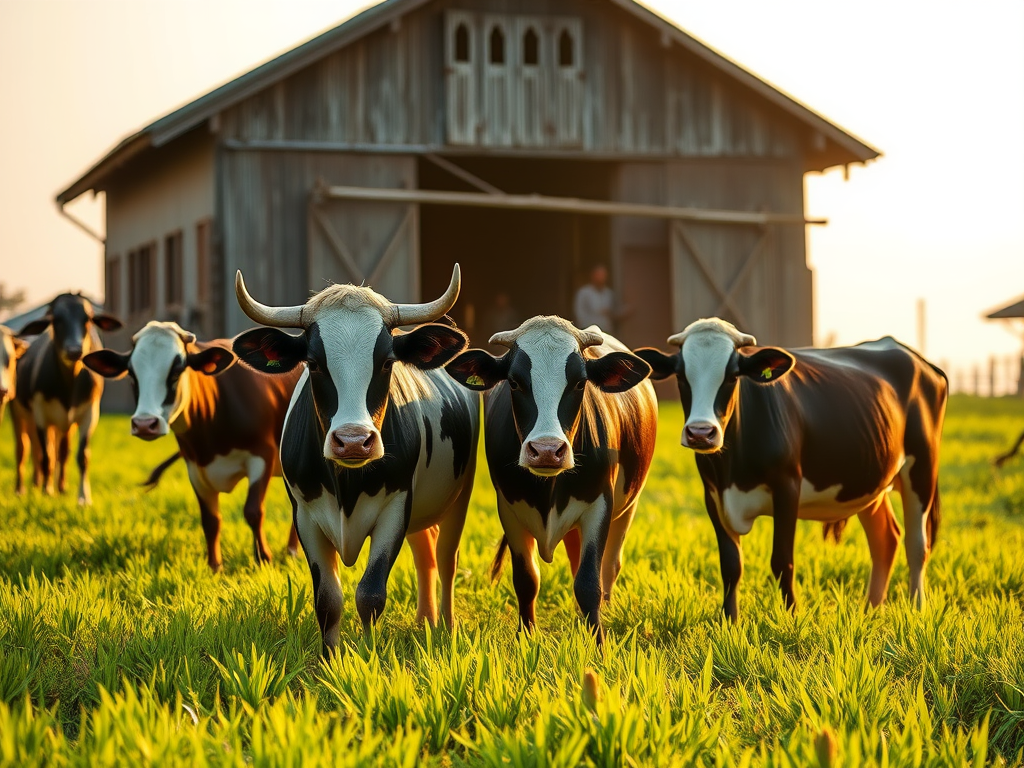
Detailed Guide on Dairy Farming in India
Dairy farming in India is a vital part of the agricultural and rural economy. India is the largest producer and consumer of milk in the world. Dairy farming contributes significantly to rural livelihoods, nutrition, and employment. The sector is diverse, with varying scales of operation ranging from small family farms to large, industrial dairy operations. Below is a detailed guide on dairy farming in India, covering all the essential aspects, including breeds, management practices, feeding, health care, and profitability.
1. Overview of Dairy Farming in India
- India’s Role in Dairy Production: India produces over 180 million metric tons of milk annually, accounting for nearly 23% of the world’s total milk production.
- Dairy Farming as a Livelihood: Around 70 million households are involved in dairy farming in India, primarily as small-scale, family-owned businesses.
- Types of Dairy Farms: Dairy farms in India are primarily classified into:
- Traditional small-scale farms: Small farms with 2-10 cows.
- Medium-scale farms: Farms with 10-50 cows.
- Large-scale commercial farms: Farms with more than 50 cows, often utilizing mechanization and advanced technologies.
2. Key Aspects of Dairy Farming
- Breeds of Dairy Cattle: There are several breeds of dairy cattle suited to different climatic and management conditions in India. The two main types are indigenous and exotic breeds.
Indigenous Breeds:
- Gir: Known for their high milk yield and adaptability to heat, predominantly found in Gujarat and Maharashtra.
- Sahiwal: A hardy breed with good milk production, mainly found in Punjab and Haryana.
- Red Sindhi: Known for early maturity and good milk yield, found in Rajasthan and Sindh.
- Tharparkar: A dual-purpose breed (milk and draught), found in Rajasthan.
Exotic Breeds:
- Holstein Friesian: Known for high milk production, commonly found in larger, mechanized dairy farms.
- Jersey: Smaller-sized but high-yielding breed, popular in temperate and sub-tropical climates.
- Ayrshire: Known for consistent milk production and high butterfat content.
Crossbred Cattle:
- Karan Swiss, Karan Fries, and Jersey crossbreeds: These are hybrids of indigenous and exotic breeds, offering a balance of high milk yield and adaptability to Indian conditions.
3. Farm Setup and Infrastructure
- Land Requirements: Depending on the number of animals, the farm should have adequate land for feeding, milking, manure management, and storage. Typically, 1 acre of land can accommodate 5-10 cows.
- Housing:
- Cattle Sheds: The shed should be clean, well-ventilated, and spacious. It should protect the cows from extreme weather conditions (cold, heat, rain).
- Flooring: Concrete or slatted flooring with adequate drainage is ideal.
- Space Requirements: Each cow requires a space of 3-4 square meters for comfort and easy movement.
- Milking Parlors: Large commercial dairy farms use milking parlors (automatic or semi-automatic) for efficient milking.
- Feed Storage: Proper storage of fodder (green or dry), concentrates, and minerals is essential to prevent spoilage.
4. Feeding and Nutrition
Proper feeding is crucial for the health and productivity of dairy cattle. There are two major components in dairy cattle feeding:
Roughage (Fiber):
- Green Fodder: This includes alfalfa, berseem, lucerne, and green maize.
- Dry Fodder: Straw (wheat, rice), hay, and silage.
Concentrates (Energy and Protein):
- Grains: Maize, wheat, barley, and oats.
- Protein Sources: Soybean meal, groundnut cake, and canola meal.
- Mineral Mixtures: Calcium, phosphorus, and salt to support bone health and milk production.
Key Feeding Principles:
- Total Mixed Ration (TMR): A balanced diet prepared by mixing roughage and concentrates. TMR ensures cows get all the essential nutrients in the right proportions.
- Water: Clean, fresh water must be available at all times. Dairy cows drink about 60-80 liters of water per day, depending on their size, milk yield, and environmental conditions.
5. Milking Practices
- Manual Milking: Common on smaller farms, where workers manually milk the cows twice a day.
- Machine Milking: Larger farms use milking machines, which save labor and increase milking efficiency.
- Milking Hygiene:
- Clean udders and teats before milking to prevent contamination.
- Use sanitized equipment and milk storage containers.
- Milk Cooling: After milking, milk should be cooled immediately to prevent spoilage. Bulk milk coolers are used in larger farms.
6. Health and Disease Management
Proper health management is essential to ensure cows are productive and disease-free. Common practices include:
- Vaccination:
- Vaccinate against diseases such as Foot and Mouth Disease, Brucellosis, Tuberculosis, Hematopoietic diseases, and Black Quarter.
- Routine Deworming: Deworming cows every 3-6 months is essential to control internal parasites.
- Diseases:
- Mastitis: An infection of the udder. It’s essential to monitor milk quality, clean the udder regularly, and follow proper milking practices.
- Bloat: Accumulation of gas in the rumen, often caused by improper feeding or rapid fermentation of certain feeds.
- Foot Rot: Common in wet or damp conditions, leading to lameness.
- Record Keeping: Maintain a health record for each animal, tracking vaccinations, deworming schedules, and treatments.
7. Manure Management
- Manure Handling: Manure can be used as organic fertilizer or composted to reduce its environmental impact. It can also be biogas for energy production.
- Efficient Disposal: Manure should be stored in well-drained areas to prevent water contamination.
8. Breeding and Reproduction
- Natural Breeding: Bulls are kept for breeding, or artificial insemination (AI) is used to ensure high-quality offspring from superior breeds.
- Heat Detection: The optimal time for insemination is when the cow is in heat (estrus), which occurs approximately every 21 days.
- Calving Intervals: Aim for 12-14 months between calvings to maintain high milk production.
9. Milk Marketing and Profitability
- Market Channels: Milk is typically sold to dairies, milk cooperatives, or directly to consumers in rural and urban markets. In urban areas, packaged milk and milk products (like butter, cheese, and yogurt) are in high demand.
- Profitability:
- The income from dairy farming primarily comes from milk sales.
- Profits depend on factors like milk yield, feed costs, health management, and market prices.
Cost Analysis:
- Initial Setup Costs: Infrastructure, cattle, and equipment.
- Operational Costs: Feeding, labor, veterinary care, electricity, and water.
- Revenue: Sales of milk, calves, and by-products like manure and compost.
- Profit Margins: Profit margins vary depending on the scale of the operation, feed costs, and milk yield per cow.
10. Government Schemes and Subsidies
- National Dairy Development Board (NDDB): Offers various schemes to promote dairy farming, including the National Dairy Plan.
- Dairy Entrepreneurship Development Scheme (DEDS): Provides financial assistance for setting up dairy farms, including infrastructure and purchase of cattle.
- Subsidies for Bulk Milk Coolers: Financial aid for setting up cooling equipment to store milk and improve quality.
- Livestock Insurance: Various insurance schemes are available for the health and mortality of livestock.
11. Challenges in Dairy Farming
- Feed and Fodder Shortage: The availability of quality feed and fodder is often a concern in many regions, especially during dry seasons.
- Disease Management: Outbreaks of diseases like Foot and Mouth Disease (FMD) can cause heavy losses.
- High Input Costs: Rising feed, labor, and healthcare costs can squeeze profit margins.
- Unpredictable Market Prices: Milk prices fluctuate, affecting farm profitability.
12. Sustainability and Future of Dairy Farming
The future of dairy farming in India will depend on the adoption of sustainable and efficient farming practices. With the increasing demand for milk and dairy products, coupled with environmental concerns and resource limitations, dairy farmers must adopt strategies to optimize productivity while reducing negative environmental impacts.
Sustainable Dairy Farming Practices:
- Water Management:
- Dairy farming requires a significant amount of water for livestock and dairy operations. Efficient water management techniques like rainwater harvesting, drip irrigation for fodder cultivation, and water recycling systems are essential for sustainable farming.
- Improved Feed Management:
- Precision feeding involves providing tailored nutrition to cows based on their age, weight, and stage of lactation. This reduces wastage, optimizes feed use, and minimizes the environmental impact of overfeeding.
- Local Feed Production: By growing more drought-resistant and nutrient-dense fodder locally, farmers can reduce reliance on imported grains and reduce feed costs. Silage production can help store fodder for lean seasons.
- Manure Management:
- Composting and Organic Fertilization: Instead of letting manure go to waste, it can be composted and used as natural fertilizer for crops. This reduces reliance on chemical fertilizers, improving soil health and sustainability.
- Biogas Production: Manure can also be used to produce biogas for cooking or generating electricity, adding a renewable energy aspect to the farm’s operations.
- Zero-Waste Systems: The manure can be part of a circular economy on the farm, where all by-products are efficiently utilized to reduce waste and environmental impact.
- Climate-Smart Practices:
- Climate Adaptation: India’s dairy farming is vulnerable to climate change, especially with increasing temperatures. Adoption of climate-smart agricultural practices, such as improved cooling systems for cattle (like fans, misting systems, and shades), helps mitigate heat stress.
- Diversification: Farmers can diversify their farming operations by integrating dairy with other livestock or crops, making them more resilient to climate variability.
- Energy Efficiency:
- Use of solar panels for powering farm operations like water pumps, cooling systems, and feed mixers can significantly reduce energy costs and the farm’s carbon footprint.
- Biogas plants can also help convert waste into energy, further promoting sustainability.
- Genetic Improvement:
- Selective Breeding: With the use of artificial insemination (AI) and genetic improvement programs, farmers can breed cows with higher milk yield, better disease resistance, and superior adaptability to local conditions. This reduces the need for large-scale dairy operations while improving productivity.
- Crossbreeding: Crossbreeding indigenous cows with high-yielding foreign breeds can help achieve a balance between milk production and the resilience of native breeds.
- Digital Technologies and Precision Dairy Farming:
- IoT and Sensors: Devices and sensors that monitor cows’ health, feeding habits, and milk production in real time are becoming increasingly popular. This helps detect early signs of illness, optimize feed consumption, and track productivity.
- Dairy Management Software: Farm management tools can assist in keeping accurate records of milk production, breeding schedules, and health management. This leads to better decision-making and improved operational efficiency.
- Mobile Apps: Mobile applications can provide farmers with easy access to market prices, weather forecasts, veterinary care, and best practices for dairy farming.
- Waste-to-Value Systems:
- Milk Processing: As milk production increases, there is growing demand for value-added dairy products like cheese, butter, yogurt, and ice cream. Farmers can diversify income by setting up small-scale dairy processing units or by selling raw milk to cooperatives and processing plants.
- Packaging and Distribution: Efficient cold-chain systems and the right packaging technologies ensure that milk and dairy products reach urban and rural markets in optimal condition. On-farm milk processing can help reduce dependency on middlemen and increase profit margins.
13. Financial Aspects of Dairy Farming
Cost Structure:
- Initial Investment: Establishing a dairy farm involves costs related to purchasing livestock, setting up infrastructure (like barns, feed storage, and milking parlors), and acquiring equipment (milk cans, coolers, and machinery for feed mixing).
- Operational Costs: Ongoing expenses include feed, veterinary care, labor, utilities, maintenance, and transportation.
- Revenue: Revenue primarily comes from selling milk and milk products, but additional revenue can be generated by selling manure (as fertilizer or for biogas), by-products (like calves), and value-added products (cheese, ghee, yogurt).
Profitability:
- Breakeven Point: Dairy farming often reaches its breakeven point after 2-3 years depending on scale. For small-scale farms, profitability depends on milk yield per cow, feed cost management, and access to good markets.
- Profit Margins: The milk market fluctuates, and profit margins can vary. However, larger dairy farms that practice good herd management, feed optimization, and utilize technology have higher chances of consistent profitability.
- Loan and Subsidies: Government programs like the Dairy Entrepreneurship Development Scheme (DEDS), National Dairy Plan, and loans from banks under Kisan Credit Cards support dairy farmers, particularly with interest subsidies, equipment financing, and training.
14. Challenges in Dairy Farming in India
Despite its vast potential, dairy farming faces numerous challenges that need to be addressed for long-term sustainability and profitability:
- Feed and Fodder Shortages: Feed costs can comprise up to 70-75% of total production costs. A shortage of quality fodder, especially during dry seasons, increases dependency on external feed suppliers, impacting profitability.
- Disease Control: The risk of diseases such as Mastitis, Foot and Mouth Disease (FMD), and Brucellosis can cause heavy losses in terms of milk yield and livestock health. This makes disease control and vaccination crucial, which often requires continuous veterinary support and investment.
- Market Price Volatility: Milk prices are prone to fluctuations based on supply-demand factors, middlemen involvement, and government policies. Farmers often face delays in payments from dairies or cooperatives, which impacts cash flow.
- Lack of Infrastructure: In rural areas, inadequate cold chain storage, poor road infrastructure, and lack of efficient transport systems often result in high wastage of milk and delayed delivery to markets.
- Labor Shortage: Many dairy farmers face challenges related to labor shortages, especially skilled workers for milking, breeding, and cattle management. The younger generation often prefers to migrate to urban areas, leaving the older generation to manage the farm.
- Climate Change: Rising temperatures and unpredictable rainfall patterns have a direct impact on milk production, as heat stress affects cow health and milk yield. Farmers must adapt to these changes by investing in climate-resilient practices, like proper cooling systems for cattle.
15. The Future of Dairy Farming in India
As the global and domestic demand for milk continues to rise, dairy farming in India presents a significant opportunity. With a focus on improving farm efficiency, sustainability, and profitability, dairy farming can help strengthen India’s rural economy and improve the livelihoods of millions of small and medium farmers.
Key trends likely to shape the future of dairy farming in India include:
- Adoption of Technology: The integration of automation, IoT devices, artificial intelligence (AI), and data analytics will help optimize milk production, health management, and feed efficiency.
- Value-added Dairy Products: Growing urban demand for processed dairy products like flavored milk, yogurt, cheese, and butter offers farmers new avenues for income.
- Better Market Linkages: Direct-to-consumer milk sales through e-commerce platforms, cooperatives, and farm-to-table models can reduce reliance on middlemen, improving farmer incomes.
- Sustainable Practices: The focus will be on water and energy conservation, recycling waste, and minimizing environmental footprints, particularly in large-scale dairies.
Conclusion
Dairy farming in India offers tremendous potential for growth, both in terms of production and profitability. However, to thrive in this competitive and challenging environment, farmers need to focus on better herd management, efficient feed and water management, disease prevention, and sustainable practices. With the right investments in infrastructure, technology, and market linkages, dairy farming can continue to be a major driver of rural economic growth and a key contributor to India’s nutritional needs.
 KrishiCenter