

Detailed Guide on Beekeeping in India
Beekeeping (मधुमक्खी पालन) , also known as apiculture, is the practice of maintaining and managing honeybee colonies for the production of honey, wax, and other bee products. It is an eco-friendly, low-investment agricultural venture that offers great potential for income generation, particularly for small-scale farmers in rural and semi-rural areas. With the increasing demand for natural honey and other bee products, beekeeping has become an increasingly popular business in India.
India is one of the largest producers of honey globally, with an estimated production of around 90,000 to 100,000 metric tons annually. Moreover, beekeeping plays a crucial role in pollination, which enhances the yield of many crops, making it vital for both commercial farming and biodiversity.
This guide provides detailed information on beekeeping in India, including the types of bees, the equipment needed, management practices, and how to get started.
1. Importance of Beekeeping in India
- Economic Benefits:
- Honey Production: Honey is a major product, widely consumed as a natural sweetener and used in various industries such as pharmaceuticals, cosmetics, and food processing.
- Wax Production: Beeswax is used in the production of cosmetics, candles, and pharmaceuticals.
- Pollination Services: Bees are vital pollinators for crops like fruits, vegetables, oilseeds, and legumes, which directly contribute to agricultural productivity.
- Environmental Benefits:
- Beekeeping helps maintain biodiversity by supporting the pollination of wild plants and crops.
- Sustainability: Beekeeping can be an eco-friendly agricultural practice as it does not require the use of chemical fertilizers or pesticides.
2. Beekeeping Equipment and Setup
To start a successful beekeeping venture, a few essential pieces of equipment and infrastructure are required:
1. Beehives:
- Langstroth Hive: This is the most widely used type of hive in India. It consists of stacked boxes with removable frames that allow easy extraction of honey.
- Advantages: Easy management, honey extraction, and overall high yield.
- Setup Cost: Around ₹4,000-₹5,000 per hive for standard Langstroth hives.
- Top Bar Hive (TBH): A more traditional type of hive where bees build combs along horizontal bars. It’s easier to make but yields less honey than Langstroth hives.
- Traditional Hives (Kuttas): Some beekeepers in rural areas still use traditional methods such as the log hives or mud hives for local honey production. However, modern hives tend to be more productive.
2. Beekeeping Tools:
- Smoker: Used to calm the bees while working with the hive. Smokers cost around ₹1,500-₹2,000.
- Hive Tool: A multi-purpose tool used for prying apart hive parts, scraping off excess wax, etc.
- Bee Brush: Used to gently remove bees from frames without harming them.
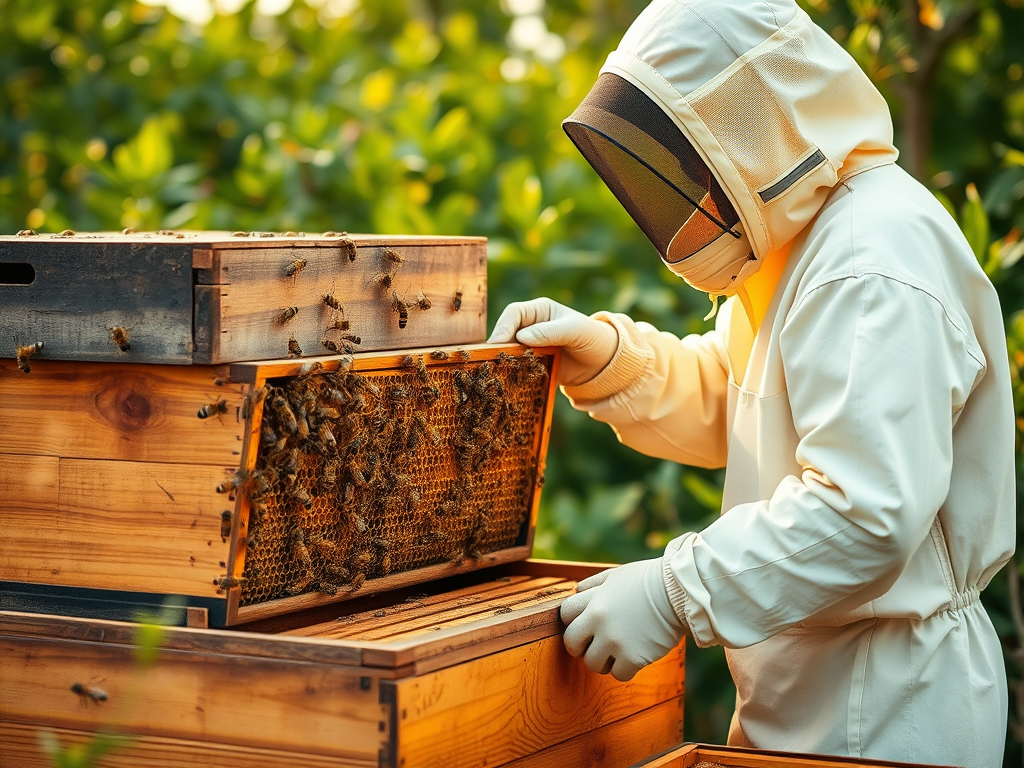
- Protective Gear: Protective suits, gloves, and veils are necessary to avoid bee stings. A basic protective kit can cost around ₹1,500-₹2,000.
3. Bee Colony (Nucleus Colony):
- A nucleus colony (or nuc) is a small, healthy colony of bees used to start a new hive. A nuc consists of queen bees, workers, and brood (eggs, larvae, and pupae). These can be purchased from established beekeepers.
- The cost of a nucleus colony can range from ₹2,000 to ₹5,000 depending on the quality of the colony.
4. Honey Extractor:
- An extractor is a machine used to extract honey from the combs without destroying the wax. It costs approximately ₹10,000 to ₹25,000, depending on the size and quality.
- Small-scale beekeepers often use manual extractors, while larger farms may opt for electric or motorized extractors.
3. Bee Species for Beekeeping in India
India is home to several species of honeybees, but the most commonly used species for commercial beekeeping are:
1. Indian Bee (Apis Cerana Indica):
- Native to India and found across the country, particularly in rural and hilly regions.
- Advantages: Hardy, disease-resistant, and well adapted to the Indian climate. It is also an efficient pollinator.
- Honey Production: Moderate; typically around 10-15 kg per colony annually.
- Behavior: Gentle, making it easier for beekeepers to manage.
2. European Honeybee (Apis Mellifera):
- Imported species used widely in commercial beekeeping.
- Advantages: High honey production (up to 30-40 kg per colony per year).
- Honey Production: High; ideal for large-scale honey production.
- Behavior: More aggressive than Indian bees, requiring more care and protective measures.
3. Giant Honeybee (Apis Dorsata):
- Found in the forested and hilly regions of India.
- Known for producing large quantities of honey but is more difficult to manage due to its wild nature.
- Honey Production: High, but it is difficult to manage compared to Apis Mellifera or Apis Cerana.
4. Other Species:
- Apis Florea (Small Bee): Native to India but typically used less commercially due to its smaller honey yield.
4. Beekeeping Process: Step-by-Step
1. Selecting the Location:
- Climate: Bees thrive in warm, dry climates and need access to abundant flowering plants for nectar. Choose a location that receives sunlight and is free from extreme weather conditions.
- Space: The site should be away from heavy traffic, pollution, and other disturbances. It should be a calm, peaceful environment.
- Flowering Plants: Choose a location near fruit orchards, flower gardens, or crops like mustard, sunflower, and coriander, which provide abundant nectar and pollen.
2. Setting up the Hives:
- Install the beehives in rows with enough space between each hive for easy management. Hives should be elevated slightly (on stands) to avoid moisture and pests.
- Ensure that the entrance of the hive faces the south or southeast for maximum sun exposure and optimal temperature regulation.
3. Installing Bees:
- Purchase nucleus colonies (nucs) or swarms from reliable sources. These can be introduced into the hives, where they will start building their colony.
- The bees will establish a new colony and begin to produce honey after about 3-4 weeks.
4. Hive Management:
- Regular Inspections: Check hives every 7-15 days to monitor the health of the colony, check for diseases, and ensure there is enough food and space for the queen to lay eggs.
- Replacing Frames: Over time, honeycombs may become crowded. Replace frames every 6-12 months to maintain colony health and productivity.
- Swarming Prevention: Bees may swarm during the warmer months, so it’s important to monitor the hive and perform management techniques like splitting colonies to prevent swarming.
5. Harvesting Honey:
- Honey is typically harvested once the bees have filled the frames with honey and the cells are capped with beeswax. This is generally done at the end of the flowering season (typically in summer or autumn).
- Use a honey extractor to spin the honey out of the frames and separate it from the wax.
- Be sure to leave enough honey for the bees to feed on during the offseason (especially in winter or during lean periods).
5. Challenges in Beekeeping
1. Climate and Weather Conditions:
- Temperature extremes can harm bee colonies. Excessive heat can lead to honey production loss, while cold weather may cause starvation if there’s insufficient honey stored for the winter.
- Rainy weather and floods can damage hives and affect bee health.
2. Diseases and Pests:
- Varroa mites and other parasites can destroy colonies if not controlled.
- Foulbrood and Nosema disease are common in honeybees. Timely treatments and disease prevention are critical.
3. Market Access:
- Finding consistent buyers for honey, beeswax, and other products can be difficult for small-scale beekeepers.
- Developing a brand and marketing your product as organic or raw honey can help increase sales.
4. Aggressive Behavior:
- Some bee species, like Apis Mellifera, can be more aggressive, requiring extra caution when managing hives.
6. Profitability of Beekeeping in India
Initial Investment:
- The investment required for beekeeping depends on the number of colonies and the type of equipment. A beginner can start with 3-5 hives, which may cost around ₹20,000-₹25,000 for initial setup.
Income Generation:
- A single colony can produce anywhere between 10-40 kg of honey
annually, depending on environmental conditions and bee species.
- Honey Price: Organic or raw honey can be sold at ₹200-₹500 per kg in local markets or online.
Revenue Potential:
- With 10 colonies, a beekeeper can expect 100-400 kg of honey annually, which translates to ₹20,000-₹2,00,000 depending on the selling price.
- Additional income from wax, pollination services, and beekeeping training further increases profitability.
7. Government Schemes and Support
The Indian government, through the National Beekeeping and Honey Mission (NBHM), supports the beekeeping industry by providing financial assistance, training programs, and subsidies for buying beekeeping equipment and setting up apiaries. Some schemes include:
- Subsidies for equipment: Subsidies of up to 50-75% are available for purchasing hives, tools, and machinery.
- Training Programs: Beekeeping training programs are conducted by various government bodies and NGOs to help farmers learn the techniques of sustainable beekeeping.
Conclusion
Beekeeping in India offers numerous opportunities for income generation, crop pollination, and environmental sustainability. By adopting modern techniques and focusing on quality honey and bee products, farmers can establish a profitable beekeeping business. Though challenges like diseases, climate, and market access exist, with proper management and investment, beekeeping can be a rewarding agricultural venture.
 KrishiCenter