
Author: KrishiCenter Care
-

Green Vegetables – Powerhouse of Health
Green vegetables are essential for health, providing vital nutrients like vitamins A, C, K, and minerals such as calcium and iron. They support digestion, boost immunity, enhance brain function, and promote heart health while aiding weight management and detoxification. Regular consumption reduces chronic disease risks and enriches overall well-being. Aim for 2-3 servings daily.
-

Pea Sowing and Cultivation – a Planting Guide
🌱 Pea Sowing and Cultivation in India 1. Introduction Pea (Pisum sativum L.) is one of the most important cool-season leguminous vegetables grown across India. It belongs to the Fabaceae family and is cultivated both as a vegetable (green pods) and pulse (dry grains). Peas are a rich source of protein (20–25%), carbohydrates, vitamins A,…
-

Solar Energy Solutions: The Future of Renewable Power
Solar plants convert sunlight into electricity, playing a vital role in renewable energy. They are categorized into photovoltaic (PV) and concentrated solar power (CSP) systems. Various government schemes in India promote solar energy, targeting efficiency and sustainability. Despite challenges like intermittency and initial costs, solar power remains crucial for a sustainable future.
-
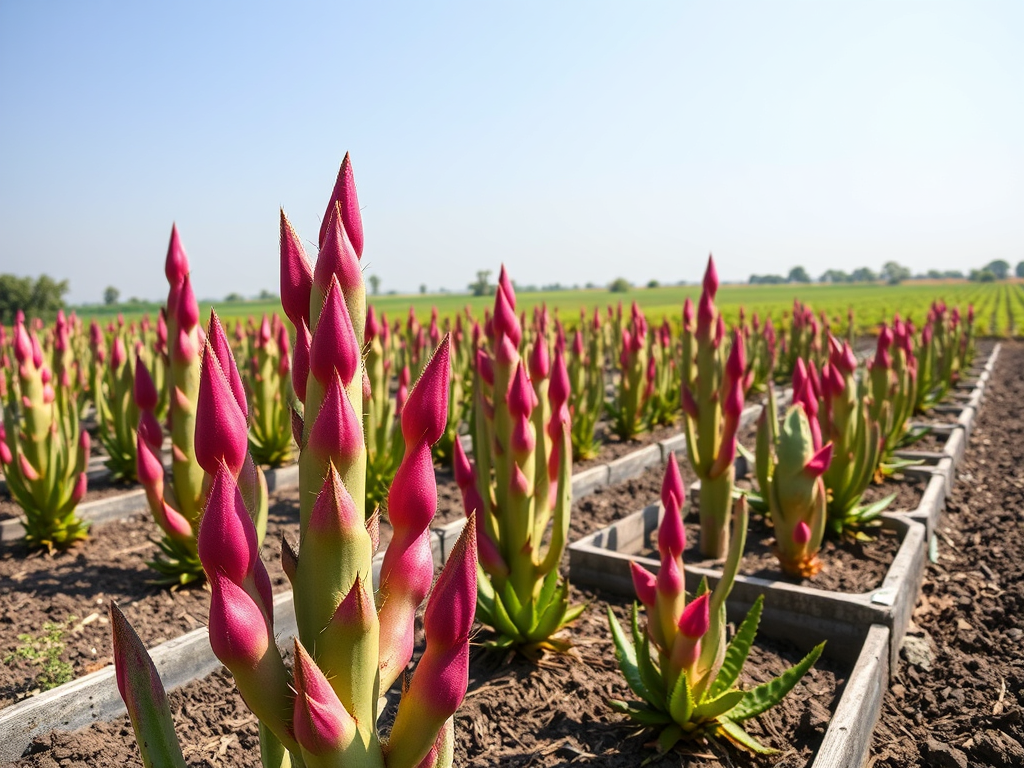
How to Grow Dragon Fruit in India: Essential Tips
Dragon Fruit (Pitaya) — A Detailed Guide for Growing in India Introduction Dragon fruit (pitaya) is an exotic, nutrient-rich tropical fruit known for its vibrant appearance and high market demand. Native to Central and South America, it has adapted well to Indian conditions and is now grown widely across Karnataka, Maharashtra, Gujarat, Odisha, and even…
-
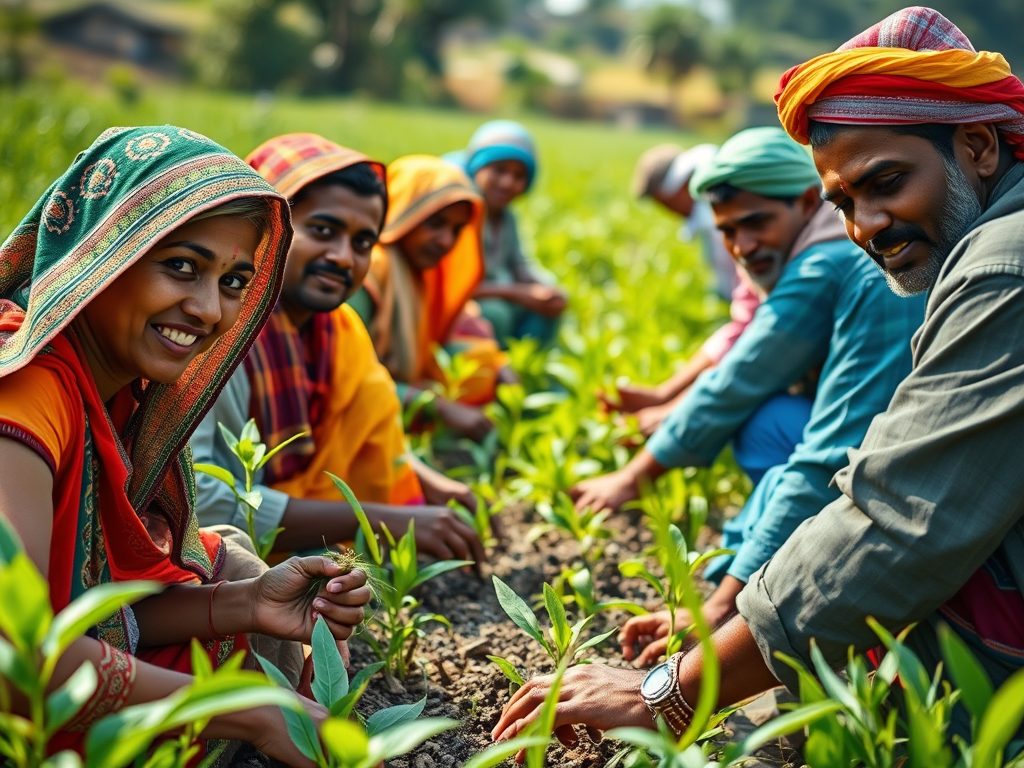
Government Programs Enhancing Farmers’ Income in India
Here’s a detailed overview of several major agricultural/farmer-welfare schemes offered by the Ministry of Agriculture & Farmers Welfare (Government of India), including their objectives, benefits, and key features. If you like, I can also pull together a full comprehensive list (including smaller schemes) along with state-specific versions. Key Schemes Government of India notified various schemes…
-
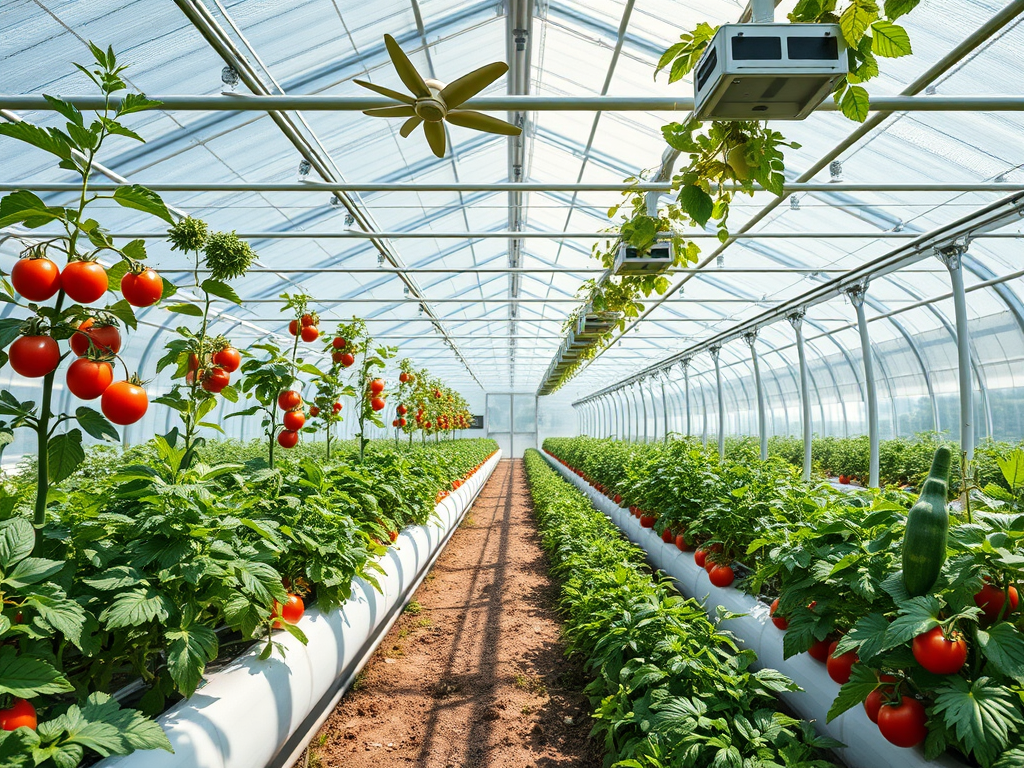
Greenhouse Farming: Sustainable Solutions for Indian Agriculture
Greenhouse farming is an innovative agricultural method that provides a controlled environment for growing crops, ensuring optimal conditions for growth and enhancing productivity. In India, where climate conditions vary widely, greenhouse farming is gaining momentum as a sustainable farming practice, especially in regions that experience extreme weather conditions. Let’s break down the concept of greenhouse…
-
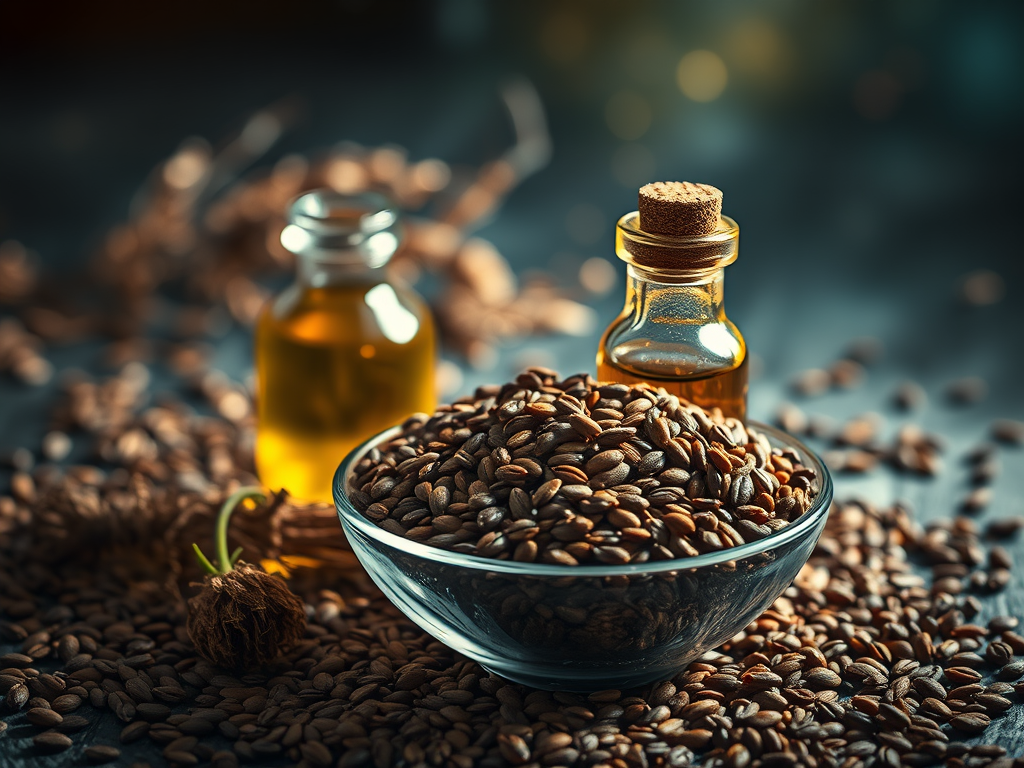
Flaxseeds: A Comprehensive Guide to Health Benefits
Flaxseeds अलसी is are one of the oldest crops known to humankind. It has gained significant attention as a superfood due to their impressive range of health benefits
-
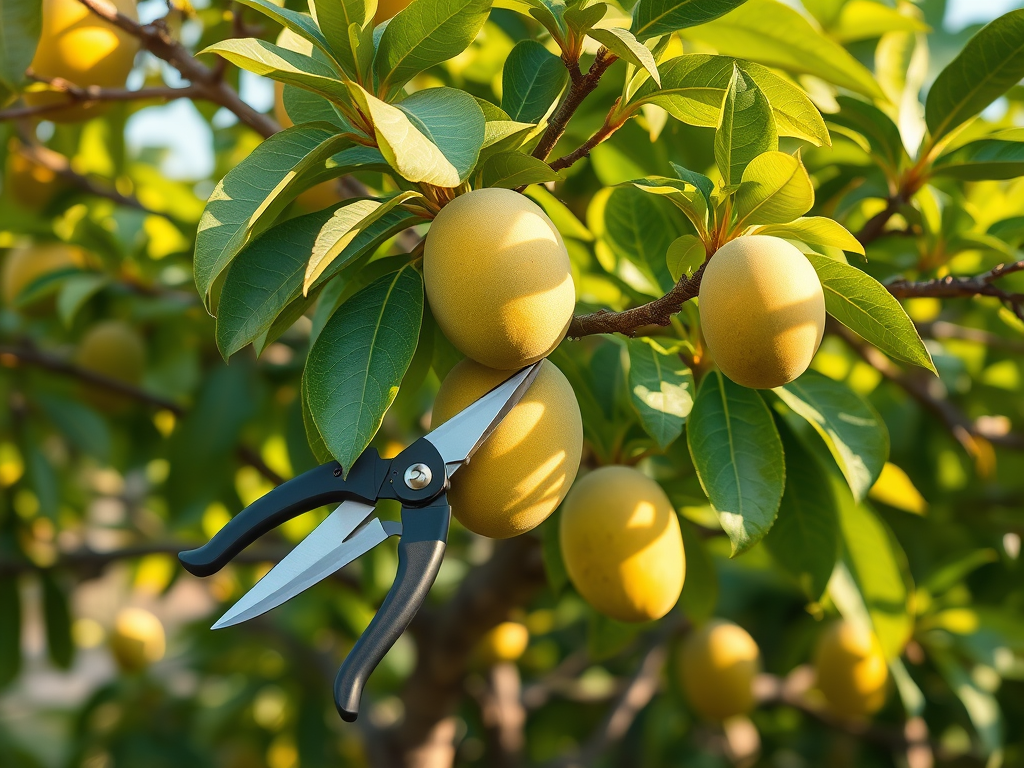
Essential Pruning Techniques for Healthy Fruit Trees
Pruning: A Detailed Guide Pruning (छंटाई) is a vital horticultural practice that involves selectively removing parts of a plant, such as branches, buds, or roots, to enhance growth, improve yield, or shape the plant. The primary objectives of pruning include encouraging healthier growth, preventing disease, enhancing fruit production, and maintaining the overall appearance and structure…
-
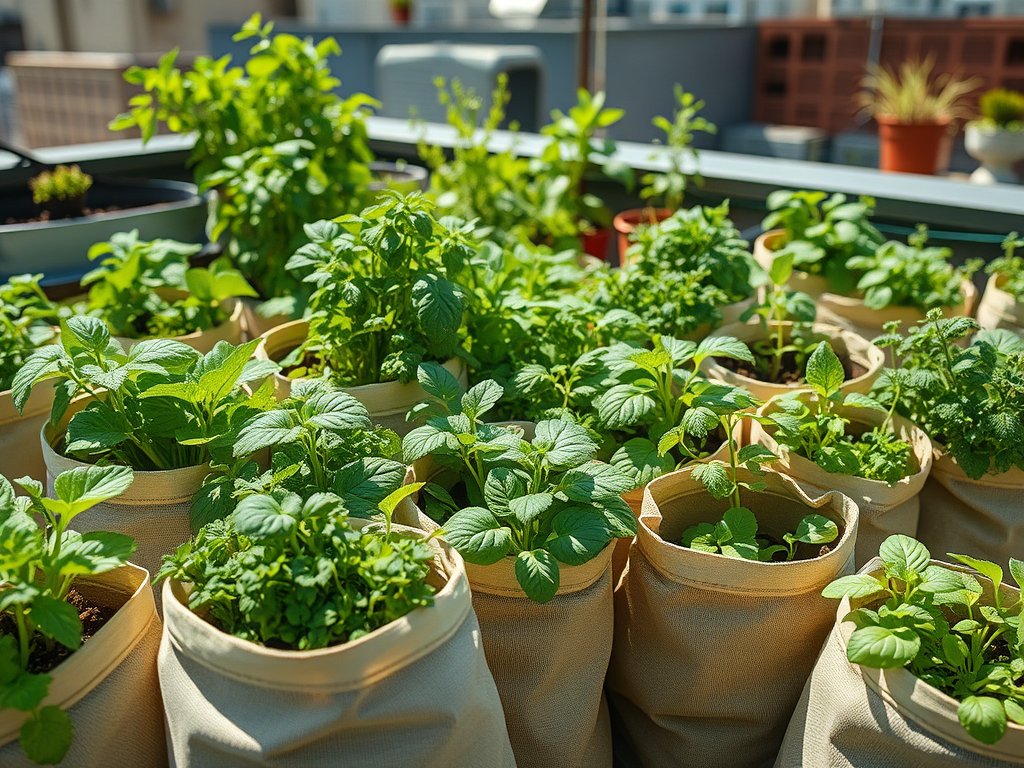
Grow Bags 101: Tips for Successful Gardening
Using Grow Bags in Farming – Grow bags are an increasingly popular container-growing method in both small-scale gardening and niche farming. They offer unique advantages — especially in urban, rooftop or limited-space contexts — but also come with considerations. Below is a detailed guide covering what grow bags are, their benefits, how to use them…
-
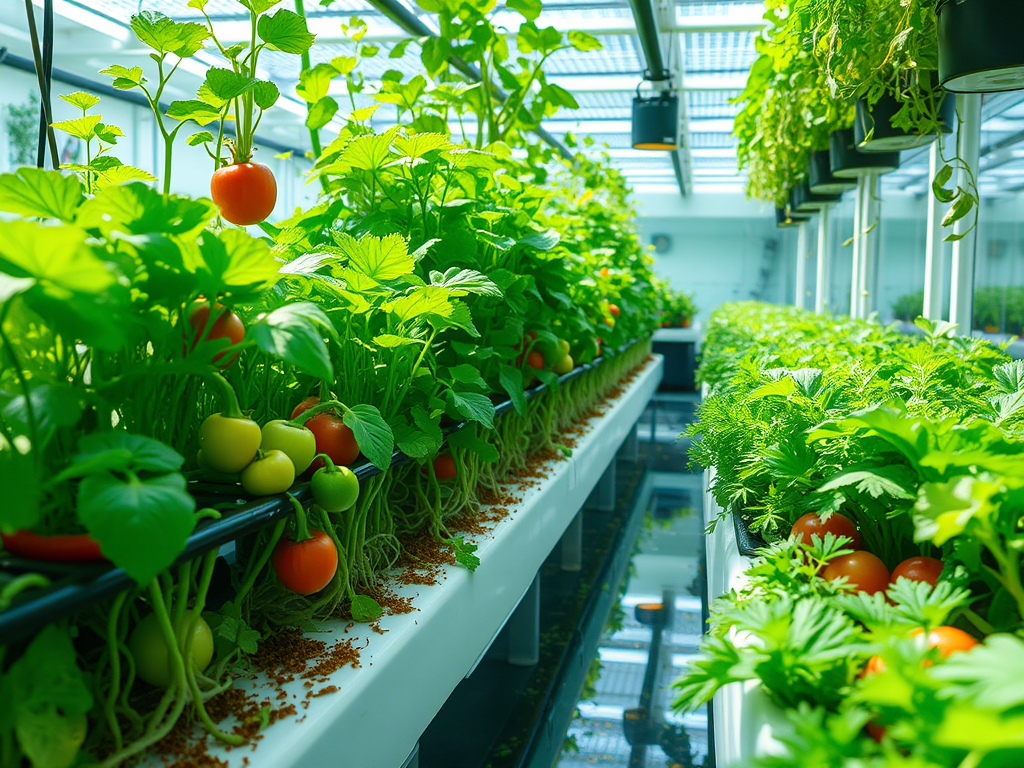
Hydroponics 101: A Modern Farming Revolution
Understanding Hydroponics What is Hydroponics? Hydroponics or Aquaponics is the cultivation of plants without soil. It uses nutrient-rich water solutions to deliver essential nutrients to plant roots. Optionally, inert growing media can be used. In simpler terms: instead of growing in soil, plants are grown in water. You control exactly what nutrients they get and…
-
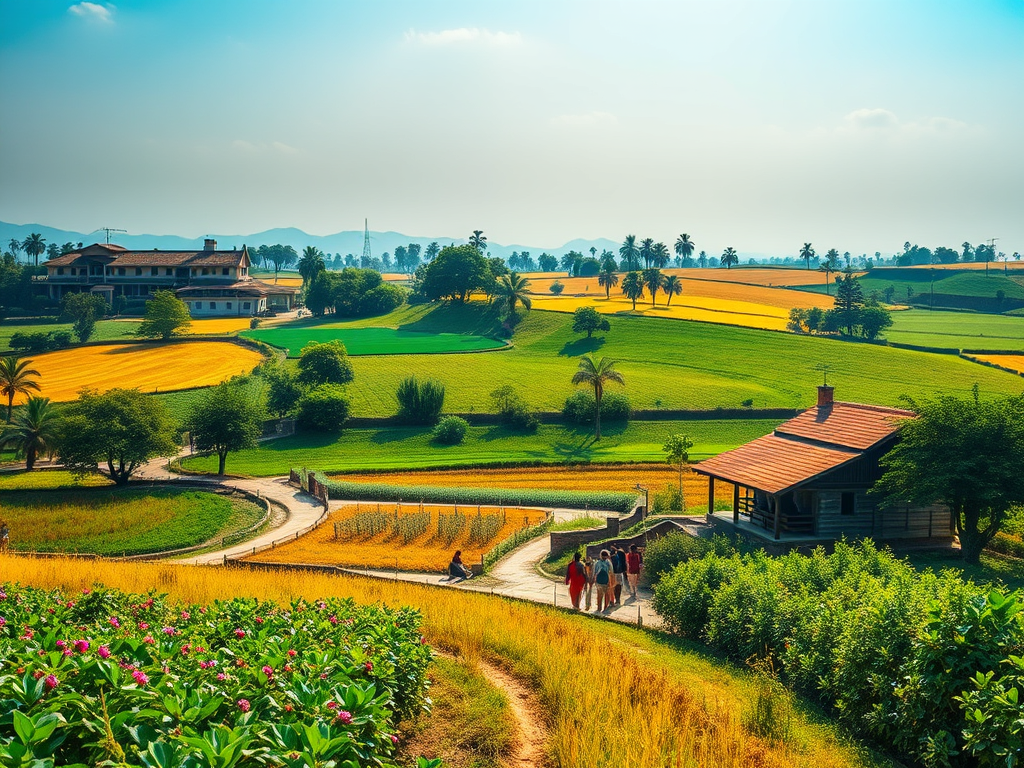
Exploring Agro-Tourism in India: A Rising Trend
Introduction Agro-tourism (or agritourism) involves visiting working farms or rural agricultural settings. It offers tourism, recreation, and education. Visitors sometimes directly participate in agricultural activities.In India, with its vast rural population, there is rich agro-diversity and increasing domestic tourism. Agro-tourism offers a promising intersection of agriculture, tourism, and rural development. Why India is well-positioned for…
-
Gardening: A Path to Wellness and Community
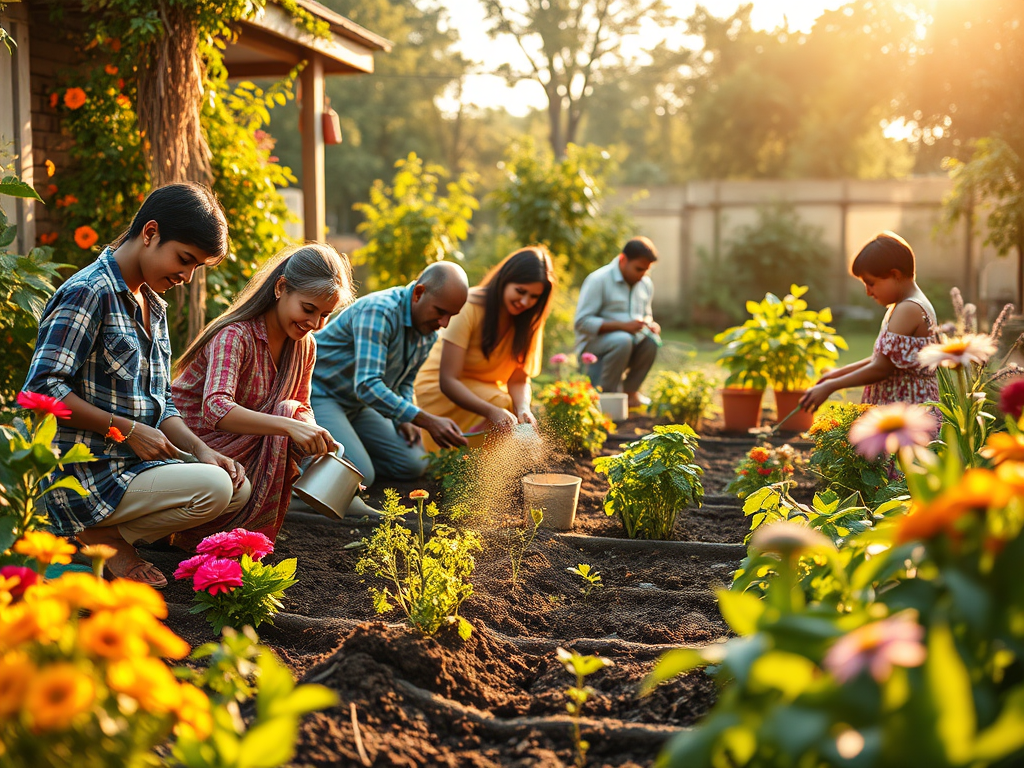
The Many Benefits of Gardening Gardening is much more than just planting flowers or growing vegetables — it offers a rich blend of physical, mental, social and environmental benefits. In India, home gardens, terrace gardens, and backyard orchards are increasingly popular. Gardening can significantly enrich lives in these settings. Here’s an article outlining the key…
-
Mango Farming Techniques: Successful Cultivation in India
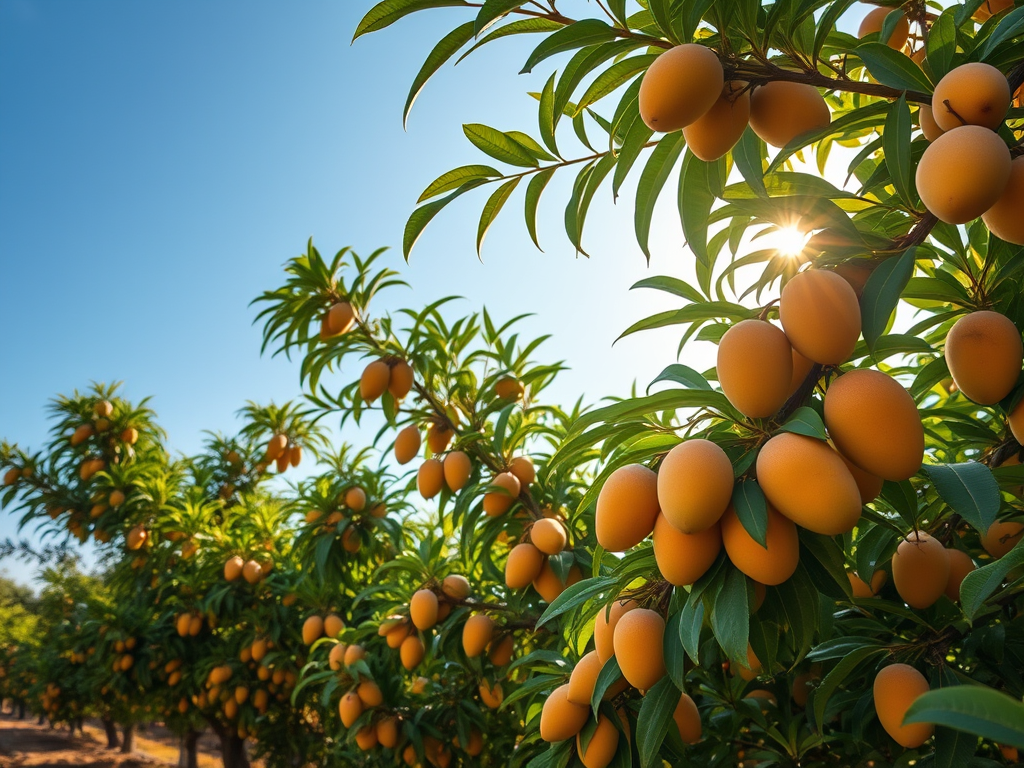
Guidelines for Cultivating Mango Trees in India Mango आम (Mango, Mangifera indica) is one of India’s most important fruit crops—both culturally and economically. Here’s a comprehensive guideline tailored to Indian conditions for successful mango tree cultivation. 1. Site and Climate Selection Climate: Soil & Site: Summary Tip: Choose a site with good drainage. Ensure it…
-
Understanding Stolon Crops: Nature’s Veggie Reproducers
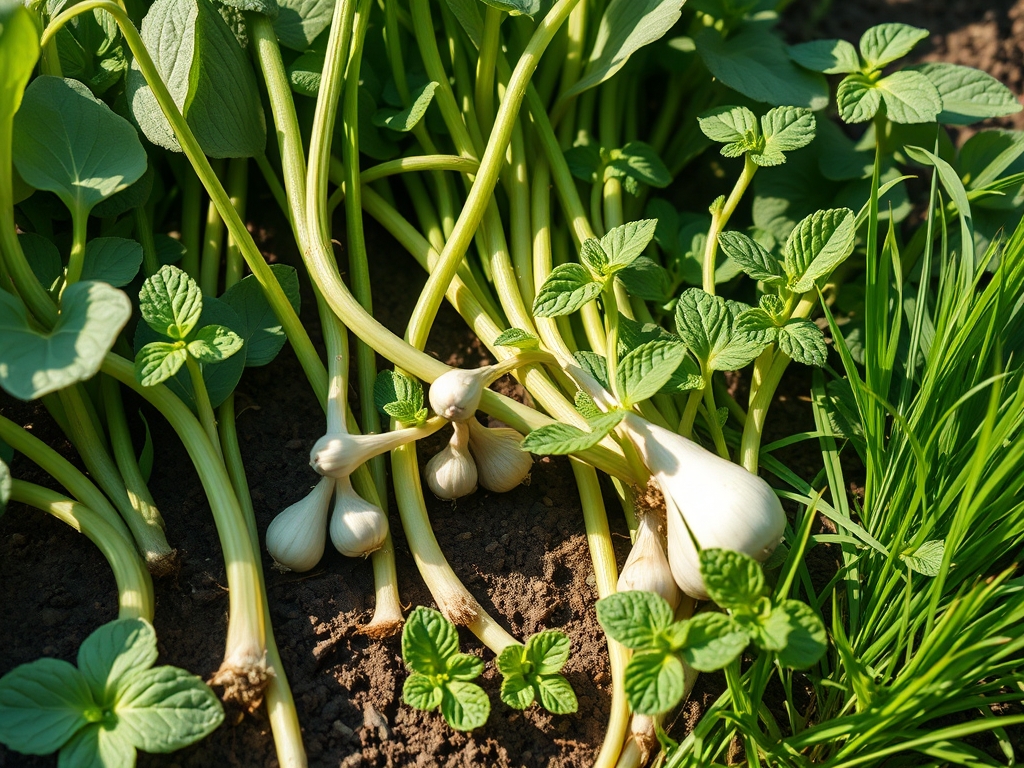
🌿 Stolon Crops: Nature’s Spreading Wonders Introduction In the plant world, reproduction doesn’t always depend on seeds. Some plants can grow and multiply through special structures known as stolons. Crops that reproduce or spread through stolons are called stolon crops. This form of growth allows plants to spread quickly over the soil surface, forming new…
-

The Impact of Meteorology on Daily Life and Climate Change
Detailed Article on Meteorology: The Field of Study Introduction to Meteorology Meteorology is the scientific study of the atmosphere and the processes that cause weather patterns. This field of study focuses on understanding the Earth’s atmospheric phenomena, including the movement of air masses, the formation of clouds, and the causes of weather events such as…
-
Growth of India’s Wine Industry: Key Insights
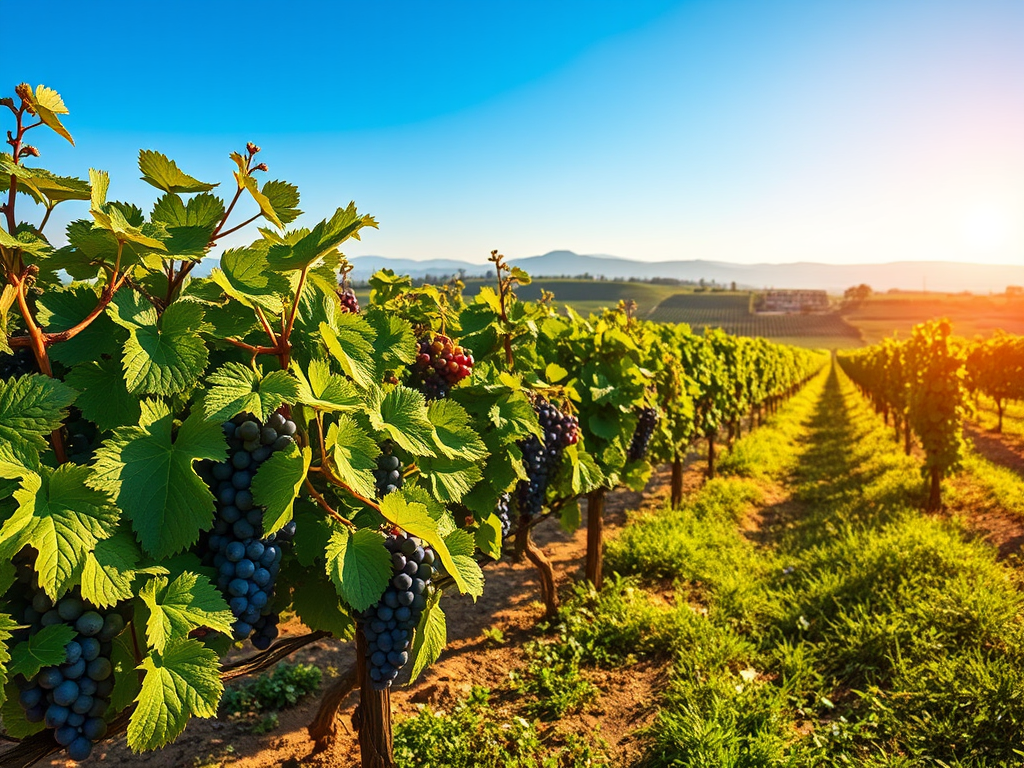
The wine industry in India is a rapidly growing sector, with a rich history, evolving market dynamics, and emerging global opportunities. While India may not have the same longstanding wine heritage as regions like France, Italy, or Spain, the industry is witnessing a significant transformation due to increasing consumer interest, favorable climate conditions for grape…
-
A Guide to Wine Production Processes
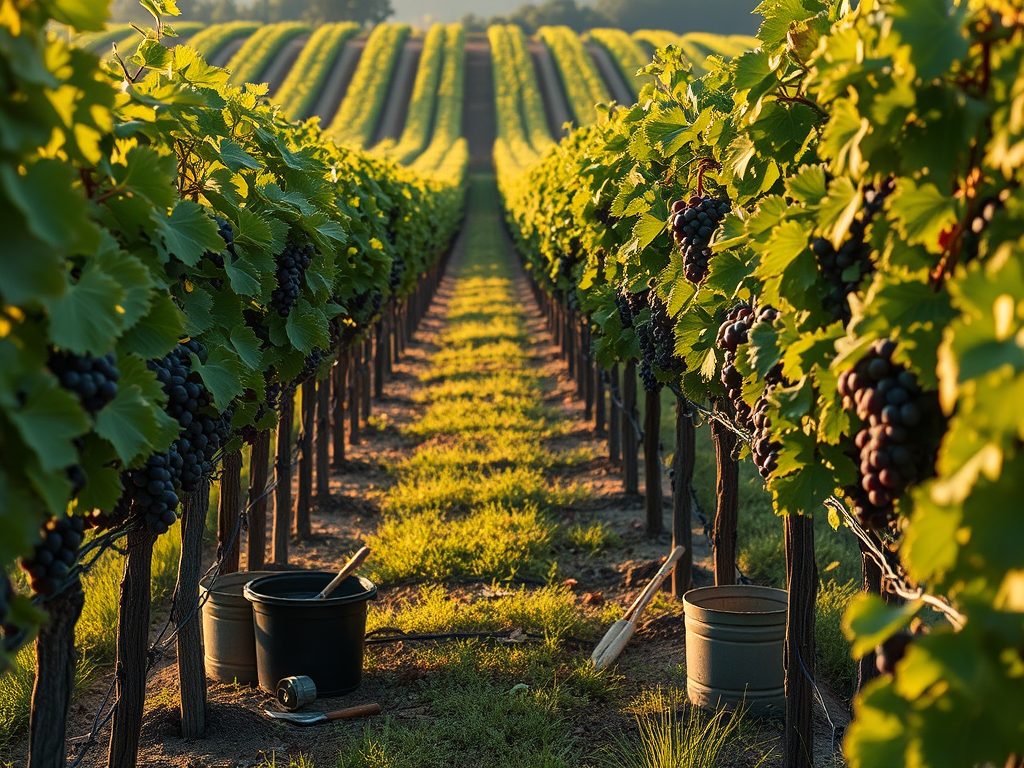
The wine industry is a complex and expansive sector that includes the production, distribution, and consumption of wine. It’s one of the oldest and most significant agricultural industries worldwide, with rich cultural ties to regions like France, Italy, Spain, and many others. The industry involves multiple stages, from growing grapes to the final retail sale.…
-
Understanding Soil Types for Successful Crop Growth
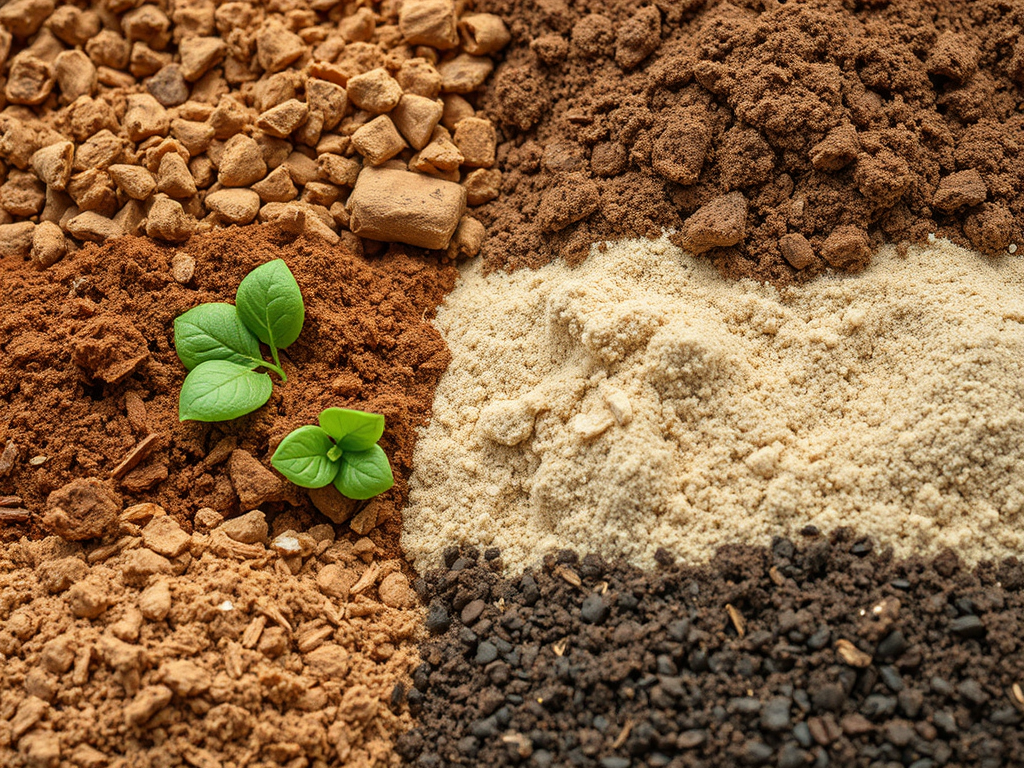
The type of soil you use for growing crops significantly affects the growth, yield, and quality of the plants. Soil types vary in terms of texture, structure, drainage, fertility, and pH levels. Understanding the characteristics of different soil types is essential for successful crop cultivation. Here’s a breakdown of the main types of soil and…
-
Profitable Cow Dung Business Ideas for Sustainability
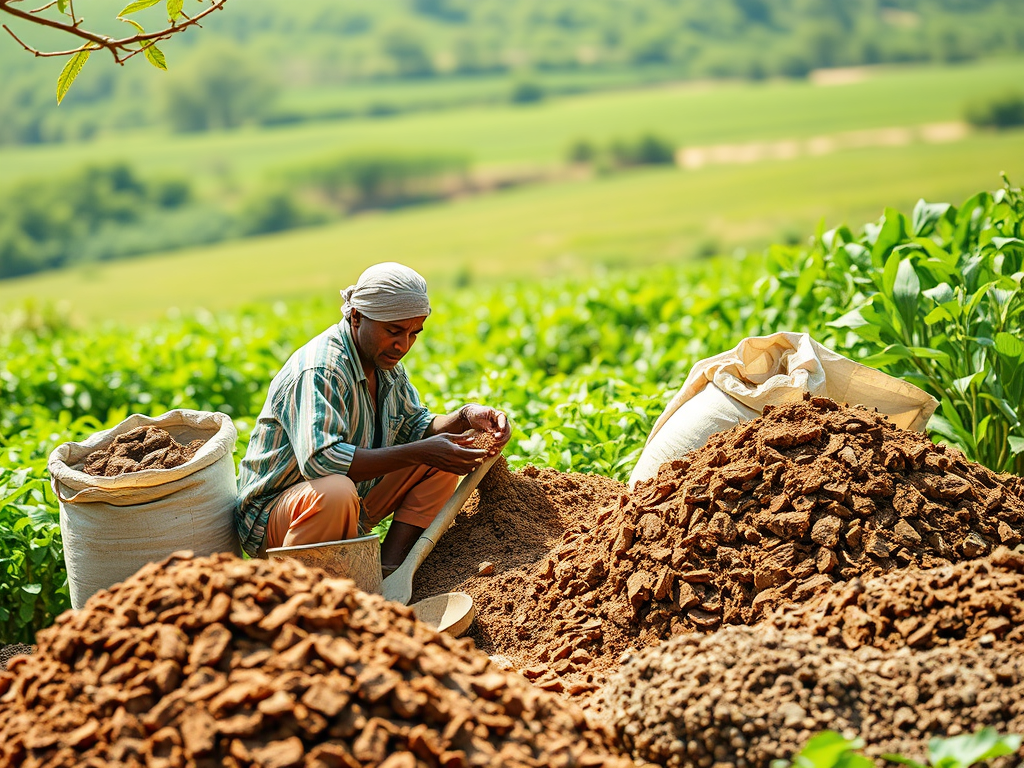
Making money from cow dung is a creative and sustainable business idea, especially in regions where livestock farming is common. Cow dung is a valuable resource with numerous applications, ranging from agricultural to energy production. Here’s a detailed guide on how you can monetize cow dung: 1. Organic Fertilizer Production Cow dung is rich in…
-
Tea Cultivation and Processing: A Comprehensive Guide
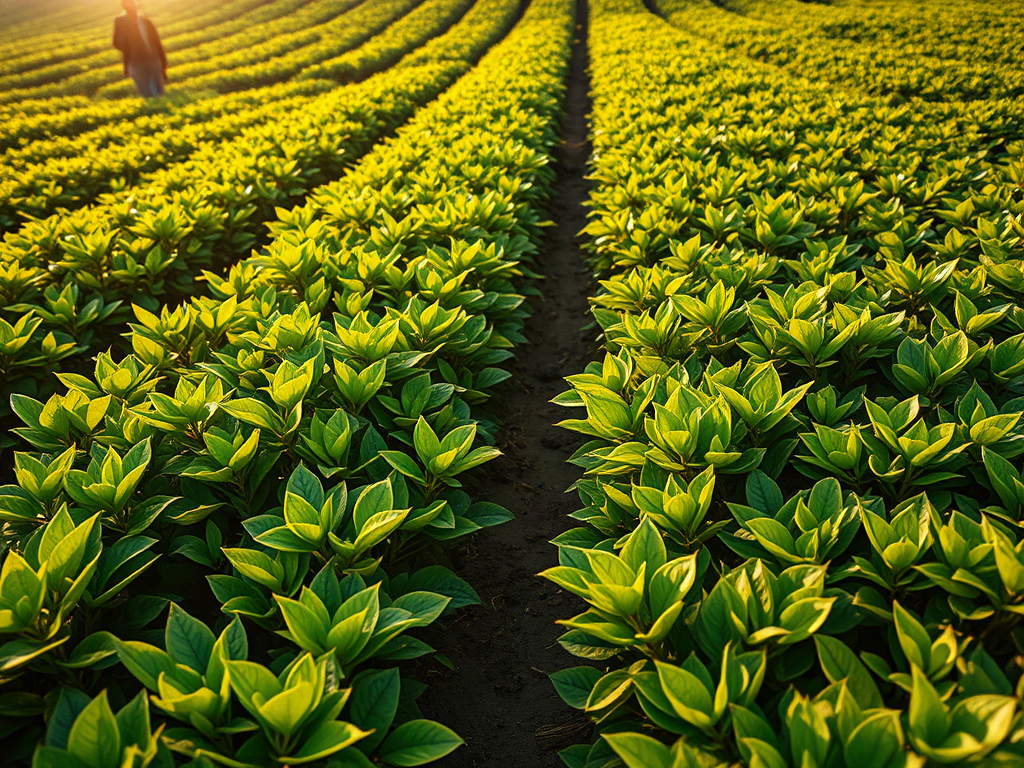
Tea (चाय) is one of the most widely consumed beverages globally, with its origins in China more than 2,000 years ago. Today, tea is produced in many parts of the world, from China and India to Sri Lanka, Kenya, and Taiwan. The process of tea cultivation and processing is both an art and a science,…
 KrishiCenter