
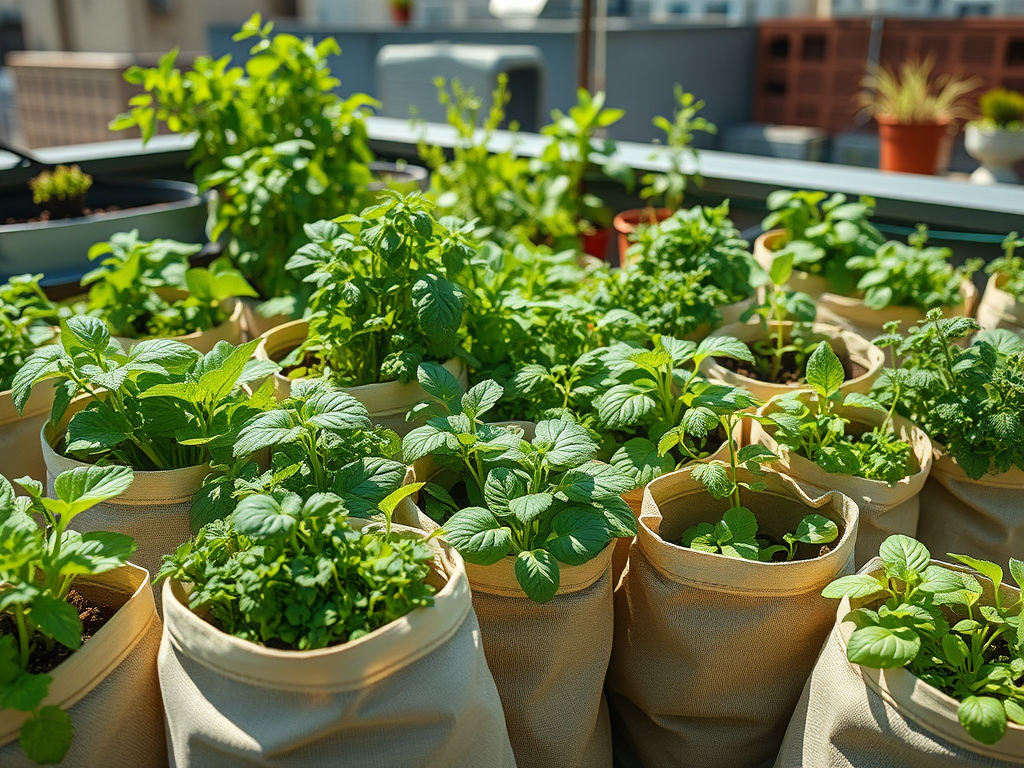
Using Grow Bags in Farming – Grow bags are an increasingly popular container-growing method in both small-scale gardening and niche farming. They offer unique advantages — especially in urban, rooftop or limited-space contexts — but also come with considerations. Below is a detailed guide covering what grow bags are, their benefits, how to use them effectively, sizing & crop recommendations, and pitfalls to avoid.
What are Grow Bags?
A “grow bag” is essentially a bag or flexible container filled with growing medium (soilless or soil-based) in which plants are grown. (Wikipedia)
They differ from traditional rigid pots in material (often fabric or breathable plastic), mobility, and root environment.
Originally used for home-use veggies, they now find uses in garden beds, patios, rooftops and even small commercial setups. (Wikipedia)
Key Advantages
Using grow bags offers several strong benefits:
- Improved root health & aeration: Because fabric/breathable bags allow air penetration at the sides, roots reaching the edges are exposed to air and get “air-pruned” rather than circling around as they often do in rigid pots. This results in a fibrous, healthier root system.
- Better drainage & reduced root rot risk: Grow bags tend to drain more freely (via side walls or breathable fabric) so over-watering problems and stagnant water zones are fewer.
- Flexibility for space-limited or non-ideal soil sites: If ground soil is poor, contaminated or unavailable (e.g., rooftop, balcony), grow bags allow you to bring in your own medium. They also allow growing in patios, urban settings, etc.
- Mobility and ease of setup: Grow bags are lighter (especially empty) and easier to move compared with fixed beds or heavy pots. Good for rearranging for sun exposure, protecting from weather, etc.
- Temperature moderation: Some sources note that breathable fabrics allow excess heat to escape from the root zone better than solid containers, helping regulate root-zone temperature.

Sizing, Crop Selection & Practical Setup
Choosing the Size
The size of grow bag (volume of growing medium) affects which crops you can grow. Some general guidelines:
- Small bags (1-3 gallons or ~4-12 litres) → herbs, small leafy greens.
- Medium bags (5-10 gallons / ~20-40 litres) → mid-sized vegetables like tomatoes, peppers.
- Large/extra large bags (10-20+ gallons or larger) → root crops (potatoes), small shrubs or dwarf fruit trees.
What to Grow
Grow bags are versatile:
- Leafy greens, herbs, small vegetables: lettuce, spinach, basil, parsley.
- Fruit/vegetables: tomatoes, peppers, cucumbers (with appropriate size/support).
- Root vegetables: carrots, beetroot, potatoes. For example: grow bags allow easier harvesting for potatoes.
Setting Up the Bag
Here’s a practical step-by-step:
- Select location: Ensure good sunlight (e.g., 6+ hours for vegetables), good airflow, and stable surface (e.g., balcony, patio, rooftop). Avoid spots where bag will sit in standing water.
- Choose bag & material: Fabric (non-woven), felt or heavy-duty plastic bags with drainage. Look for handles if mobility is needed.
- Select growing medium: Use a high-quality potting mix or soilless medium designed for containers — not simply heavy ground soil (which may compact, have poor drainage or contain weeds/pests).
- Fill the bag: Fill bag leaving a small gap at top for watering. If growing root crops, ensure depth is sufficient.
- Planting: Insert seedlings or sow seeds as per crop guidelines. For tall plants, consider stakes or cages.
- Watering & feeding: Because bags drain and may dry quicker than ground or rigid pots, monitor moisture frequently. Use fertilisers (liquid or slow-release) since the medium volume is limited.
- Maintenance: Keep bags clean, check for wear/tear, rotate crops as needed, refresh medium between seasons. Elevate the bag if possible for air circulation underneath.
Special Considerations & Challenges
While grow bags bring many benefits, there are trade-offs and things to watch out for:
- Watering frequency / moisture retention: Because many grow bags are breathable and drain well, they tend to dry out faster. You may need more frequent watering than ground beds.
- Durability & cost: Some grow bags (especially fabric ones) may last only a few seasons compared with rigid containers. Some are less aesthetic.
- Temperature insulation: In cold climates or during cold nights, breathable bags may lose heat faster (less insulation than heavy pots or in-ground). In hot climates, too, bags can heat up if material is dark.
- Soil medium & nutrients: Since you’re using a contained medium, nutrients are limited and may deplete faster; you’ll need to monitor and replenish. Also soil compaction or poor medium selection can hinder root growth.
- Mobility when filled: Large bags filled with soil become heavy and may be difficult to move. The handles may tear if over-filled or poor quality.
Best Practices for Maximum Success
- Use a quality fabric grow bag with appropriate size for the crop.
- Use a light, well-draining potting/soilless mix rather than heavy garden soil.
- Monitor soil moisture: for example stick your finger ~2.5 cm into medium and water when dry at that depth.
- Mulch the surface of the bag to reduce evaporation and keep roots cooler (especially in hot climates).
- Provide support (stakes, cages) for vining/tall crops.
- Elevate bags slightly (on bricks or stands) so drainage is effective and air-flow under bag is good.
- At season’s end, empty the bag, refresh medium or rotate crops to reduce disease/pest build-up.
- If on a balcony/roof, ensure drainage does not damage surface or cause staining; use saucer or tray if needed.
- In hot or cold extremes, consider relocating bags or insulating them to protect root zone.

Suitability for Farming / Commercial Use
While grow bags are extremely useful for small-scale gardening, hobby farming or rooftop/urban farms, some caveats apply for large-scale farming:
- The cost per unit volume of medium might be higher than field soil.
- Labour for watering, monitoring many bags individually can rise.
- Infrastructure for irrigation, supports, nutrient management may need scaling.
- But for niche crops (higher-value vegetables, herbs, rooftop farms, marginal land) grow bags can provide a viable model.
Summary
Grow bags are a flexible, effective tool for gardening and small-scale farming — enabling good root health, portability, space-efficient growing and avoidance of poor native soils. However, they require attentive watering, good medium, and appropriate sizing/management to deliver their full benefits. When used wisely, they open up growing in places where traditional ground-beds aren’t feasible (balcony, rooftop, patio, urban settings) or where soil conditions are challenging.


Leave a Reply