
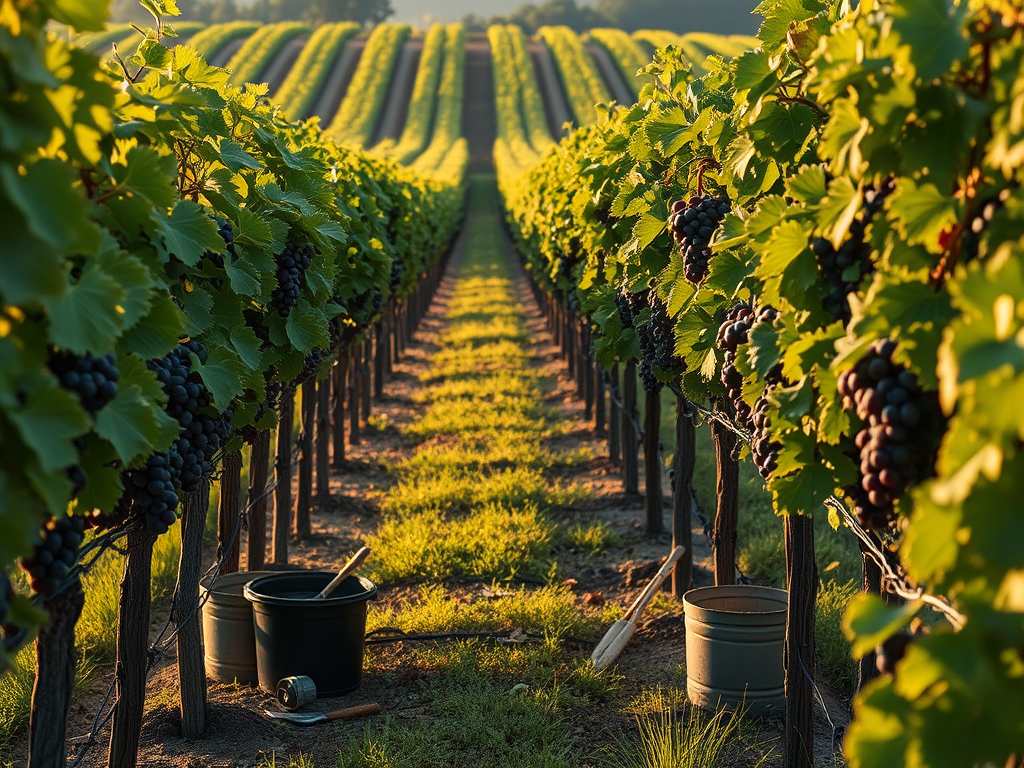
The wine industry is a complex and expansive sector that includes the production, distribution, and consumption of wine. It’s one of the oldest and most significant agricultural industries worldwide, with rich cultural ties to regions like France, Italy, Spain, and many others. The industry involves multiple stages, from growing grapes to the final retail sale. Below is a detailed guide on the wine industry, covering its various facets.
1. Wine Industry Overview
The global wine industry is a significant part of the agricultural and food sectors. Wine production is primarily concentrated in a few key regions worldwide, but it also has an international market.
Key Statistics:
- Global production: Over 24 billion liters of wine are produced annually.
- Top wine producers: Italy, France, Spain, the United States, and Argentina.
- Top wine consumers: The United States, France, Italy, and Germany.
The industry is heavily influenced by factors such as climate, soil, technology, and changing consumer preferences.
2. The Wine Production Process
Wine production can be broken down into several stages, from vineyard to bottle.
Stage 1: Vineyard (Viticulture)
Viticulture is the science, production, and study of grapes used in winemaking.
- Grape Variety: Different types of grapes (Vitis vinifera is the most common species) create different styles of wine. Popular varieties include Cabernet Sauvignon, Merlot, Chardonnay, and Pinot Noir.
- Climate: The climate plays a significant role in wine characteristics. The wine-growing regions can be broadly categorized into cool, moderate, and warm climates, each affecting the sugar, acidity, and flavor profile of the wine.
- Soil: Soil composition, such as drainage, mineral content, and pH, influences grape growth. Certain types of soil, such as limestone, clay, and gravel, are preferred for specific varieties.
- Vineyard Management: This includes pruning, training vines, irrigation, and pest control. Viticulturists and vineyard managers must make these decisions to optimize grape quality.
Stage 2: Harvesting (Vendange)
- Timing: Harvesting grapes at the right time is crucial for creating quality wine. Grapes are usually harvested when their sugar content (measured in Brix) is ideal, typically between late summer and early fall, depending on the region.
- Hand vs. Machine Harvesting: Some wineries prefer hand-picking, which is labor-intensive but allows for careful selection. Machine harvesting is faster and more efficient, but it can sometimes result in damaged grapes.
Stage 3: Winemaking (Enology)
Enology is the science of wine and winemaking.
- Crushing: After harvesting, grapes are crushed to extract juice, which can be done by hand, machine, or via a mechanical press.
- Fermentation: Yeast converts the sugars in the grape juice into alcohol and carbon dioxide, creating wine. Fermentation can take place in stainless steel tanks, wooden barrels, or other containers depending on the desired outcome.
- Red wine: Fermented with skins to extract color and tannins.
- White wine: Fermented without skins, typically resulting in a lighter, fresher wine.
- Rosé wine: Fermented briefly with skins to extract just a little color.
- Aging: Wines are aged to enhance flavor complexity and balance. Aging can be done in stainless steel tanks, wooden barrels, or glass bottles.
- Oak aging: Wines like Chardonnay or Cabernet Sauvignon are often aged in oak barrels to impart flavors of vanilla, smoke, and spice.
Stage 4: Bottling and Packaging
Once the wine reaches the desired maturity and flavor profile, it is filtered, stabilized, and bottled. The bottling process also includes adding a cork, cap, or screw top, as well as labeling.
- Wine bottles: Bottles come in various shapes and sizes, and labeling is a crucial part of marketing and brand identity.
- Packaging: The wine industry has also seen the rise of alternatives to glass bottles, including bag-in-box, cans, and tetra packs.
3. Wine Categories
Wine is classified into several categories, with each category having unique characteristics.
- Red Wine: Made from dark-colored grape varieties, with tannins that contribute to their bold flavors. Examples include Cabernet Sauvignon, Merlot, and Pinot Noir.
- White Wine: Made from green or yellowish grapes. The fermentation process is done without grape skins. Examples include Chardonnay, Sauvignon Blanc, and Riesling.
- Rosé Wine: Made from red grapes but with minimal skin contact during fermentation, giving the wine a pink color. Examples include Grenache Rosé and Pinot Noir Rosé.
- Sparkling Wine: Wine that undergoes a secondary fermentation to produce carbon dioxide, resulting in bubbles. Champagne, Prosecco, and Cava are well-known sparkling wines.
- Fortified Wine: Wine with added distilled spirits (usually brandy), which increases the alcohol content. Examples include Port, Sherry, and Madeira.
4. Wine Regions
The global wine industry is dominated by a few key regions, each producing wines with distinct characteristics.
Old World Wine Regions
- France: Famous regions like Bordeaux, Burgundy, Champagne, and the Loire Valley produce some of the world’s best wines.
- Italy: Known for regions such as Tuscany, Piedmont, and Veneto, producing wines like Chianti, Barolo, and Prosecco.
- Spain: Rioja, Ribera del Duero, and Jerez are major wine-producing regions.
- Portugal: Known for fortified wines like Port and Madeira.
New World Wine Regions
- United States: Napa Valley, Sonoma Valley, and Oregon are key regions. California is especially prominent in producing wines such as Cabernet Sauvignon and Zinfandel.
- Argentina: Known for Malbec, Argentina’s Mendoza region is one of the largest wine-producing areas in South America.
- Australia: Regions like Barossa Valley and Margaret River produce Shiraz, Cabernet Sauvignon, and Chardonnay.
- Chile: Chile produces a range of wines, including Cabernet Sauvignon and Carmenere.
- South Africa: Known for its Pinotage and Chenin Blanc, with Stellenbosch being the main wine region.
5. Wine Marketing and Distribution
Wine Branding
- Wine branding involves creating an identity for the product, including a label design, name, and positioning.
- Wine Labeling: The label often provides information such as the wine’s region, vintage, grape variety, and producer. The label plays a crucial role in the consumer’s purchasing decision.
Wine Distribution Channels
- Retail: Wine is sold in stores, supermarkets, and specialized wine shops.
- Online Sales: Direct-to-consumer sales via winery websites or third-party platforms.
- Restaurants: Many wineries distribute through restaurants, providing a direct experience to consumers.
- Wine Clubs: Wineries often offer subscriptions, sending exclusive bottles to club members.
Wine Exporting
- Many wine-producing countries rely heavily on exports. For example, France, Italy, and Spain are major wine exporters worldwide. The international market often determines the success of a wine brand, especially in emerging markets.
6. Wine Consumption and Trends
Wine Consumption Trends
- Wine as an Experience: People are increasingly looking for an experience with their wine, such as wine tastings, vineyard tours, and wine pairings.
- Health-Conscious Drinking: The low-alcohol and non-alcoholic wine market is growing as more consumers seek healthier alternatives.
- Sustainability: There is a growing trend toward organic, biodynamic, and sustainable wines. Consumers are increasingly aware of the environmental impact of wine production.
- Premiumization: Consumers are willing to pay more for higher-quality wines, particularly in markets like the United States and China.
Global Wine Market
- North America and Europe remain the dominant consumers of wine, but Asia (especially China) is quickly becoming a major market for both wine production and consumption.
7. Challenges in the Wine Industry
- Climate Change: The impact of rising temperatures and extreme weather events can drastically affect grape harvests, resulting in inconsistent yields and wine quality.
- Pests and Diseases: The vine industry faces threats from pests like the grapevine moth and diseases like powdery mildew and phylloxera.
- Market Competition: Wine markets are highly competitive, with many brands vying for consumer attention and market share. Changing consumer preferences and the rise of new wine regions add complexity to the industry.
- Regulations: Wine production is regulated heavily in many countries. These regulations cover everything from labeling and production standards to alcohol content and health warnings.
8. The Future of the Wine Industry
- Technology: The wine industry is adopting new technologies such as AI and big data to predict harvests, optimize wine production, and improve customer experience.
- Sustainability: Eco-friendly practices, from sustainable farming to eco-friendly packaging, are becoming more important as consumers demand greener products.
- Wine Tourism: The wine tourism industry is expected to grow as more people seek experiences related to wine regions, vineyard stays, and tastings.
- Innovative Wine Styles: New wine styles and regions (such as orange wine or wines from emerging countries) will continue to gain popularity.
Conclusion
The wine industry is diverse, highly regulated, and subject to various environmental, social, and economic factors. From vineyard management to the final consumer experience, every aspect of the industry plays a vital role in creating the perfect bottle of wine. As the market for wine continues to evolve, wine producers must stay adaptable to trends like sustainability, health-conscious drinking, and technological advancements.
If you’re interested in starting a wine-related business or exploring any specific aspect of the industry, feel free to ask!


Leave a Reply