
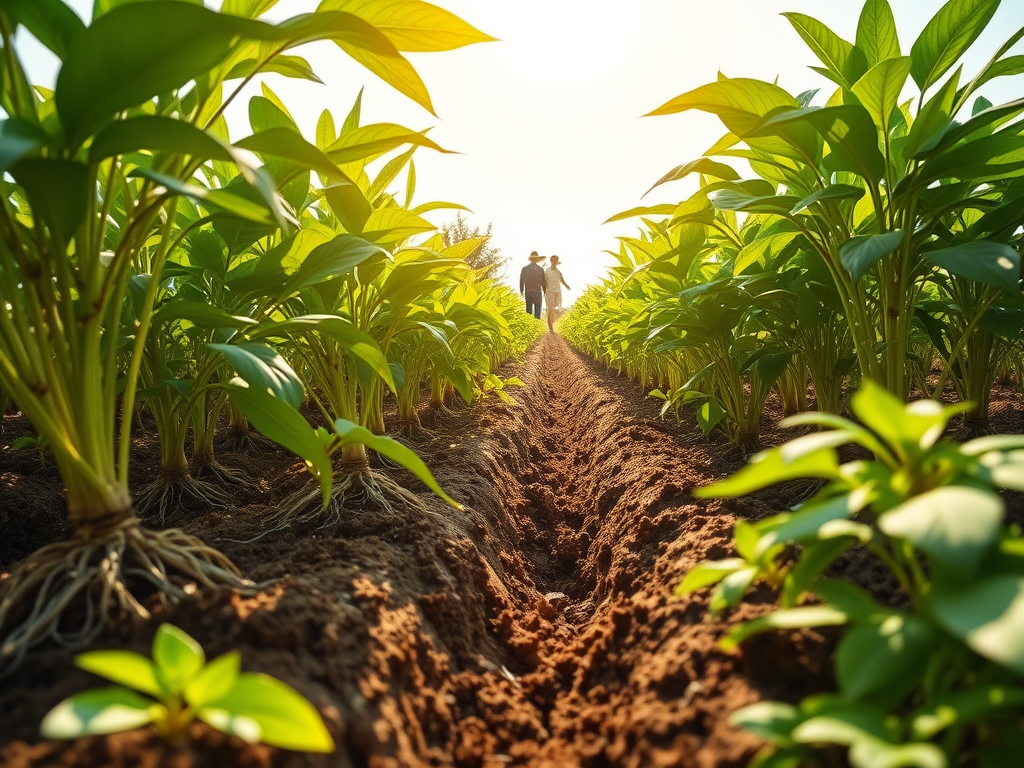
Musli Farming: A Comprehensive Guide
Introduction to Musli Farming
Musli (मूसली), scientifically known as Chlorophytum borivilianum, is a medicinal herb that is widely cultivated for its roots, which are valued for their high medicinal and nutritional properties. It is primarily known for its use as an aphrodisiac and for enhancing physical strength, stamina, and vitality. Musli is also referred to as “Indian Ginseng” or “Safed Musli” due to its purported health benefits similar to those of ginseng, a highly sought-after herb.
Musli farming has gained significant attention in India and other parts of the world due to its demand in the pharmaceutical and herbal industries. This guide will explore the essential aspects of Musli farming, including its cultivation, soil requirements, irrigation, harvesting, and the economic potential of the crop.
1. Types of Musli
There are two main types of Musli cultivated in India:
- Safed Musli (Chlorophytum borivilianum): This is the most commonly cultivated species, known for its white roots and medicinal properties. It has a high demand in the market due to its potency in enhancing sexual health and physical strength.
- Kali Musli (Chlorophytum tuberosum): While less popular than Safed Musli, Kali Musli is also cultivated for its roots, which are used in traditional medicine for similar purposes.
The cultivation of Safed Musli is more widespread because of its higher commercial value.
2. Climatic and Soil Requirements
Musli is a tropical herb that thrives in warm, humid conditions. It grows well at an altitude of up to 1,500 meters above sea level. The climatic conditions and soil quality are critical to the success of Musli farming.
- Temperature: Musli grows best in temperatures between 25°C and 35°C. It requires a warm, humid climate for optimal growth.
- Rainfall: Musli requires moderate rainfall. An annual rainfall of around 1,000 to 1,500 mm is ideal for this crop.
- Soil: Musli thrives in well-drained, loamy, or sandy soil. The soil should be rich in organic matter, and its pH level should range from 6.5 to 7.5. Musli does not tolerate waterlogging, so good drainage is essential.
Before planting, it’s advisable to get the soil tested for its nutrient content. Make necessary amendments to improve soil fertility.
3. Land Preparation
Proper land preparation is crucial for Musli farming. The land should be plowed and leveled to ensure good drainage and avoid waterlogging. The following steps are typically involved in land preparation:
- Plowing: The land should be plowed to a depth of 15-20 cm. This helps break up soil clods and promotes better root development.
- Adding Organic Matter: Incorporating organic manure, such as farmyard manure (FYM) or compost, is beneficial for enhancing soil fertility. Approximately 10-15 tons of manure per hectare is recommended.
- Leveling: The field should be leveled to ensure uniform water distribution during irrigation.
- Creating Ridges: Musli is grown in raised beds or ridges. These should be 20-30 cm high, with 30-40 cm spacing between rows. This improves drainage and root development.
4. Propagation of Musli
Musli is propagated through its roots or tubers, which are used as planting material. These tubers are available from certified nurseries, and their quality is critical for successful cultivation.
- Selection of Tubers: Choose healthy, disease-free tubers for planting. The tubers should be 3-5 cm in size.
- Planting Time: The ideal time for planting Musli is from June to July. This period is just before the monsoon season. During this time, soil moisture is sufficient.
- Planting Method: Musli is planted by placing the tubers at a depth of 4-5 cm in the soil. The distance between rows should be 30-40 cm, and between individual plants, 15-20 cm.
5. Irrigation Management
Proper irrigation is vital for Musli cultivation. While Musli requires consistent moisture, it should not be subjected to waterlogging, as this can lead to root rot.
- Watering Frequency: During the initial growth phase, Musli requires frequent irrigation, particularly in dry spells. As the plant matures, irrigation can be reduced.
- Drip Irrigation: Drip irrigation is the most efficient way to water Musli crops, as it minimizes water wastage and ensures uniform moisture distribution.
6. Nutrient Management
Musli requires balanced fertilization to achieve optimal growth. Both macro and micronutrients are essential for Musli, and the application of fertilizers should be based on soil test results.
- Fertilizer Requirements:
- Nitrogen (N): Helps in vegetative growth. Apply 50 kg of nitrogen per hectare in two split doses – one at the time of planting and another after 45-60 days.
- Phosphorus (P): Essential for root development. Apply 30 kg of phosphorus per hectare before planting.
- Potassium (K): Important for the overall health and disease resistance of the plant. Apply 30 kg of potassium per hectare.
- Micronutrients: Boron, zinc, and manganese are essential for Musli. These should be applied as foliar sprays or mixed with irrigation water.
Organic fertilizers like compost and vermicompost can also be added to improve soil health.
7. Weed and Pest Control
Weed management is important in Musli farming, especially during the early stages of growth. Musli is sensitive to weed competition, which can reduce yields.
- Weeding: Regular hand weeding or mechanical weeding is required, especially within the first three months after planting.
- Mulching: Applying organic mulch around the plants helps control weeds, retains soil moisture, and improves soil fertility.
- Pest and Disease Management: Musli is susceptible to pests like root borers, aphids, and nematodes. Common diseases include fungal infections like damping-off. Organic insecticides and fungicides can be used to manage these issues.
8. Harvesting
Musli plants are ready for harvest after 9-12 months, typically after the rainy season, when the tubers are fully developed. The roots or tubers are the valuable part of the plant, and harvesting must be done carefully to avoid damage.
- Harvesting Time: The ideal time to harvest Musli is when the leaves start to turn yellow and dry out.
- Harvesting Method: Use a spade or hoe to gently lift the roots from the soil. Care must be taken not to damage the tubers, as this can reduce their market value.
9. Post-Harvest Handling and Storage
After harvesting, Musli tubers need to be cleaned and dried properly. The drying process is critical for maintaining the medicinal properties of the tubers.
- Cleaning: Gently wash the tubers to remove soil and other impurities.
- Drying: Dry the tubers under the sun or in a well-ventilated area for 7-10 days. Ensure that the tubers are completely dry before storing them.
- Storage: Store dried tubers in a cool, dry, and well-ventilated place. Musli can be stored for several months, but it is best to sell or process the tubers within six months of harvesting to ensure optimal quality.
10. Economic Potential of Musli Farming
Musli farming has become an economically viable option for farmers in many parts of India. The growing demand for herbal medicines, nutraceuticals, and health supplements has driven up the market price of Musli. In addition, the rising awareness of the health benefits of Musli has opened up new opportunities for farmers.
- Profitability: The cost of cultivation for Musli is relatively low, especially when compared to other crops, and the returns can be quite high. A well-managed Musli farm can yield up to 5-8 tons of dry tubers per hectare. The current market price for dry tubers ranges from INR 500 to INR 1,000 per kg.
- Market Demand: The demand for Musli is high in both domestic and international markets, especially in the pharmaceutical, nutraceutical, and cosmetics industries.
- Value Addition: Farmers can explore value-added products like Musli powder, capsules, and extracts. These products can fetch a higher price in the market.
Conclusion
Musli farming holds great potential as a profitable agricultural venture. With proper care, farmers need to pay attention to detail. Soil preparation, irrigation, and pest management are important. Only then can farmers reap the benefits of growing this valuable medicinal herb. The expanding market for Musli-based products in the pharmaceutical and wellness sectors ensures a steady demand, making it a sustainable farming option for the future.
Farmers interested in Musli farming should consider obtaining training from agricultural extension services or joining cooperatives to share knowledge and resources for better production techniques and marketing strategies. With the right guidance and resources, Musli farming can transform the agricultural landscape and provide substantial economic benefits to farmers.


Leave a Reply