
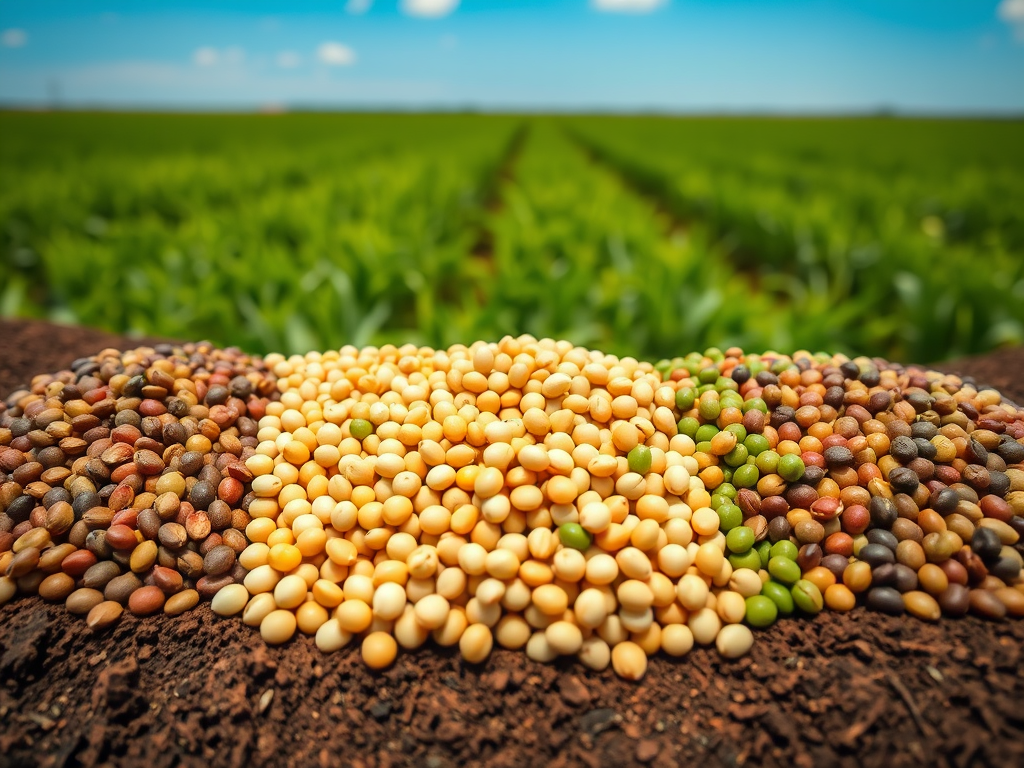
Guide to Growing Pulses in India
Pulses are a vital part of India’s agricultural landscape. They are rich in protein, essential amino acids, and other nutrients, making them a staple in many diets. India is not only the largest producer but also the largest consumer of pulses globally. Pulses such as lentils(दाल), chickpeas(चना), pigeon peas(अरहर दाल), and mung (मूंग) beans are widely cultivated.
Here’s a detailed guide on growing pulses in India, covering everything from soil preparation to harvest.
1. Types of Pulses Grown in India
India grows various pulses, including:
- Chickpeas (Gram): Mainly grown in Rajasthan, Madhya Pradesh, Maharashtra, and Uttar Pradesh.
- Pigeon Peas (Toor Dal): Grown in Maharashtra, Karnataka, Andhra Pradesh, and Tamil Nadu.
- Green Gram (Mung Dal): Mainly cultivated in Uttar Pradesh, Rajasthan, and Madhya Pradesh.
- Black Gram (Urad Dal): Grown in Punjab, Tamil Nadu, Uttar Pradesh, and Madhya Pradesh.
- Lentils (Masoor Dal): Grown in Uttar Pradesh, Madhya Pradesh, and Rajasthan.
2. Ideal Soil and Climate Conditions
Soil Requirements:
- Type: Pulses grow well in well-drained, loamy, sandy, or clay-loam soils with good organic content.
- pH Range: The soil should have a pH level between 6.0 and 7.5.
- Fertility: Pulses are legumes and can fix nitrogen in the soil. Still, they prefer soils with moderate fertility.
- Drainage: Well-drained soils are essential to avoid waterlogging, which may cause root rot.
Climate Requirements:
- Temperature: Pulses thrive in moderate climates with temperatures between 20°C and 35°C.
- Rainfall: Pulses are grown in both rainfed and irrigated areas. The rainfall requirement is typically between 500-1,200 mm depending on the variety.
- Season: Pulses are mainly grown in two seasons:
- Rabi Season (Winter): The most popular season for growing pulses like chickpeas, lentils, and field beans.
- Kharif Season (Monsoon): Suitable for growing pigeon peas, mung beans, and urad dal.
3. Seed Selection and Sowing
Seed Quality:
- Certified Seeds: Always use certified, high-quality seeds to ensure disease-free and good-quality crops.
- Seed Treatment: Treat seeds with fungicides to prevent seed-borne diseases. Seeds can also be inoculated with Rhizobium for better nitrogen fixation.
Sowing Time:
- Rabi Pulses: Should be sown from October to December.
- Kharif Pulses: Should be sown after the first rains, around June to July.
Sowing Method:
- Spacing: Maintain the following spacing for different pulses:
- Chickpeas: 30 cm row-to-row and 10 cm plant-to-plant.
- Pigeon Peas: 75 cm row-to-row and 30 cm plant-to-plant.
- Mung Beans: 30 cm row-to-row and 15 cm plant-to-plant.
- Lentils: 30 cm row-to-row and 10 cm plant-to-plant.
- Depth: Sow seeds at a depth of 2-5 cm.
- Method: You can use broad casting, line sowing, or drum seeding (depending on the scale of the farm).
4. Land Preparation
- Ploughing: Start by ploughing the land to a fine tilth to prepare the seedbed. Pulses are generally grown as sole crops, but they can also be intercropped with cereals (like wheat) or oilseeds.
- Field Leveling: Level the field to ensure uniform water distribution.
- Fertilization:
- Pulses require minimal fertilizer, but a balanced dose of fertilizers like NPK (Nitrogen, Phosphorus, Potassium) should be applied at planting time.
- Pulses are nitrogen-fixing crops, so they need less nitrogen but benefit from phosphorus and potassium.
- Organic manure (like compost or farmyard manure) can improve soil structure and provide additional nutrients.
5. Irrigation Practices
Pulses are drought-tolerant but require moderate watering during critical growth stages such as flowering and pod formation.
- Rabi Season: Rely on irrigation, especially in dry periods.
- Kharif Season: Pulses typically rely on monsoon rains. However, supplemental irrigation can be provided during dry spells.
- Drip or Furrow Irrigation is ideal for water conservation.
Avoid over-irrigation, as it may lead to root rot or fungal diseases.
6. Weed and Pest Management
Weed Control:
- Weeds can reduce yields and compete for nutrients. Use pre-emergence herbicides like pendimethalin or oxadiazon.
- After germination, weed manually or use post-emergence herbicides.
- Inter-cropping with fast-growing crops can also suppress weed growth.
Pest Control:
- Chickpeas are often attacked by aphids, pod borer, and termites.
- Pigeon Peas may face attacks from pigeon pea pod borer and leaf spot disease.
- Urad Dal may be prone to yellow mosaic virus and root rot.
Integrated Pest Management (IPM):
- Biological control: Use beneficial insects like ladybirds to control aphids.
- Chemical control: If pest populations are high, use appropriate pesticides like Malathion or Endosulfan (always follow manufacturer guidelines).
- Crop rotation and intercropping also help reduce pest populations.
7. Fertilization and Nutrient Management
- Pulses generally have low nutrient requirements, and they fix nitrogen through a symbiotic relationship with Rhizobium bacteria in their roots.
- Phosphorus (P) is crucial for root development, so ensure it’s available during sowing.
- Use organic fertilizers or green manure to enhance soil fertility.
8. Harvesting and Post-Harvest Management
Harvesting:
- Chickpeas: Harvest when the pods are dry and brittle. This usually happens 100-120 days after sowing.
- Pigeon Peas: Harvest when pods turn yellow and dry out.
- Mung Beans: Typically ready for harvest 60-70 days after sowing.
- Lentils: Harvest once the plant has dried, and the pods rattle when shaken.
Post-Harvest Handling:
- Drying: Properly dry pulses in the sun for several days to reduce moisture content to 10-12%.
- Threshing: Use a manual or mechanical thresher to separate the pulses from the pods.
- Storage: Store pulses in airtight containers in a cool, dry place to prevent pest damage.
9. Challenges in Growing Pulses
- Water Stress: Pulses are vulnerable to waterlogging or drought. Irregular rainfall patterns affect productivity.
- Pest and Disease Management: Proper pest control and early detection of diseases are crucial.
- Price Fluctuations: Pulse prices can vary significantly, impacting the farmer’s income.
- Market Access: Getting a fair price for pulses in the local or national markets can sometimes be a challenge.
10. Government Schemes for Pulse Farmers in India
The Indian government offers various schemes to promote pulse cultivation, such as:
- National Food Security Mission (NFSM) for pulses.
- Pradhan Mantri Krishi Sinchayee Yojana (PMKSY): Focuses on improving irrigation systems.
- Soil Health Management: Encourages organic farming practices and soil testing.
- Fertilizer Subsidy Scheme: Ensures affordable fertilizer for farmers.
Farmers can also explore state-specific subsidies and grants for pulse production.
Conclusion
Growing pulses in India offers great potential, both for improving food security and enhancing soil health. Farmers can achieve higher yields by adhering to the proper practices for soil preparation, irrigation, and pest management. They can also produce quality crops by following effective harvesting methods. Additionally, adopting innovative technologies and practices like green manuring, organic farming, and crop rotation can help improve sustainability.
Let me know if you’d like more detailed insights on any specific aspect of pulse farming!


Leave a Reply