
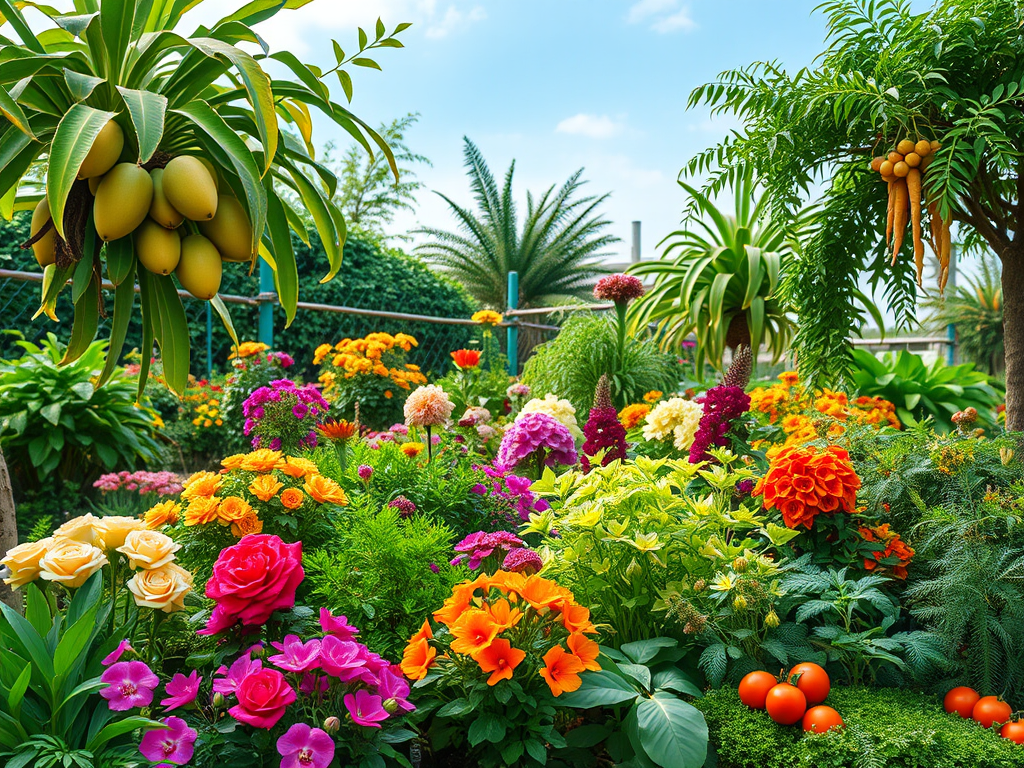
Horticulture is a branch of agricultural science. It deals with the cultivation, production, improvement, and marketing of fruits, vegetables, flowers, ornamental plants, medicinal & aromatic plants. It also involves other high-value crops.
It focuses on intensive plant cultivation for food, comfort, beauty, and environmental improvement.
What is Horticulture?
Horticulture involves the science and art of growing plants. These include fruits, vegetables, flowers, and ornamental plants. Improved techniques are used to enhance yield, quality, nutrition, and aesthetic appeal.
It includes:
- Scientific crop cultivation
- Plant breeding and genetics
- Soil and nutrient management
- Pest and disease control
- Post-harvest handling
- Landscaping and environmental conservation
Branches of Horticulture
Pomology
The study and cultivation of fruit crops.
Examples: Mango, apple, banana, grapes, citrus.
Olericulture
Deals with vegetable crops.
Examples: Tomato, cabbage, carrot, onion, beans.
Floriculture
Cultivation of flowers and ornamental plants.
Examples: Roses, orchids, marigold, jasmine.
Landscaping & Gardening
Design and maintenance of gardens, parks, lawns, and green spaces.
Floriculture – Krishicenter
Plantation Crops
Covers crops like tea, coffee, coconut, rubber, etc. (In some contexts grouped under horticulture).
Post-Harvest Technology
Deals with processing, storage, packaging, and marketing of horticultural produce.
Aromatic & Medicinal Plant Cultivation
Growing plants used for medicine, essential oils, perfumery, and wellness industries.
Importance of Horticulture
✔ Food and Nutrition
Provides vitamins, minerals, fiber, and antioxidants.
✔ Economic Growth
Generates high income due to high-value crops.
✔ Employment
Offers jobs in farming, processing, Floriculture, landscaping, and nurseries.
✔ Environmental Benefits
Improves soil health, enhances biodiversity, and beautifies surroundings.
✔ Export Opportunities
India exports fruits, vegetables, spices, flowers, processed foods, etc.
Examples of Horticultural Crops
- Fruits: Mango, Banana, Papaya, Strawberry
- Vegetables: Potato, Tomato, Spinach, Carrot
- Flowers: Gerbera, Chrysanthemum, Rose
- Spices: Cardamom, Turmeric, Pepper
- Plantation Crops: Tea, Coffee, Arecanut
- Aromatic Plants: Lemongrass, Mint, Lavender
How Horticulture Differs From Agriculture
| Agriculture | Horticulture |
|---|---|
| Broad field covering all crops | Specialized branch |
| Includes cereal crops like wheat, rice | Focus on fruits, vegetables, flowers |
| Extensively grown | Intensively grown |
| Lower profit per acre | Higher profit per acre |
| Less labour-intensive | Highly labour-intensive |
Horticulture evolves at the intersection of science, art, and sustainability. It plays an essential role in enhancing food security. It also improves nutrition, environmental quality, and rural livelihoods. This field is diverse, encompassing fruits, vegetables, flowers, spices, medicinal, and aromatic plants. It contributes to dietary enrichment. It also promotes economic development and ecological balance. Demand for high-value crops is rising. Innovations in protected cultivation, precision farming, biotechnology, and post-harvest management have transformed horticulture. It is now a modern, technology-driven sector.
Despite challenges such as climate variability, pest pressures, market fluctuations, and post-harvest losses, the potential of horticulture continues to expand. Empowering farmers with scientific knowledge, improved infrastructure, and market linkages can further unlock its vast opportunities. In the years ahead, horticulture will remain a key driver of agricultural diversification. It will also contribute to sustainable development and rural prosperity. This makes it a vital pillar of India’s agricultural growth and global competitiveness.


Leave a Reply