
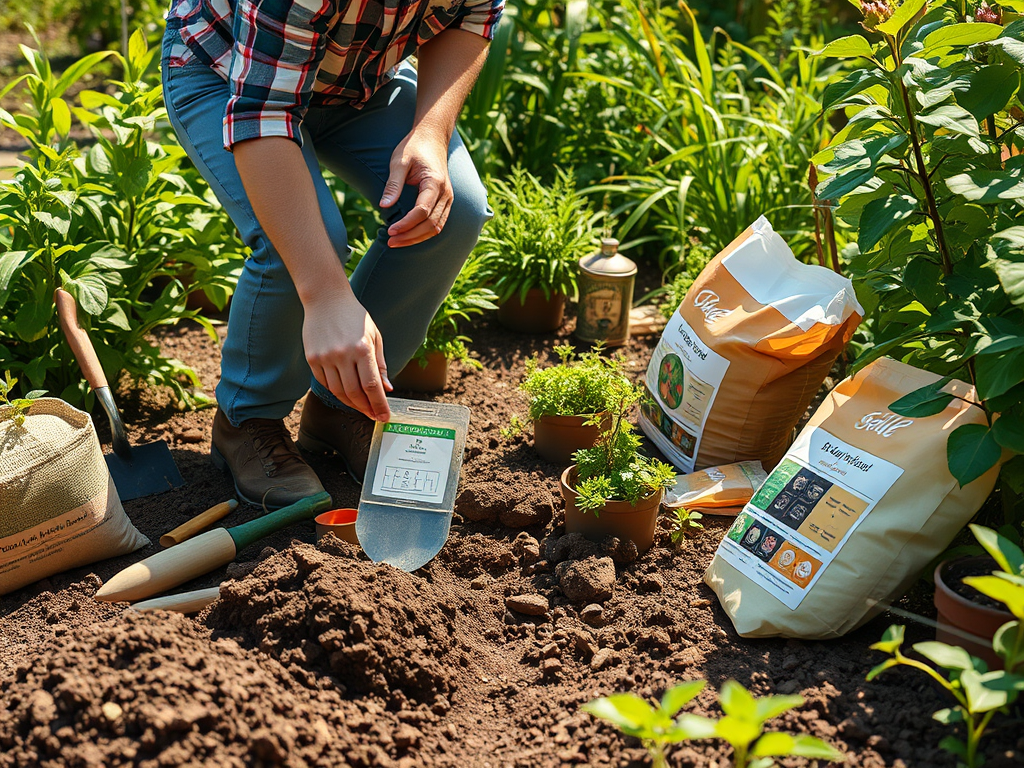
Preparing the soil for your garden is an essential step in ensuring a fruitful and productive growing season. Whether you are an experienced gardener or a novice, it is vital to comprehend how to prepare soil for planting. This guide will lead you through the process, from evaluating your soil to the final preparations of planting beds.
Assessing Your Soil
Prior to planting, it is crucial to understand the composition and texture of your soil. Performing a soil test is an excellent initial step. This test will yield important information regarding the pH level and nutrient content of your soil, enabling you to make informed choices about amendments and fertilizers. Understanding whether your soil is clay, sandy, loamy, or a mixture will affect your preparation approach.
Clearing and Cleaning
The subsequent step involves clearing your garden area of debris, weeds, and any other undesirable materials. This procedure is essential for preventing pests and diseases, ensuring that your plants have a clean and healthy environment in which to flourish. Be meticulous in this step to establish a solid foundation for your garden.
Soil Amendments
Amending your soil is crucial for supplying your plants with the necessary nutrients. Incorporating organic matter, such as compost, can significantly improve the nutrient profile of your soil. It is also important to modify pH levels, if required, based on your soil test findings. This guarantees that your plants can effectively absorb the nutrients present in the soil.
Prepping the Soil: Tilling and Cultivating
Selecting the appropriate tools for tilling and understanding proper soil cultivation methods are essential. Tilling aids in aerating the soil, facilitating root penetration and water absorption. However, it is important to till at the correct depth and avoid excessive tilling, as over-tilling can disrupt soil structure and damage beneficial microorganisms.
Prep for Planting: Adding Fertilizers
Choosing suitable fertilizers is vital for supplying your plants with the essential nutrients. Different plants have varying nutrient needs, making it essential to select a fertilizer that aligns with your garden’s requirements. Consider using a slow-release fertilizer to ensure a consistent supply of nutrients. For tailored fertilization advice, particularly for bulbs and perennials, check for guide on bulb fertilization.
Moisture Management
Effective watering methods, along with irrigation and mulching, are crucial for managing moisture levels. Mulching aids in water retention, regulates soil temperature, and inhibits weed growth. By understanding the watering needs of your plants and establishing an efficient irrigation system, you can keep your garden adequately hydrated without the risk of waterlogging.
Preparing Soil for Gardening Means to Protect the Soil Health
Maintaining the health of your soil is just as vital as its preparation. Prevent soil erosion through practices such as cover cropping and careful water management. Planting cover crops like clover or rye during the off-season can safeguard and enrich the soil, fostering a robust garden ecosystem.
Preparing Planting Beds
Establishing raised beds is an excellent method to ensure proper drainage and soil quality. Raised beds provide better control over soil composition and enhance accessibility for gardening. Ensure adequate spacing and arrangement to promote optimal plant growth. For design inspiration and landscaping tips involving bulbs, consult a landscaping guide.
Although preparing your garden’s soil may appear challenging, it is a fulfilling endeavor that lays the foundation for a flourishing garden. By evaluating your soil, clearing the area, amending the soil, tilling appropriately, adding fertilizers, managing moisture, safeguarding soil health, and preparing planting beds, you are setting the stage for a successful gardening journey. Keep in mind that a small investment of effort in soil preparation significantly contributes to the health and beauty of your garden. If you are prepared to begin planting, explore selection of desired bulbs.
 KrishiCenter
Leave a comment