
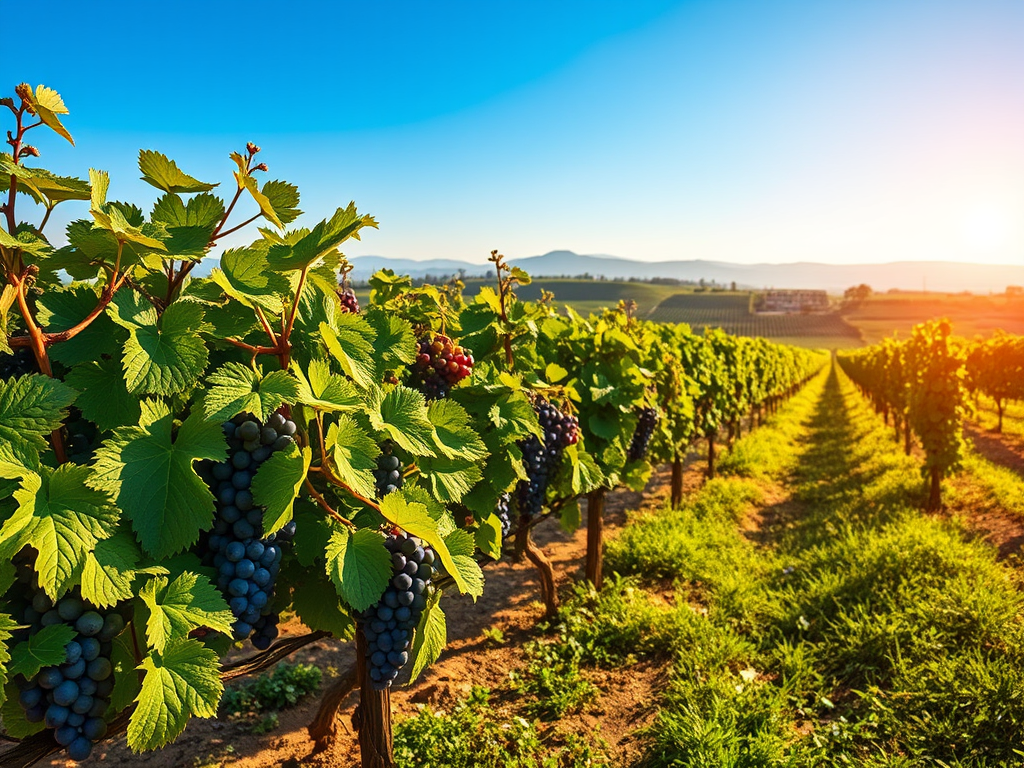
The wine industry in India is a rapidly growing sector, with a rich history, evolving market dynamics, and emerging global opportunities. While India may not have the same longstanding wine heritage as regions like France, Italy, or Spain, the industry is witnessing a significant transformation due to increasing consumer interest, favorable climate conditions for grape cultivation, and a rise in domestic production and consumption. Below is a detailed guide on the wine industry in India, highlighting its growth, challenges, and future prospects.
1. Overview of the Wine Industry in India
The wine industry in India has evolved over the last few decades, with both domestic production and international imports growing significantly. The industry benefits from the country’s favorable climate in specific regions, allowing for the cultivation of wine grapes.
Key Statistics:
- Wine Consumption: India is a relatively small market for wine, but consumption has been steadily increasing over the years, particularly among the urban middle class and younger consumers.
- Wine Production: India’s wine production is still in the nascent stages compared to global leaders like France or Italy, but the industry has grown significantly over the past 20 years.
- Top Wine Regions: The wine-producing regions in India are primarily concentrated in Maharashtra, Karnataka, and parts of Tamil Nadu and Himachal Pradesh.
2. Key Wine Regions in India
Several regions in India are particularly suited for viticulture due to their climate, soil, and topography.
1. Maharashtra
- Nashik: Known as the “Wine Capital of India,” Nashik in Maharashtra is the most prominent wine-producing region in the country. The region enjoys a moderate climate, which is ideal for cultivating wine grapes.
- Wineries: Sula Vineyards, Fratelli Wines, York Winery.
- Other Areas in Maharashtra: Areas like Pune, Solapur, and Sangli also contribute significantly to the country’s wine production.
2. Karnataka
- Bangalore: Known for its proximity to the Nandi Hills and Kolar district, Karnataka has seen a rise in wine production, particularly around Bangalore.
- Wineries: Grover Zampa, Sula Vineyards (has a presence in Karnataka), Kinvah Wines.
- The state’s favorable weather and fertile soil support the cultivation of several wine grape varieties.
3. Tamil Nadu
- Dindigul and Coimbatore: Tamil Nadu is known for its early adoption of wine production, with the Karpagam Estate and other wineries contributing to the sector.
- The region’s moderate climate is ideal for both red and white wines.
4. Himachal Pradesh
- While not as well-known as Maharashtra or Karnataka, Himachal Pradesh is emerging as a wine-growing region due to its cool climate, which is suitable for certain grape varieties like Pinot Noir.
3. Wine Production in India
Grape Varieties:
India’s wine production largely depends on both international and indigenous grape varieties. The most commonly grown varieties are:
- International Varieties:
- Cabernet Sauvignon
- Chardonnay
- Sauvignon Blanc
- Syrah
- Merlot
- Indigenous Varieties:
- Sula’s ‘Zinfandel’ is one of the most notable indigenous varieties grown in India. While the country has a history of cultivating table grapes, the wine grape industry is developing gradually.
Winemaking Techniques:
The winemaking process in India is largely influenced by traditional techniques. In recent years, Indian wineries have adopted modern winemaking practices and technology, similar to those used in renowned wine regions like France and California.
- Fermentation: Wineries typically ferment in stainless steel tanks or oak barrels, depending on the wine style.
- Aging: Wines in India are often aged in oak barrels, which impart unique flavors and help wines develop complex aromas.
4. Challenges in the Indian Wine Industry
While the Indian wine industry is growing, it faces a number of challenges that affect its development:
1. Taxation and High Duties
- Wine in India is taxed at high rates, which makes the final product expensive. This includes high excise duties, import duties, and sales taxes, all of which can discourage consumption.
- States like Maharashtra and Delhi have more favorable policies for alcohol sales, but taxes vary across regions, adding complexity to the pricing and distribution of wine.
2. Lack of Awareness and Consumer Education
- While the younger generation is increasingly adopting wine, the majority of Indian consumers still prefer spirits like whiskey, rum, and vodka.
- Educating consumers about wine, its pairing with food, and the nuances of wine tasting is essential for expanding the market.
3. Limited Availability
- Wine is still considered a niche product in many parts of India, and access is limited to urban centers and high-end retail outlets.
- Wine distribution remains a challenge due to logistics and infrastructure constraints, especially in rural areas.
4. Climatic Challenges
- While regions like Nashik are perfect for grape cultivation, climatic shifts, including heavy rains during the monsoon, extreme temperatures, and dry spells, pose risks to grape yields.
- Indian wine producers must continually adapt to these challenges by improving irrigation systems and using advanced farming techniques.
5. The Rise of Wine Tourism in India
Wine tourism has become an essential part of the industry in India, and wineries like Sula Vineyards in Nashik and Grover Zampa in Karnataka offer vineyard tours, wine tasting, and other experiential activities for visitors.
- Vineyard Tours: Visitors can walk through vineyards, observe the winemaking process, and enjoy tastings paired with local cuisine.
- Wine Festivals: Events such as SulaFest in Nashik have helped bring international attention to Indian wine and attract wine lovers from around the world.
- Culinary Pairings: Many wineries now offer exclusive wine and food pairing experiences to educate consumers about the nuances of wine pairing.
6. Wine Consumption Trends in India
The wine market in India is still developing, but trends indicate growing interest:
- Younger Demographics: There’s a shift toward wine among younger, urban, and more health-conscious consumers who are increasingly opting for lighter alcohol options.
- Rising Middle Class: India’s growing middle class is increasingly turning to wine as a status symbol and part of a lifestyle.
- Health Trends: Wine is often seen as a healthier alternative to spirits due to its lower alcohol content, antioxidants, and moderate consumption benefits.
- Urbanization: With more people living in urban centers, wine consumption is becoming a popular trend at restaurants, bars, and home parties.
7. Wine Distribution and Retail in India
Retail Channels:
- Online Retail: With the growth of e-commerce, many wineries have moved to direct online sales platforms, allowing consumers to order wines directly to their homes.
- Wine Shops: While the retail sector for wine is still maturing, specialized wine shops and high-end supermarkets in major cities cater to the demand for both domestic and imported wines.
- Restaurants and Bars: Wine consumption in restaurants is on the rise, particularly in fine dining and upscale bars that cater to the growing demand for premium wines.
Exports:
- Sula Vineyards and other major Indian wineries have begun exporting Indian wine to countries like the United States, United Kingdom, and Singapore, which is a positive sign of the industry’s potential for global reach.
8. The Future of the Wine Industry in India
The future of the wine industry in India looks promising, with the following key trends:
1. Expanding Domestic Market
- With a rising middle class and an increasing interest in wine, domestic consumption will likely see steady growth, especially among younger consumers in urban areas.
2. Export Growth
- Indian wines are beginning to make their mark in international markets. With wineries focusing on quality production and international certifications, Indian wines could become more competitive on the global stage.
3. Sustainable Winemaking
- With increasing awareness about sustainability, many Indian wineries are adopting eco-friendly practices, such as organic farming, solar power, and water conservation.
4. Wine Education and Events
- The growth of wine education programs, tastings, and events will further elevate the wine culture in India, making it more mainstream and accessible.
5. Innovation in Wine Styles
- There is room for experimentation with new wine styles (e.g., sparkling wines, blends) and the cultivation of unique grape varieties that could differentiate Indian wines from global competitors.
Conclusion
The wine industry in India is at an exciting crossroads, with tremendous potential for growth in both production and consumption. While the market faces challenges related to taxation, consumer awareness, and distribution, it is poised for expansion. As urbanization, tourism, and changing consumer preferences continue to evolve, Indian wine producers have the opportunity to carve out a significant space in both domestic and international markets.
India’s wine industry is a dynamic sector to watch, with increasing innovation and growing consumer interest shaping its future.
Would you like more information on any specific aspects of the wine industry in India, or help with resources for exploring the industry further?
 KrishiCenter
Leave a comment