
Brahmi Ayurveda
Introduction to Brahmi Farming
Brahmi (ब्राह्मी), scientifically known as Bacopa monnieri, is a perennial herb native to India and other parts of Southeast Asia. It is commonly known as Water Hyssop, Thyme-leaved Gratiola, and Indian Pennywort. Brahmi holds a significant place in traditional Ayurvedic medicine due to its powerful cognitive-enhancing properties and its ability to improve mental clarity, memory, and overall brain function. In addition to its medicinal properties, Brahmi is also widely used in herbal formulations aimed at treating stress, anxiety, and neurological disorders.
Due to its rising demand in the global wellness industry, Brahmi farming has become a promising venture for farmers, especially in tropical and subtropical regions. With the right cultivation practices and management techniques, Brahmi can be grown profitably as a cash crop.
This guide offers a comprehensive overview of Brahmi farming, including its environmental requirements, propagation methods, cultivation practices, and economic potential.
1. Understanding Brahmi (Bacopa monnieri)
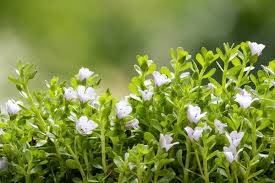
Brahmi is a small, creeping herb that typically grows in damp, marshy, or wetland areas. The plant is recognized for its delicate, opposite, narrow leaves and small white or pale-blue flowers. The active compounds in Brahmi, particularly bacosides, have been shown to possess potent neuroprotective, anti-anxiety, and anti-inflammatory properties, making it a key herb in cognitive health and Ayurveda.
- Scientific Name: Bacopa monnieri
- Common Names: Brahmi, Water Hyssop, Indian Pennywort, Thyme-leaved Gratiola
- Uses: Cognitive enhancement, stress reduction, memory improvement, anti-anxiety, neuroprotective, anti-inflammatory.
2. Climatic and Soil Requirements
Brahmi is a tropical plant that thrives in warm, humid conditions and grows well in areas with abundant water. It is best suited for cultivation in regions that receive consistent rainfall and temperatures between 25°C and 35°C.
Climate Requirements:
- Temperature: Brahmi grows best in temperatures ranging from 25°C to 35°C. It is a warm-weather plant and does not tolerate frost or very cold temperatures.
- Rainfall: Brahmi thrives in areas with moderate to high rainfall, typically between 1,000 mm to 2,500 mm annually. It is well-suited to areas with high humidity and plenty of water sources.
- Altitude: The plant grows well at altitudes ranging from sea level up to 1,500 meters. However, it is primarily found in lowland tropical areas.
Soil Requirements:
- Soil Type: Brahmi prefers moist, well-drained soils and thrives in wetland or marshy conditions. It grows best in sandy-loam or clay-loam soils that retain moisture but do not become waterlogged.
- pH Level: The ideal pH range for Brahmi cultivation is between 6.0 and 7.5 (slightly acidic to neutral).
- Soil Moisture: The soil should remain consistently moist but well-drained, as Brahmi is a semi-aquatic plant. It can tolerate short periods of flooding but does not grow well in overly dry or saline soils.
3. Land Preparation for Brahmi Cultivation
Brahmi farming requires careful land preparation to ensure optimal growth conditions. This includes selecting the right location, preparing the soil, and ensuring adequate water management.
- Site Selection: Choose a site that is flat or gently sloped to ensure proper water drainage. The area should ideally have access to a nearby water source, as Brahmi requires ample moisture.
- Plowing and Tilling: Plow the land to a depth of 20–25 cm to break up compacted soil and improve aeration. This will allow the roots to penetrate easily and establish better growth.
- Water Management: If waterlogging is a concern, create raised beds or mounds to prevent the roots from sitting in stagnant water. Alternatively, small channels or irrigation systems can be constructed to direct water effectively.
- Soil Amendment: Brahmi benefits from the addition of organic matter such as compost, farmyard manure (FYM), or green manure to enrich the soil and enhance its water retention capacity.
4. Propagation of Brahmi
Brahmi can be propagated by seeds or cuttings, though the latter method is often preferred due to its higher success rate and faster growth.
Seed Propagation:
- Seed Collection: Brahmi seeds are small and can be collected from mature plants after flowering. The seeds are usually harvested in late summer or early autumn.
- Sowing: Seeds should be sown in a nursery bed or seed trays at a depth of about 1–2 cm. Ensure that the soil is well-drained and rich in organic matter.
- Germination: Seeds typically take 7–14 days to germinate. Keep the soil consistently moist, but avoid waterlogging, which can lead to seed rot.
- Transplanting: Once the seedlings have reached a height of 6–8 cm and developed a few true leaves, they can be transplanted into the main field.
Cutting Propagation:
- Selecting Cuttings: Select healthy, mature branches of the plant. Cuttings should be about 8–10 cm long, with at least two nodes (the parts of the stem where leaves grow).
- Rooting the Cuttings: Place the cuttings in a shallow tray of water, keeping them in indirect sunlight. Roots will form in 2–3 weeks, after which they can be transplanted into the soil.
- Transplanting: Once the cuttings have established roots, they can be transplanted into the field. Ensure proper spacing between plants to avoid overcrowding.
5. Planting Brahmi
After the seedlings or cuttings have been prepared, they can be transplanted into the main field.
- Planting Time: The best time to plant Brahmi is during the early monsoon season (June–July) when moisture levels are high, and temperatures are warm.
- Spacing: For field plantations, space plants 20–30 cm apart. If grown in rows, maintain 40–50 cm spacing between rows to allow proper airflow and growth.
- Planting Depth: Plant the seedlings or rooted cuttings at the same depth as they were in the nursery. Ensure that the root system is adequately covered with soil.
- Watering: Water the newly planted Brahmi thoroughly after transplanting to settle the soil around the roots. Regular watering is required until the plants establish.
6. Irrigation and Water Management
Brahmi requires consistent moisture for optimal growth, making efficient water management crucial.
- Watering Frequency: Brahmi requires frequent watering to maintain a moist environment. During the growing season, ensure the soil remains consistently damp but not waterlogged.
- Watering Methods: Drip irrigation is ideal for Brahmi cultivation, as it provides a slow, consistent water supply directly to the root zone. Alternatively, furrow irrigation or sprinklers can be used.
- Flood Irrigation: Brahmi can be grown in shallow, flooded beds, similar to paddy cultivation, if there is access to abundant water. This is a common method of cultivation in areas with wetlands or rice paddy fields.
7. Nutrient Management
To encourage healthy growth and high-quality Brahmi leaves, regular nutrient management is necessary.
- Organic Fertilization: Incorporate organic fertilizers like farmyard manure (FYM), compost, or green manure into the soil before planting. Apply organic matter annually to improve soil fertility.
- Inorganic Fertilization: During the growing season, apply a balanced NPK (Nitrogen, Phosphorus, Potassium) fertilizer to promote strong vegetative growth. A typical recommendation is 20–25 kg per hectare of balanced NPK fertilizer.
- Micronutrients: Brahmi benefits from micronutrients like zinc, iron, and manganese. These can be applied through foliar sprays if deficiencies are identified in the soil.
8. Weed and Pest Management
Weed control and pest management are essential for ensuring healthy plant growth and preventing competition for nutrients and water.
Weed Control:
- Manual Weeding: Regular weeding is necessary, especially during the early growth stages. Weeds can be removed by hand or using a hoe to reduce competition.
- Mulching: Mulching around the base of the plants with organic materials such as straw, dried leaves, or grass helps suppress weed growth and retains moisture.
Pest Control:
- Common Pests: Brahmi may occasionally face pest issues such as aphids, whiteflies, and caterpillars. Regular monitoring is essential to detect early infestations.
- Organic Pest Control: Neem oil or insecticidal soaps can be used to control pests without harming the environment. These organic solutions are safe and effective for Brahmi cultivation.
- Disease Control: Ensure proper water management to prevent fungal diseases such as root rot. Good airflow around the plants and avoiding waterlogged conditions help reduce disease risk.
9. Pruning and Maintenance
Brahmi requires minimal pruning, but regular maintenance is important to keep the plants healthy.
- Pruning: Remove dead or damaged stems and leaves to maintain plant health and improve airflow.
- Harvesting: Harvest Brahmi leaves when the plant is mature
, typically around 3–4 months after planting. Leaves are best harvested in the morning when their medicinal properties are at their peak.
10. Harvesting and Post-Harvest Processing
The leaves of Brahmi are the most valuable part of the plant, as they contain the active compounds responsible for its medicinal effects.
- Harvesting Time: Brahmi leaves should be harvested once the plant has reached full maturity, typically 3–4 months after planting. Leaves are best collected before flowering.
- Harvesting Method: Use sharp scissors or pruning shears to cut the leaves. Avoid damaging the plant’s stem, as it will allow for further regrowth.
- Drying: After harvesting, the leaves should be dried in the shade to preserve their medicinal properties. Drying should be done slowly to avoid the degradation of active compounds.
- Storage: Dried Brahmi leaves can be stored in airtight containers in a cool, dry place for long-term use.
11. Economic Potential of Brahmi Farming
Brahmi is in high demand in the herbal and wellness industry, particularly for its use in supplements, tonics, and Ayurvedic formulations.
- Market Demand: Brahmi’s cognitive-enhancing properties have driven significant market demand, especially in the global herbal medicine and dietary supplement sectors.
- Profitability: With proper management, Brahmi can yield high returns. A well-maintained hectare of Brahmi can produce 1,000–2,000 kg of dried leaves annually, depending on the growing conditions and the management practices.
Conclusion
Brahmi farming presents a lucrative opportunity for farmers, especially in regions with adequate water resources and tropical climates. With its growing popularity in the herbal medicine industry and its wide range of therapeutic uses, Brahmi is a high-value crop that offers significant returns. By following proper cultivation techniques, including selecting the right site, maintaining soil fertility, and implementing effective water management, farmers can cultivate Brahmi successfully and tap into the lucrative global market for Ayurvedic products.
 KrishiCenter
Leave a comment