
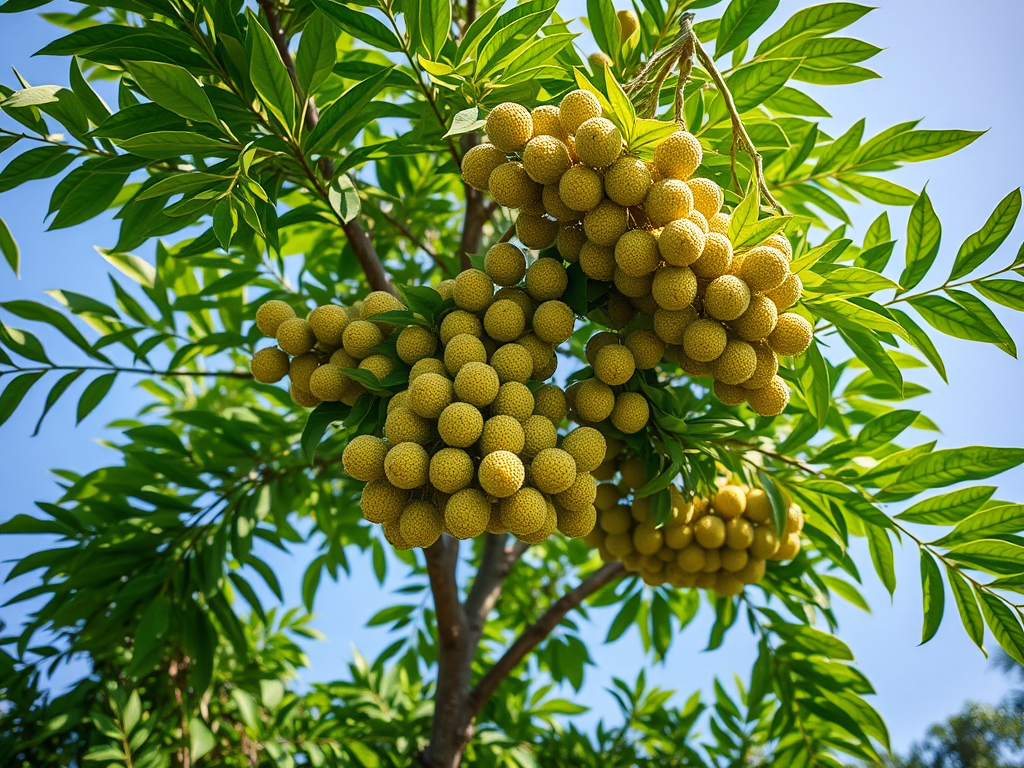
Introduction to Amla/Aawla Farming
Amla (आवला), scientifically known as Phyllanthus emblica, is a deciduous tree species native to India and other parts of Southeast Asia. It is widely revered in traditional medicine systems such as Ayurveda for its numerous health benefits. Known as the “Indian Gooseberry,” Amla is a rich source of Vitamin C, antioxidants, and bioactive compounds that offer a variety of medicinal, cosmetic, and nutritional benefits.
The fruit of the Amla tree is known for its sour and slightly bitter taste, which makes it ideal for use in fresh form, dried powder, juices, jams, and other products like we all must have heard of Aawla Candy. Amla farming has gained popularity in commercial agriculture. It adapts well to a wide range of soil types and climatic conditions. Amla farming also has potential for high economic returns.
This farming guide covers everything you need to know about Amla farming, including its cultivation practices, soil and climatic requirements, propagation methods, and post-harvest management.
1. Understanding Amla (Indian Gooseberry)
Amla is a small to medium-sized tree that belongs to the Phyllanthaceae family. It has a dense canopy and produces small, round, greenish-yellow fruits with a distinct sour taste. Amla fruits are loaded with Vitamin C, antioxidants, polyphenols, and flavonoids, which contribute to their wide use in medicinal preparations and cosmetic products.
- Scientific Name: Phyllanthus emblica
- Common Names: Amla, Indian Gooseberry, Amalaki (in Sanskrit)
- Uses: Vitamin C supplement, immune booster, anti-inflammatory, antioxidant, hair tonic, skin care, digestive health.
2. Climatic and Soil Requirements
Amla trees are well-suited to tropical and subtropical climates, though they can tolerate a variety of weather conditions. However, they grow best in regions with hot and dry summers and mild winters. Here are the key climatic and soil factors that contribute to successful Amla farming:
- Temperature: Amla requires a warm climate for optimal growth. The ideal temperature range is between 25°C and 35°C. It can tolerate mild frost but requires protection from heavy cold or hailstorms.
- Rainfall: The tree grows well in regions with moderate rainfall, ideally between 800–1,500 mm annually. However, Amla is drought-tolerant and can thrive in areas with irregular rainfall as long as proper irrigation is provided.
- Soil: Amla is adaptable to a wide range of soils, including loamy, sandy, and rocky soils. The soil should be well-drained and slightly alkaline to neutral in pH (6.5–7.5). It can tolerate poor soils, but adding organic matter can enhance growth.
- Altitude: Amla can be cultivated at altitudes ranging from sea level up to 1,500 meters, depending on the local climate.
3. Land Preparation
Proper land preparation is essential for the successful growth of Amla trees. Follow these steps for optimal land preparation:
- Plowing and Tilling: The land should be plowed to a depth of 20–25 cm to loosen the soil and improve aeration.
- Soil Amendment: Add organic matter such as farmyard manure (FYM) or compost to enhance soil fertility. This is especially important if the soil is poor in nutrients.
- Pits or Trenches: For large-scale planting, dig pits or trenches (about 30 cm x 30 cm) spaced 4–5 meters apart for each tree. This allows the roots to spread and ensures that the tree receives adequate nutrients and moisture.
- Soil Testing: Conduct a soil test to determine nutrient deficiencies and apply any necessary fertilizers based on the test results.
4. Propagation of Amla
Amla can be propagated through seeds, grafting, and budding. While seed propagation is the simplest method, it may result in long gestation periods and inconsistent fruit quality. Grafting and budding are preferred for faster and more uniform fruit production.
Seed Propagation:
- Seed Extraction: Extract seeds from mature Amla fruits and wash them thoroughly to remove any fruit pulp. The seeds should be stored in a cool, dry place until ready for planting.
- Sowing: Sow seeds in a well-prepared nursery bed, 2–3 cm deep, and keep the soil moist. Seeds usually take 2–3 weeks to germinate.
- Transplanting: Once seedlings have grown to a height of 10–15 cm, they can be transplanted into the main field.
Grafting/Budding:
- Grafting: Grafting onto rootstocks of other hardy varieties of Amla (or other related species) is a popular method for faster fruiting and better-quality fruit. This method ensures that the genetic traits of the desired variety are passed on to the new plant.
- Budding: Budding can be done to propagate the desired Amla cultivar, leading to earlier production and uniform fruit characteristics.
5. Planting Amla Trees
Amla trees can be planted either from seeds or through grafts. The planting process involves:
- Planting Time: The best time to plant Amla trees is during the pre-monsoon season, which allows them to establish roots before the onset of the rainy season.
- Spacing: Amla trees require sufficient space to grow, so plant them 4–5 meters apart in rows. For high-density planting, reduce spacing to 3 meters.
- Depth: When transplanting seedlings or grafted trees, ensure that the root collar (where the roots meet the stem) is just above the soil surface.
- Watering: Water the plants immediately after planting and ensure consistent moisture until the tree becomes established. Avoid overwatering, as Amla trees do not thrive in waterlogged soils.
6. Irrigation and Water Management
Although Amla is drought-tolerant once established, young trees require regular irrigation, especially during the dry months. Amla trees can be irrigated using the following methods:
- Drip Irrigation: This is the most efficient irrigation method for Amla farming. It ensures that water is delivered directly to the root zone, reducing water wastage and promoting healthy root growth.
- Flood Irrigation: In areas where water is abundant, flood irrigation can be used. However, it is less efficient than drip irrigation.
- Watering Frequency: Water young trees every 3–4 days during the first few months. Once the trees are established, irrigation can be reduced to once every 10–15 days, depending on rainfall.
7. Nutrient Management
Amla requires a balanced supply of nutrients for healthy growth and good fruit production. Here are some key points for nutrient management:
- Organic Fertilization: Apply well-decomposed compost, FYM, or vermicompost at the time of planting to improve soil structure and fertility.
- Inorganic Fertilizers: Apply balanced NPK fertilizers (e.g., 10:10:10 or 20:10:10) every 3–4 months to encourage healthy growth and good fruiting. Amla trees require higher amounts of phosphorus for root development and potassium for fruit formation.
- Micronutrients: Micronutrients like zinc, boron, and manganese can be applied as foliar sprays. They can also be applied as soil applications to prevent nutrient deficiencies. These deficiencies can affect fruit quality and yield.
8. Weed and Pest Management
Amla trees are relatively resistant to pests, but weeds and some common pests can affect their growth. Here’s how to manage them:
- Weed Control: Weeds can be controlled through regular hand weeding or mechanical weeding. Mulching with organic material can help suppress weed growth and retain soil moisture.
- Pest Management: Common pests include fruit borers, aphids, and caterpillars. Organic pesticides like neem oil, or chemical insecticides if necessary, can be used to control pest infestations. However, care should be taken to minimize chemical use to avoid harming beneficial insects.
- Disease Control: Amla trees can be susceptible to fungal diseases like powdery mildew and leaf spot, especially in humid conditions. Preventive fungicides can be applied during the rainy season.
9. Pruning and Maintenance
Pruning is important to maintain the shape and health of Amla trees, particularly as they mature. It also helps increase airflow and sunlight penetration, which is vital for better fruit production.
- Pruning: Trim dead or diseased branches regularly. If the tree becomes too bushy, thin out the canopy to ensure that the tree remains well-ventilated and that sunlight reaches all parts of the plant.
- Thinning: In older trees, thinning of the fruiting branches can improve the size and quality of the fruits by reducing competition.
10. Harvesting Amla
Amla fruits are typically ready for harvest 8–12 months after flowering. The ideal time for harvesting is when the fruits turn pale yellow-green and are firm to the touch. Overripe fruits may be softer and less nutritious.
- Harvesting Process: The fruits are usually hand-picked, though mechanical harvesting is also possible for large-scale farms. It’s important to handle the fruits gently to avoid bruising, as Amla is highly perishable.
- Post-Harvest Handling: After harvesting, the fruits should be washed to remove any dust or dirt. Fresh Amla fruits can be stored in a cool
, dry place for up to a week. To extend shelf life, Amla is often dried, frozen, or processed into various products like juices, jams, and powders.
11. Economic Potential of Amla Farming
Amla farming holds considerable economic potential, especially given the rising demand for natural health products and dietary supplements. Here are some key economic benefits of Amla farming:
- High Demand: Amla is highly valued in the health and wellness market due to its Vitamin C content, antioxidant properties, and versatility in products ranging from herbal medicines to cosmetic formulations.
- Value-Added Products: Farmers can increase their income by processing Amla into products. These products include juice, powder, oil, and candy. They command higher prices than fresh fruit.
- Profitability: On average, Amla trees can produce 15–25 kg of fruit per tree annually after 4–5 years of growth. A hectare with 400 trees can yield up to 6–8 tons of fruit annually, offering a substantial return on investment.
Conclusion
Amla farming offers a lucrative opportunity for farmers, especially in regions where the climatic conditions are favorable. With proper cultivation practices, soil management, and pest control, Amla trees can produce high-quality fruits with significant economic returns. Global demand for Amla-based products is growing. Its medicinal and nutritional value make it an ideal crop for sustainable and profitable farming.
 KrishiCenter
Leave a comment