
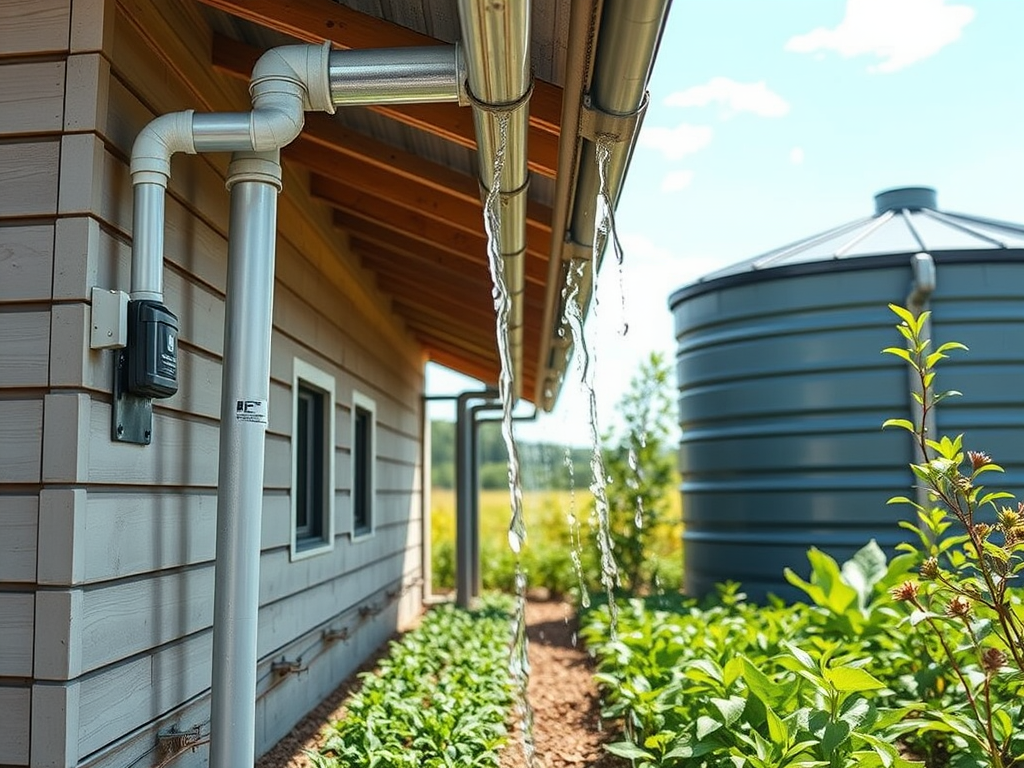
Water harvesting is the process of collecting and storing rainwater for later use. It’s an eco-friendly method. This approach is sustainable for meeting water needs. It’s especially beneficial in areas facing water scarcity or high costs for municipal water. Below is a detailed guide on the steps, methods, and considerations involved in rainwater harvesting.
1. Understanding Water Harvesting
Water harvesting typically refers to two main types:
- Rainwater Harvesting (RWH): Collecting rainwater directly from rooftops or other surfaces.
- Surface Water Harvesting: Storing water from rivers, streams, ponds, etc.
For the purposes of this guide, we will focus on Rainwater Harvesting.
2. Benefits of Water Harvesting
- Reduces water bills: You can use rainwater for irrigation, cleaning, or even drinking (if properly filtered). This reduces reliance on the municipal water supply.
- Conserves potable water: By using harvested rainwater for non-potable purposes, you preserve clean water for essential uses.
- Reduces runoff and erosion: Proper rainwater collection prevents stormwater runoff, which can cause soil erosion and water pollution.
- Eco-friendly: Decreases your environmental footprint by using a natural, renewable water source.
3. Key Components of a Rainwater Harvesting System
A basic rainwater harvesting system typically consists of the following components:
1. Catchment Area
- Roof or Surface: The surface from which rainwater is collected, typically a roof. Materials like tiles, metal, and sloped surfaces are ideal for rainwater collection as they minimize contamination.
- Cleanliness: Ensure the catchment area is clean and free from pollutants. Avoid collecting rainwater from roofs with tar, lead, or other hazardous materials.
2. Gutters and Downspouts
- Gutters: Direct the rainwater from the roof to the downspouts. Gutters should be clean and adequately sized to handle the expected rainfall volume.
- Downspouts: Pipes that channel water from the gutters into the storage system. Downspouts should be covered to avoid debris entering the system.
3. First-Flush System
- The first flush is the initial rainwater runoff, which is typically contaminated with dust, dirt, bird droppings, and other debris. A first-flush diverter is installed to redirect the first flow of water away from the storage system. This ensures the water collected is cleaner.
4. Storage Tank
- Material: Tanks can be made from materials like plastic, concrete, fiberglass, or metal. Plastic is the most common due to its affordability and ease of installation.
- Size: The size of the storage tank depends on the area’s rainfall patterns and the household’s water needs. Tanks can range from small barrels to large underground tanks.
- Placement: Tanks can be placed above ground or below ground. Underground tanks keep the water cooler and reduce algae growth, while above-ground tanks are easier to install and maintain.
5. Filtration System
- First-Stage Filtration: Screens or mesh filters can be used to capture larger debris like leaves, twigs, or dust.
- Second-Stage Filtration: Fine filters or sand filters can be used to remove smaller particles from the water.
- Optional: Activated carbon filters or UV filters can be added to purify the water further if it’s intended for drinking.
6. Pumping System (If Needed)
- Manual or Electric Pumps: You will need a pump if you need to pump the water from the storage tank to a point of use. Electric pumps are more efficient for higher water usage, but manual pumps are a more sustainable option for smaller systems.
7. Distribution System
- The water can be used for various purposes:
- Non-Potable Use: Irrigation, cleaning, and flushing toilets.
- Potable Use: If the system includes advanced filtration (e.g., UV or reverse osmosis), the water can be treated for drinking.
4. Steps to Set Up a Rainwater Harvesting System
Step 1: Assess Water Needs and Site Conditions
- Rainfall Analysis: Check local rainfall patterns. The more rainfall your area receives, the larger the system you will need.
- Roof Area: Calculate the catchment area (roof size) to estimate the potential volume of water you can collect. A general rule of thumb is that 1 inch of rainfall on 1,000 square feet of roof can yield 600 gallons of water.
Step 2: Design the System
- Calculate Storage Requirements: Based on your water usage and local rainfall, estimate the tank size. Consider seasonal variations (e.g., storing more water during wet months for use during dry months).
- Gutter and Downspout Sizing: Ensure gutters and downspouts are appropriately sized for the volume of water.
- Determine Filtration Needs: Decide what level of filtration is necessary for your use case (non-potable or potable).
Step 3: Install the Catchment Area and Gutters
- Install Gutters: Attach gutters along the edge of the roof, ensuring they slope toward the downspouts.
- First Flush Diverter: Install a first flush system to ensure debris is removed before water enters the storage tank.
Step 4: Install the Storage Tank
- Location: Place the tank in a secure and level spot, either above or below ground. Ensure it’s easily accessible for maintenance.
- Connection to Gutters: Connect the downspouts to the tank inlet. Ensure the connection is sealed to avoid leaks.
Step 5: Install Filtration and Pumping Systems
- Filtration: Install the required pre-storage and post-storage filtration systems based on your water quality requirements.
- Pump: If using a pump, install it according to the manufacturer’s instructions. Be mindful of the energy use and efficiency.
Step 6: Maintenance and Monitoring
- Regular Cleaning: Clean the gutters, first flush system, and tank periodically. This helps ensure the water remains free from contamination.
- Inspect Filters and Pumps: Regularly check filters for clogs and replace them when necessary. If using a pump, ensure it’s in good working condition.
5. Water Quality Considerations
For non-potable uses (e.g., irrigation, cleaning):
- Rainwater is typically safe for these purposes with minimal treatment. However, it must be free of contaminants such as bird droppings or chemicals.
For potable uses (drinking and cooking):
- Advanced Filtration: You will need a robust filtration system, such as UV filtration, activated carbon, or reverse osmosis.
- Testing: Periodically test the water for bacteria, metals, and other contaminants.
- Health Safety: If you’re unsure about the water quality, consult with a local water treatment expert.
6. Legal and Regulatory Considerations
- Local Regulations: Some areas have specific laws regarding water harvesting. For example, there may be rules on tank sizes, allowable collection surfaces, or water use restrictions.
- Health Guidelines: Follow health and safety guidelines if you intend to use harvested water for drinking.
7. Cost Considerations
The cost of setting up a rainwater harvesting system depends on the complexity and scale. Here’s an approximate breakdown:
- Small-scale system (e.g., a rain barrel): $50 – $500.
- Larger systems (e.g., with filtration, storage tanks, and pumps): $1,000 – $5,000+.
Though the upfront cost can be significant, the savings in water bills and long-term sustainability make it a worthwhile investment.
Conclusion
Water harvesting is a powerful tool for sustainable water management, reducing your environmental footprint, and conserving valuable resources. Follow the steps in this guide. Consider your specific needs. You can design a system that works for you. It will help conserve water for future generations.

 KrishiCenter
Leave a comment